


Shaping the country's image: Andrei Melentyev discusses the work of the Council on Architecture at the National Centre RUSSIA
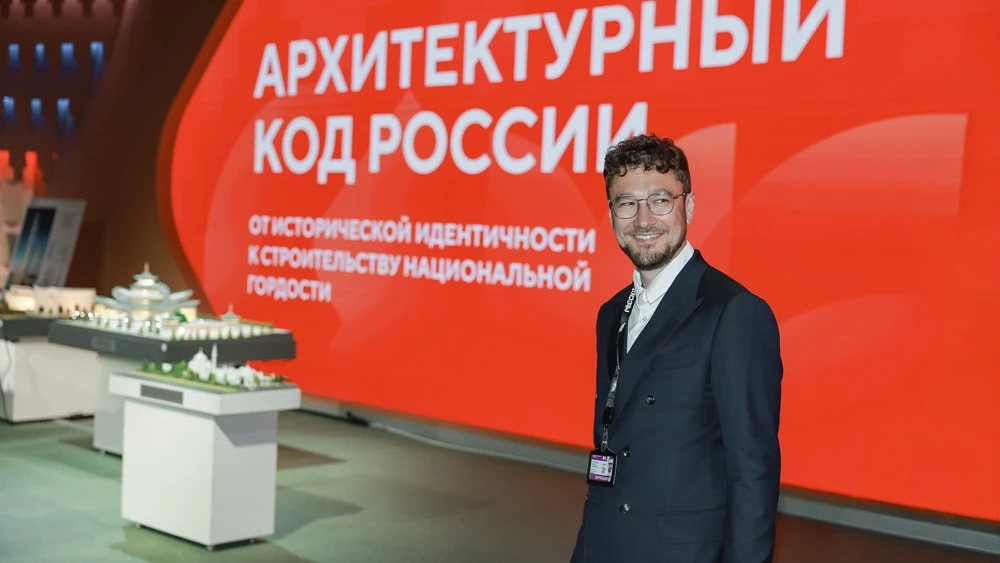
What should the architecture of modern Russia look like, and what can help cities preserve their identity while developing principles shared across the country? These questions are at the heart of the Expert Council on Architecture and Urban Planning at the National Centre RUSSIA, which brings together government representatives, industry experts, architects and developers — those who directly shape the appearance of Russian cities. Andrei Melentyev, Secretary of the Council and Head of the Directorate for Monitoring State Visual Communications at the National Centre RUSSIA, spoke about its work.
"We are working to create the architectural image of the modern era — a language through which Russia speaks about its values, achievements and culture. To this end, four working groups have been established: on regulation, architecture and education; methodology for state meanings and themes; and methodology for regional characteristics, meanings and themes," Andrei Melentyev explained.
According to him, one of the key areas of work today is the development of a national architectural code. Experts are discussing a doctrine for urban planning and architectural development, a unified design code for capital construction projects, as well as the possibility of reviving monumental and decorative art in public buildings.
Another task is to preserve the connection between modern architecture and the distinctive features of specific territories. Among the Council's proposals are the introduction of an ensemble-based approach to Comprehensive Development of Territories projects and giving standard mass-housing designs a stronger local identity. To support this work, a catalogue of regional symbols and ornaments is being created.
"Every city and region has its own character and roots, and these must be preserved. But what is local can truly flourish only when it draws on the common Russian cultural code. When these two principles come together, the local does not disappear, but gains a foundation for further development. This is what modern Russian architecture should be — recognisably Russian while remaining sensitive to the character of each place," Andrei Melentyev emphasised.
As one example of practical work, the expert cited Blagoveshchensk. The Amur Region, together with the Expert Council, is launching an architectural contest dedicated to shaping the appearance of one of the city's landmark sites. According to Andrei Melentyev, Blagoveshchensk is a particularly revealing example: the city lies just a few hundred metres from China and effectively serves as one of the country's "eastern facades".
"Projects like these emerge when architects, developers, regional representatives and government officials come together around the same table. The National Centre RUSSIA provides a platform for this — bringing together everyone interested in the country's development and helping turn ideas into completed projects," he said.
The expert noted that the architectural contest in the Amur Region is part of this broader effort.
According to Andrei Melentyev, Russia already has recognisable features that distinguish its architecture. The task now is to develop this potential and translate it into a modern architectural language. He cited the new building of the National Centre RUSSIA as one of the reference points. Andrei Melentyev also noted that the Expert Council has a dedicated page on the National Centre RUSSIA website, where architects, urban planners and other specialists can submit proposals and take part in the common work.
Earlier, the President of the Russian Federation, Vladimir Putin, met with representatives of the urban environment planning and spatial development sector. Pyotr Strelets, Director of the Centre for Territorial Development of the Amur Region, told the President about projects of the Council on Architecture and Urban Planning at the National Centre RUSSIA.
Russia has designed the PD-8, an entirely domestic engine with imported components fully replaced, which has already been certified and is being prepared for serial deliveries.
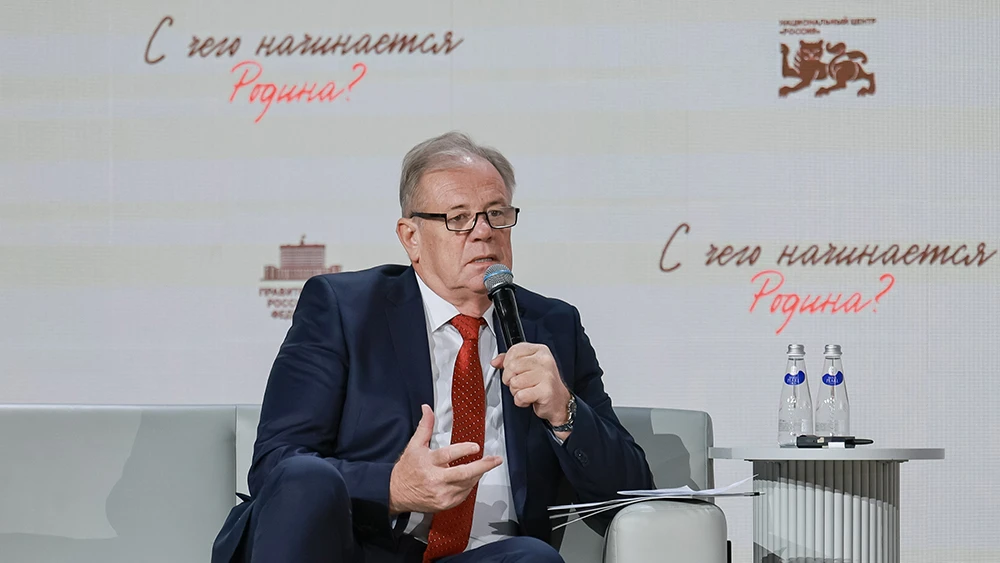
The importance of the industry, the training of engineers and the development of next-generation equipment were discussed at the National Centre RUSSIA during the "Motherland Is People" meeting dedicated to technological sovereignty.
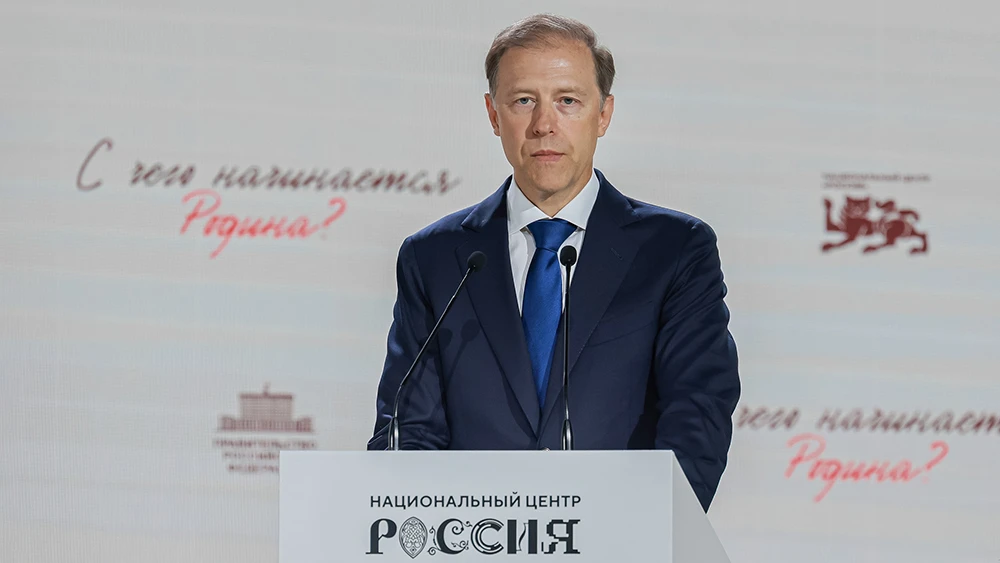
The event "Motherland Is People. Technological Sovereignty", was held at the National Centre RUSSIA.


