"Voice, Emotion and Trust": Young Journalists School explores the future of radio
Why
storytelling matters on air — and why silence is the worst thing that can
happen: participants of the Young Journalists School at the National Centre
RUSSIA explored these questions during a session titled "Working in Radio
and Creating Podcasts: Voice, Sound, Music, Atmosphere". The class was led
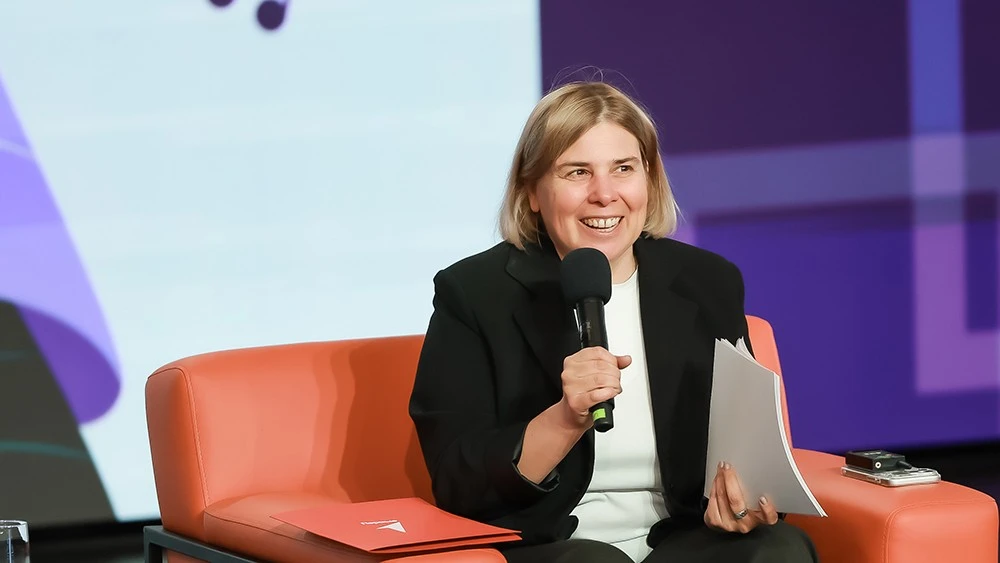
by Yelena Kunina, Head of the Media Communications Department at the Russian
Movement of Children and Youth Movement of the First. She spoke about how radio
has evolved — from wired kitchen receivers and the first commercial stations to
digital services and voice assistants.
"Radio
has always existed and will continue to exist. It is an emergency channel that
does not switch off when there is no electricity or internet. Radio is voice,
emotion, and trust. It is the most personal medium: you listen as if the
presenter is speaking directly to you," said Yelena Kunina.
The
students were shown how a typical hour of broadcasting is structured: music
segments, editorial features, advertising blocks, and presenter links.
Particular attention was given to storytelling: a presenter must capture the
listener’s attention within the first three seconds, quickly develop the topic,
and complete it within 20–30 seconds between songs. Conflict, the expert
explained, is an essential part of a strong show, as it generates emotion and
engagement, while silence on air is the main professional fear.
The expert
also noted that today artificial intelligence already helps compile playlists,
analyse audience preferences, and automate certain processes, but it cannot
replace a human presence on air. Listeners need emotion, personal perspective,
and the ability to tell stories.
For those
who want to try themselves on air, Yelena Kunina stressed the importance of
writing everything down — thoughts, links, and phrasing. She advised preparing
scripts in advance and practising intonation: first on paper, then recording
oneself to hear how it sounds and understand what works and what does not.
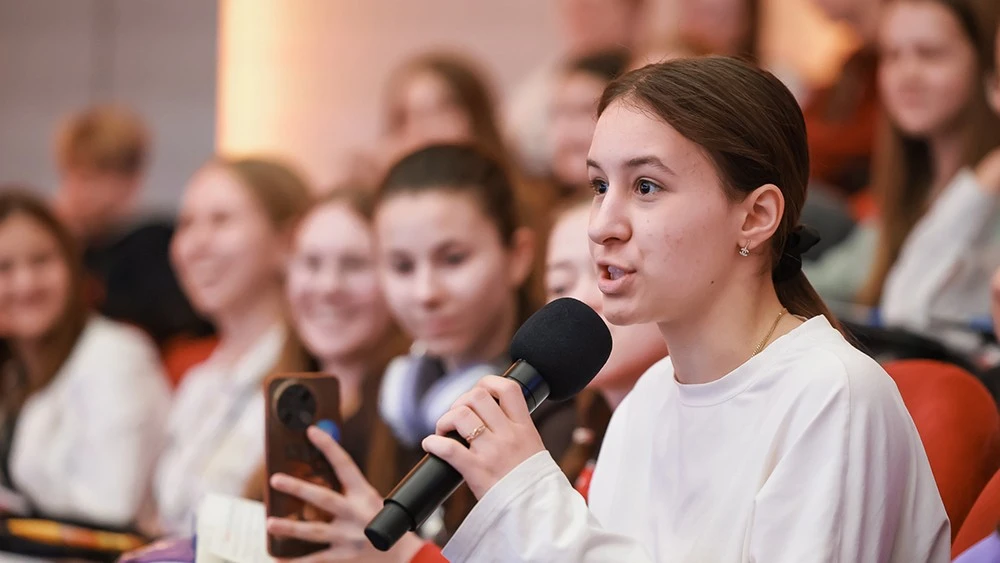
At the end
of the session, the students had the opportunity to ask questions. How can one
stay in a good mood on air? What exercises improve diction? What should you do
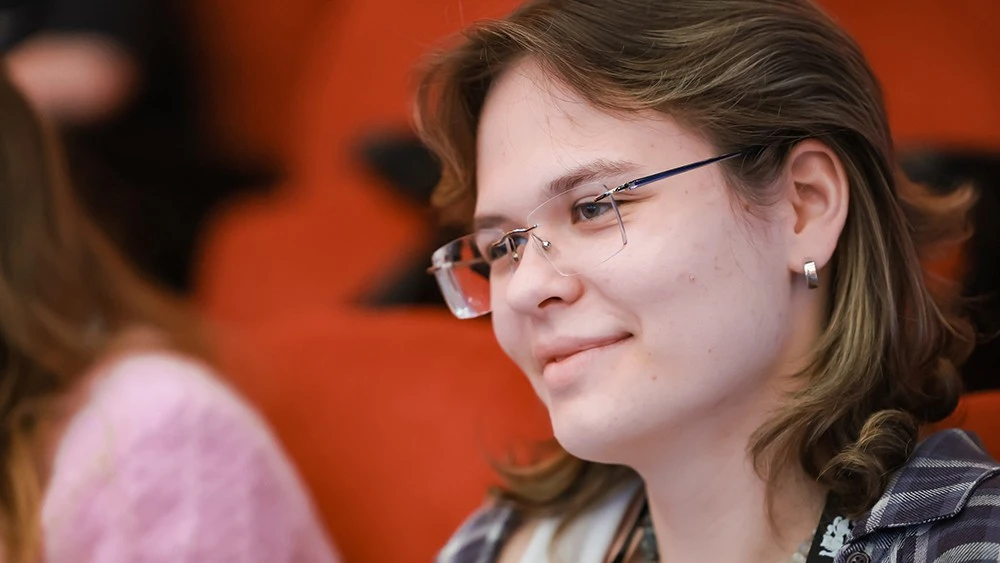
if you say something inappropriate? Anna Filimoshina asked which qualities
matter most for a radio presenter. The expert explained that without a broad
outlook, it is almost impossible to become a strong radio host.
"You
need to be an engaging conversationalist. If you have nothing to say, if you
cannot tell a story, you are worth nothing — no one will listen to you. Simply
saying 'good morning, here is the weather forecast' is a different part of the
industry. If you want to energise people, you need to be the spark,"
Yelena Kunina emphasised.
At the end
of the session, she invited the students to continue exploring radio at the
media studio of the National Centre RUSSIA. She promised to review all
submitted assignments, select the most interesting ones, and give their authors
the opportunity to record on air at "Class Radio".
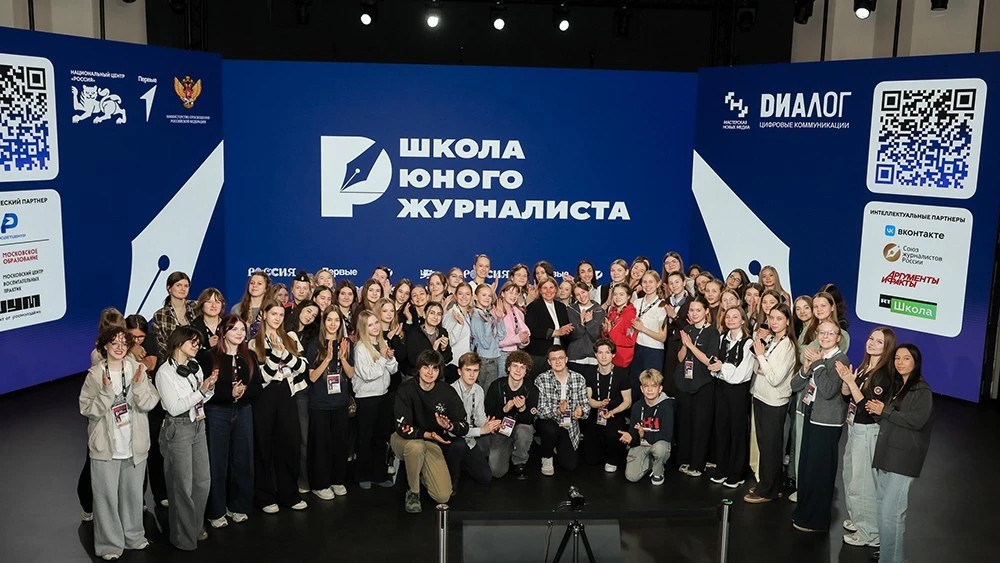
The Young
Journalists School project is organised by the National Centre RUSSIA and the
Movement of the First with the support of the Ministry of Education of the
Russian Federation. Programme partners include ANO "Dialogue" and the
New Media Workshop. The strategic partner is the Russian Children and Youth
Centre.
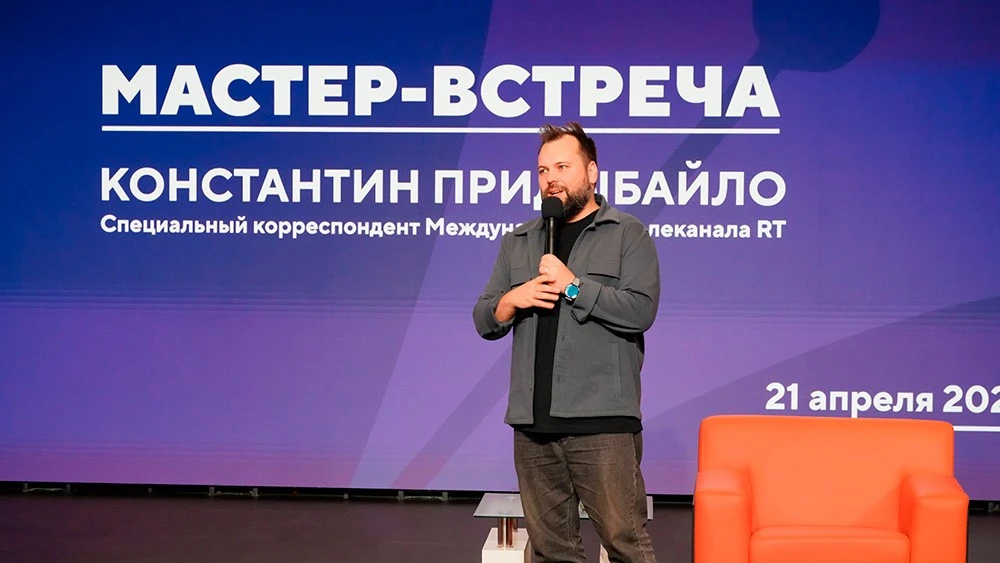
A master meeting with Konstantin Pridybaylo was held as part of the Young Journalists School project at the National Centre RUSSIA.
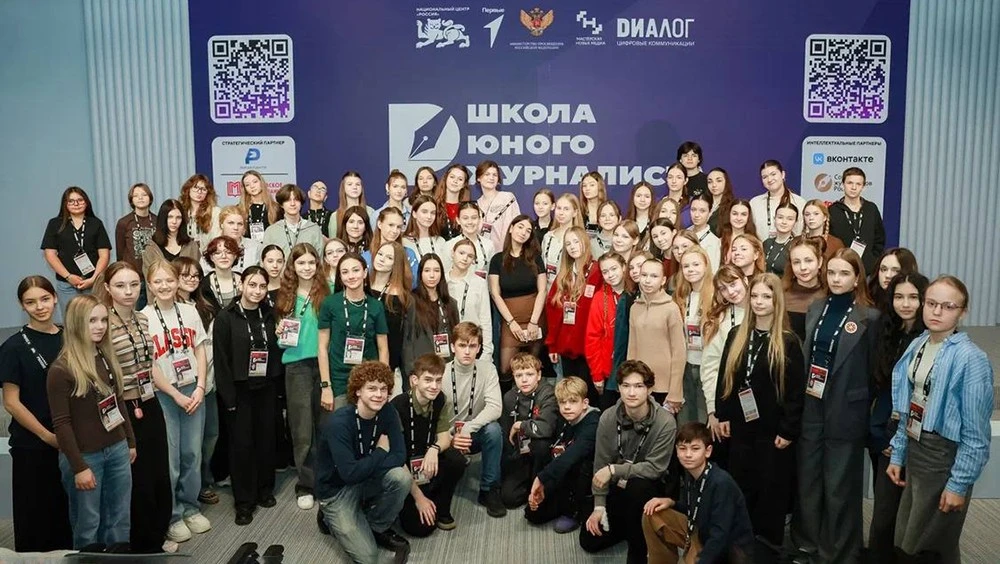
A session of the Young Journalists School dedicated to video editing was held at the National Centre RUSSIA.