


Guests at the National Centre RUSSIA learned "Where the Wind Comes from and Why It Blows"
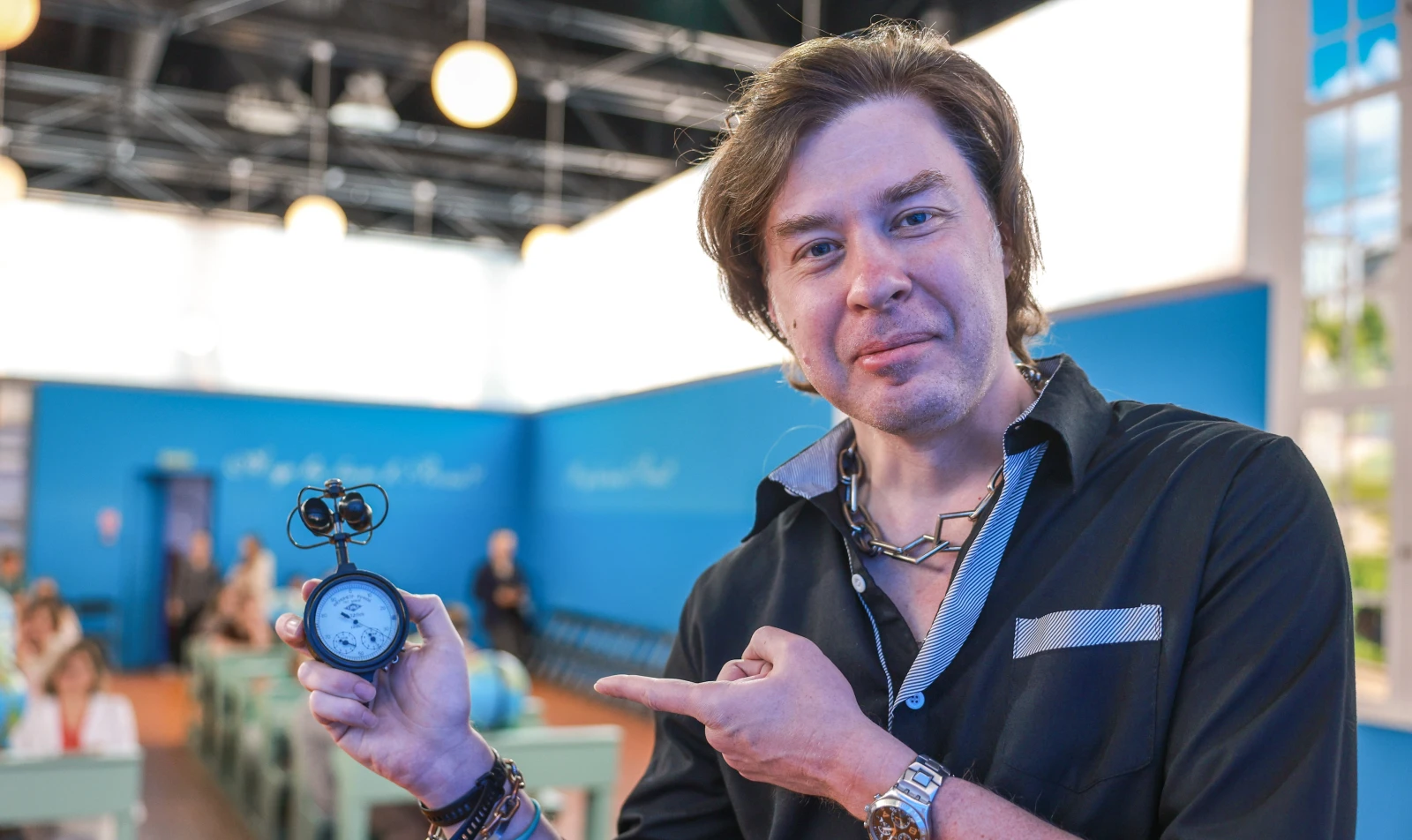
Why football matches are increasingly being interrupted because of thunderstorms, whether it is possible to "disperse" a cloud over a stadium and whether there is a way to stop a tornado were among the questions explored by guests of the National Centre RUSSIA at the lecture "Where the Wind Comes from and Why It Blows". The meeting, held as part of the original cultural and educational project "Exploring Russia", was led by Pavel Konstantinov, Candidate of Geographical Sciences, Associate Professor at the Department of Meteorology and Climatology of the Faculty of Geography at Lomonosov Moscow State University and a member of the Russian Geographical Society.
"Wind is a phenomenon we do not see but constantly feel. It can bring pleasant coolness in the heat and help us cope with stuffiness and noise, but at the same time it can also cause destruction. In winter, this means snowstorms that can bury cars; in summer, squalls and hurricanes. Our task is to understand where the wind comes from and why it blows and learn how to coexist with it properly," the scientist said.
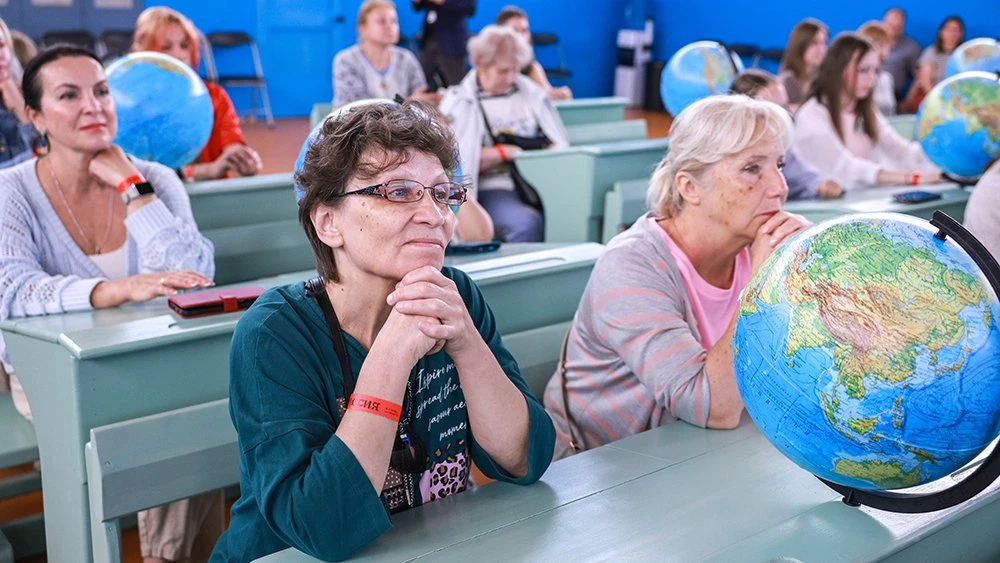
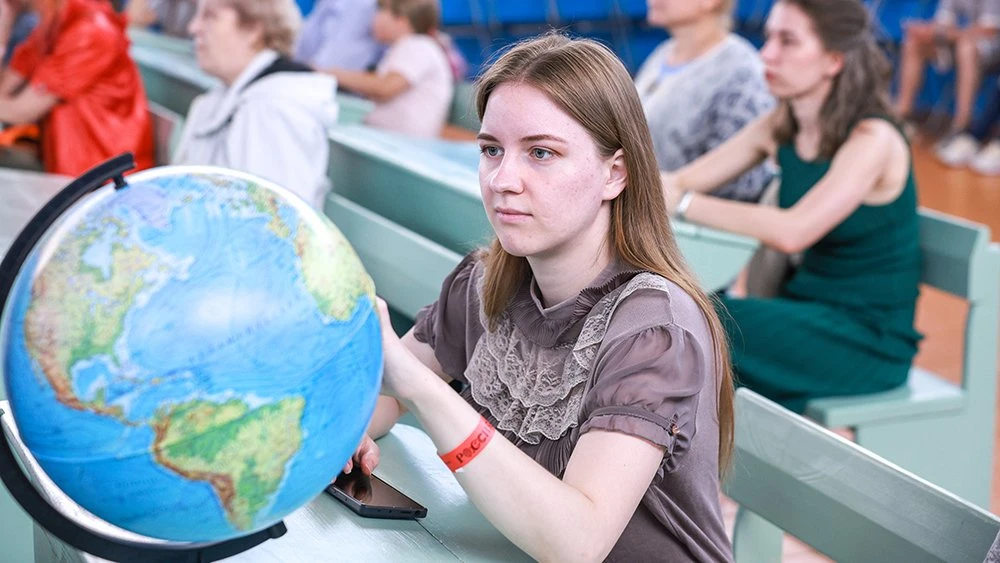
Through simple experiments, the expert showed how a person can "make wind" with their own hands, from an ordinary draught in a hall to a laboratory model of a sea breeze. Using the classic Torricelli experiment as an example, he explained where the value of "760 millimetres of mercury" came from and how pressure differences form global wind flows. Guests saw a visual animation of atmospheric circulation and learned which directions the wind most often blows from in Moscow in summer.
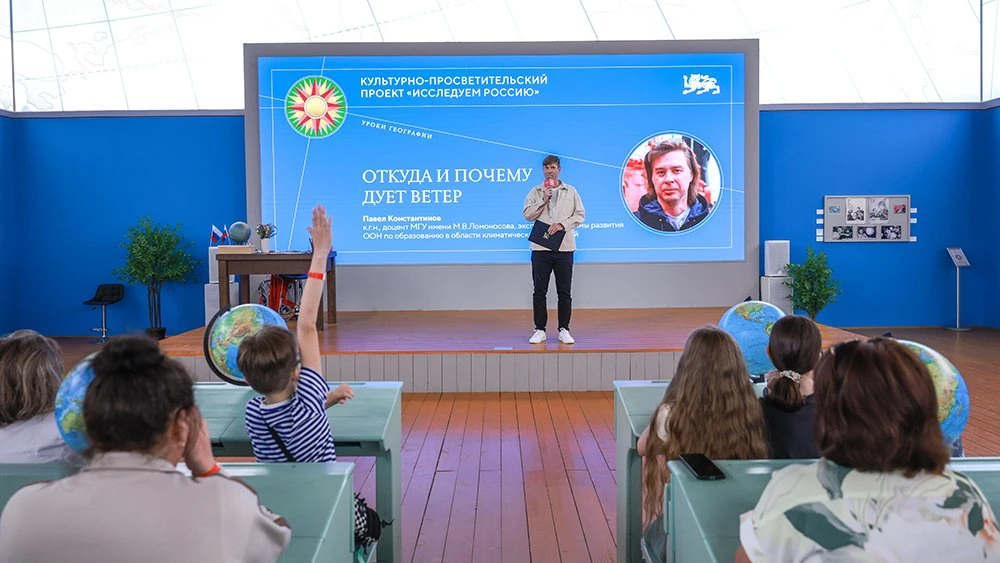
The expert then moved on to the most powerful wind phenomena: hurricanes, tropical cyclones and tornadoes. For tropical cyclones to form, the water temperature must be at least 26.5 degrees Celsius. That is why such phenomena arise over warm ocean areas and almost never form in Russian seas. However, for residents of the Far East, typhoons have long been part of climatic reality. According to Pavel Konstantinov, wind speeds in the most powerful hurricanes can exceed 300 kilometres per hour, comparable to a high-speed train. This is why the strength of such phenomena is assessed not only by wind speed but also by the scale of destruction.
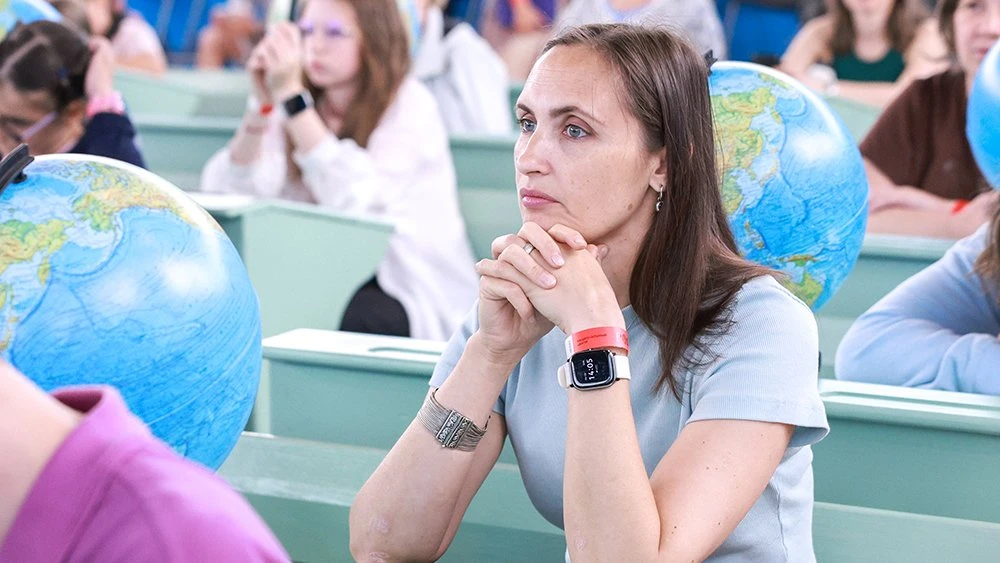
One example was the recent tornado in the Sverdlovsk Region. The vortex knocked down large areas of forest, damaged buildings and showed how dangerous such phenomena can be even far from ocean coasts. According to the expert’s assessment, the wind speed may have reached almost 200 kilometres per hour.
"For a long time, it was believed that the European part of Russia was too cold for tornadoes to form. But observations from recent decades show that this is not the case. What happened in the Sverdlovsk Region was a real tornado; many people are simply used to thinking that such phenomena occur only in America," Pavel Konstantinov noted.
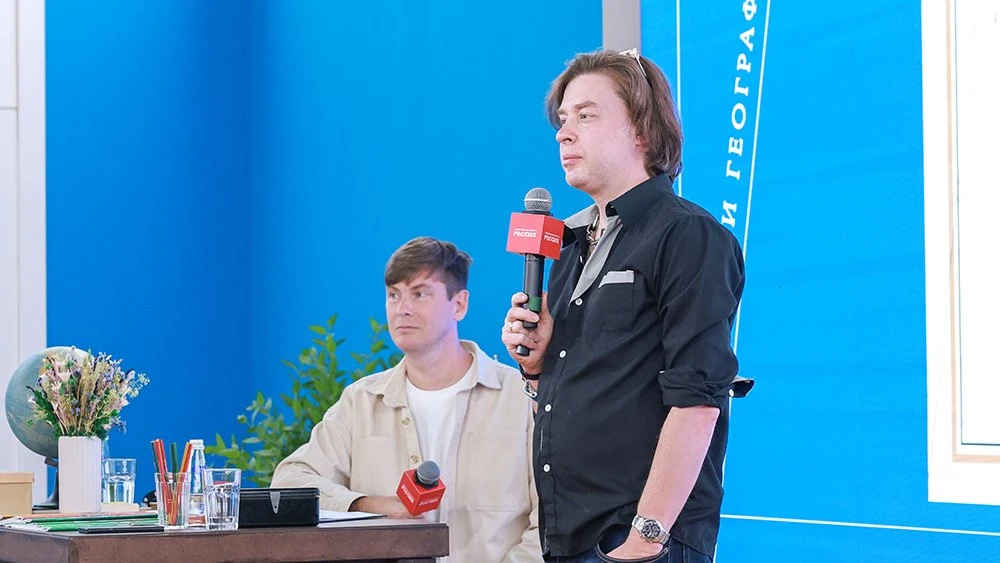
The lecturer reminded the audience that if a tornado does not appear to be moving either to the right or to the left, it means it is heading straight towards the observer. In such a situation, it is necessary to seek shelter immediately. The greatest danger comes not from the air currents themselves, but from flying debris and fragments. In a flat, it is therefore better to move away from windows, for example into the bathroom, while in a house, the safest option is to hide in the basement.
At the end of the lecture, Pavel Konstantinov answered questions, including one about holding football matches in the rain. According to the scientist, global statistics include more than a hundred cases of footballers being struck by lightning directly on the pitch. This is why modern regulations provide for matches to be suspended or postponed when there is a risk of a thunderstorm.
Guests were also interested in weather management technologies: whether it is possible to "disperse" a thundercloud over a stadium and use similar methods against tornadoes. The scientist explained that modern technologies make it possible, in some cases, to influence small cloud systems and reduce the likelihood of precipitation during major events. However, this approach does not yet work with powerful storm fronts, let alone hurricanes and tornadoes.
"This is not a local rain cloud that can be induced to precipitate. A tornado is a giant atmospheric system, and it is impossible to destroy it with modern means. Perhaps in 20 or 30 years, technologies will emerge that make it possible at least to weaken such phenomena or change their trajectory, but for now this is a matter for the future," Pavel Konstantinov concluded.
The original cultural and educational project "Exploring Russia" was launched at the National Centre RUSSIA in April. It is timed to coincide with the "Geography Lessons" exposition and introduces guests to the natural features of our country, modern scientific research and amazing phenomena of the world around us.
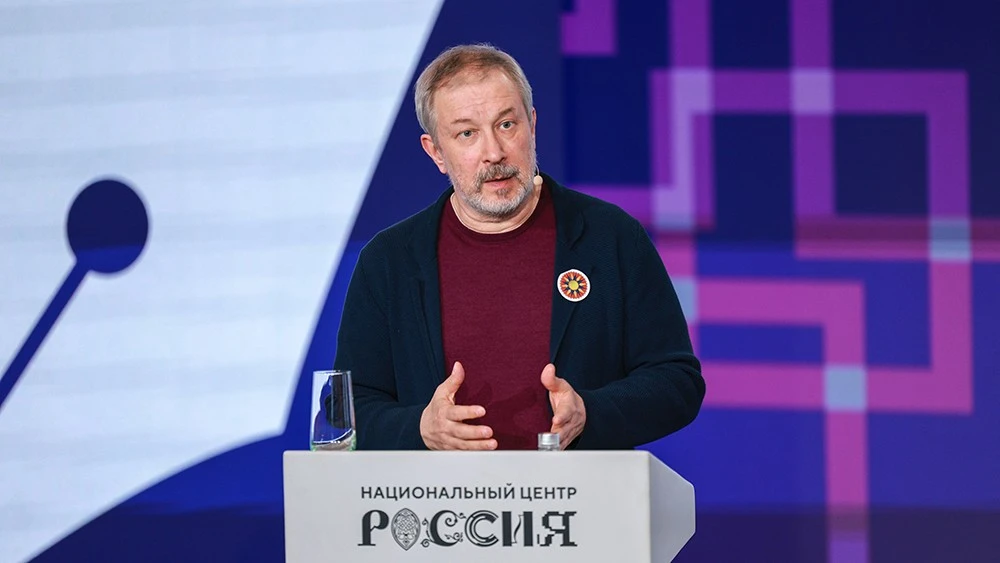
Sharp questions, stepping out of one’s comfort zone and, at the same time, mutual interest — this is how Alexei Chesnakov, Professor at HSE University, described the relationship between a politician and a journalist.
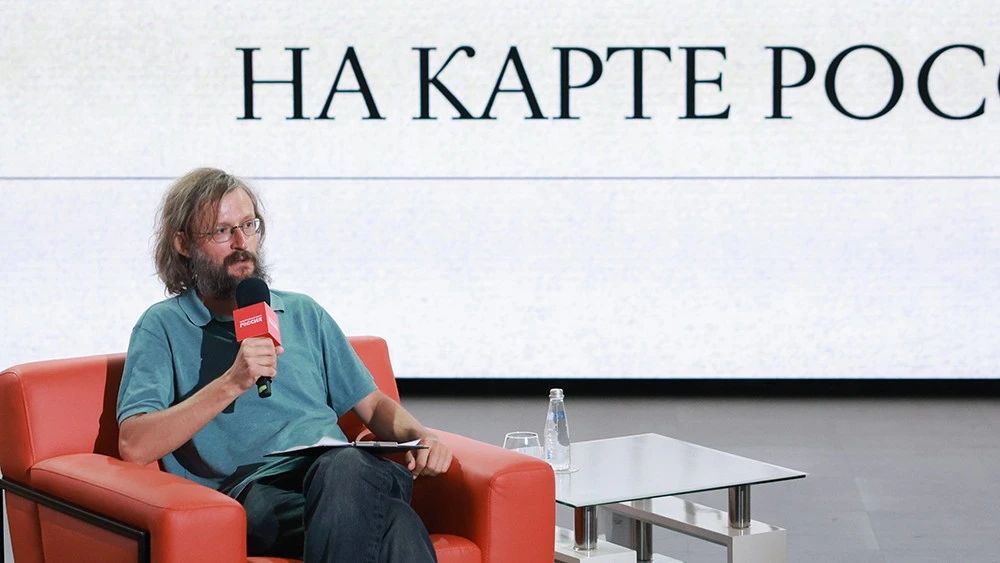
The expert began by saying that before the emergence of sapiens, as archaeological finds show, the lives of our ancestors were extremely pragmatic.


