


Guests at the National Centre RUSSIA discover the secret of Russian tea drinking
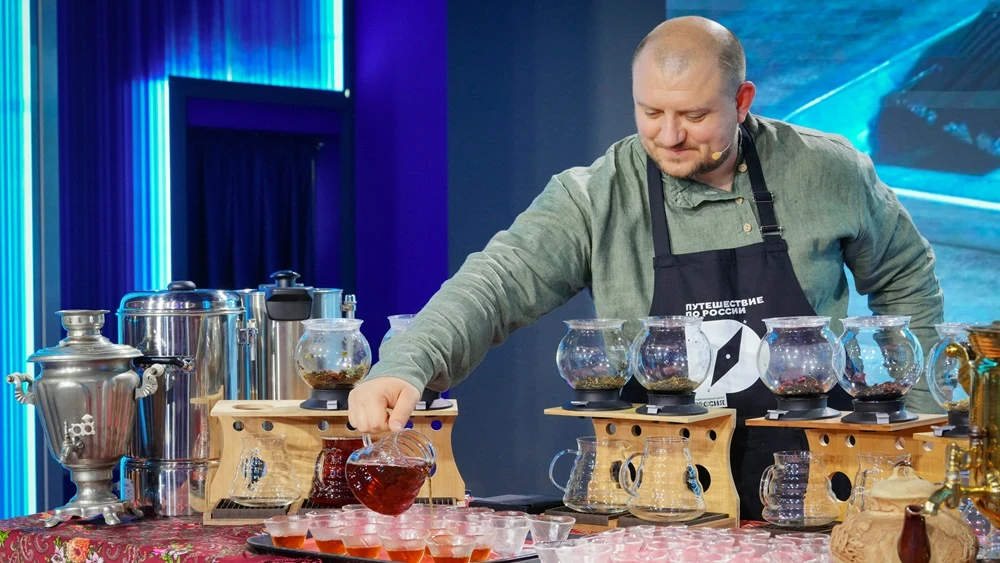
Tea is a drink steeped in history, with flavour, aroma and traditions that create a special atmosphere. The right dessert pairing can reveal an unexpected side to it. Guests at the National Centre RUSSIA discovered how to find the perfect pairing for a tea blend, how a berry infusion differs from Chinese Dian Hong and what secrets Russian tea drinking holds during the workshop "Tea Festival. Russian Tea Drinking" at the Gastronomic Rows.
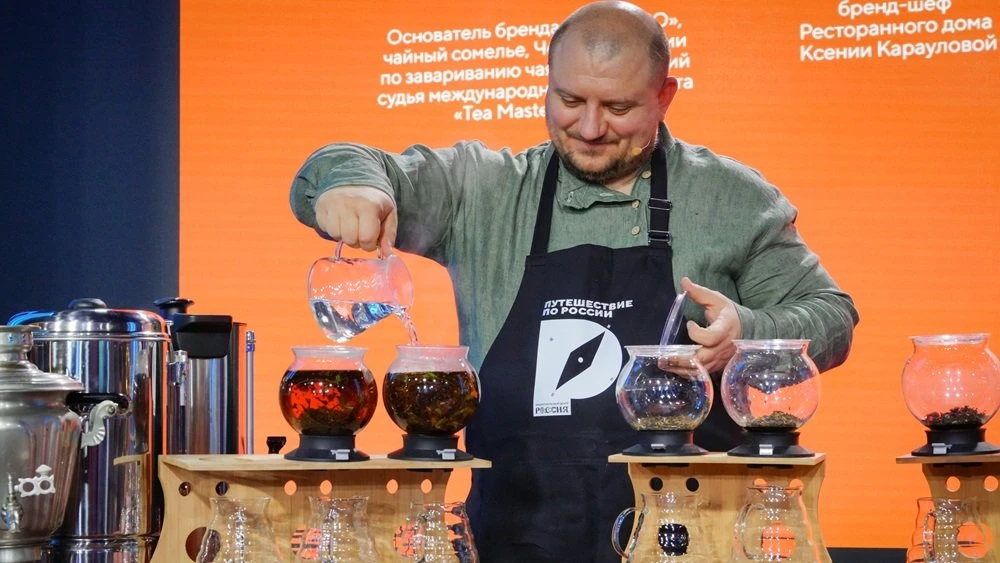
"Tea culture in Russia developed over several centuries. Before the tea we know today became widespread, people in Rus drank herbal infusions and blends. The tea we use today comes from Camellia sinensis. This single plant produces black, green, oolong, white and yellow tea. The differences lie in how the tea leaves are processed, which affects the colour, aroma and flavour of the drink," said Nikolai Sushko, founder of SUSH&CO, tea sommelier, Russian tea brewing champion and current judge at the international Tea Masters Cup championship.
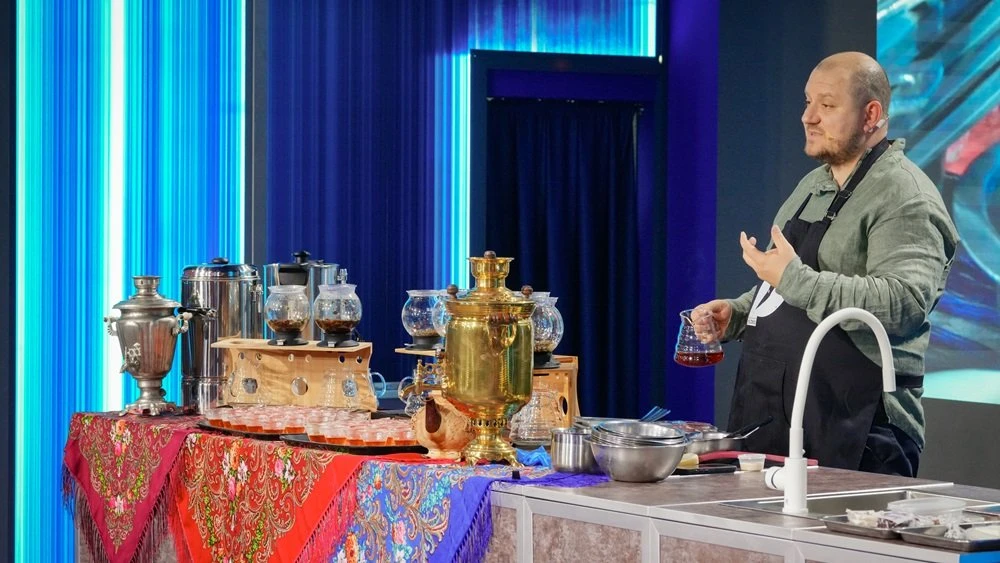
The practical part of the workshop focused on pairing tea with pastries and desserts. Several pairings were presented for tasting: guests were invited to try a taiga blend with thyme, mint and juniper alongside an apple pie. Caramelisation brings out the apple and cinnamon flavours in the pastry, while the tea's herbal and coniferous notes complement the dessert's aroma. Thyme reinforces the spicy notes, mint adds freshness, and juniper lends a distinctive woodland character.

The programme also featured "Dian Hong" tea paired with honey cake, Caucasian tea with "Prague" chocolate cake, and "Minty Raspberry" tea with the dessert "Bird's Milk". The pairings were chosen with the character of both the drink and the dessert in mind: honey and caramel notes complement one another, a full-bodied tea brings out the flavour of chocolate, and mint and raspberry create a contrast between freshness and sweetness.

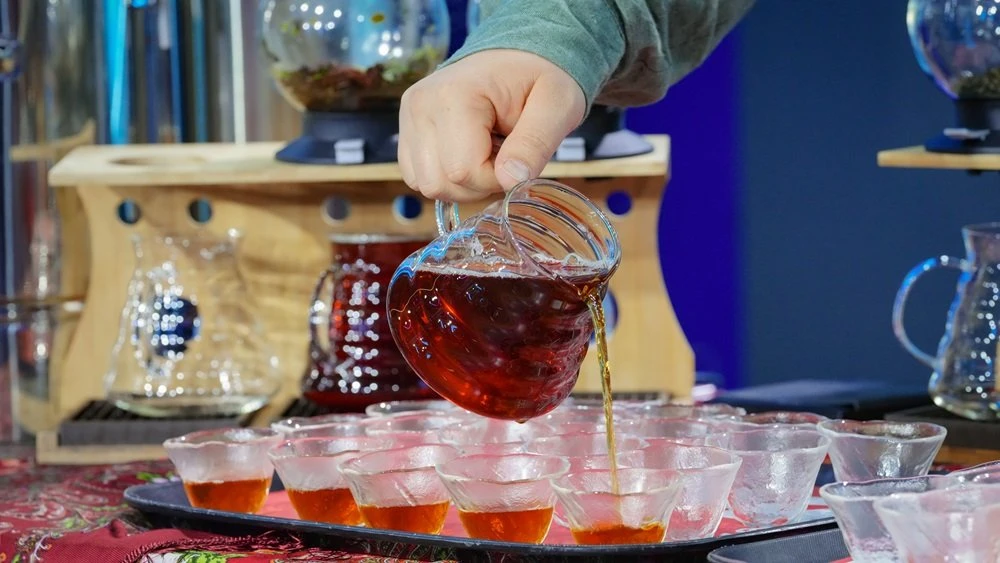
Nikolai Sushko explained that a full tasting experience depends not only on matching the drink to the dessert but also on tasting it properly. Tea was served in small portions of approximately 20–30 grams. This allows it to cool slightly, avoiding scalding the taste buds and making its main flavour notes easier to distinguish. After each sip, the tea master recommended paying attention to the aftertaste and the aroma remaining in the cup. He said the shape of the tasting vessels also helps reveal the drink's qualities: after drinking the tea, guests can smell the cup to detect the aroma that emerges as the tea leaves dry.
Andrei Salnikov, Brand Chef at Ksenia Karaulova's Restaurant House, explained the desserts the guests were tasting in greater detail and shared his approach to cooking: "I like simple cooking that produces a quality dish through technique and the way an ingredient is prepared. The details matter a great deal. I wouldn't recommend overcomplicating things. Just use quality ingredients."
As an example, the chef presented his signature apple millefeuille recipe. The apples should be thinly sliced and peeled beforehand if desired. Pour prepared sugar caramel into a baking tin, arrange the apples in layers and place it in the oven. Cooking time depends on the quantity and variety of apples, the baking tin and the oven, so check whether the dessert is done: if a skewer slides through easily, it can be taken out. The finished millefeuille should be turned out so that the caramel is on top. It is best served hot with a scoop of ice cream to enjoy the contrast in flavours, textures and temperatures.
Guests said the workshop "Tea Festival. Russian Tea Drinking" had revealed a new side to a familiar drink. Svetlana Korelova admitted that she had previously preferred coffee, but the raspberry and mint combination had won her over: "You know, I think I'll switch to this particular tea now. It's time to give my body some vitamins. It's wonderful that events like this are held here — they are absolutely essential for their benefits and educational value. And, of course, they're a real pleasure."
Another guest, Viktoria Khairulina, highlighted the workshop's practical value: she learnt how to brew different teas at the correct temperatures and discovered new flavours in her favourite drink. Tatyana Bibikova was particularly impressed by the desserts.
"The desserts are incredibly delicious — choosing just one is absolutely impossible. All the pairings are wonderful. I came with friends, and our whole group is absolutely delighted with the event," the guest concluded.
The workshop showed how a few simple rules can turn an ordinary cup of tea into a magical autumn ritual. It is a wonderful reason to gather around the table and spend time with loved ones.
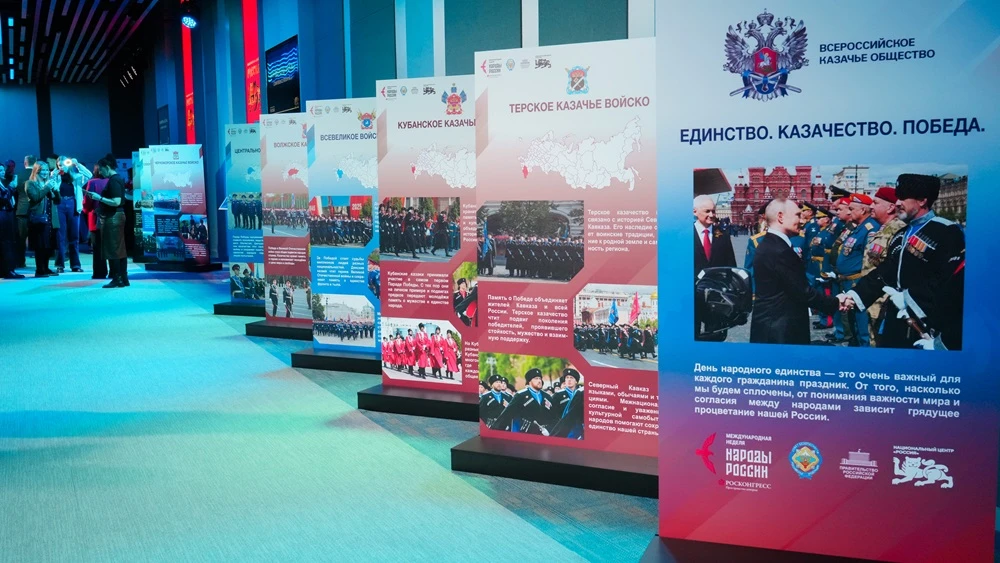
Each exposition shows in its own way how the unity of the peoples of Russia is built through the personal contributions of individuals.

The event formed part of International Week "Peoples of Russia".