


Homo sapiens or Homo technologicus: how neurointerfaces are changing the limits of the human
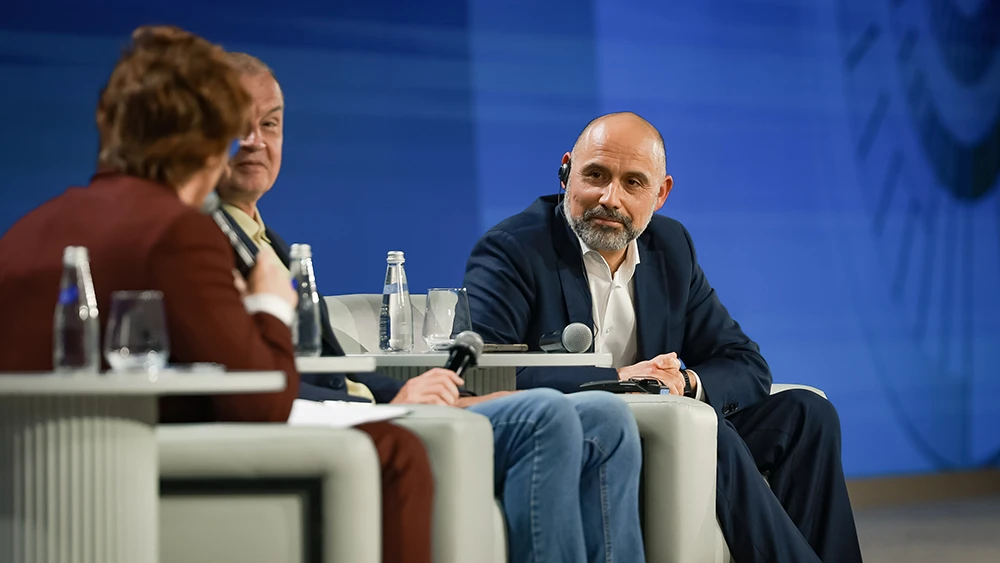
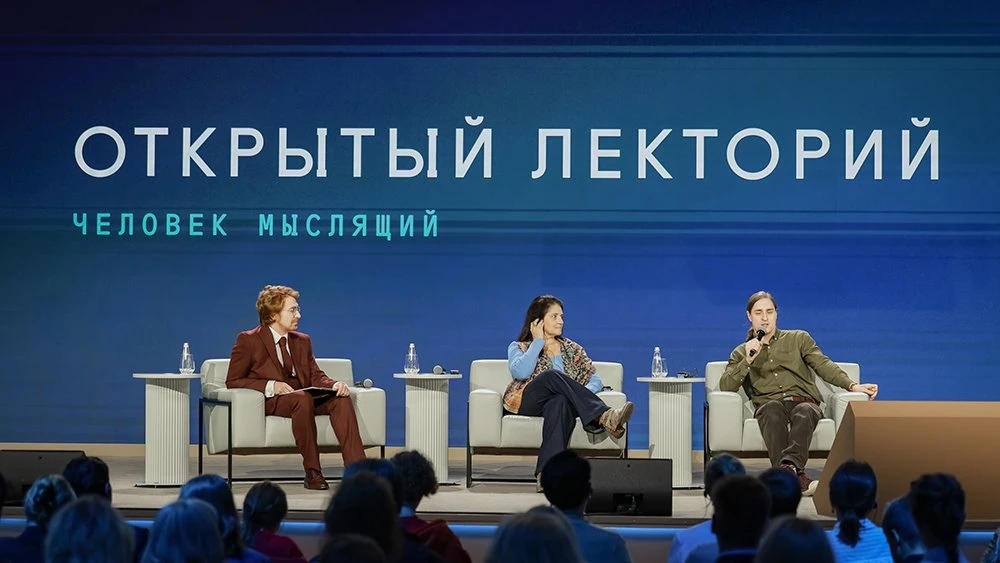
Neurointerfaces are already helping people who have lost the ability to move control a cursor on a screen and generate speech, and in the future they may make it possible to transmit visual sensations to people who are blind. At the same time, the development of technologies capable of reading signals from the brain and influencing it raises questions about the ethical limits of intervention, neurorights and the protection of a person's inner world. These issues were discussed by Romulo Fuentes Flores, Professor in the Department of Neuroscience at the Faculty of Medicine of the University of Chile, and Mikhail Lebedev, Professor at the Faculty of Mechanics and Mathematics of Lomonosov Moscow State University, during the "Homo Sapiens or Homo Technologicus" session of the Open Lecture Hall "Inventing the Future: Limits of the Human" at the National Centre RUSSIA.
Romulo Fuentes Flores, Professor in the Department of Neuroscience at the Faculty of Medicine of the University of Chile, became the first author of a study on spinal cord stimulation that restored walking in animal models of Parkinson's disease while working in the laboratory of renowned neuroscientist Miguel Nicolelis at Duke University. In 2018, the scientist took part in configuring a stimulator for the first patient with the disease in Chile, helping to produce a marked improvement in the patient's walking.
During the session, the expert suggested viewing technology as an integral part of human evolution. According to him, the earliest known technologies were created more than three million years ago, while around two million years ago human ancestors learned to use fire — even before Homo sapiens appeared in its modern form. These discoveries, the speaker noted, largely shaped human development and our understanding of the world.
"Speaking about the title of our session, we already are Homo Technologicus — a species that depends to a large extent on modern technology. Neurotechnology can be divided into two areas: we can read electrical signals from brain activity and we can provide feedback to the brain through electrical stimulation. Modern technologies and tools make it possible to achieve a great deal: there are devices that enable people who have lost the ability to walk to do so again — exoskeletons and other medical devices," noted Fuentes Flores.
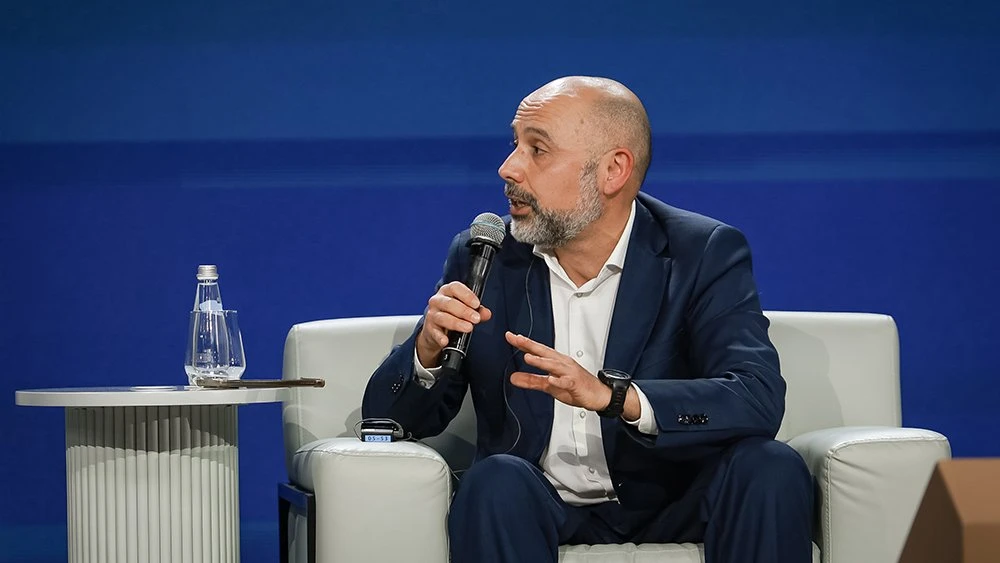
The expert spoke about developments that make it possible to transmit visual information directly to the brains of people with visual impairments, as well as to control modern prostheses. He noted that in the future, neurotechnology may change the way people communicate: from communication between two brains to connecting a larger number of participants into a single system for exchanging signals.
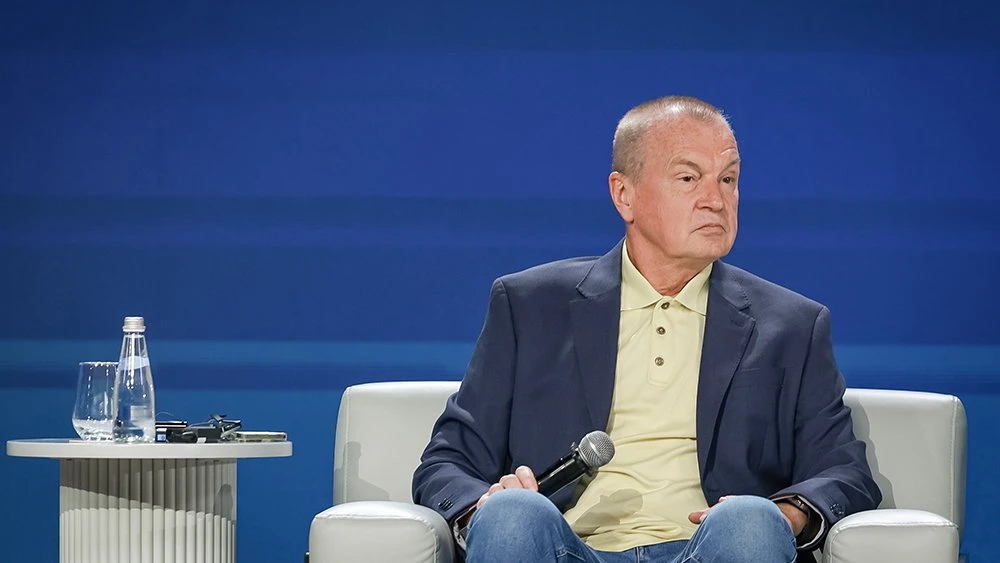
The discussion continued with Mikhail Lebedev, Professor at the Faculty of Mechanics and Mathematics of Lomonosov Moscow State University, Chief Research Fellow and Head of the Neurotechnology Laboratory at the Sechenov Institute of Evolutionary Physiology and Biochemistry of the Russian Academy of Sciences. He was the driving force behind a project in which scientists connected a rat's brain to artificial intelligence. Neurointerfaces that allow blind people to experience visual sensations could be demonstrated within the next two to five years.
"Whether we want it or not, neurotechnologies are becoming increasingly invasive: today, electrodes are being implanted into patients' brains, and in the future similar solutions may also attract healthy people. The brain is a highly delicate system, a complex network of neurons and electrical and chemical connections, and technology already allows us to read information from it," the expert said.
According to the scientist, this field has been developing for a long time: the first implants began to be used several decades ago, while research recording the activity of large numbers of neurons has gradually brought the technology closer to human use. Today, companies implant electrodes in patients for medical reasons, enabling them, for example, to control a cursor on a screen or generate speech when they have lost the ability to speak.
According to him, such technologies can be used to influence the brain's reward centres, transmit signals between the brains of animals and even control their movements. He also recalled an experiment in which a rat fitted with an infrared sensor and an implanted stimulator learned to navigate using infrared light.
"We are entering the age of artificial intelligence: it can already act as an intermediary between the outside world and the brain. However, boundless optimism is inappropriate here — neurotechnology must be approached with great caution. If we are capable of suppressing severe depression through electrical stimulation, we must simultaneously ask ourselves about the ethical basis for such intervention. It is already important to understand what consequences these technologies may have and how their development should be regulated so that it benefits people," the speaker said.
The Open Lecture Hall "Inventing the Future" is an original project of the National Centre RUSSIA in which Russian and international experts discuss positive scenarios for the future.
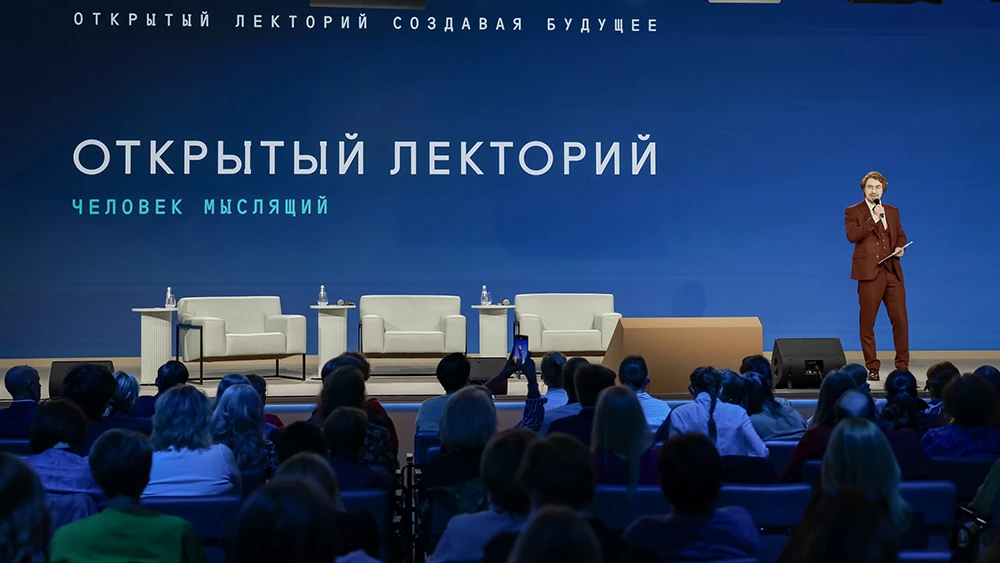
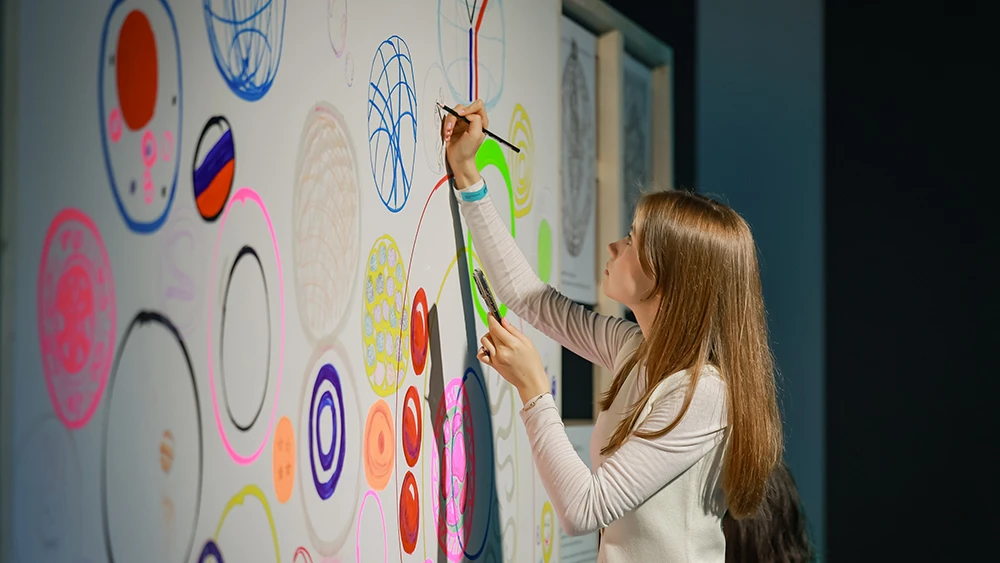
The interactive installation "Once Upon a Time, Giotto..." opened on 26 September in the business area of the National Centre RUSSIA as part of the Open Lecture Hall "Inventing the Future: Limits of the Human".
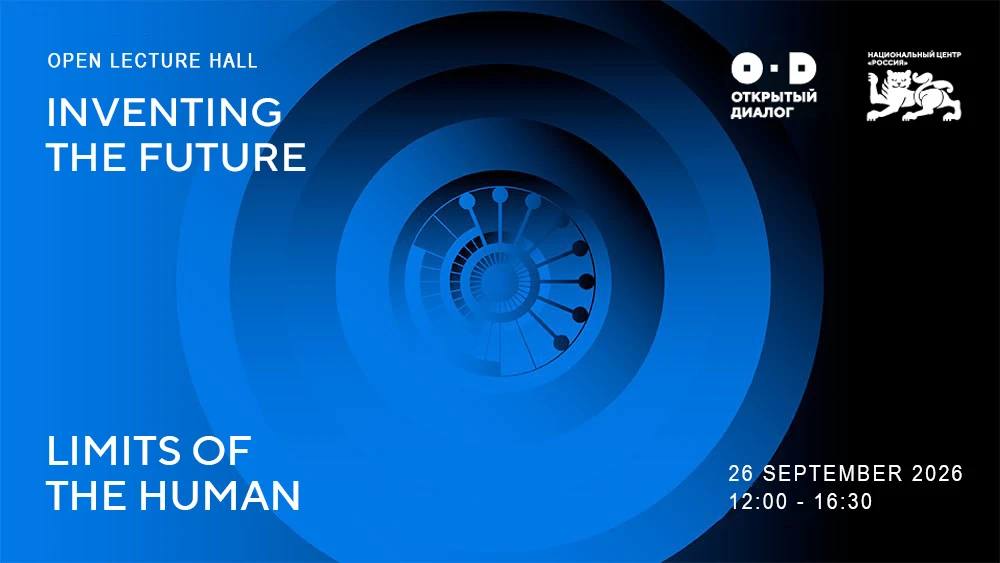
Participants can look forward to a packed day: three thematic blocks, leading experts from different countries, and an interactive illusionist show.


