


AI in space: acceptable uses and limits for algorithms discussed at the National Centre RUSSIA
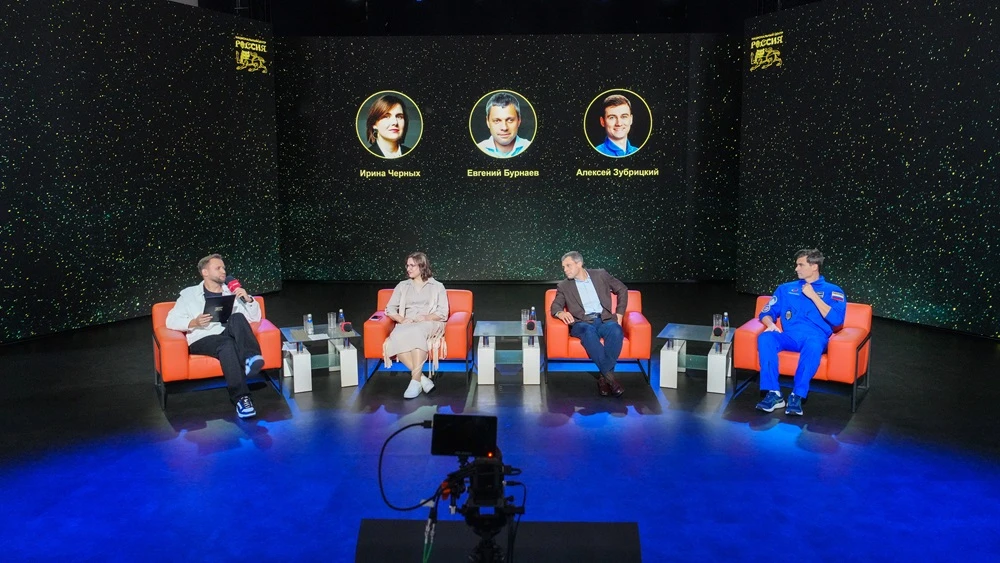
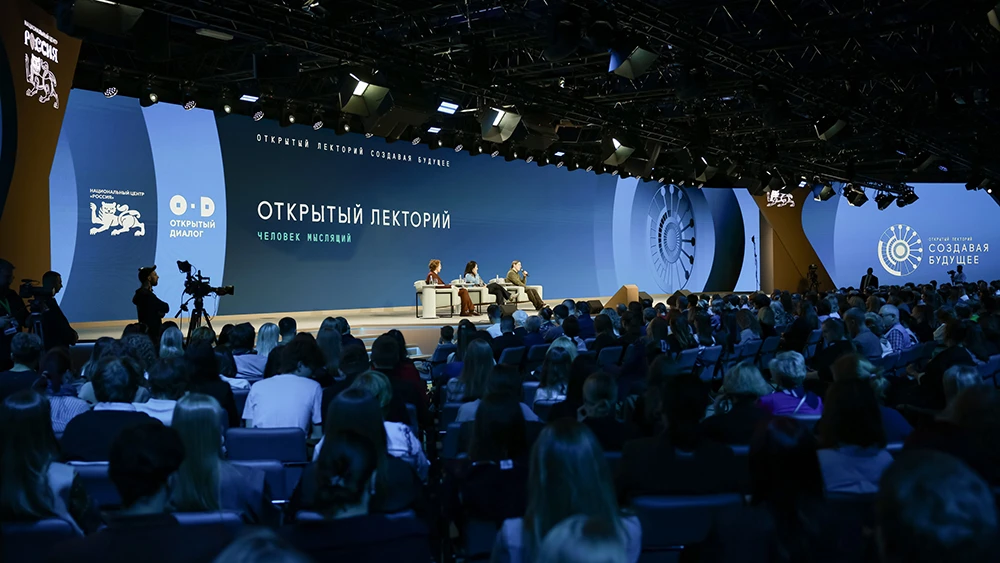
Artificial intelligence already helps process large volumes of data and manage complex processes, but in space missions the question of how much autonomy it should be given is particularly important. Which decisions can be entrusted to autonomous systems on a lunar base or an interplanetary spacecraft, where human control should be retained, and who is responsible for an algorithm's mistake — these issues were discussed by participants in the Open Lecture Hall "AI and Its Role in Space Exploration" at the National Centre RUSSIA on 27 September.
The event was hosted and moderated by producer and space exploration populariser Pavel Bugrov. The experts were Yevgeny Burnayev, Director of the Skoltech Artificial Intelligence Centre; Alexei Zubritsky, pilot-cosmonaut and Hero of Russia; and Irina Chernykh, a member of the International Institute of Space Law.
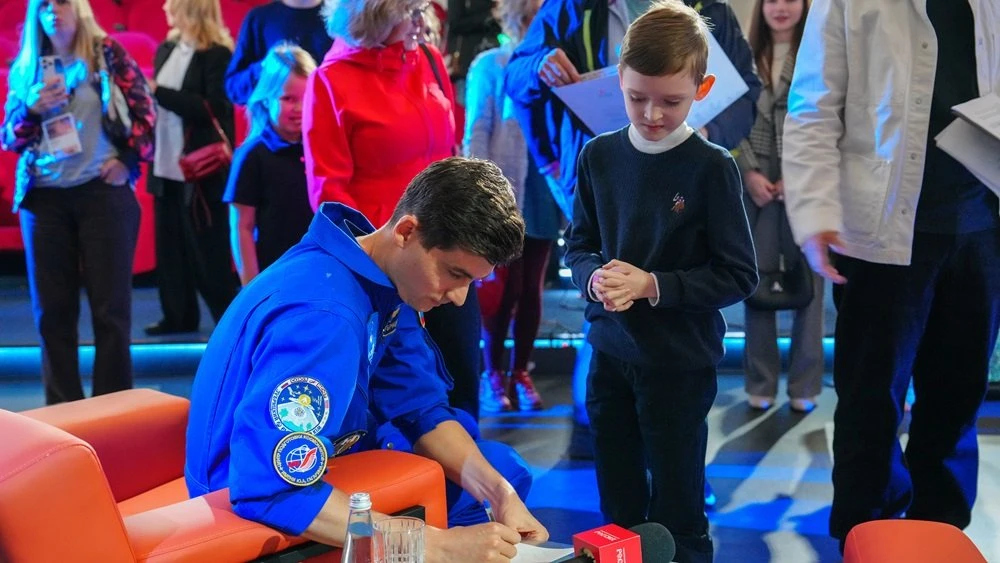
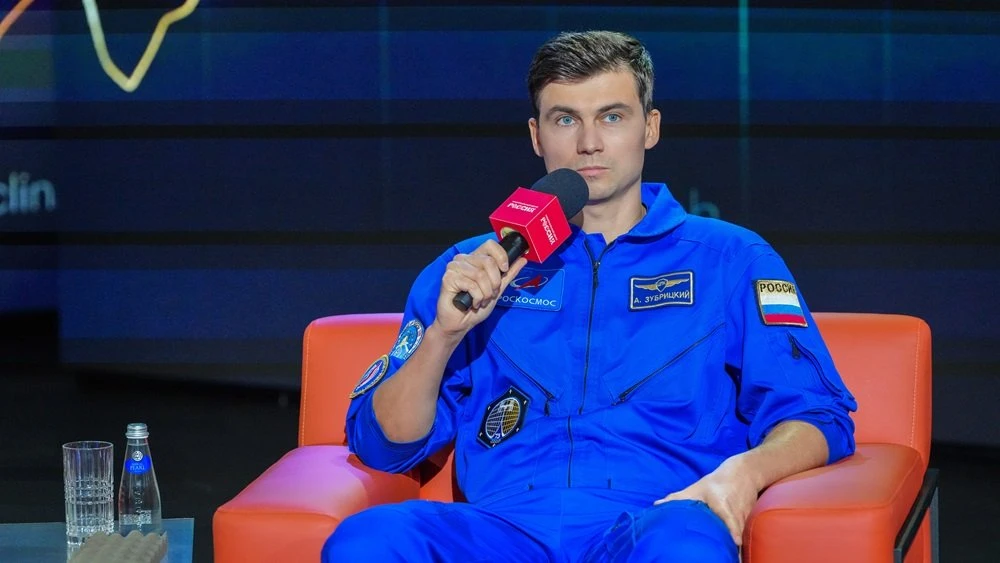
Roscosmos test cosmonaut and Hero of Russia Alexei Zubritsky emphasised the importance of human experience and the ability to assess unusual circumstances and make decisions with limited time and incomplete information. He explained how decisions are made during an orbital mission.
"When an emergency or abnormal situation occurs, the crew acts in coordination under the leadership of the spacecraft or station commander. Ground control can take a direct part in resolving the situation: it can operate systems, advise on the steps that need to be taken and issue some commands. However, the final decision on further action remains with the crew and the commander. Responsibility still lies with the human: being on board, they have a fuller picture of what is happening and can analyse the situation," the cosmonaut said.
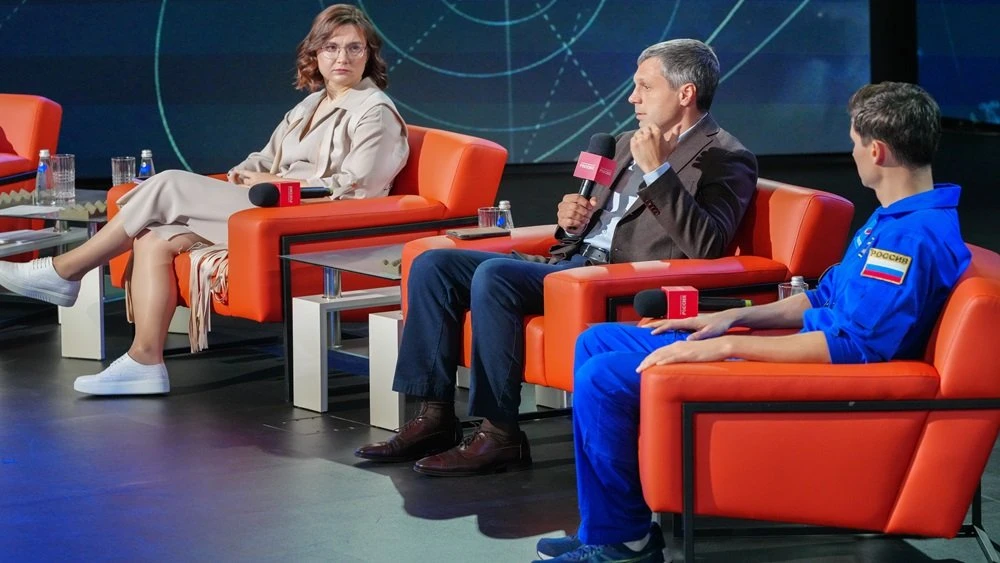
Yevgeny Burnayev, Vice-President for Artificial Intelligence Development and Director of the Skoltech Artificial Intelligence Centre, in turn noted that AI analyses streams of data from numerous sensors on spacecraft and ground stations faster than a human can. At the same time, the use of such systems requires their reliability to be verified, clear control procedures to be established and limits to be defined in advance.
"If a decision can be reversed quickly, it is clear who is responsible for it, and the task and context are clearly defined, AI can be used autonomously. But if even one of these conditions is not met, human involvement and responsibility are necessary. At the same time, in tasks that are not a matter of life and death and where the constraints are clearly defined, AI can optimise processes much faster than a human," the expert emphasised.
According to Yevgeny Burnayev, the possibility of autonomous AI operation should be assessed with regard to the specific task and the risks associated with it. As an example, he described a situation in which an attacker tries to smash the window of a driverless taxi while the vehicle remains stationary, following its programmed rules. A driver in such circumstances could depart from the rules to protect the passengers. Therefore, the expert noted, when delegating authority to AI, it is important to take into account not only predefined algorithms but also the ability to respond to unforeseen circumstances.
Particular attention was paid to the legal regulation of AI use in space. Irina Chernykh, Head of the G.P. Zhukov Centre for International Space Law at Patrice Lumumba Peoples' Friendship University of Russia, Candidate of Sciences in Law, Associate Professor and member of the International Institute of Space Law, emphasised that there are currently no rules establishing liability for artificial intelligence itself. At the same time, there are recommendations for states implementing space programmes, based on a number of principles, including a human-centred approach to the development and use of AI.
"At present, artificial intelligence is not a subject of law, although this issue remains a matter of debate in the academic community. If something goes wrong during a space mission, it is necessary to establish at what stage the failure occurred and, on that basis, determine who can be held liable and on what grounds. Under international space law, responsibility rests with states. If we are dealing with a multinational crew or an international station project, it is necessary to determine which part of the activity each participant is responsible for. Law helps define the boundaries of authority between humans and artificial intelligence: it should not merely impose restrictions, but establish clear rules and determine the consequences of particular actions in advance," the expert said.
She also noted that any such situation should be assessed on the basis of the fundamental provisions of the 1967 Outer Space Treaty. These include providing all possible assistance to astronauts as envoys of humankind in outer space, the international responsibility of states for national space activities, and the peaceful use of outer space. According to the expert, national regulation should be structured so that potential risks are taken into account when missions are prepared and conducted.
The participants considered examples in which an autonomous system needs to act quickly while opportunities to communicate with Earth are limited. The discussion showed that the question of trust in AI cannot be reduced to a choice between full automation and full manual control: each system requires its own rules for allocating authority.

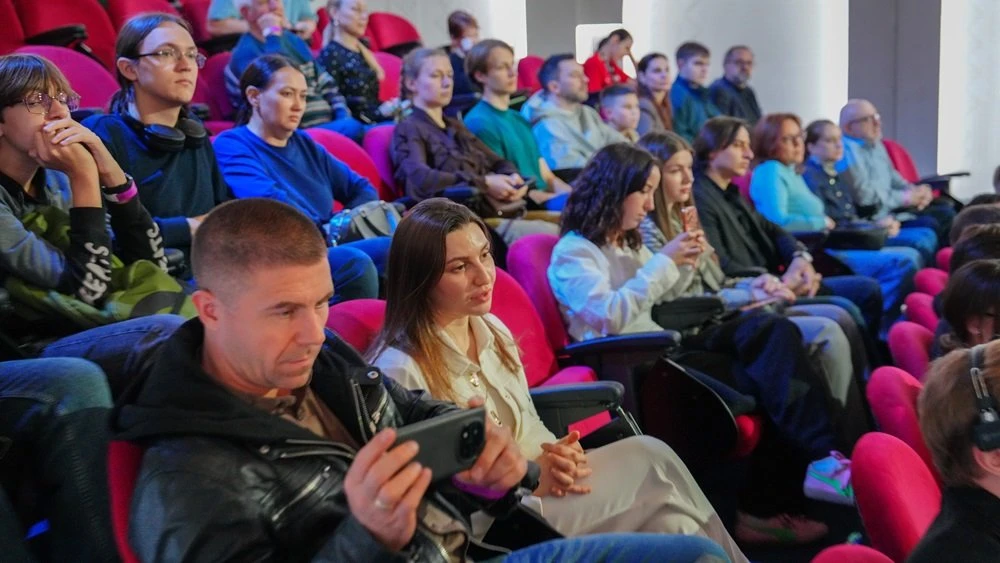
The Open Lecture Hall was held in an interactive format: members of the audience voted on the possible level of AI authority in critical space infrastructure systems, analysed emergency scenarios and, as part of a business game, determined areas of responsibility for humans and algorithms. The discussion focused on the management of power supplies, oxygen reserves, airlocks, robots and medical care.
The final vote made it possible to compare the audience's initial and final views on the level of trust that should be placed in AI within critical space mission infrastructure. Ultimately, both the experts and the audience concluded that artificial intelligence can be used in space exploration to automate and accelerate routine processes. In emergencies, however, a human must always become involved: responsibility for key decisions remains with people.
The Open Lecture Hall was organised by the National Centre RUSSIA with the support of Titan Partners.
The experts discussed how the digital environment is changing the way people consume information, why it is important to maintain the ability to concentrate.
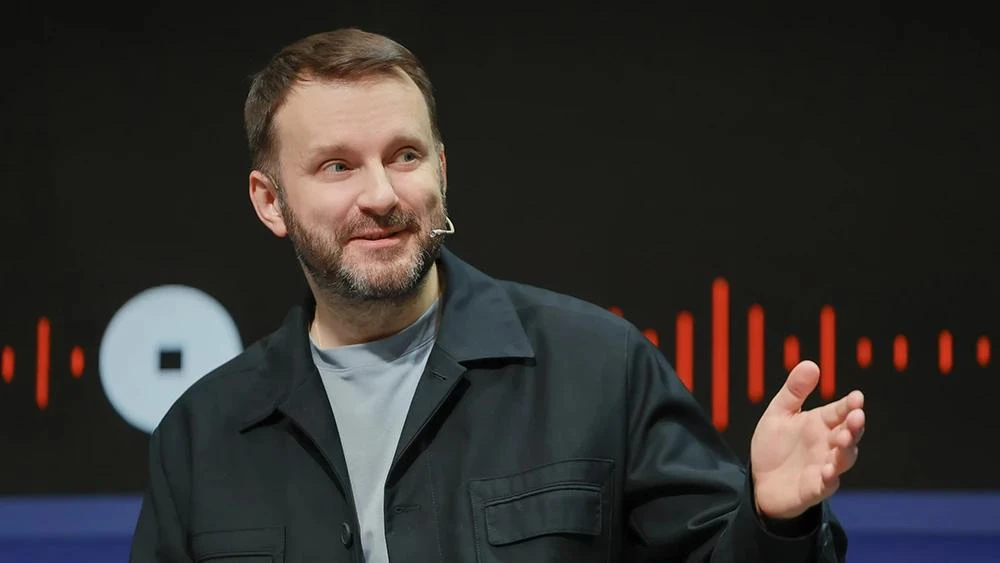
The talk was held in Yekaterinburg as part of the International Festival of Youth — 2026.
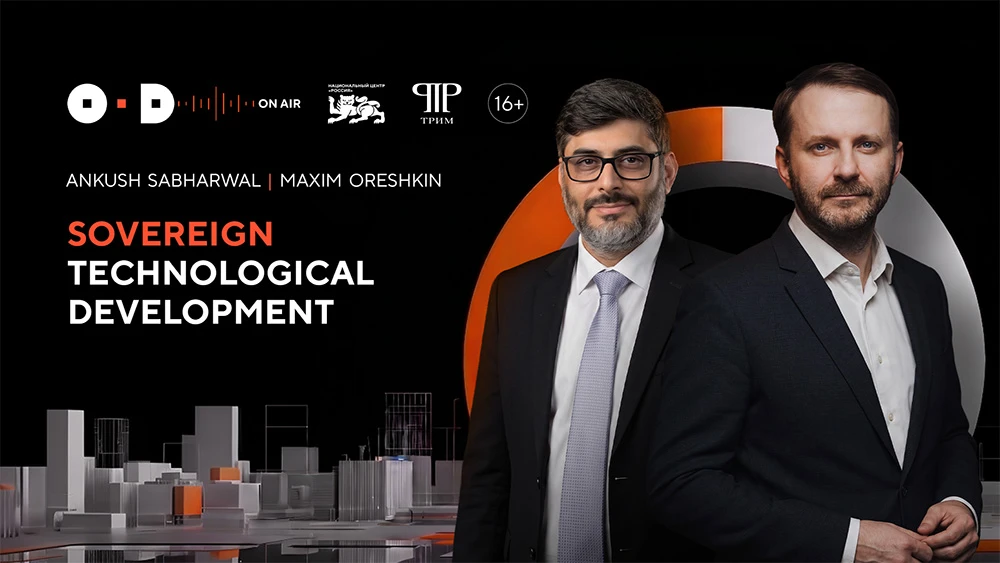
The new episode of the National Centre RUSSIA Open Dialogue podcast explores key questions of the digital age: who owns AI and data.


