


Thinking for yourself in the age of AI: the future of human intelligence discussed at the National Centre RUSSIA
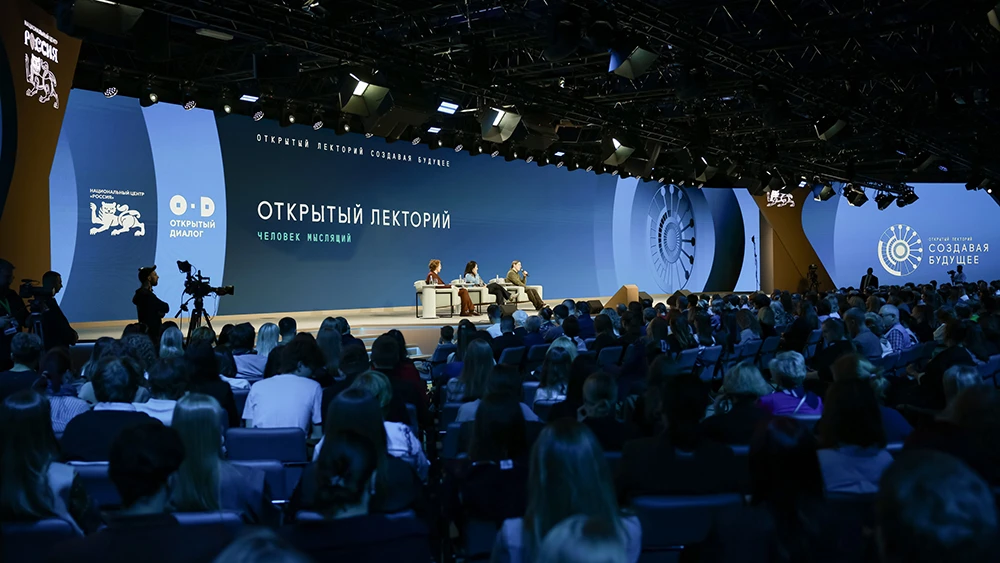
Artificial
intelligence does not necessarily weaken our ability to think, but it does
require people to use technology consciously, maintain concentration and make
decisions independently. Why did the brain evolve alongside culture, how did
cooking influence its evolution, and what distinguishes thought from action?
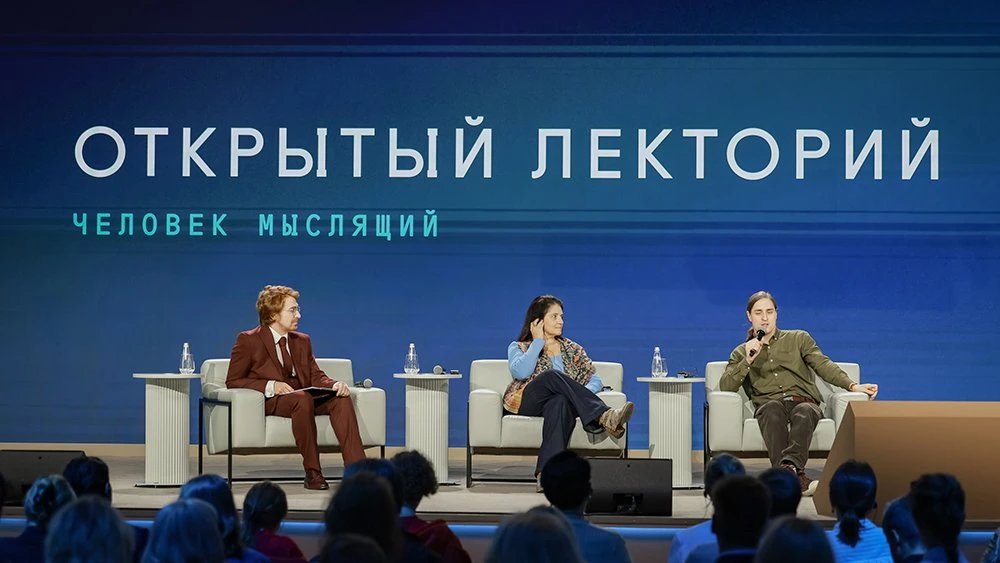
These questions were discussed by physician and neuroscientist Vladimir Alipov
and Suzana Herculano-Houzel, Associate Professor in the Department of
Psychology at Vanderbilt University, during the session "The Thinking
Human" at the Open Lecture Hall "Inventing the Future: Limits of the
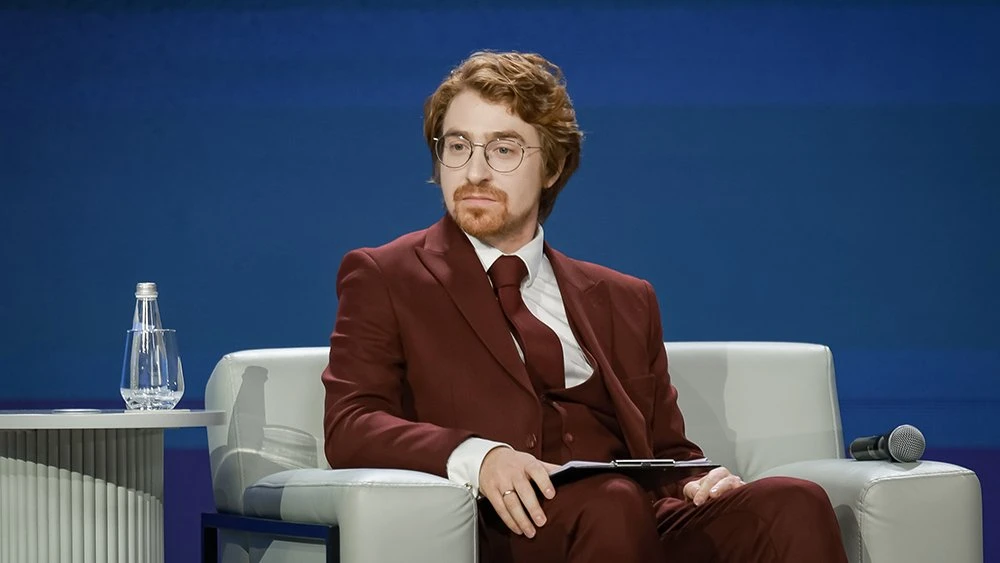
Human" at the National Centre RUSSIA. The discussion was moderated by
journalist and television presenter Nikita Pimenov.
Vladimir Alipov is a physician, neuroscientist and lecturer at the Bekhtereva Educational Centre. His research focuses on the mechanisms by which memories, including traumatic ones, are consolidated and rewritten, using a model of post-traumatic stress disorder. In his presentation, he explained how the brain and culture have evolved together over the past two and a half million years. According to him, the ability to adapt to a changing environment remains one of humanity's key resources, while artificial intelligence can be regarded as another stage in the development of culture created by people.
"The
question of why the human brain increased in size so rapidly has occupied
researchers for more than a century. There was probably no other organ in the
evolution of the animal kingdom that developed at such a remarkable pace. The
prevailing view today is that the brain evolved alongside culture: at some
point, the culture created by humans themselves began to influence their
development more strongly than biological factors and the external environment,"
the expert explained.
He also noted that this process created a kind of feedback loop: a more complex brain made it possible to create a more complex culture — from tools to music and social skills — while mastering that culture, in turn, required the brain to develop further. According to him, concerns about new technologies have accompanied humanity throughout its history. Similar fears arose with the advent of writing and the printing press: people worried that they would stop exercising their memory and lose important skills. Experience has shown, however, that technological change did not lead to the "end of humanity", but instead changed the ways people work with information and knowledge.

Vladimir
Alipov cited a study involving students at the Massachusetts Institute of
Technology, in which participants were asked to write an essay on a given
topic. The first group worked without any additional tools, the second could
use search engines, and the third used language models. According to him, participants
who used language models were less able to recall the content of their own
texts than those who wrote their essays independently.
"EEG measurements showed that while working on the essay, participants who used artificial intelligence had lower brain activity than those who completed the task independently. This result may raise questions, but it does not prove that using AI damages cognitive functions or leads to cognitive impairment. On the contrary, a large body of research shows that when adults use AI in their work, creative tasks, writing, scriptwriting or information processing, it can help improve performance, reduce stress and free up time," the scientist concluded.
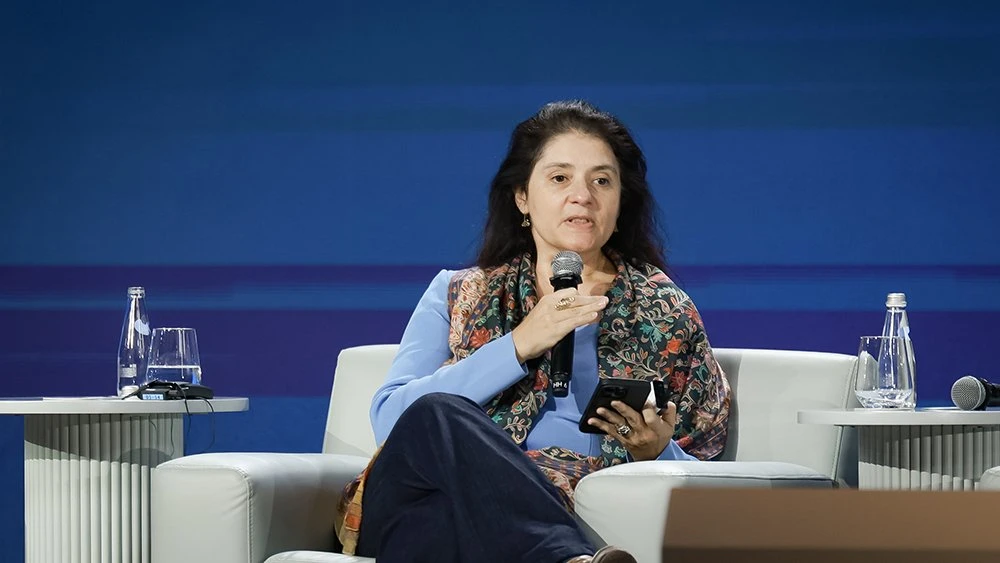
Suzana
Herculano-Houzel is Associate Professor in the Department of Psychology at
Vanderbilt University and Editor-in-Chief of The Journal of Comparative
Neurology. In 2023, she became the first woman to head the journal. Most of her
research focuses on the evolution and structure of the brain, while her book
explores how cooking food over fire helped the human brain reach its modern
size and capabilities.
"Humans are beings with their own personal thoughts. To think is to perform a mental action. Most of our actions can be observed from the outside: body movements, heartbeat, even blushing. But thinking takes place quietly inside the head — it is the result of activity in the brain's circuits. When we think, we engage the cerebral cortex: it receives information from other parts of the brain and allows us to connect experiences, identify patterns and establish links between actions and their consequences," the expert said.
She also
noted that thinking allows people to compare their abilities, desires and past
experiences in order to imagine possible future scenarios. By analysing the
consequences of potential actions and their own attitudes towards them, people
set goals, plan their actions and only then decide whether to act. It is this
process — making a choice after reflection rather than simply because an action
is possible — that constitutes the essence of thinking.
The speaker also stressed that intelligence cannot be reduced solely to the amount of knowledge a person possesses or the speed at which information is processed. Suzana Herculano-Houzel emphasised the importance of flexible thinking, the ability to learn from one's own experience and to find solutions independently in new circumstances.
"Throughout
human evolution, the brain increased in size, and the number of neurons grew
with it. Today, the human cerebral cortex contains around 16 billion neurons —
considerably more than the five billion found in gorillas or the 2.4 billion in
whales. This became possible to a large extent thanks to the technology of
cooking: our ancestors learned to process food in advance, obtaining more
energy in less time," the neuroscientist added.
She also explained that cooking became one of the earliest technologies — tools that allow people to achieve the desired result with less time and energy. The first stone tools appeared among human ancestors around three million years ago; later, fire began to play this role, making food easier to digest and therefore allowing people to obtain more energy.
The experts
also discussed how the digital environment is changing the way people consume
information, why it is important to maintain the ability to concentrate and
what role education should play in this process. The dialogue continued with
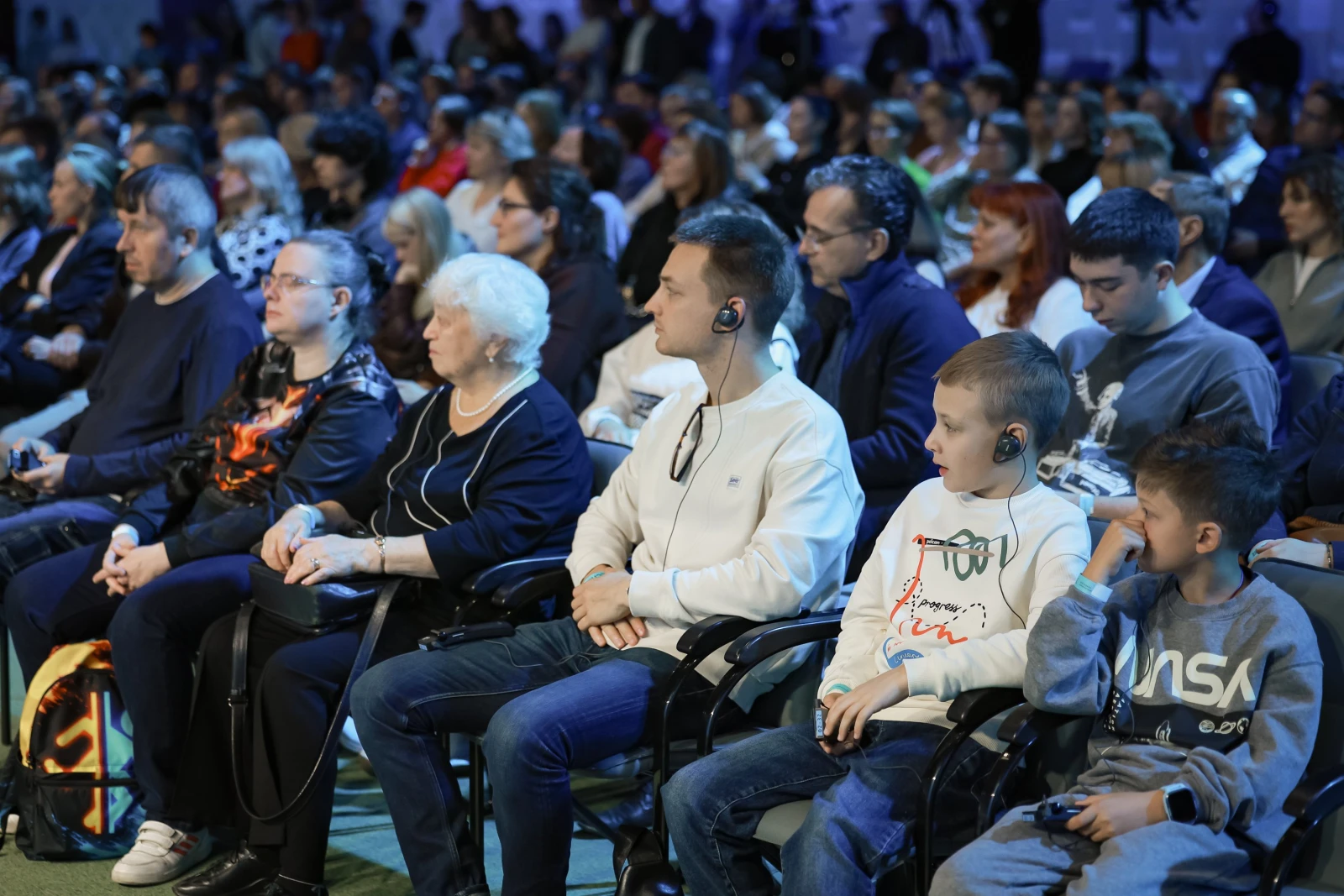
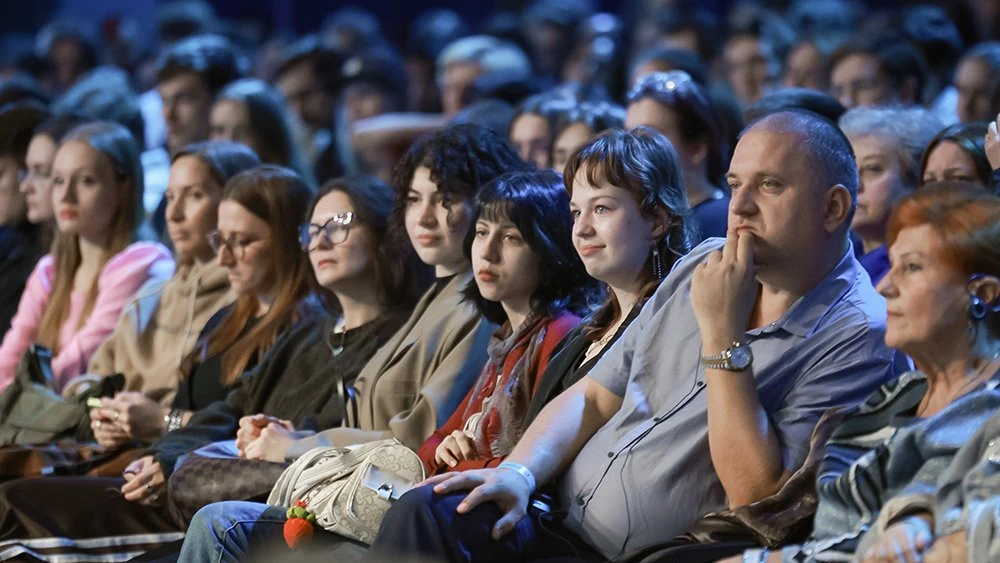
questions from the audience and voting on the key topics of the discussion.
The Open Lecture Hall "Inventing the Future" is an original project of the National Centre RUSSIA that brings together Russian and international experts to discuss positive scenarios for the future. The September programme is devoted to the theme "Limits of the Human" and to exploring how humanity can be preserved amid rapid technological change.
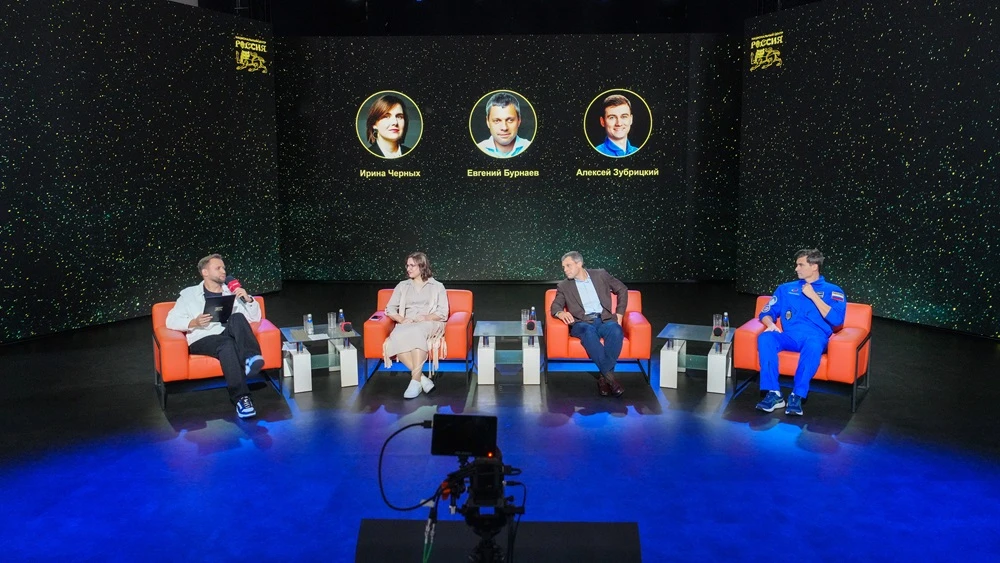
The event was hosted and moderated by producer and space exploration populariser Pavel Bugrov.
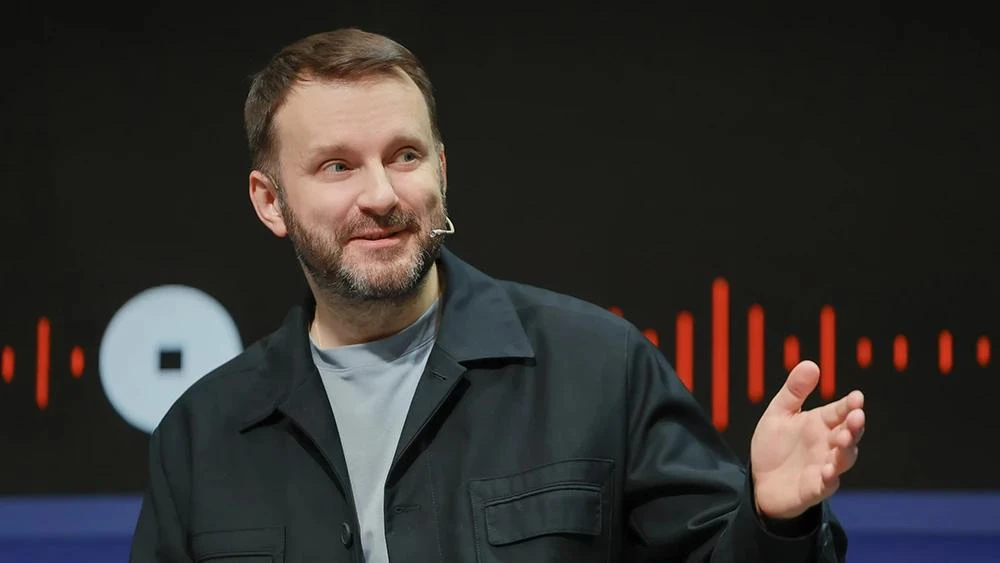
The talk was held in Yekaterinburg as part of the International Festival of Youth — 2026.
The new episode of the National Centre RUSSIA Open Dialogue podcast explores key questions of the digital age: who owns AI and data.


