


Young journalists at the National Centre RUSSIA present their final projects
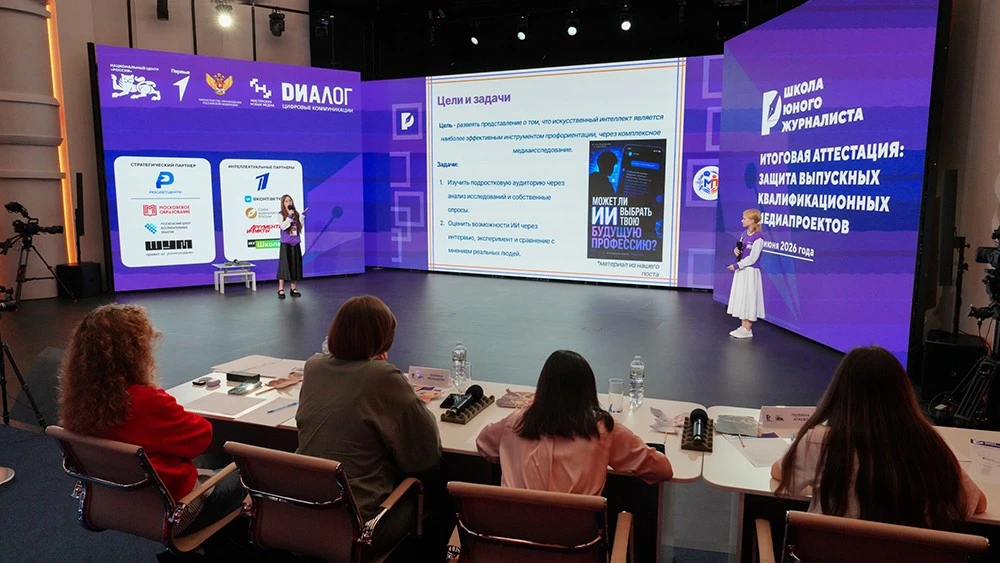
School slang and its future, the Vladimir-Suzdal lion as a
symbol of unity, AI-generated animals explaining science, Moscow’s historic
estates, school media centres, and the promotion of reading, sport and Russian
culture were among the wide range of topics chosen by participants in the Young
Journalists School of the National Centre RUSSIA for their final projects. The
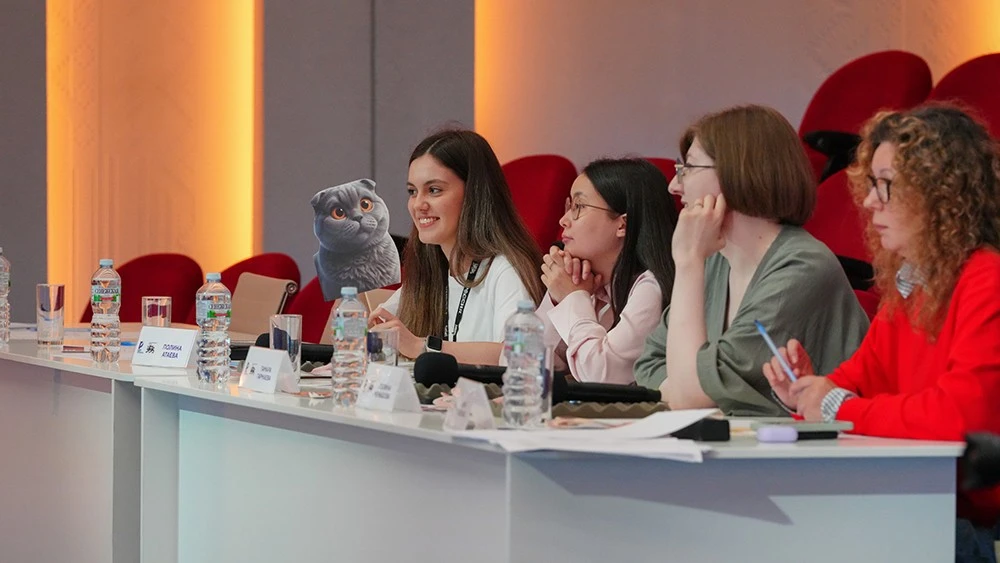
projects were assessed by the project team and invited specialists from Russian
media organisations, including the Russia 24 television channel, RU.TV,
Argumenty i Fakty, the New Media Workshop, the Russian Children and Youth
Centre, and Izbornik, a popular science publication about the Russian language
and linguistics.
Over three
weeks, the participants prepared media projects individually or in teams of two
to six people. They could choose any media genre, including a social
media community, a video report, a short film or a longread. The presentations
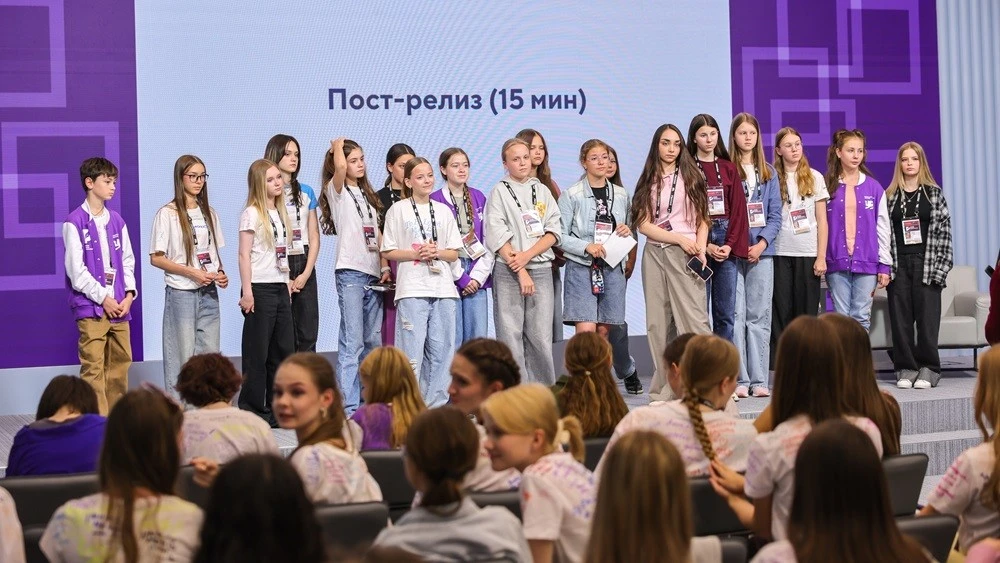
were held in the main hall before an open audience and a panel of
professionals, following the format of a full-scale media presentation.
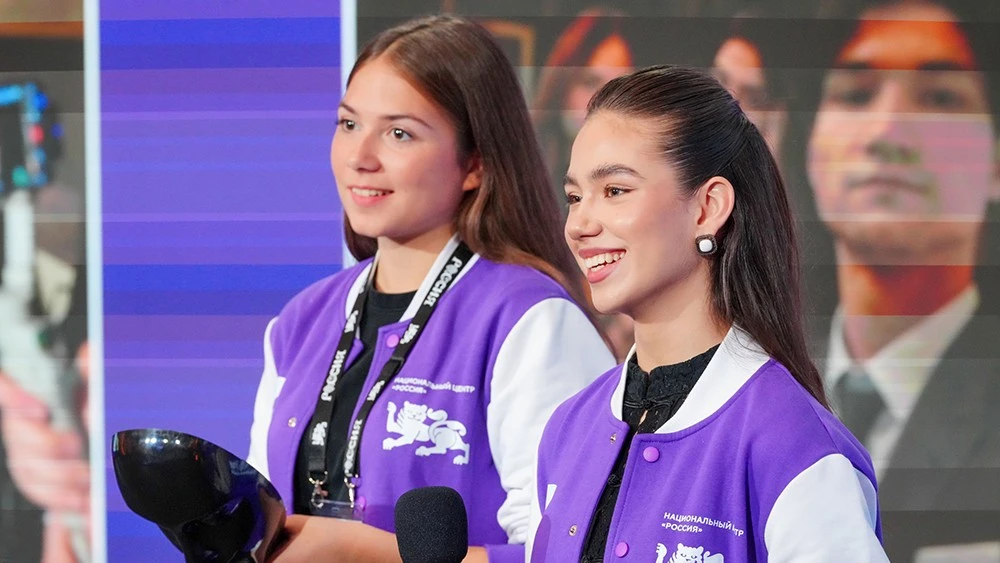
The
projects were assessed according to a single set of criteria. The
experts evaluated how well the authors understood the value of their projects,
how they applied their media skills in practice, how coherently the
presentations were structured, what distinguished each project from existing
counterparts and how closely it aligned with the objectives of the Young
Journalists School of the National Centre RUSSIA.
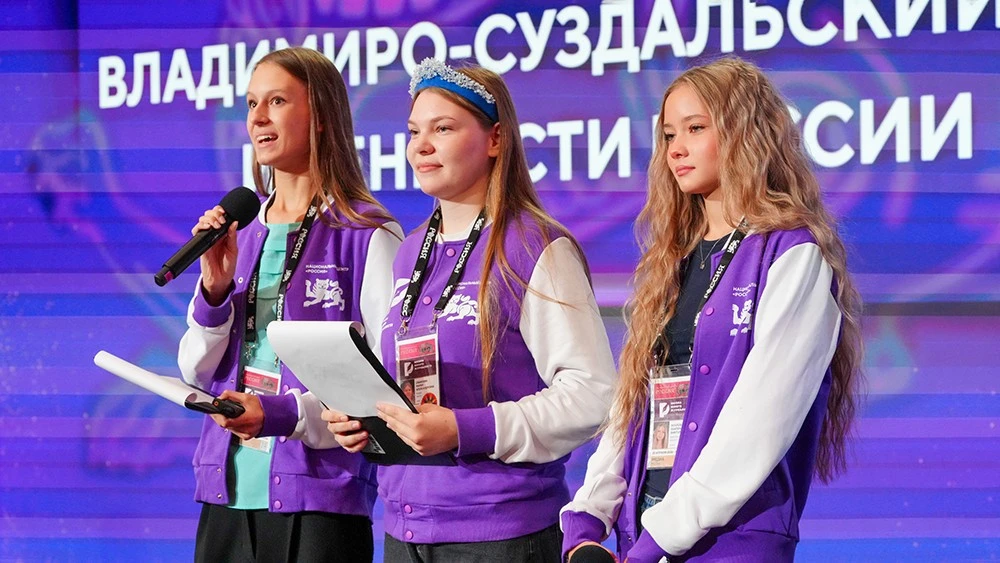
As a
result, 11 projects received high scores. They included the documentary
mini-feature "A Symbol of Unity: The Vladimir-Suzdal Lion and the Values
of Russia", which connects the ancient image of the lion with
architectural monuments and the modern visual language of the National Centre
RUSSIA. Another project was a longread about how youth slang changes. Its
authors trace the evolution of popular words and show how expressions either
disappear, enter common usage or are "revived" in a new context.
Some
participants focused on what a modern media environment for teenagers should
look like. This led to the creation of a brand book for the online
version of the Young Journalists School, featuring a carefully developed visual
concept and principles for communicating with the audience, as well as a
navigation website for the VMedia school media centre, bringing together clubs,
news and volunteering opportunities. The media project "A Child’s Question.
An Adult’s Answer" offers a ready-made format for discussing difficult
subjects with children, while the report "Pick Up a Book!" from the
book festival on Red Square uses teenage protagonists and the festive
atmosphere to show how reading can be made more appealing to their peers.
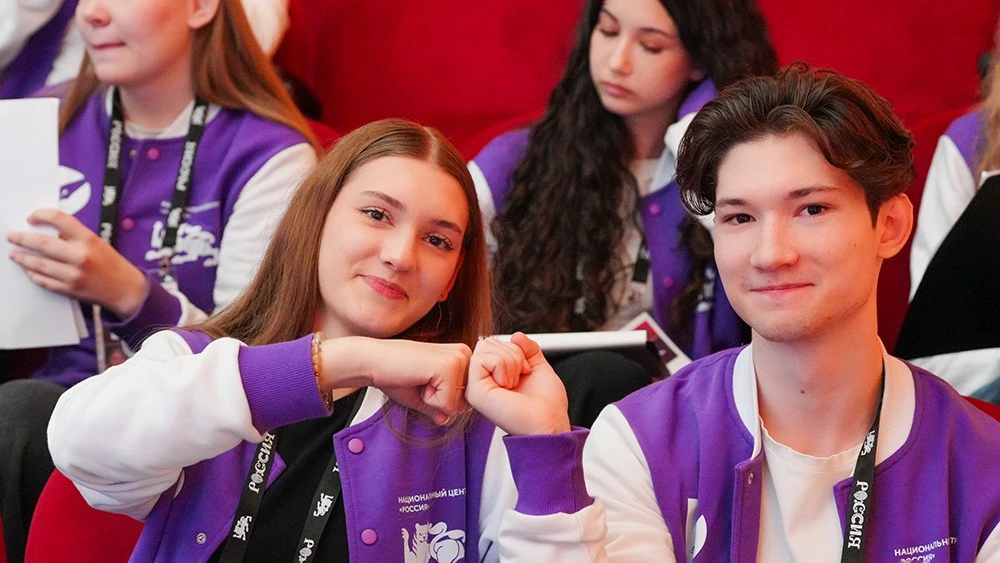
Other
authors addressed culture and identity. The multi-format project
"Russian Style: Our Own, Native and Real", featuring cards, videos,
podcasts, texts and AI-generated visuals on social media, offers a modern
interpretation of traditional motifs and shows that Russian culture is
fashionable and relevant. Through dynamic video tours of Moscow’s estates,
interactive elements and short facts, the "Heritage Reporters"
project demonstrates that historic sites can become an exciting weekend route.
The participants also created the short film "Betting
on Silence", which addresses the fear of emotional closeness within a
family and the consequences of addictions, including gambling addiction,
encouraging viewers to have honest conversations with their loved ones. The
"Fifth Corner" series of video interviews presents athletes not only
through their records but also through hard work, character and motivation,
promoting grassroots sport and showcasing Russia’s achievements. The experts
were also impressed by "Paws and Facts", a VK community featuring
short videos in which AI-generated animals explain science and facts about
Russia in an accessible way. Its sections include "Facts About
Russia" and "Science Is Cool", helping to make teenagers’ social
media feeds less stressful and more educational.
The Young
Journalists School is a multi-format educational project of the National Centre
RUSSIA. It helps teenagers acquire basic professional skills, become
acquainted with leading Russian media outlets and practising journalists, learn
how to work with information and take their first steps towards a future
profession. The project is implemented by the National Centre RUSSIA jointly
with the Movement of the First, with the support of the Ministry of Education
of Russia. Synergy University is the intellectual partner of the Young
Journalists School.
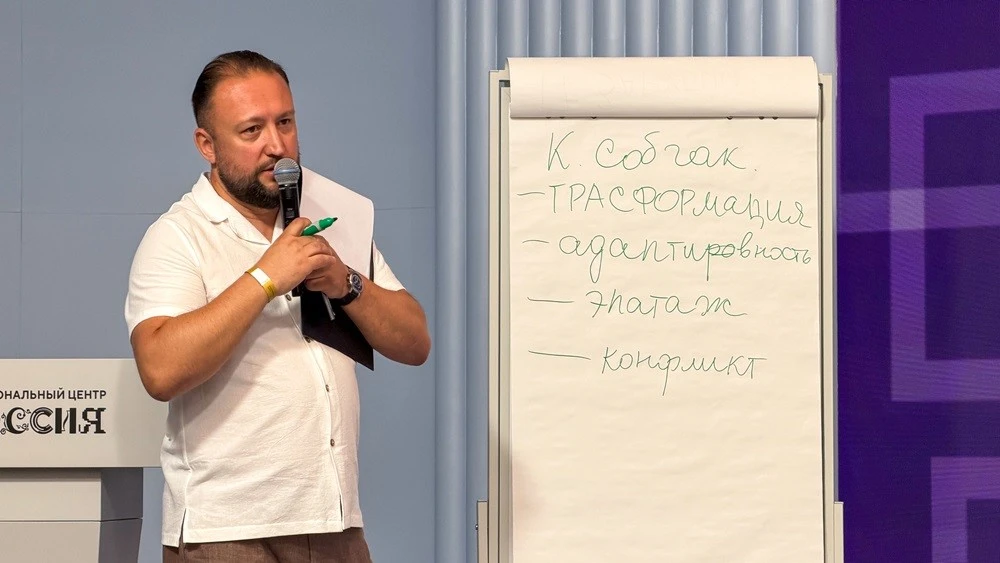
The expert was Vadim Ampelonsky, Development Director at Synergy Corporation, journalist, PR specialist and strategic communications expert.
In a world where the news agenda changes every hour, the press office becomes the voice and face of an organisation, shaping audience trust and influencing project outcomes.
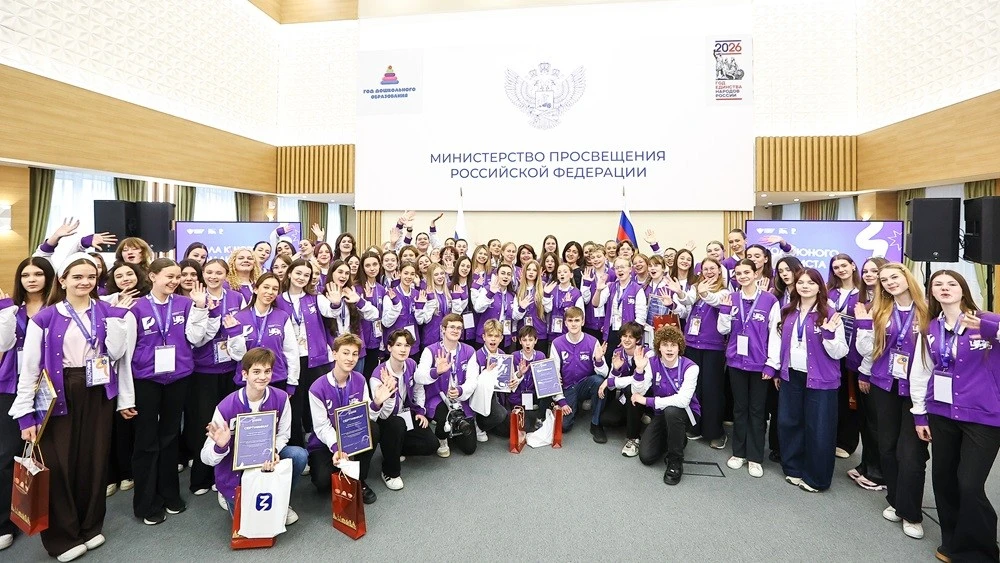
The participants spoke with representatives of the education sector, learned the secrets of their work, asked the speakers questions and wrote down every word.


