


How stars are made: young journalists learn why building a reputation matters
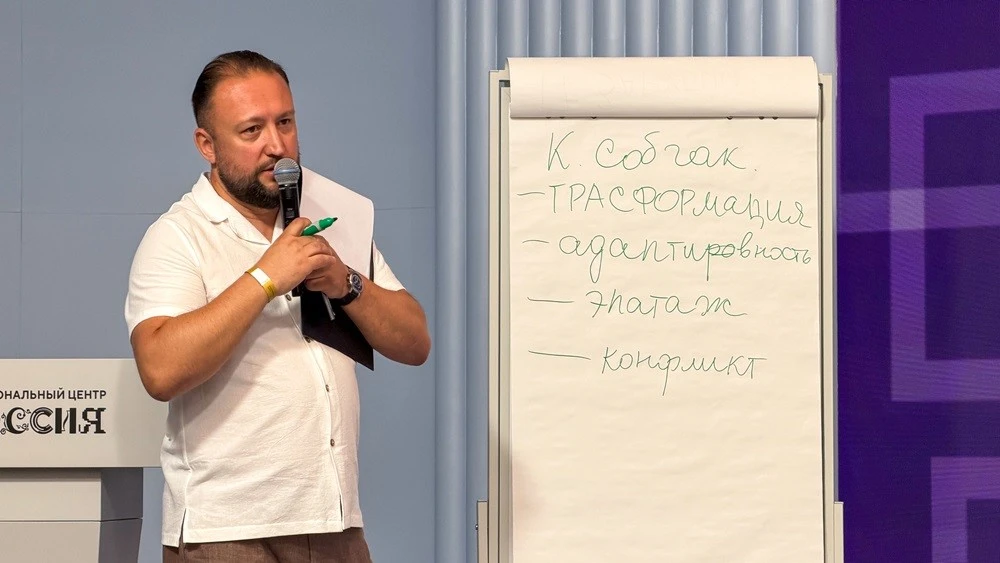
In a media landscape where news stories last only a few minutes, a journalist’s name becomes an asset in its own right. Participants in the Young Journalists School of the National Centre RUSSIA discussed how a reputation is built and why it can be worth more than any audience reach during the session "How Are Stars Made? A Journalist’s Reputation as an Asset in the Attention Economy". The expert was Vadim Ampelonsky, Development Director at Synergy Corporation, journalist, PR specialist and strategic communications expert.
"I wanted to talk about what is most valuable to a journalist in the literal sense of the word. The name you build over many years can now be capitalised on and monetised. In the age of the attention economy, your reputation is often worth more than any audience reach," Vadim Ampelonsky said.
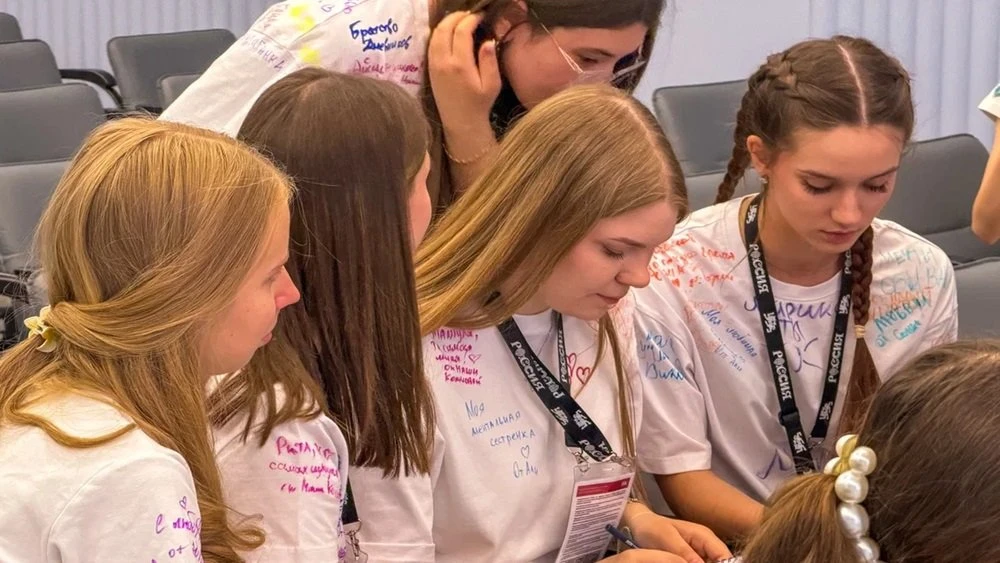
The young participants, in turn, explained why they wanted to enter the profession: "to bring the truth to the public", "to break stereotypes", "to defend the country’s interests", and "to travel and meet new people". They explored the difference between a journalist and a blogger. Formally, both have access to an audience through social media, but according to the expert, the difference lies in their goals and responsibilities: a journalist initially works under their own name, and the audience expects facts, balance and honest guidance through the flow of information.
Part of the session was devoted to analysing media figures, from well-known Russian reporters to popular international interviewers. Different approaches to personal branding were discussed through contrasting examples. One example was the official and carefully constructed public image of Pavel Zarubin, who keeps his private life out of the public eye. For the young journalists, this clearly illustrated how different reputation models affect trust and long-term opportunities in different ways.
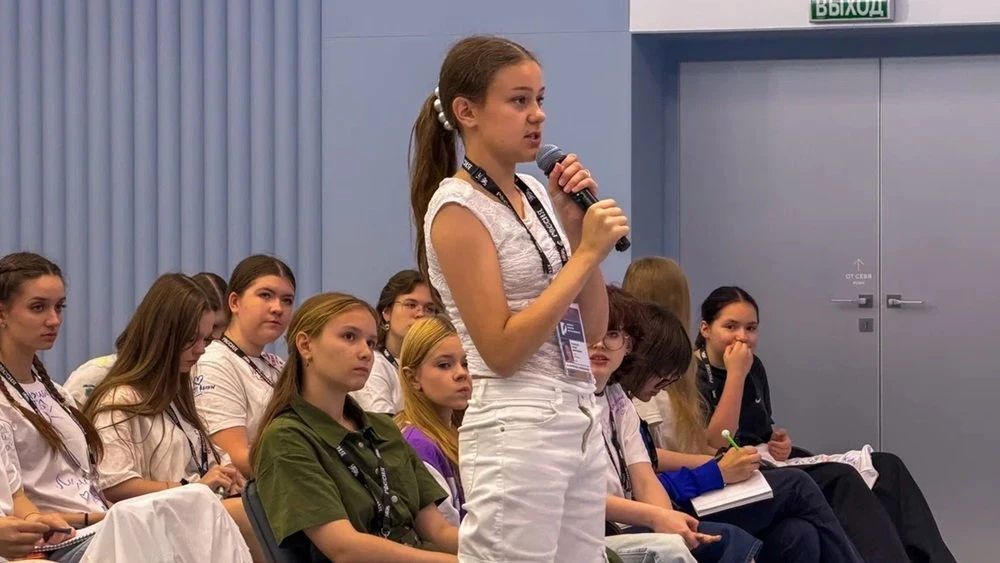
The discussion then moved from public figures to risks. Vadim Ampelonsky spoke about the temptation to publish unverified information for the sake of speed, the race for followers at the expense of quality, and the digital security of personal channels. One example involved a Telegram channel being hacked after its owner followed a "secret link containing compromising material". The participants suggested their own solutions: never click suspicious links, even if they appear to come "from a colleague", verify the sender and, in the event of a hack, promptly explain to the audience that the journalist is no longer running the channel.
The session also covered comments and dealing with negativity. In an era when the boundary between publication and discussion is disappearing, every response from an author becomes part of their public image: "Provocateurs deliberately leave inflammatory comments to provoke an emotional reaction. The golden rule is not to 'feed' them: as soon as you make personal remarks or respond to aggression with aggression, you begin playing by their rules."
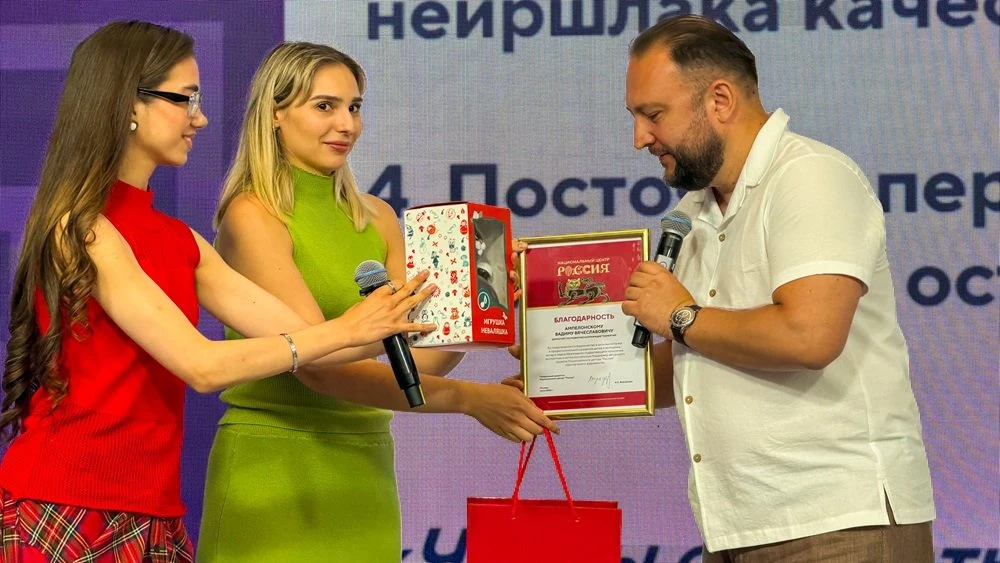
At the same time, according to the expert, constructive criticism should not be ignored but used as feedback.
The meeting concluded with a practical exercise: the participants analysed scenarios involving deepfakes and reputational scandals and proposed response procedures. They then began compiling their own "code of safe conduct for journalists on social media".
"When you address an audience under your own name, you are already taking a step towards building a personal brand. Your task is not merely to collect views but to build trust, and it is trust that becomes the asset that will work for you for many years," Vadim Ampelonsky concluded.
The Young Journalists School is a multi-format educational project of the National Centre RUSSIA. It helps teenagers acquire basic professional skills, become acquainted with leading Russian media outlets and practising journalists, learn how to work with information and take their first steps towards a future profession. The project is implemented by the National Centre RUSSIA jointly with the Movement of the First, with the support of the Ministry of Education of Russia. Synergy University is the intellectual partner of the Young Journalists School.
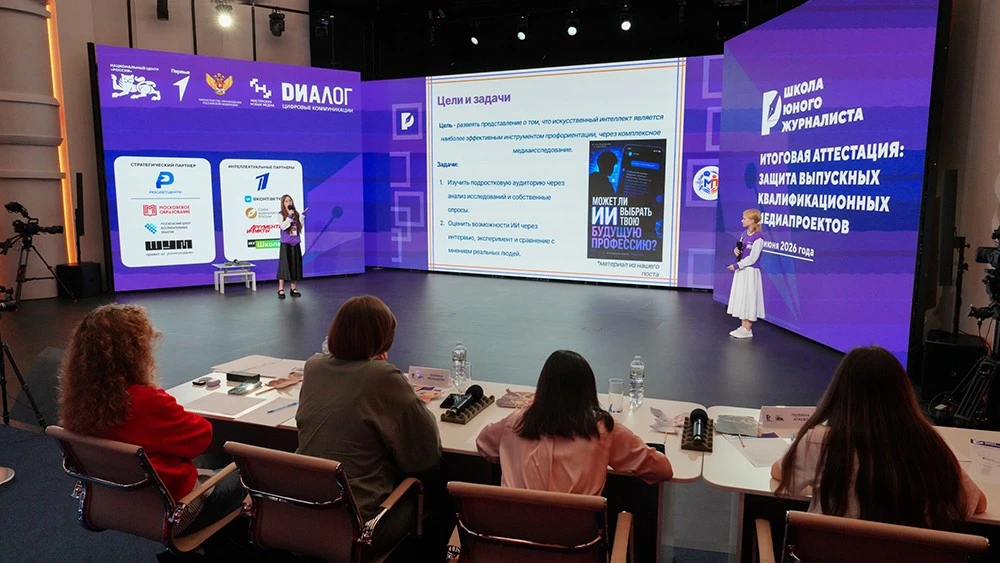
The Young Journalists School is a multi-format educational project of the National Centre RUSSIA.
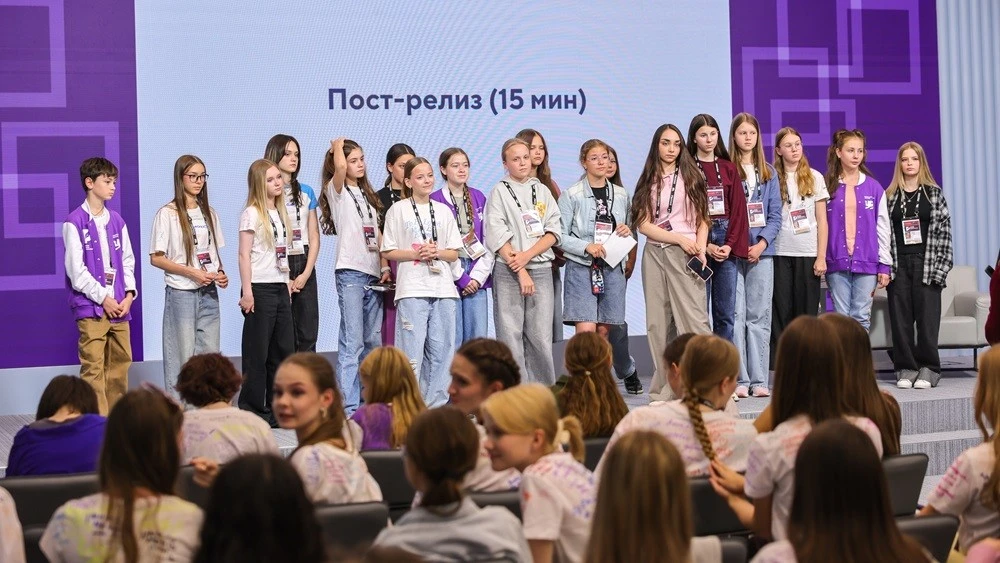
In a world where the news agenda changes every hour, the press office becomes the voice and face of an organisation, shaping audience trust and influencing project outcomes.
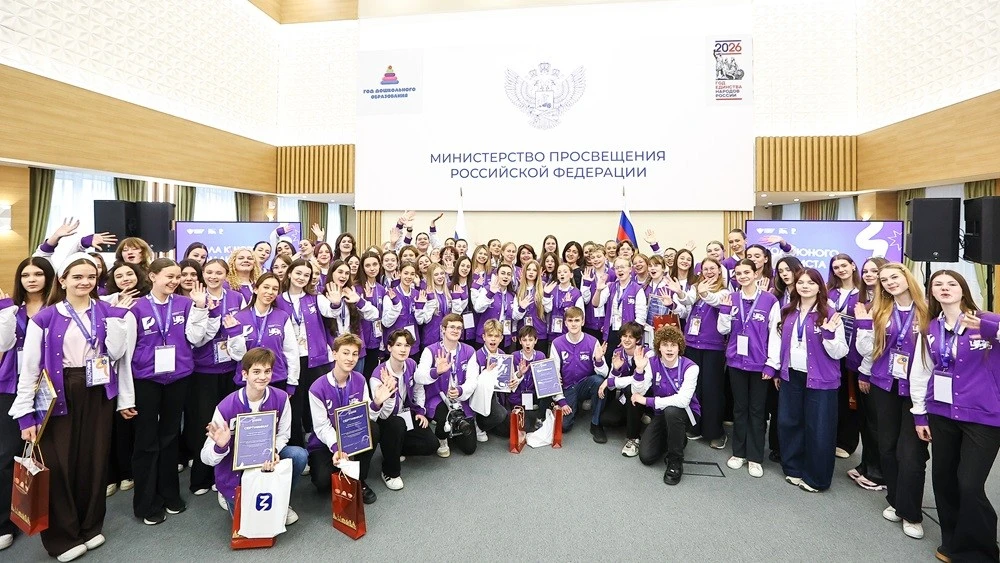
The participants spoke with representatives of the education sector, learned the secrets of their work, asked the speakers questions and wrote down every word.


