"Video games will become the language of cultures": the future of the industry discussed at the National Centre RUSSIA

The gaming industry is turning into a major economic and
cultural phenomenon. At the same time, the boundaries between cinema and games
are becoming increasingly blurred: both fields use similar approaches — from
interactivity to content personalisation tailored to audience demand. This was
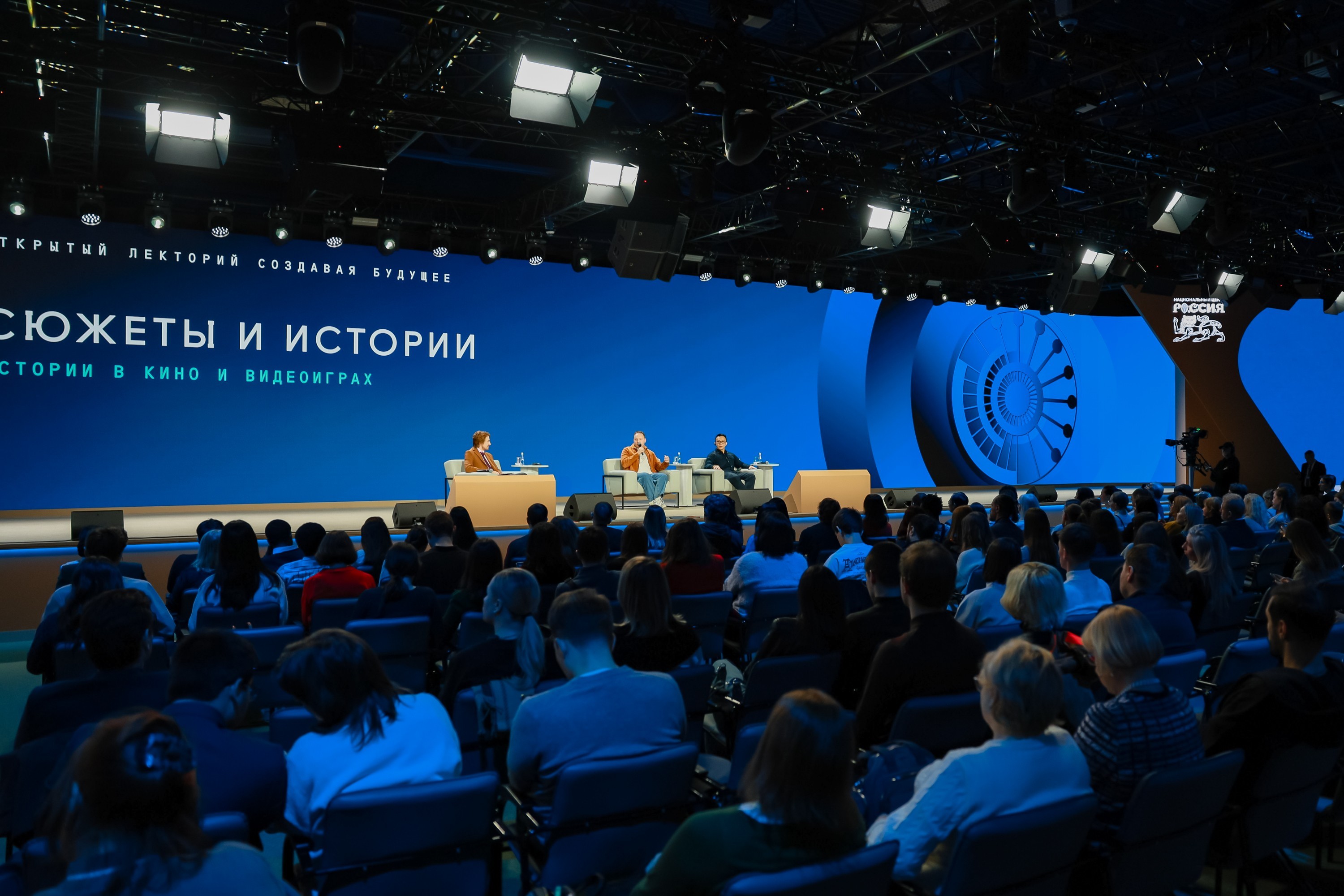
discussed by participants of the panel discussion "Stories in Cinema and Video Games", which was held on 7 February at the National Centre RUSSIA
as part of the Open Lecture Hall "Inventing the Future: Plots and
Stories". The speakers explored how cinema and video games influence one
another, the role artificial intelligence plays in their development, and how
games help countries tell their stories to the world.
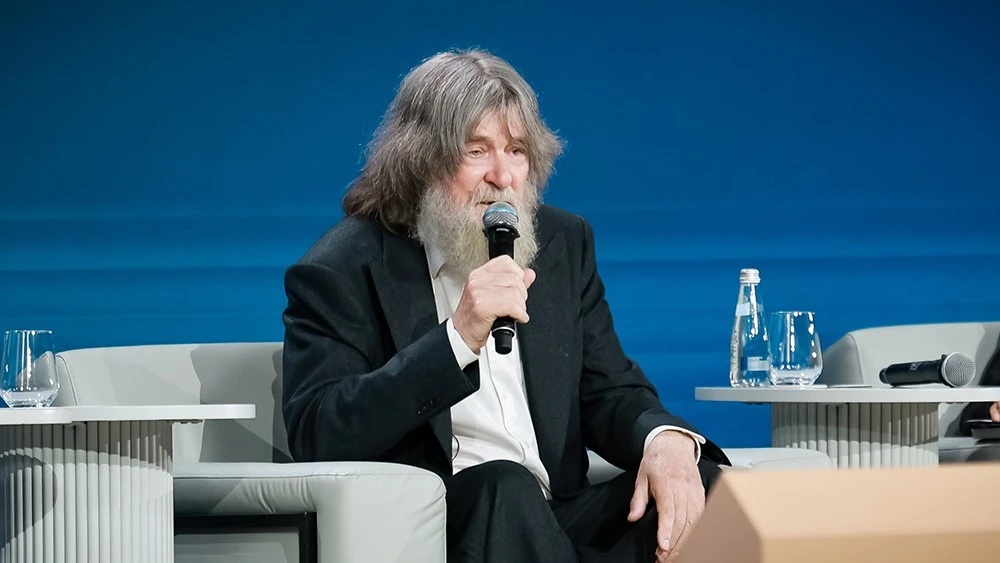
Film director, screenwriter and producer, one of the
creators of the series "Cybervillage" and the Birchpunk YouTube
channel, Sergei Vasilyev, noted that video games continue the broader logic of
the evolution of art, borrowing from earlier forms while adding their own
dimension — interactivity: "Each new form of art inherits something from
those that came before and complements it with its own experience. Theatre
absorbed epic folklore, cinema integrated theatre and music. The same is
happening with games: they borrow the language of cinema but add the dimension
of interactivity. At the same time, there is a reverse influence — elements of
interactivity are beginning to penetrate cinema as well."

Sergei Vasilyev also focused on the role of technology and
artificial intelligence in the production of audiovisual content.
"New technologies, graphics and especially artificial
intelligence make it possible to produce content with far fewer resources. But
AI is merely a multiplier and an accelerator. If a person lacks talent, AI will
only highlight and amplify that gap. Neural networks should be seen as an
assistant, not a co-author <...> In the past, cinema and television
worked for a fairly broad audience, and hits were relatively universal. Today,
media is becoming highly individualised, with each viewer living in their own
‘media bubble’, shaping their tastes and personal watchlists of films and
series. These bubbles may hardly overlap — a person might not even know that a
particular series has been released," the director noted.

In Sergei Vasilyev’s view, this is leading to changes in
approaches to content creation. If an author or producer wants a work to enter
as many of these “bubbles” as possible, they will need to develop several
versions of the same story, adapting it to different audience groups. This
practice already exists at the level of localisation for different countries
and, according to his forecast, will intensify and extend to narrower target
audiences in the future.
The CEO of Anantarupa Studios and Chair of the Standing
Committee for the Development and Use of Culture of the Indonesian Chamber of
Commerce and Industry (KADIN), Ivan Chen, spoke about the global economic and
cultural potential of the gaming industry. He stressed that games are already
influencing many related sectors.

"Over the past five years, the video game market has
surpassed the film industry market by four times, and it is expected that this
figure will double again in the coming years. It is the largest export market —
even twelve times more powerful than the South Korean K-pop music genre. Gaming
culture captures the minds of audiences and the attention of young people — it
is a massive market equal to the entire volume of Indonesia’s oil and gas
sector," the expert stated.
Ivan Chen identified the key potential of games in their
ability to become a tool for "big storytelling" for countries and
cultures. According to him, games provide a path through which nations can tell
their stories to the world, connect cultures and create social impact.
Previously, the industry was concentrated in the hands of a small number of
elite companies, but that phase is now coming to an end.

The Open Lecture Hall "Inventing the Future: Plots and Stories" is an original project of the National Centre RUSSIA that emerged within the framework of the II International Symposium "Inventing the Future". Owing to strong audience interest, the Open Lecture Hall has been developed as a standalone format. The National Centre RUSSIA invites everyone to become co-authors of our future at the III International Symposium "Inventing the Future", which will take place in November 2026 and will focus on the unity of peoples in science, culture and art.
Event photobank
 25
25