


Whoever writes the past controls the future: a dialogue on the power of historical narratives held at the National Centre RUSSIA
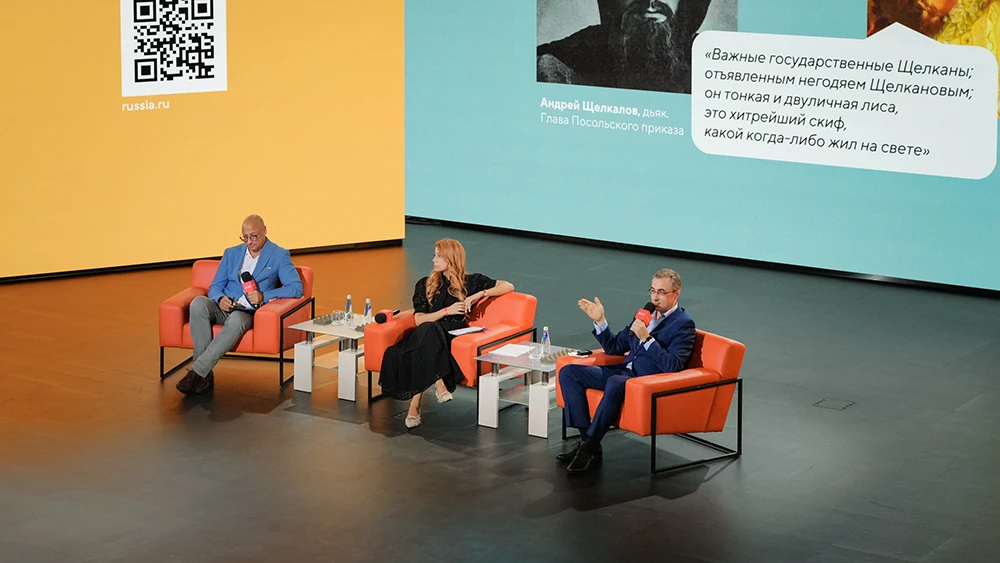
History helps society understand itself, preserve connections between generations and reflect on the path leading into the future. How historical narratives emerge, what role researchers, literature and art play in shaping them, and why sources must be handled carefully and thoughtfully were discussed on 28 August at the Lecture Hall "Whoever Writes the Past Controls the Future" at the National Centre RUSSIA. The meeting was held with the support of the Russian Military Historical Society and the "I Remember" Foundation.
The host of the Lecture Hall, Director of the "I Remember" Foundation and member of the Academic Council of the Russian Military Historical Society, Artyom Drabkin, emphasised that any discussion of history is always a discussion of choice: which path we prefer today based on what we know about the past. In this sense, he said, historians do not merely record events, but also play an important role in shaping national identity.
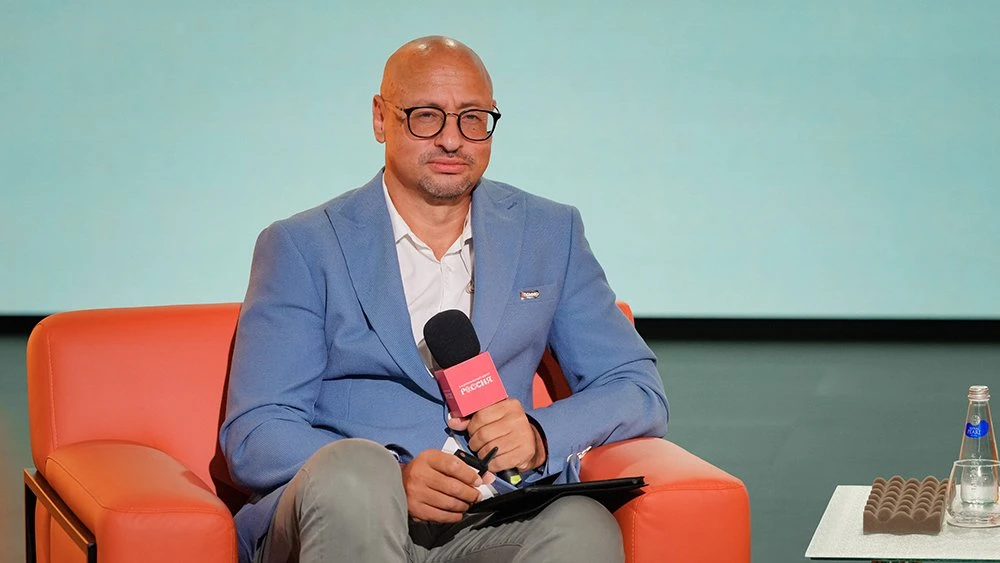
"Unfortunately, even historians themselves are often taken in by myths because falsifications are constantly emerging. This is normal: humanity has always created mystifications, and there have always been people who invent things. It is therefore extremely difficult to distinguish a forgery from reality. This requires knowledge and reliance on authoritative experts. Only they can help us break through the layer of mythology and reach genuine historical knowledge. A historian's task is to separate verified information from fiction, explain the origins of sources and present society with a complex but honest picture of the past," said Artyom Drabkin.

Discussing the falsification of history, the participants examined examples of controversial sources, including the "Book of Veles" and "The Protocols of the Elders of Zion", and considered how forgeries create false perceptions of national identity and become a basis for political manipulation. The experts explained why a critical approach to sources, fact-checking and attention to historical context are essential not only for researchers, but also for everyone who encounters information in everyday life. Artyom Drabkin compared mythology to a virus that is not dangerous in itself, but flares up at difficult moments in society's life.
"Historical myths can be compared to something that remains unnoticed for a long time, but under certain circumstances begins to have a destructive effect on society. One tragic example is 'The Protocols of the Elders of Zion', an antisemitic forgery from the early 20th century <...> A forged historical source never remains merely a text: under certain circumstances, it can become a political weapon. Myths that exist on the margins of public consciousness for a long time and then return during political change or when state institutions are weakened become particularly dangerous," warned the expert.

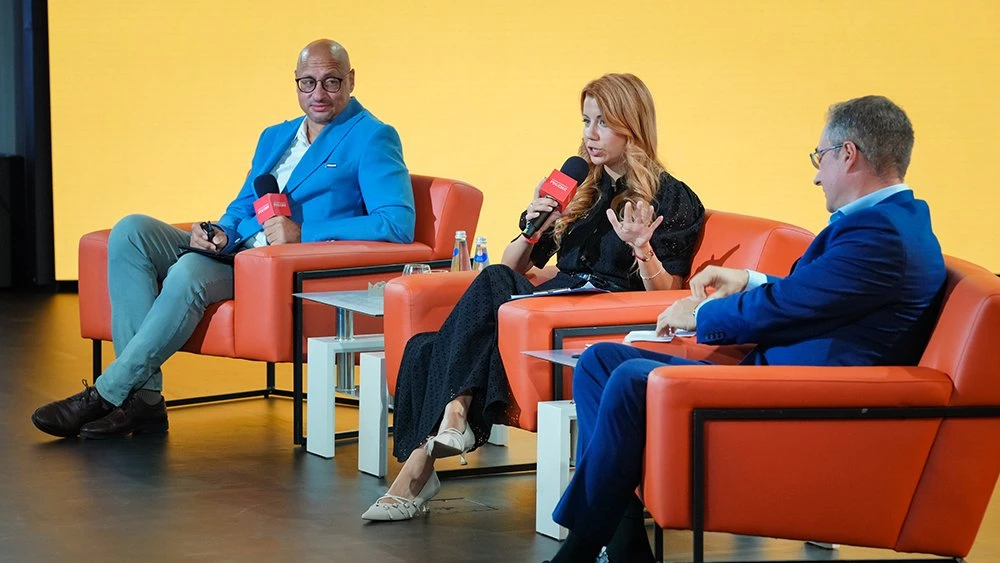
The Programme Director of the Russian Military Historical Society, Alexandra Konovchenko, noted that myths do not arise by chance: they always have a sponsor and a purpose. According to her, painstaking work with sources is the only way to counter widespread misconceptions about history.
"If historical myths exist, it means someone needs them. They create the image of either an enemy or a hero and justify either defeat or victory. But a myth can only be challenged effectively when the source ceases to be merely a textbook or a dull fact. It must become a vivid image because history is not only a science, but also a process of education. If historical myths are imposed on us from outside, we will lose our independence and national identity. Myths must therefore be addressed: temporary ones should be debunked, while real facts should be popularised," Alexandra Konovchenko said.
Writer, historian and history teacher at the "Golden Section" School Konstantin Kusmaul emphasised the importance of following the principle of historicism when considering any phenomena, facts or ideas. He warned that it is difficult to avoid being deceived by falsifications entirely, but the risks can be reduced by relying not only on verified sources of information, but also on the professional community and by resisting attempts to oversimplify history.
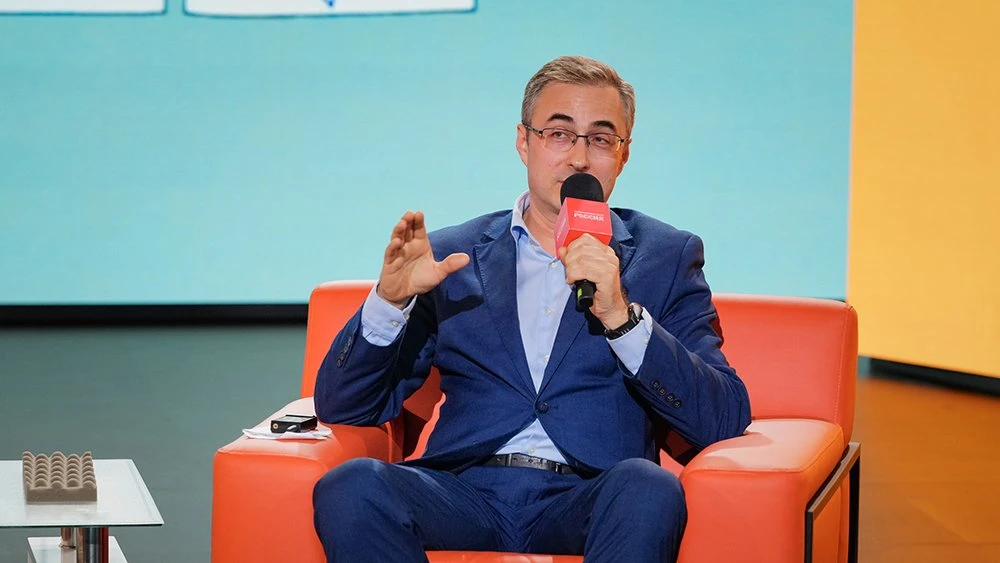
"There is such a concept as the 'historiography of an issue'. In other words, when someone becomes interested in a particular subject, it would be useful to begin not with the subject itself, but with the people who have written about it — qualified professional historians, Doctors and Candidates of Sciences, and representatives of different schools of thought — and find out what they have said and thought about it. The second recommendation is to try to engage, at least to some extent, with historical sources themselves. These are my two main recommendations. And, of course, people should react less to videos, headlines and presenters making claims such as: 'Now I will tell you what really happened!' or 'Everything happened differently — shock and awe!' History contains a great deal of ambiguity and many different perspectives. The path towards a mythologised understanding begins when someone seeks to simplify it," said Konstantin Kusmaul.
The meeting concluded with the speakers answering questions from the audience. The experts once again emphasised an important point: we have no right to treat the past carelessly. How we study it and pass it on to new generations will determine what our future becomes.

A recording of the Lecture Hall session "Whoever Writes the Past Controls the Future" is available to watch via the link on the National Centre RUSSIA website.
The Lecture Hall "Whoever Writes the Past Controls the Future" is an original event by the National Centre RUSSIA. Leading experts discuss everyone's responsibility towards the past, without which there can be no future, and teach audiences to distinguish honest research from manipulation.
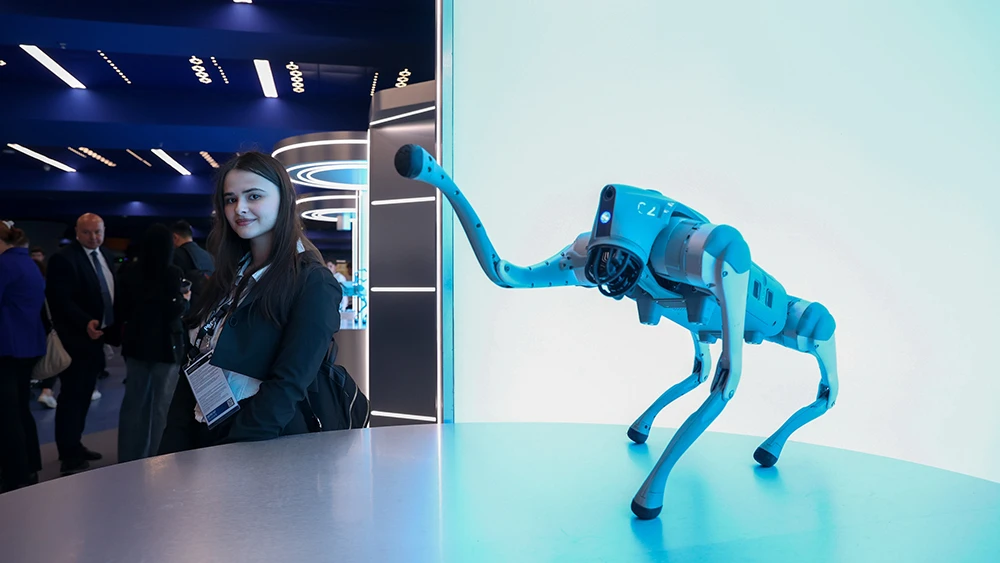
The first lecture in the "Symbols of the Times: World Expositions" series will be held at 18:00 on 9 September at the National Centre RUSSIA.
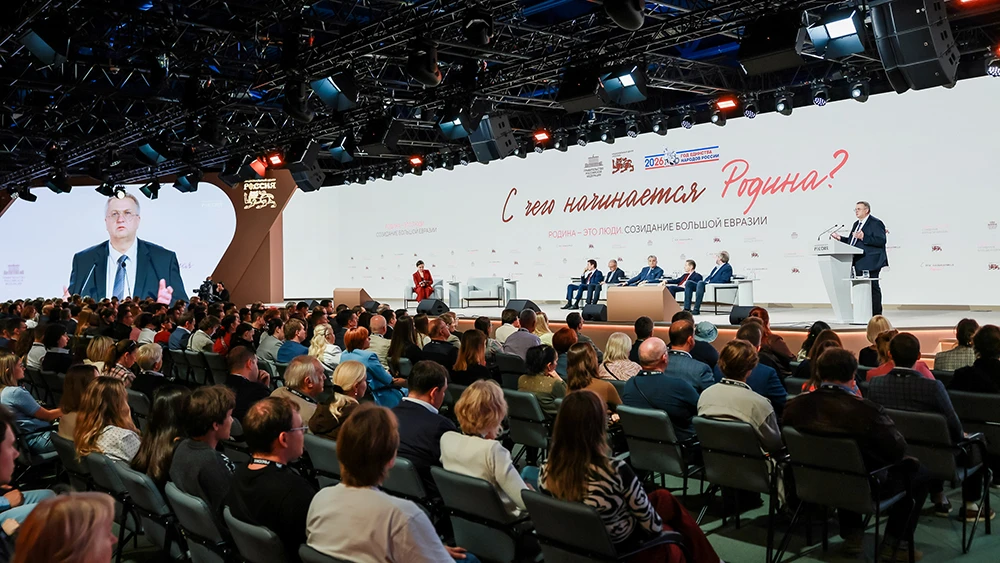
Eurasian integration is not an abstract foreign policy issue, but a tool that directly affects the well-being of Russian citizens.
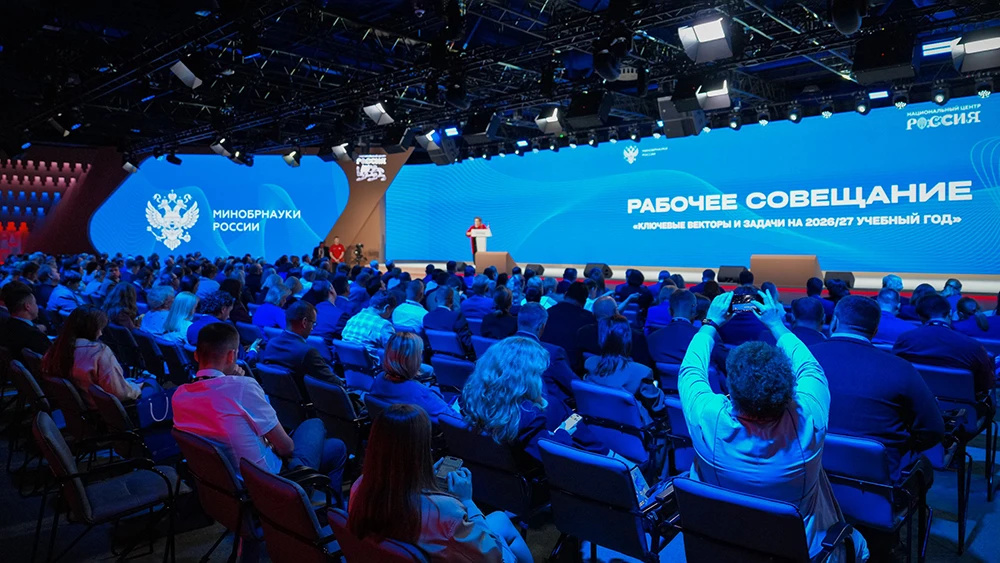
The first day of the annual working meeting of the Ministry of Science and Higher Education of the Russian Federation concludes at the National Centre RUSSIA on 27 August.


