

Culture as a universal language: the premiere run of "Khorovod. The Energy of Unity" is under way at the National Centre RUSSIA
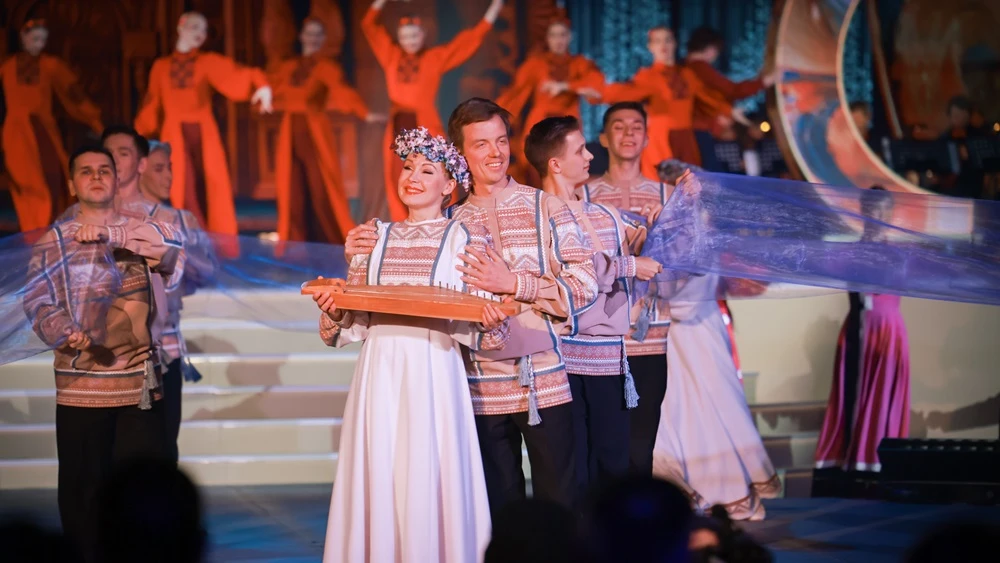
The music and dance parable "Khorovod. The Energy of Unity" continues its premiere run at the National Centre RUSSIA. On 11 November, more than 600 performers from across the country once again came together on one stage to tell a story through music and dance about Russia's cultural diversity, shared values and the sources of strength that connect generations. The event marked the culmination of the cultural programme for the Year of Unity of the Peoples of Russia, declared by the President of the Russian Federation, Vladimir Putin.
Anastasia Zvyagina, Deputy Director General of the National Centre RUSSIA, said the production had come together as a statement about culture as a language everyone can understand.
"Culture is a universal language that allows people to communicate and that everyone can understand. Russian culture is a treasure in its own right, rooted in the unity of our many peoples. This idea is at the heart of the 'Khorovod' series, which has been running at the National Centre throughout 2026, declared the Year of Unity of the Peoples of Russia by the President of Russia, Vladimir Putin. The series is now reaching its culmination with the music and dance parable 'Khorovod. The Energy of Unity'. More than 600 performers from regions stretching from the Far East to Crimea and from Karelia to the North Caucasus are taking part, alongside a Bolshoi Theatre soloist, a world beatboxing champion and a master of throat singing. The production symbolises our desire to grow together and understand one another. A circle, where no one comes first or last, has long represented that aspiration. The parable builds on this image to tell the story of our country and the sources of its strength — nature, love, family, friendship and history — through dance and music. What makes the production stand out is that it gives folk art a new sound. Cossack dancing, the lezginka, and Karelian and Yakut dances meet electronic music with folk influences, beatboxing and contemporary choreography, while mosaic-style 3D sets bring these elements together into a single picture. The finale is 'Pereplyas. Our People Join the Khorovod'. The ensembles take part in an onstage dance battle, each showcasing its own tradition before they come together in a single circle as a symbol of mutual respect. The mission of the National Centre RUSSIA is to bring so many different cultures together on one stage, show how much we have in common and inspire us to move forward together," said Anastasia Zvyagina.
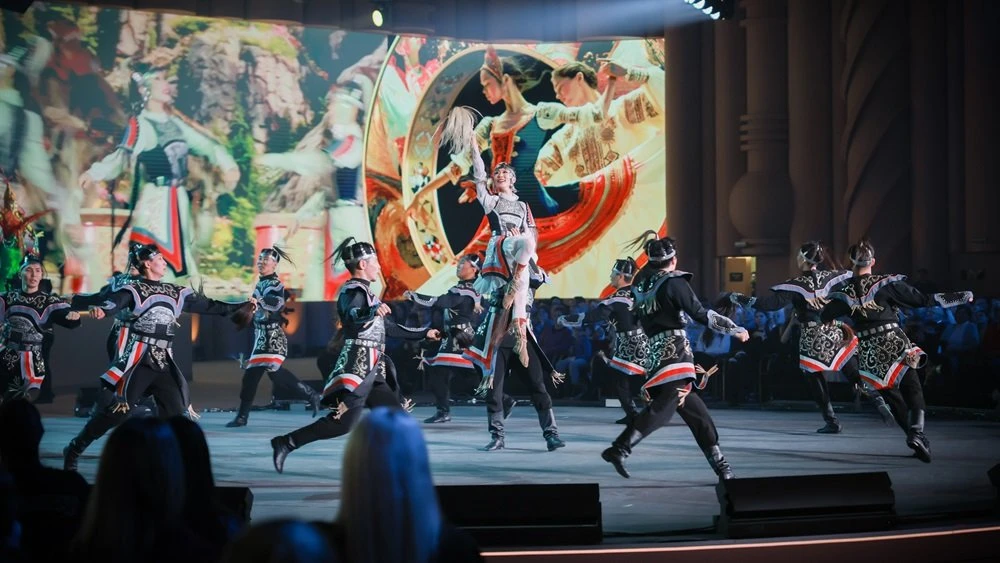
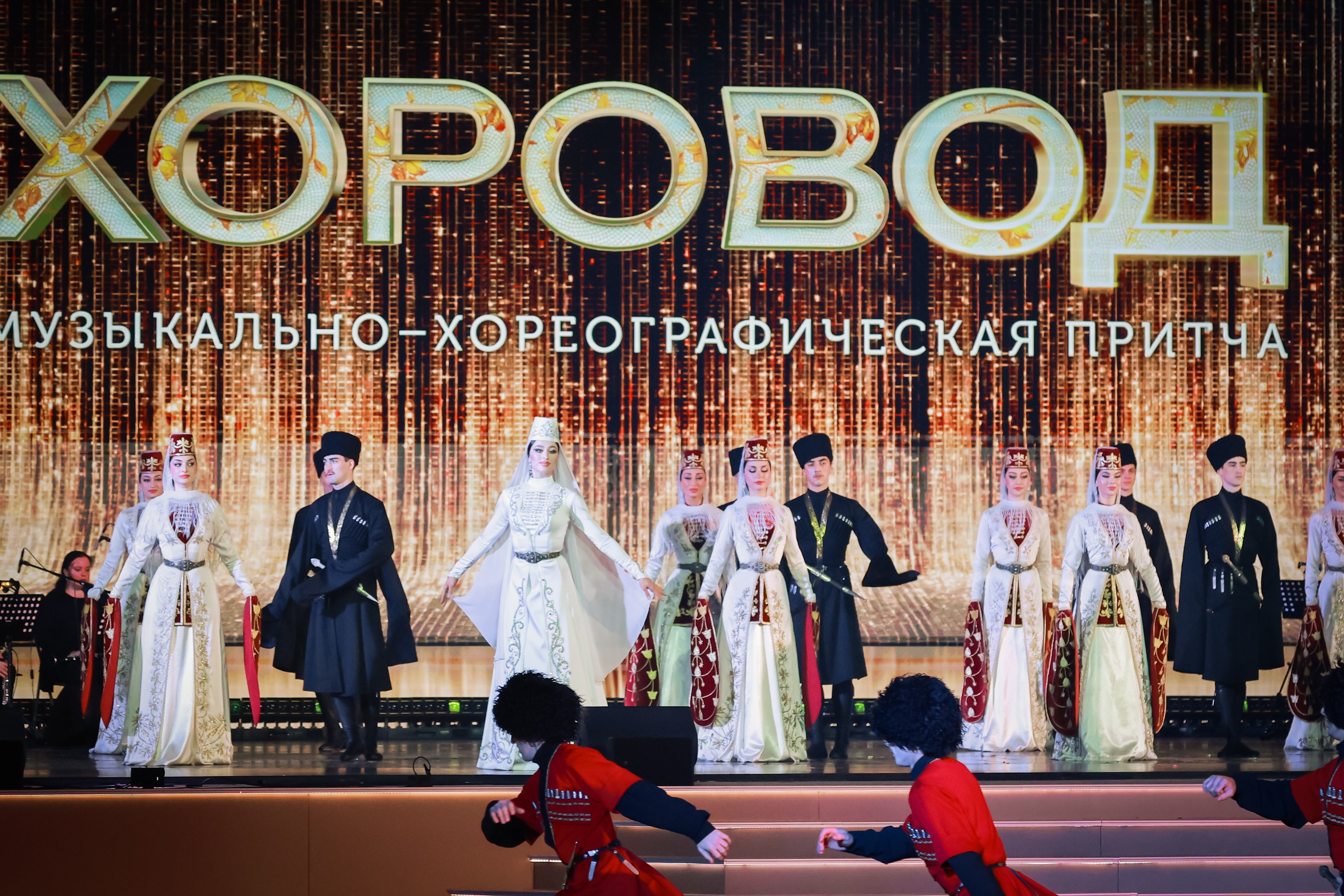
At the heart of the parable are Russia's inner strength and the invisible threads that hold its people together — spiritual values and cultural legacy. They are a source of creativity and give people the impetus to move forward. The production expresses this idea through the khorovod, a circle dance that symbolises unity. No one comes first or last, and every person is an essential part of the group moving in unison. The blend of folk dance traditions with contemporary choreography and music underscores the unbroken link between eras, combining respect for cultural roots with a willingness to explore new horizons. A lively rhythm and a powerful energy fill the space, linking past, present and future.
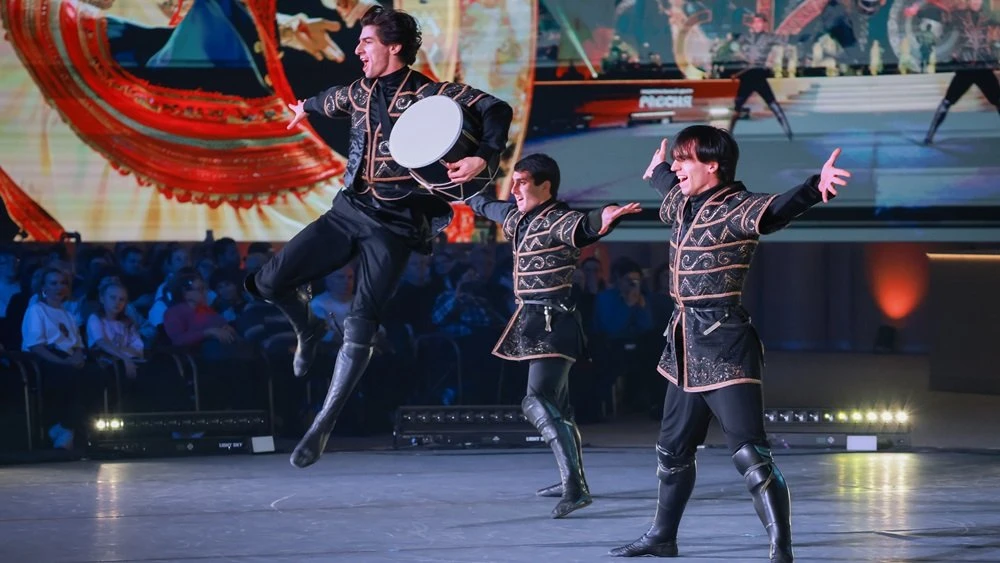
Chulpan Piotrovskaya, who conceived the production, explained where this strength comes from through a metaphor the audience picks up in the opening minutes of the performance. "In the music and dance parable 'Khorovod. The Energy of Unity', we explore the sources of Russia's vitality. At the heart of the production is the image of a spring. People once flocked to springs, and communities of different peoples grew up around them across the country. A spring draws everyone who comes for water. It becomes a meeting place and the first source of strength from which life begins. Throughout the parable, we explore the springs of love, nature, relationships between men and women, a mother's blessing, kinship and the coming together of families. These are Russia's values, shared by all the peoples who live in the world's largest country."
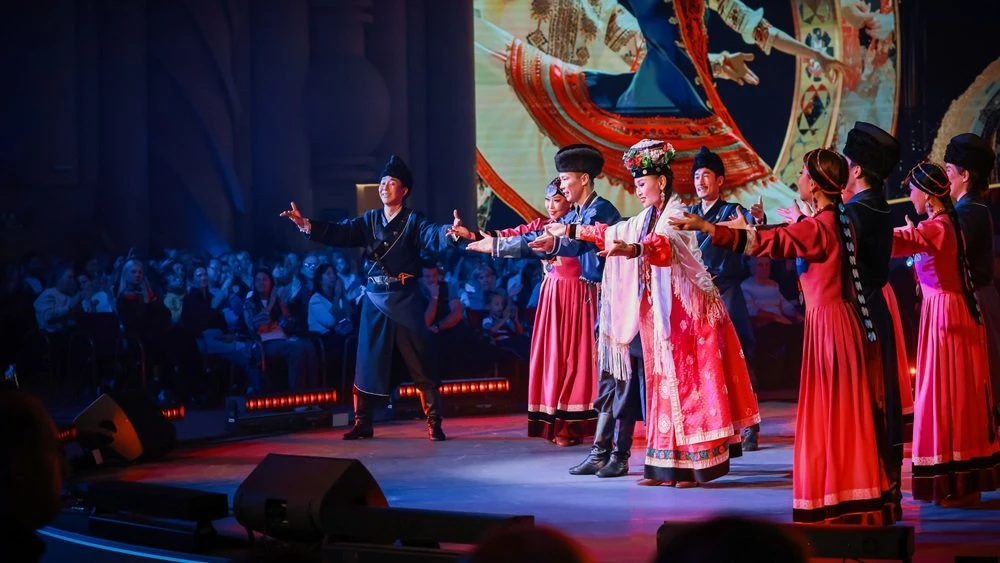
The music and dance parable "Khorovod. The Energy of Unity", presented at the National Centre RUSSIA, brought together performers and ensembles from across the country — the Donetsk People's Republic, the Republic of Karelia, the Kostroma and Irkutsk Regions, the Khabarovsk Territory, Moscow, the Republic of Crimea, the Republic of Sakha (Yakutia) and the regions of the North Caucasus. A substantial part of the programme consisted of original pieces created by the National Centre RUSSIA specifically for the culminating "Khorovod" series. The story unfolds through the figure of Mother Earth, which brings audiences closer to the roots of the people's strength — a mother's unconditional love, care for nature, strong family bonds, and a commitment to preserving historical memory and long-established traditions.
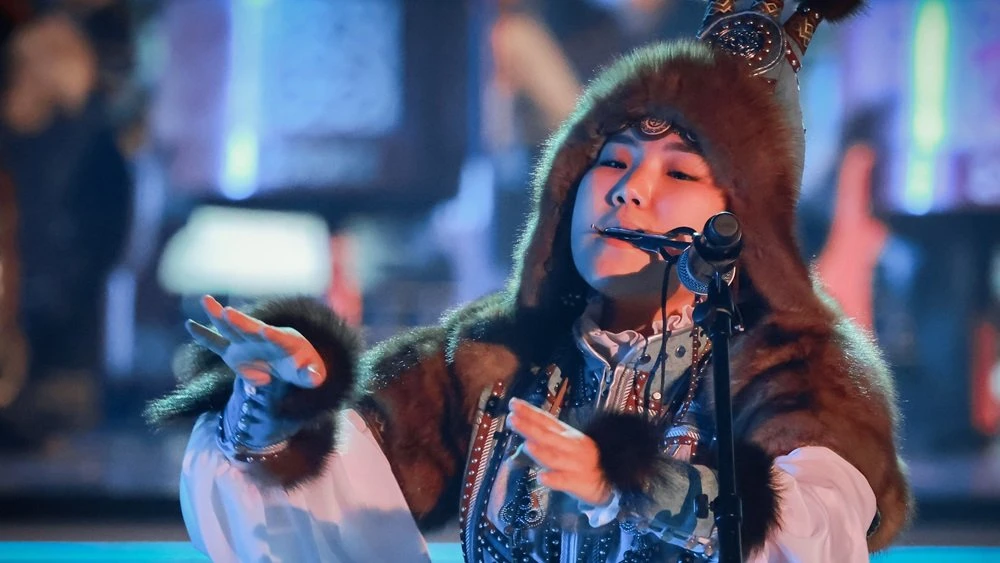
Another highlight for audiences was "Dance of Nature", which combined contemporary choreography, throat singing, the sound of the jaw harp and electronic sound design. The piece featured Anastasia Bobrovka, a virtuoso of throat singing and sound imitation, and Ildar Gainutdinov, a guest soloist at the Bolshoi Theatre. The dancer said he had never done anything like it before. It was his first encounter with folk-inspired music and throat singing.
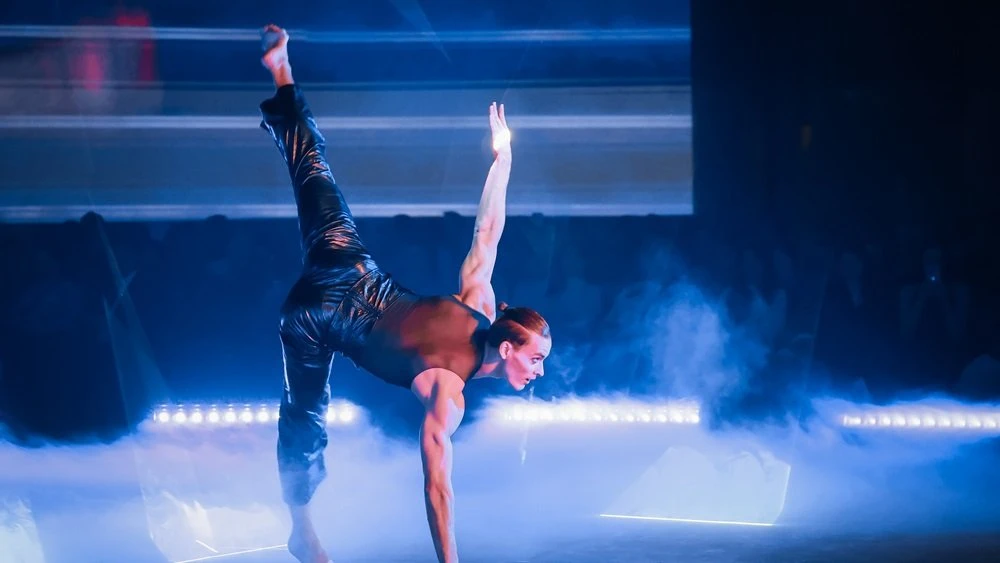
"It was very important to preserve the way the two art forms work together and interact directly and harmoniously. Our piece brings together very different disciplines. Even in my own dancing, I try to bring together styles that are quite different from one another, including contemporary dance, classical dance and acrobatics. I think this is a time for collaboration, for coming together, experimenting to find something new and using what we discover to create something new and unique in art. It's a time to create together, and this project gives audiences a unique chance to see that in us, in our piece and in 'Khorovod' as a whole. It's a unique opportunity for everyone!" the dancer noted.
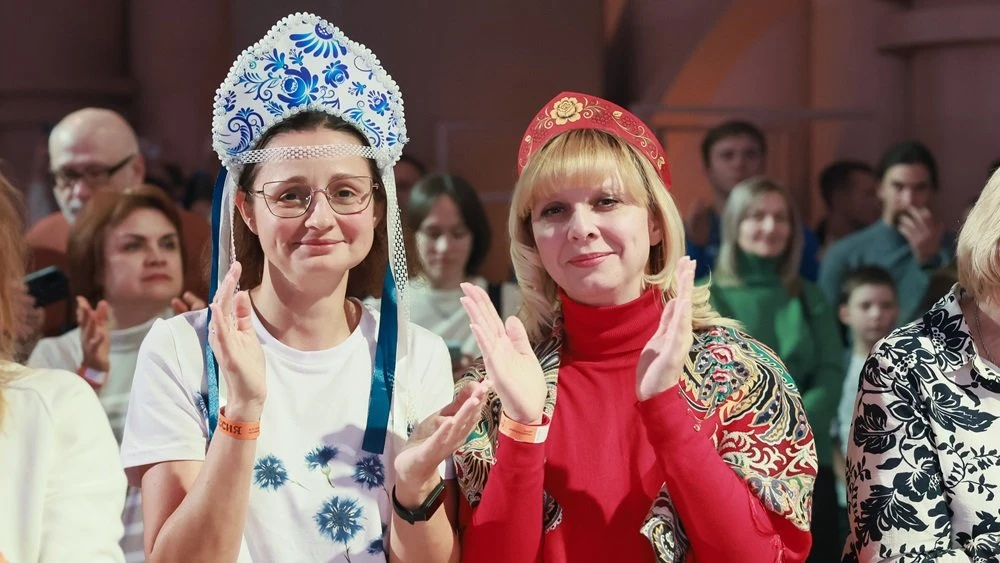
Anastasia Bobrovka added that she admires how traditional genres and folk culture are presented to audiences in a contemporary way while retaining their distinctive character.
"In our piece, everything starts with folk music, and then modern beats come in. I think this kind of arrangement helps reach younger audiences as well as older generations. I find that really inspiring," the performer stressed.
The original piece "Harmony", which brings beatboxing and folk song together, was a striking example of harmony both among the country's peoples and between contemporary rhythms and folklore. World beatboxing champion, singer and composer Vakhtang Kalandadze explained why such an experiment helps introduce traditional art to new audiences and noted the sheer scale of the production.
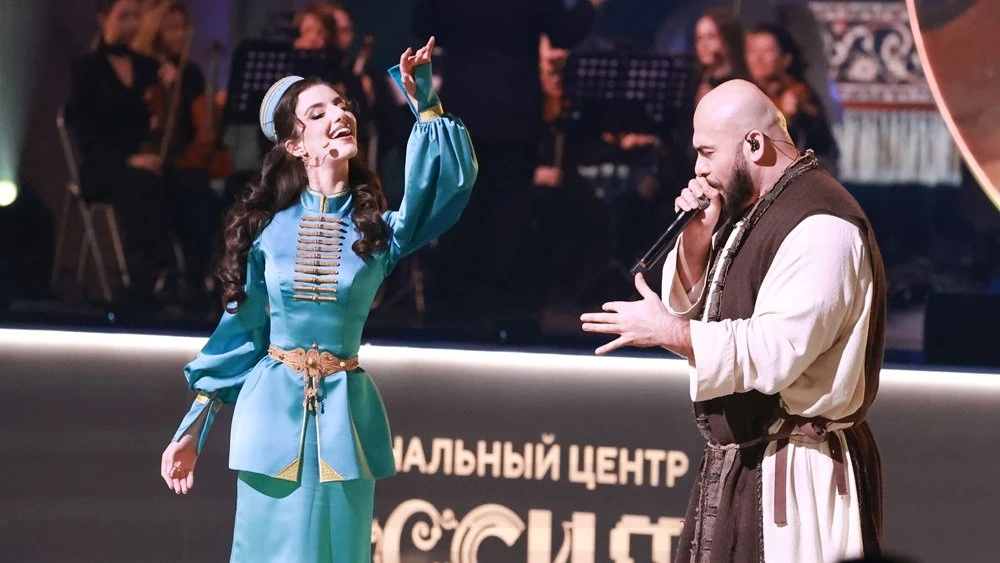
"It's a great honour to take part in this large-scale celebration of music and dance at the National Centre RUSSIA. Our piece with the wonderful Saniyat is about preserving tradition, modesty and beauty. And of course beatboxing makes it easier to connect with the traditions and enduring elements of our vast country, especially for young people, who respond to this unusual combination. Through productions like these, we pass on sound values and teach young people to live with honour," stressed Vakhtang Kalandadze.
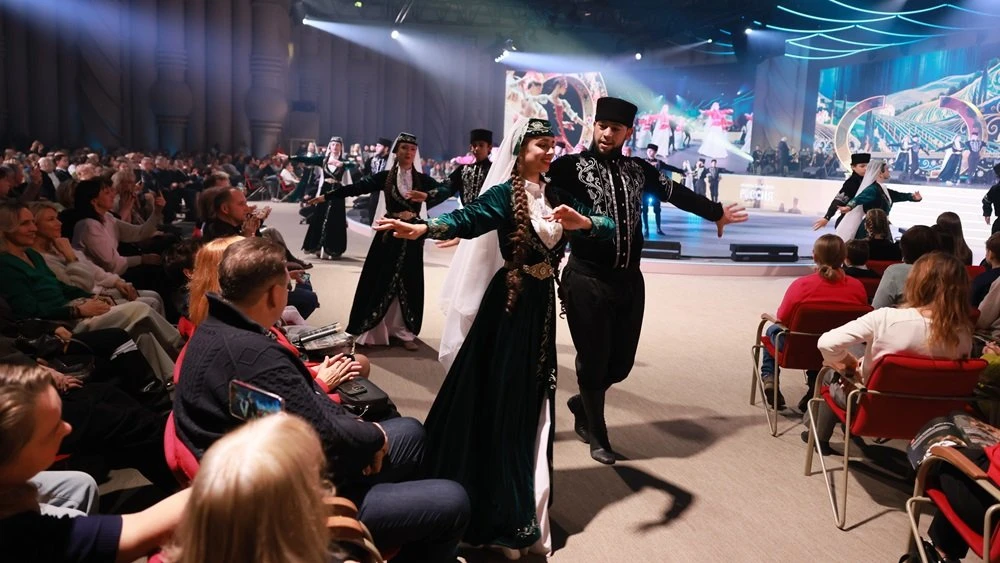
Performances by young artists showed how love for the Motherland and its traditions is passed from one generation of performers to the next. The "Dobun" folk ensemble, the Atesh Model Crimean Tatar Dance Ensemble, the "Domisolka" Children's Musical Theatre and the ART FORCE dance studio took to the stage. The young performers showed how they learn from those who came before them, carefully preserve their country's cultural identity and bring their own dreams, ideas and discoveries to its story.
The finale was "Pereplyas (Dance-Off). Our People Join the Khorovod". All the ensembles came together to present the best of their respective cultural and artistic traditions. The production ended with a shared khorovod, a symbol of unity, mutual respect and shared energy, in which both the audience and the performers took part.
The music and dance parable "Khorovod. The Energy of Unity" will also be performed on 12 November. The production will also be broadcast on Channel One in November. Follow our website and social media for updates!
Event photobank

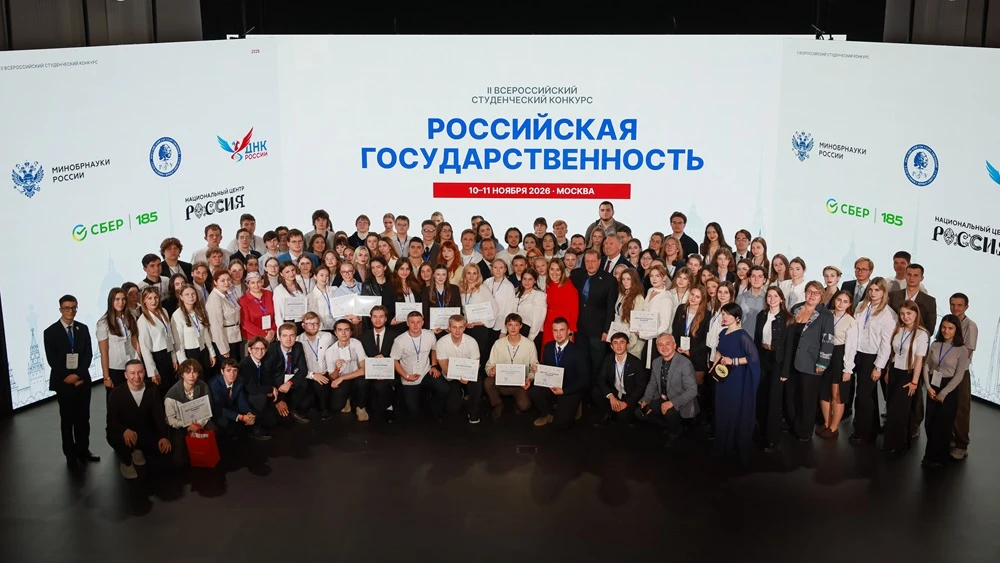
The closing ceremony of the All-Russian Contest of Student Projects on "Russian Statehood" was held on 11 November at the National Centre RUSSIA.
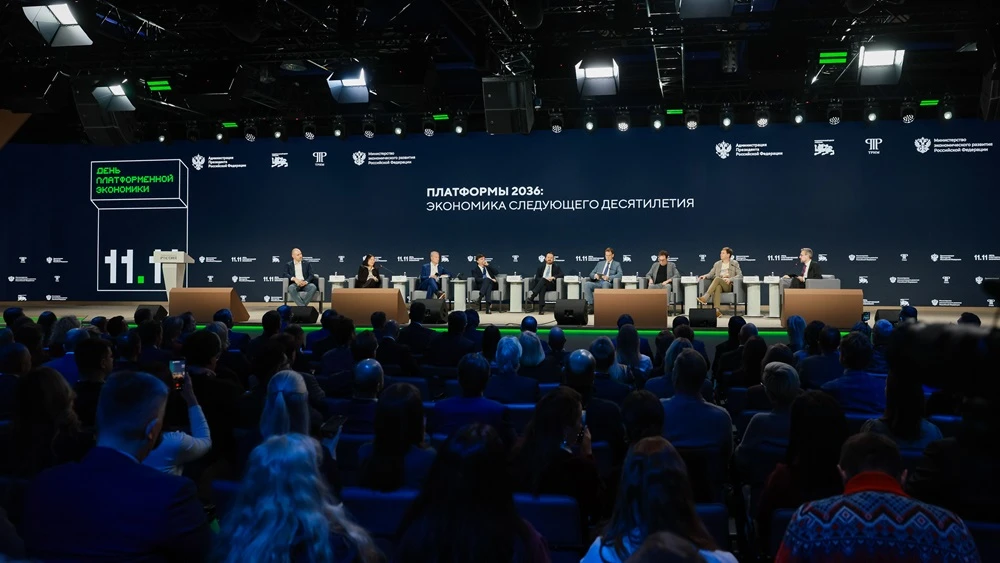
Digital platforms are becoming the new infrastructure of the Russian economy, and the national strategy should create the conditions for their further development.
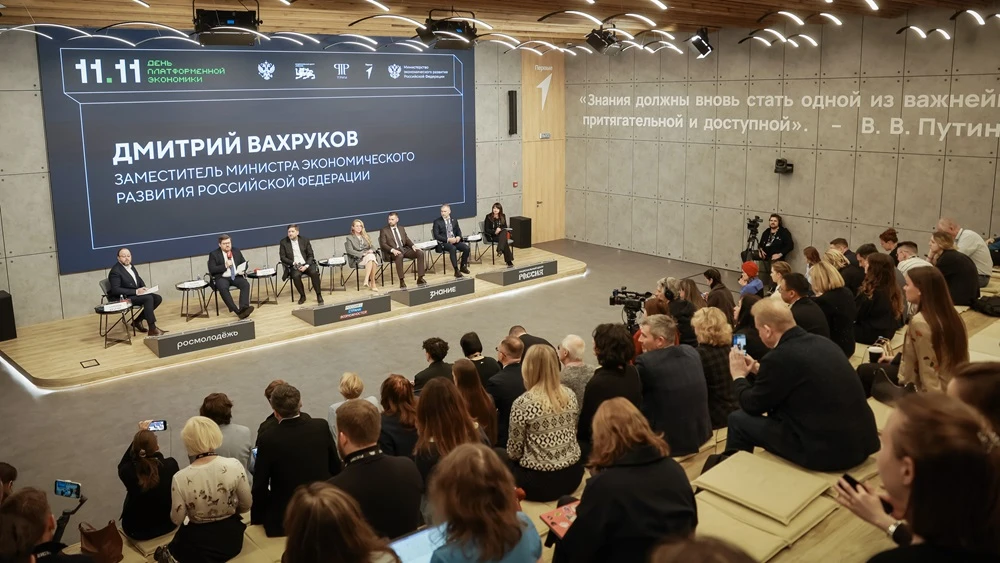
According to the experts, the model adopted for platformisation in tourism affects sales, the structure of the labour market itself and productivity.


