


Platformisation of tourism could generate up to 16 million additional room nights a year for hotels
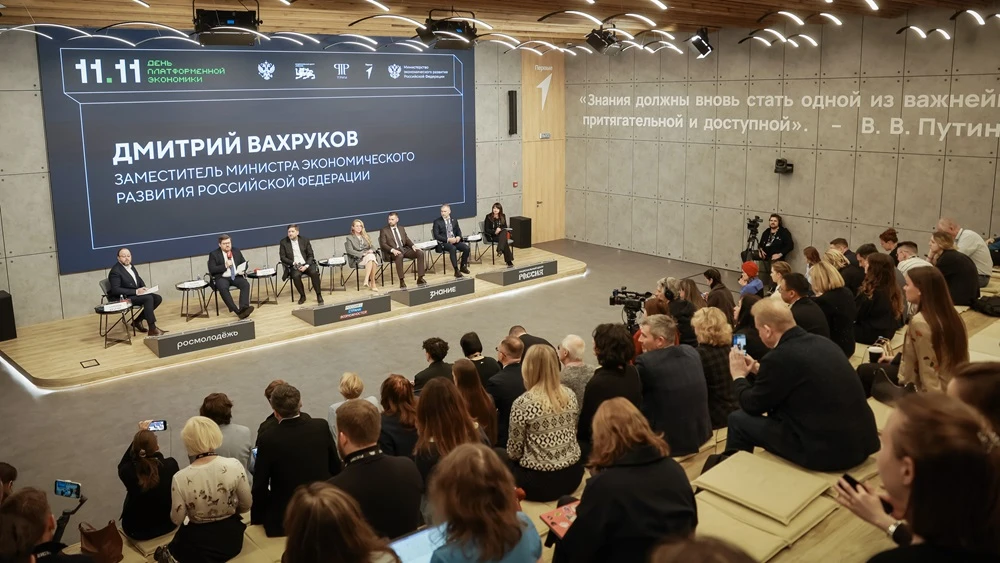
As AI agents become more widespread in tourism, the industry will need to agree on new rules for working together, including the terms on which reviews, ratings and other platform data can be used. Participants discussed this issue, along with the impact of platformisation on the structure of the travel labour market and on inbound tourism, at the session "Tourism Without Barriers: From Standalone Services to Seamless Travel", held as part of Platform Economy Day. The session was organised by the Association of Travel Aggregators (ATAG).
The discussion was based on a report presented by the tourism expert group of the Interdepartmental Working Group on the Development of Digital Economy Ecosystems and Digital Platforms.
According to the experts, the model adopted for platformisation in tourism affects sales, the structure of the labour market itself and productivity. The working group's experts estimate that automating and digitalising existing processes could reduce the amount of labour required for operations by 10%. By 2036, measures to digitalise the sector could raise effective room occupancy by 2–4 percentage points, generating an additional 7–16 million room nights a year. Up to 1.2 million people could earn income through travel platforms.
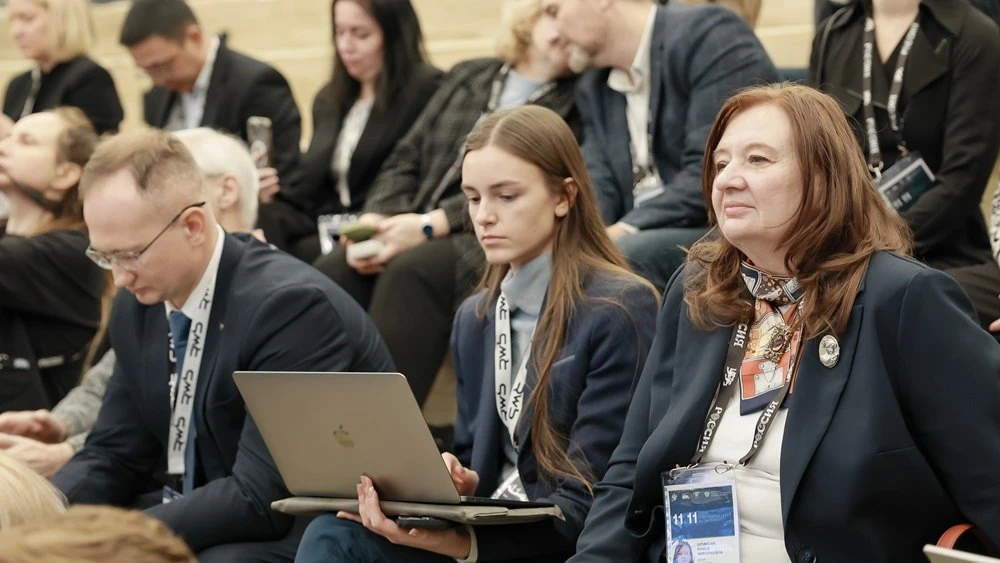
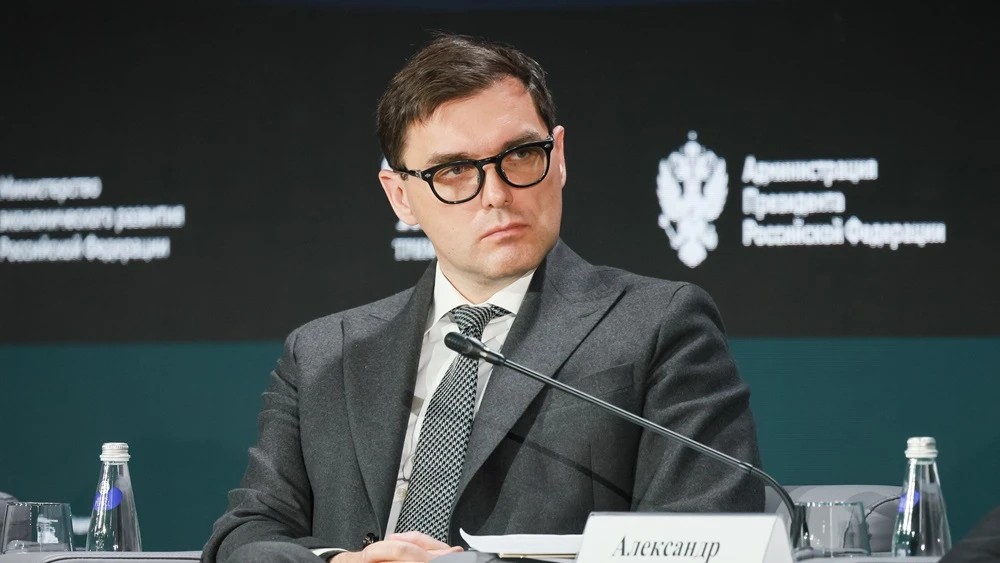
"Platformisation is a long-term transformation of the industry, and the association's job is to ensure it proceeds in a coordinated way and benefits everyone involved — digital platforms, service providers, regions, the government and, ultimately, travellers themselves. In our analysis, we examined trends, including technological ones, and existing barriers. We also looked at models for expanding into foreign markets and proposed ways to further the adoption of platforms in tourism." — Alexander Bragin, Director of the Association of Travel Aggregators (ATAG).
A seamless tourism model brings together the capabilities of digital platforms and tour operators. Digital platforms make travel accessible to more people, while tour operators put together high-quality travel products. Olga Gnezdilova, Director General of the tour operator FUN&SUN, explained this during the session.
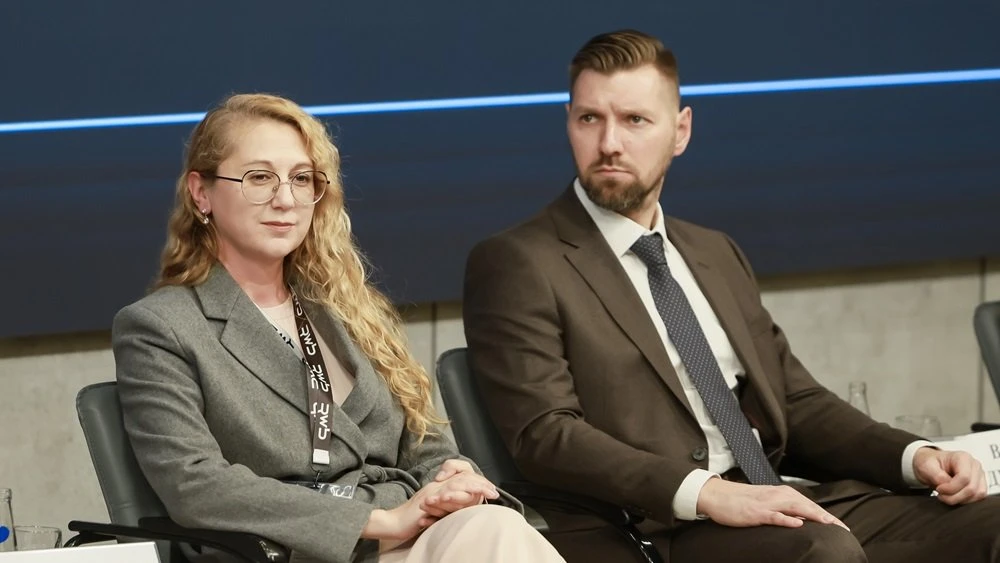
"In a seamless tourism model, digital platforms make travel more accessible, and tour operators provide the foundations for the ecosystem to work. They bring suppliers together, put together high-quality travel products and see to it that the services are delivered. By securing transport and accommodation in advance, tour operators ensure availability and can offer holidays on competitive terms. Digital platforms make it possible to offer these products to a wide audience," explained Olga Gnezdilova, Director General of the tour operator FUN&SUN.
The use of platforms is already standard practice in tourism and will continue to change how everyone in the market works together, according to Daria Kochetkova, Managing Director of the Ostrovok group of companies. "For service providers, especially small businesses in the regions, platforms offer a way to raise their profile, reach a wide audience and attract tourists without spending heavily on their own marketing. For travellers, this means a wider choice of destinations and accommodation, access to verified information, easy booking and clear ways to deal with service providers."

The "Unified Digital Platform for Tourism", a government information system currently under development, will play a major role in how the future tourism market is organised. Its functions will include collecting and storing trusted data, maintaining registers and compiling industry analytics. Businesses will be responsible for putting together the final products.
"One of the main tasks of the unified government information system for tourism today is to help travel platforms develop by building lasting trust among those who operate in the tourism market. It will do this by providing comprehensive, authoritative registers of providers across the full range of tourism services and infrastructure, extensive industry analytics and access to government services," explained Dmitry Vakhrukov, Deputy Minister of Economic Development of the Russian Federation.

Advances in AI are ushering in a new stage in how businesses and customers interact across the travel market. Soon, users will be able to start planning a trip by telling an agent what they are looking for, and the agent will find suitable options. Participants said this would change where customers begin their search and require the industry to agree on terms for using data.
"AI is already changing the top of the travel sales funnel. Research shows that one in two travellers is open to having AI suggest trip options. A sustainable business model for this channel is still taking shape. The recommendations AI agents make rely on a great deal of work by platforms and properties themselves to gather reviews, ratings and other content. If agents use that content, they need to do so under clear rules," noted Alexander Zverev, Business Development Director at Yandex.Verticals (the Yandex Travel brand).

The discussion around AI therefore covers the ease of searching, the reliability of listings, the terms of transactions and the support users receive. Digital platforms will therefore continue to play a key role.
"Platforms bring a wide range of accommodation together in one service, where guests can choose, book and pay for a stay, and property owners can find guests and manage bookings. A platform sets clear rules for how they deal with each other, improves transparency and builds trust. That is the basis for reliable bookings and secure payments. In the age of AI, this role is becoming even more important. Even the most autonomous agent needs high-quality data and reliable infrastructure to help people choose and book accommodation. Digital platforms can provide both," said Artyom Kromochkin, Managing Director of Avito Travel.
Inbound tourism is a separate area of platform development. One aim of the platformisation model is to increase the share of international visitors' spending on accommodation in Russia that goes through Russian platforms from 33% in 2025 to 50% by 2036. The share of exports in Russia's tourism balance should exceed 30%. Participants said that platforms already generate a steady flow of bookings from international visitors. To increase the share of those visitors' spending that goes through Russian platforms, it is important to provide a seamless experience for international guests, promote Russia abroad and do more to develop domestic tourism. The domestic market gives Russian platforms the foundation and resources they need to compete abroad.
Participants identified several barriers to further platformisation, including market fragmentation and uneven adoption of digital technology. Local tourism services, for example, still lack transparency and make limited use of digital tools.
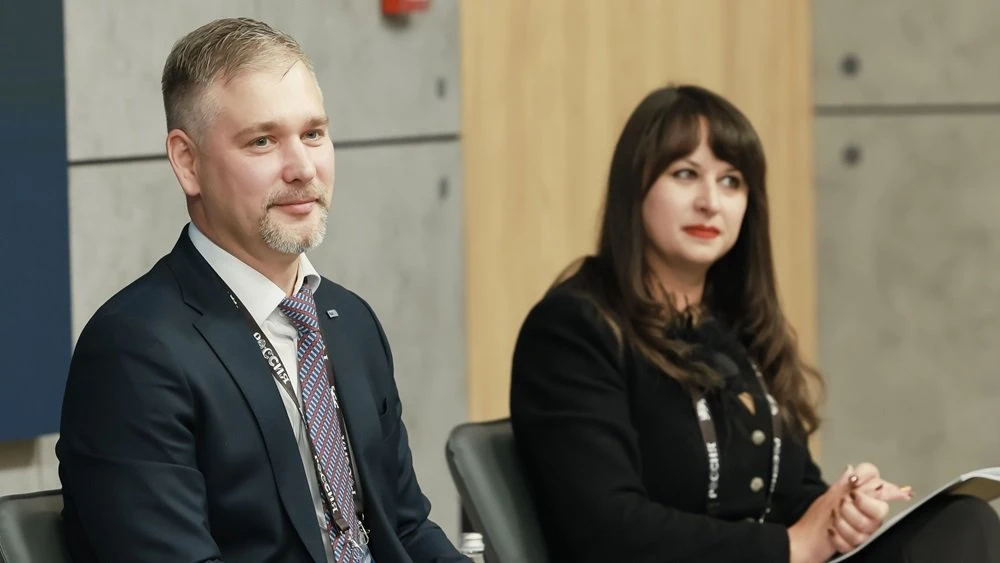
"At Tutu, we were the first in the travel market to let AI agents book trips via MCP, and we use them as a sales channel. Today, travellers compare offers on websites and in apps. In the near future, they will increasingly choose from a personalised selection put together by their AI agent. The platforms that come out ahead globally will be those that give agents more up-to-date data, make sure their offers are well represented in the agents' results and let travellers put together and book an entire trip in a single conversation," emphasised Vyacheslav Dusaleev, Director General of the Tutu travel service.
Participants also put forward proposals to amend Federal Law No. 289-FZ, which establishes the legal framework for the platform economy, and the legislation governing tourism.
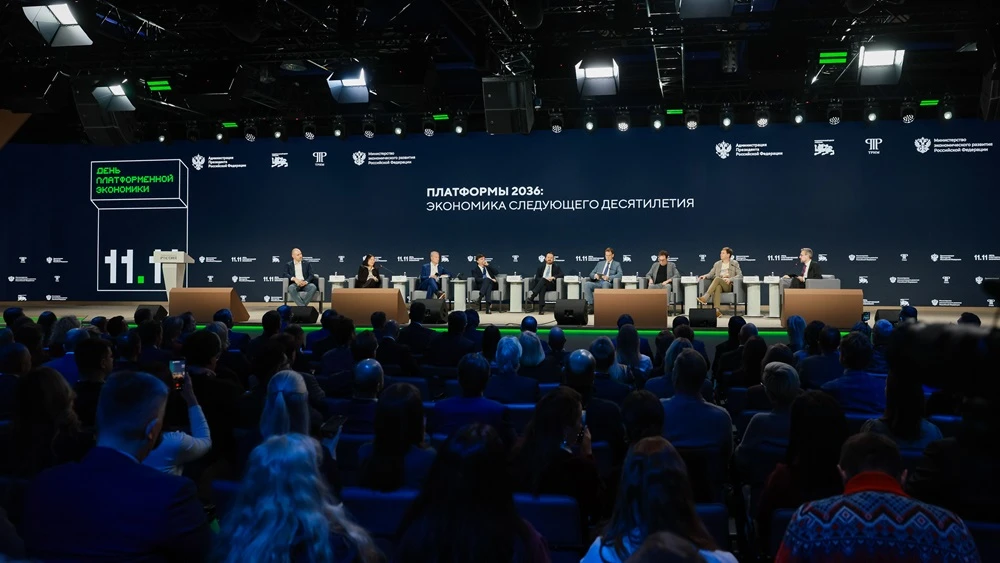
Digital platforms are becoming the new infrastructure of the Russian economy, and the national strategy should create the conditions for their further development.
These platforms could be built around individual digital profiles containing verified records of people's education, the skills they have acquired and their professional experience.
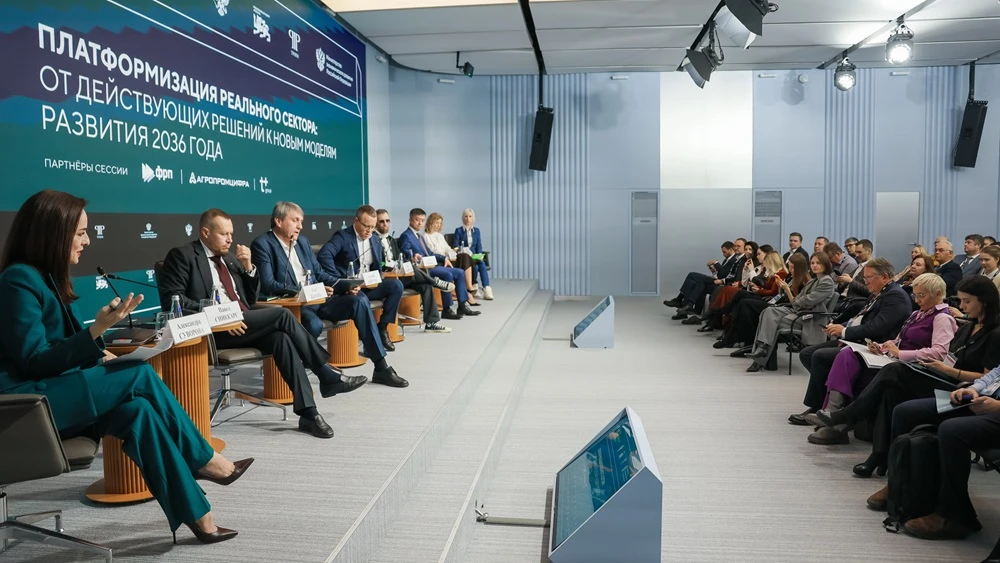
The session was held on 11 November at the National Centre RUSSIA as part of Platform Economy Day.


