


Russian education and employment platforms could enter the international market by 2036
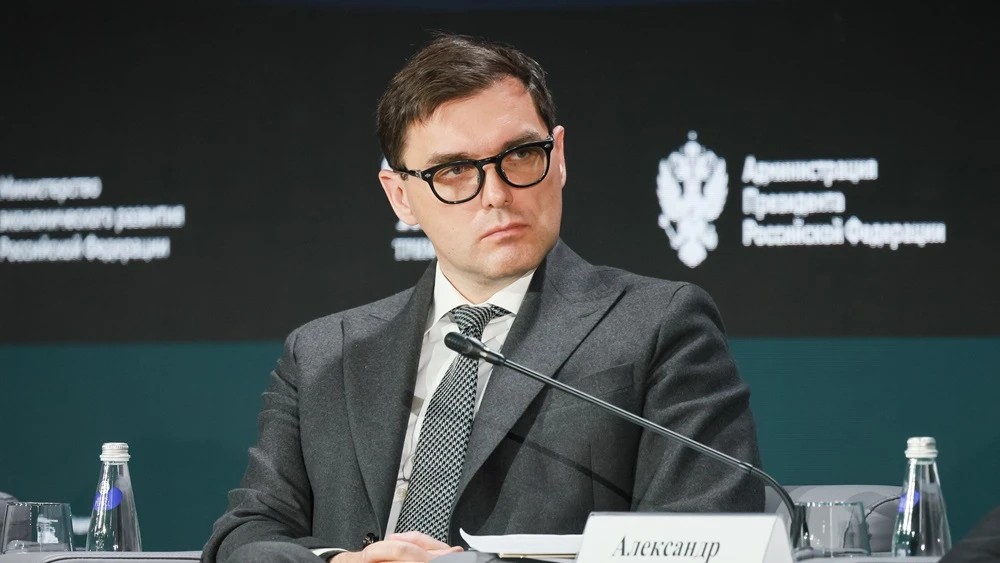
Russian digital platforms that combine education, qualification verification and pathways into employment could enter the international market by 2036. These platforms could be built around individual digital profiles containing verified records of people's education, the skills they have acquired and their professional experience. The prospects for this approach were discussed on 11 November at the National Centre RUSSIA at the session "A Seamless Transition from Education to a Career: How Platforms Are Changing the Way People Engage with the Labour Market", held as part of Platform Economy Day.
Participants concluded that digital profiles would allow people to use their educational and professional achievements when pursuing further study or looking for work, and would enable employers to verify candidates' qualifications. Pilot projects in neighbouring former Soviet countries or in Africa could be among the first steps, particularly in agricultural technology and robotics. New educational programmes, Russian universities and employers could be brought on board at a later stage.
"In the longer term, we see potential for an end-to-end digital platform that brings education and employment together to enter the international market. A move towards such platforms will be possible as we build on successful exports of Russian educational products, establish lasting partnerships and assess demand in overseas markets," said Alexander Tarabrin, Head of the "Prosveshchenie" Group (part of the VEB.RF Group) and Deputy Chairman of VEB.RF.
Three potential models for exporting educational platforms have been identified as part of the work on the National Strategy for the Development of Digital Platforms. The first would enable foreign nationals to study through Russian platforms, with the option of going on to enrol at Russian universities and find work in Russia. The second would involve exporting the platform's core technology, which overseas partners could adapt to their national education standards and use to deliver their own content. The third would involve building franchise and partnership networks and establishing joint training centres.
"Russian educational platforms have a competitive advantage because they combine high-quality educational content, a strong tradition of teaching methodology and mature technology. Russian companies can offer overseas partners both ready-to-use educational products and flexible platform solutions. These are the models that help partner countries strengthen their technological and educational sovereignty," Alexander Tarabrin emphasised.
He noted, however, that an educational product cannot be exported without adapting it extensively to the needs of the country in question. Translating the interface or content into another language is not enough: national standards, cultural differences, data protection requirements and the local system for awarding qualifications must also be taken into account. Alexander Tarabrin added that bringing integrated educational platforms to international markets would also require coordinated action by government and business.
Platform Economy Day is being held on 11 November at the National Centre RUSSIA. Representatives of government, business and the expert community are discussing the main areas in which Russia is adopting platform-based models, from solutions for individual sectors to broader approaches to developing digital markets.
The National Centre RUSSIA is hosting thematic sessions across three areas: "Platforms for People", "Platforms for Business" and "The Architecture of the Platform Economy". Participants will discuss how platforms are changing trade, the urban environment, finance, employment, healthcare, tourism and education; how sector-specific platforms will develop in industry, energy and agriculture; and what roles artificial intelligence, data and market competition will play. The main event was the plenary session "Platforms-2036: The Economy of the Next Decade", which was attended by Maxim Oreshkin, Deputy Chief of Staff of the Presidential Executive Office of Russia. The session examined the main approaches to the national strategy for the development of digital platforms through to 2036, which is being drafted on the instructions of Vladimir Putin, President of the Russian Federation.
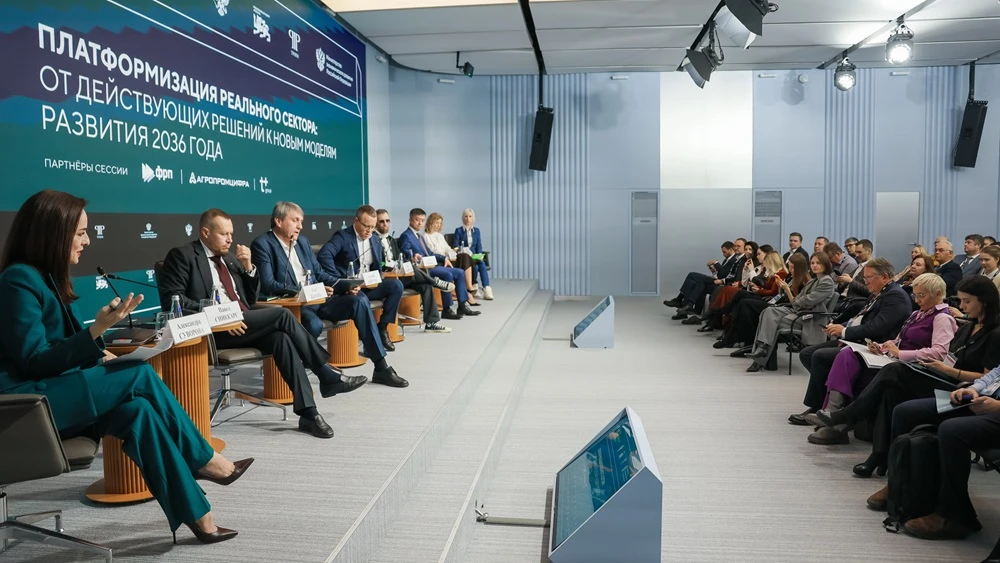
The session was held on 11 November at the National Centre RUSSIA as part of Platform Economy Day.
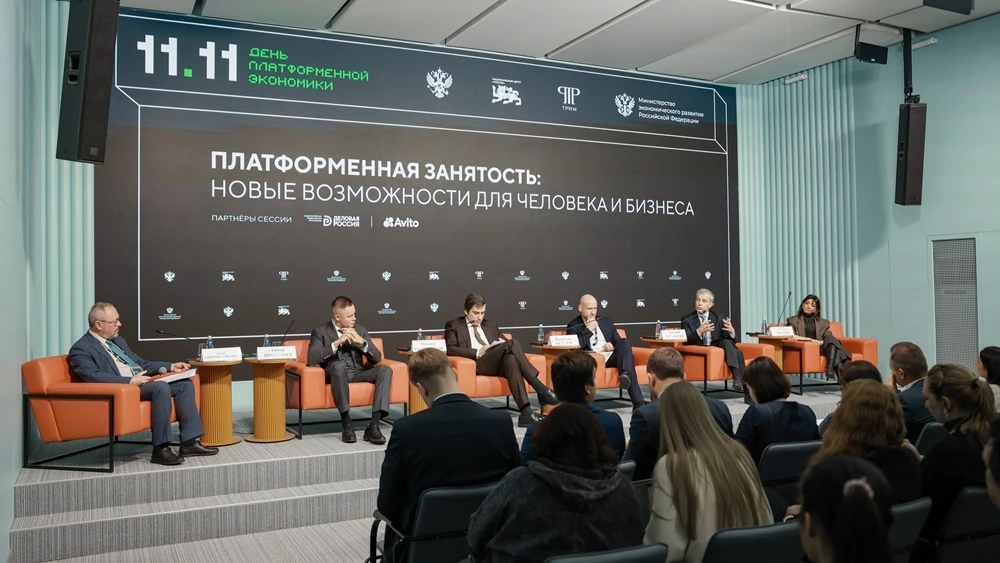
The industry group's estimates suggest that platform development between 2025 and 2036 could help bring the earnings of more than 7.5 million people into the formal economy.
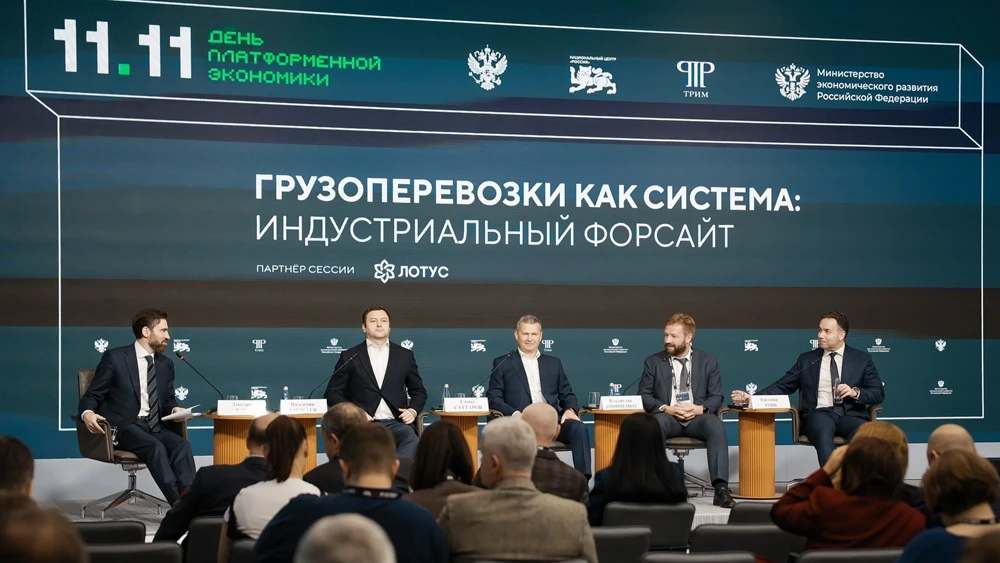
The foresight session "Freight Transport as a System: Industry Foresight" was held on 11 November at the National Centre RUSSIA.


