


A single digital framework for three sectors: the National Centre RUSSIA identifies ways to develop digital platforms in agribusiness, energy and industry
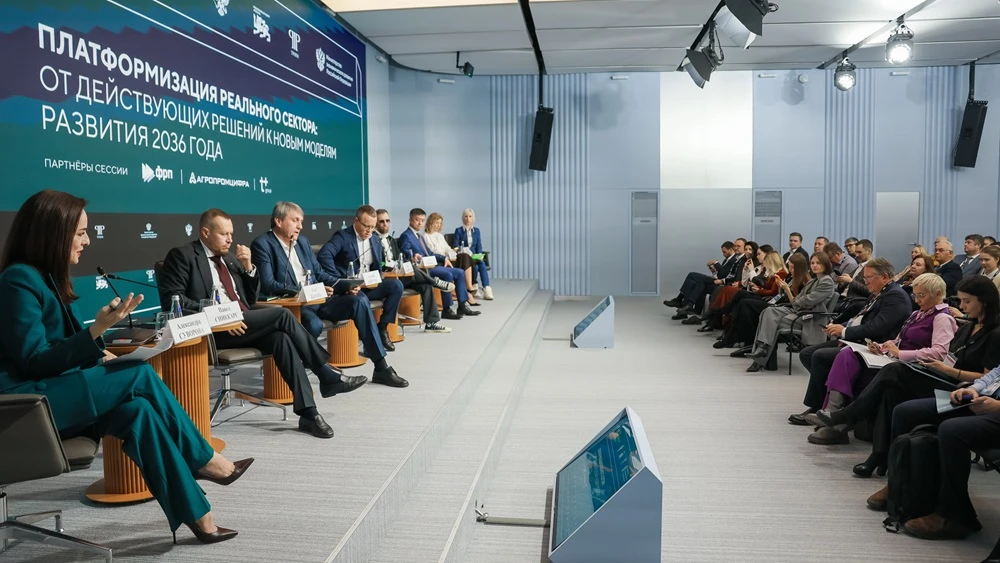
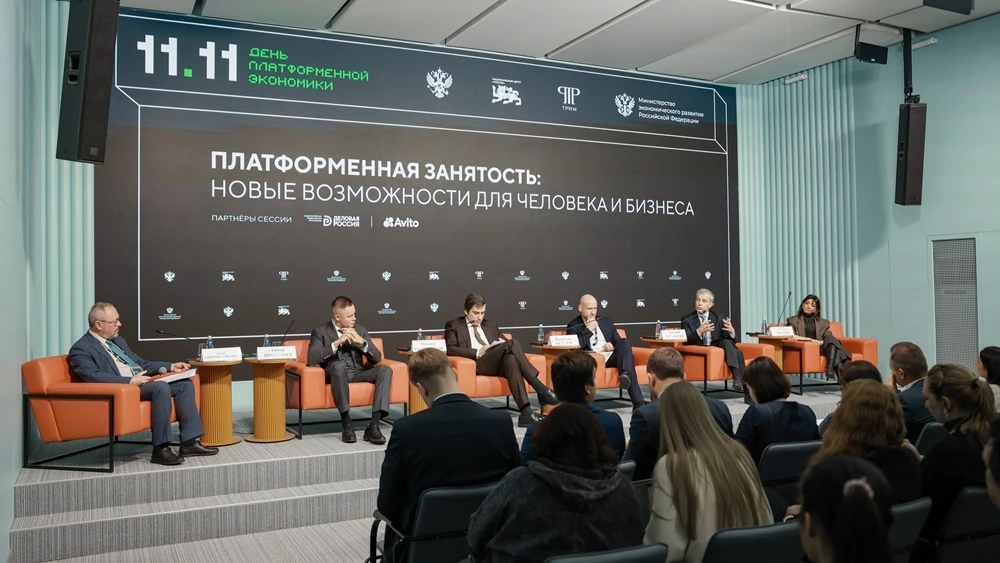
How can common digital rules bring together three key sectors of the economy — energy, industry and agribusiness? Who should pay for the infrastructure behind new platforms, and how can successful pilot projects be rolled out nationwide? These were the main questions at the session "Platformisation of the Real Sector: From Existing Solutions to New Development Models for 2036". The session was held on 11 November at the National Centre RUSSIA as part of Platform Economy Day. Representatives of government, business and sector experts discussed how digital platforms are already changing the wholesale electricity market, industrial production chains and agriculture.
Oleg Barkin, a member of the Management Board of the "NP Market Council" Association and Director General of Energy Certification Centre LLC, noted that Russia's energy market was designed from the outset as an integrated platform encompassing technology, economics and organisation. He said this cuts out unnecessary intermediaries, ensures that prices are calculated automatically and gives market participants a direct say in how the rules governing the system are changed. Oleg Barkin added that an international market is already being developed using this infrastructure and that innovations are being introduced, including a demand response system and a system for certifying the origin of electricity.
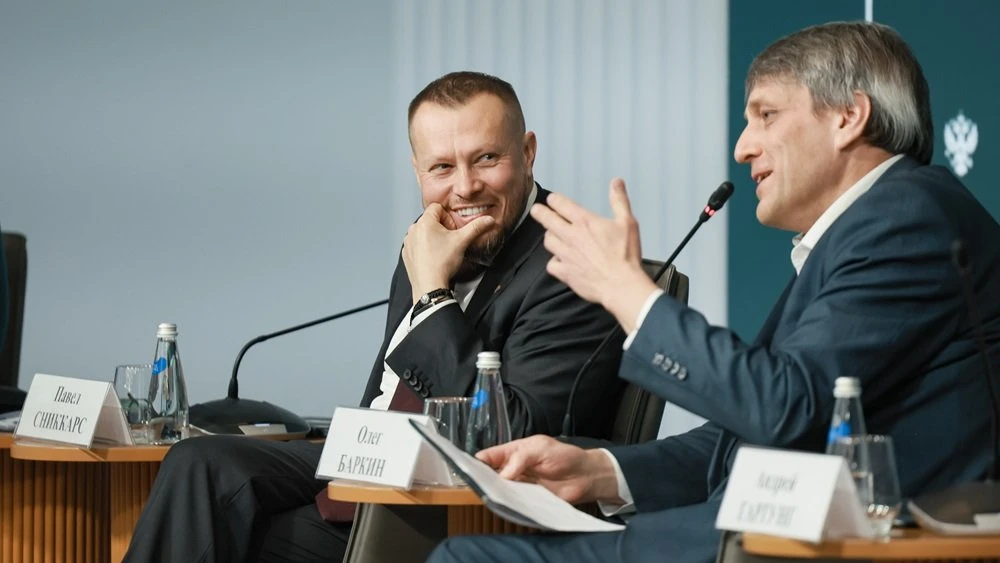
Pavel Snikkars, Director General of T Plus PJSC, said that the expert working group had examined and analysed six key stages in the energy sector's life cycle and concluded that platforms were easier to introduce at stages involving direct contact with consumers. The use of digital platform solutions also depends on funding from corporate and government services.

"Platformisation is impossible without digitalisation. The heat supply sector is highly localised, with operations tied to specific areas within Russia's regions. The working group set out its ideas for developing platform solutions as clearly as possible at the methodological level. T Plus's experience is particularly valuable in creating digital twins of heat networks, regulating energy sources, collecting feedback on heat supply quality indicators and metering for billing. One of the main tasks now is to make heat supply more efficient, given limited resources and the long service lives of energy facilities. Building new combined heat and power plants and introducing platform solutions through which consumers themselves are willing to reallocate spare capacity could help establish a clearer commercial balance of capacity and energy. Digitalisation will help organise these processes," he said.
Sun Tianshu, founder and Chairman of the Board of Directors of QIFA PJSC, used China as an example to explain how platform solutions are making their way into every area, from household payments to heavy industry. He said that China's digital services boom was made possible by the combination of a huge domestic market, a billion internet users and capital flowing freely into promising business models.
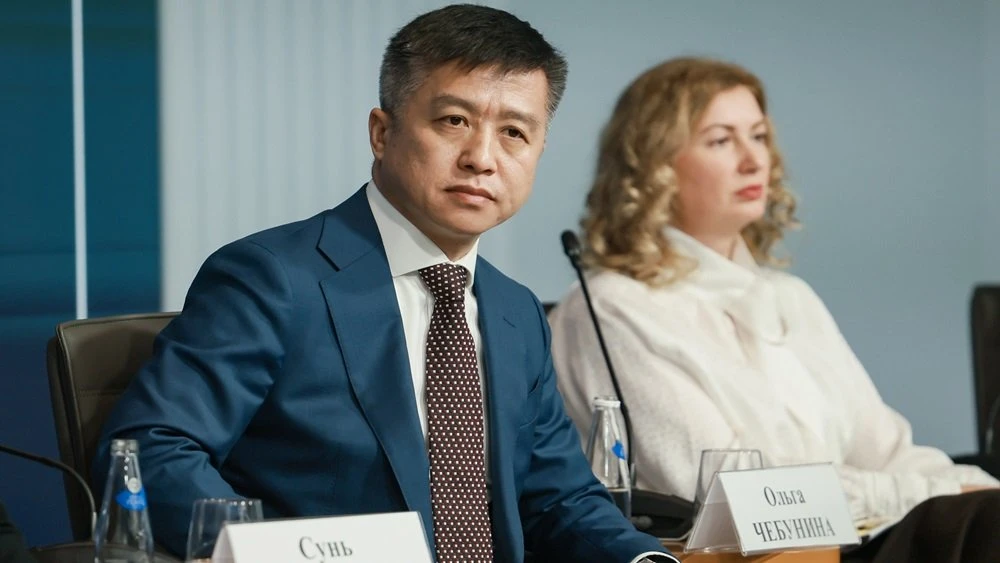
"The first secret is the sheer size of the Chinese market. Any platform that finds the right model can grow several times over in a short period. The second is that more than two thousand investment funds are actively investing in digitalisation. Third, in recent years the Chinese government has invested heavily in offline and online infrastructure, and universities have trained vast numbers of programmers. Businesses in Russia are only just beginning to explore these opportunities. Most companies lack the experience and skills they need, and they often require non-standard products. Russia also has its own legal requirements for certification and customs clearance. These are the specific problems we address by providing digital solutions that let Russian companies buy industrial goods directly from Chinese manufacturers, with turnkey delivery as well as after-sales service, warranties and technical support. I see enormous potential in this," said Sun Tianshu.
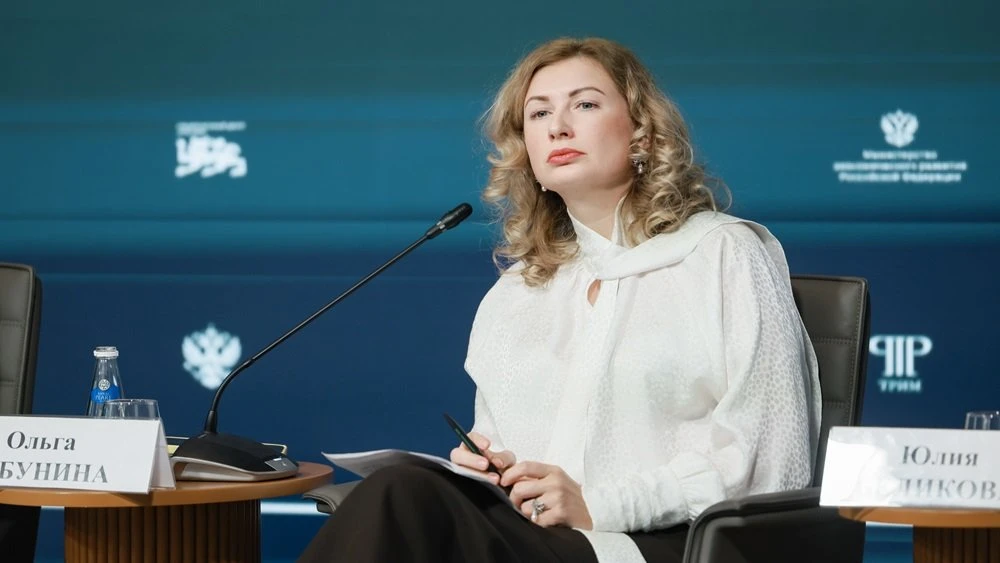
Olga Chebunina, Director General of Agropromtsifra JSC, said that the breakthrough in developing Russian digital technologies for agriculture came in 2022 with the establishment of industry competence centres. She said that the sector's main task today is to bring separate digital solutions together in a single framework. This will help reduce transaction costs and meet the target for improving labour productivity.
"Digitalisation is a means to an end. It helps improve productivity and lower production costs. Take grain harvesting as a practical example. If it rains and the schedule changes, the producer currently has to use several different services to rearrange logistics manually with the grain elevator and grain hauliers. We need the producer to enter the data once so that any changes to the schedule are handled automatically. We are therefore building a government digital platform that will give users a single point of access to commodity exchange, logistics, insurance and financial services. The system has several independent components, but the customer can use them in one seamless process," Olga Chebunina explained.
Yulia Belikova, Director General of My Fish Place LLC (the digital platform FishPlace for the fishing industry), stressed that the economic impact of digitalisation depends directly on how actively businesses use the platform. She said that any platform proves its practical value by solving specific problems in its sector.
"The more businesses join the platform and actively use it, the greater the economic benefit for each participant. Fish processors can source fish in bulk, fishing companies can reach new markets without opening representative offices, and warehouses can cut the share of their capacity that sits idle. What matters to us is how many businesses in the industry use the platform every day, rather than how many have registered. The whole industry benefits more when businesses find one another and arrange supplies through a shared digital environment," noted Yulia Belikova, founder of Fishplace.
Platforms suit some forms of automation with robots better than others. They are already in use in some areas, while in others, according to Andrei Gartung, Director General of CHKPZ PJSC, they are unlikely to take hold even in the future. He also explained why platforms are poorly suited to integrating industrial robots, which solutions work well on platforms and how the company itself generates demand for robotics.
"Platform solutions have limited use in integrating industrial robots because each facility has its own requirements and needs extensive customisation. We effectively have to understand the customer's operations better than the customer does so we can fine-tune the entire production process before installing the robots as the final step. That's why we approach companies ourselves and offer ready-to-use solutions. The customer is buying a complete solution. A robot might cost 3 million roubles, while the solution can cost 15 million because there are too few integrators and too little competition in the integration market. We offer metalworking companies ready-to-use solutions that cost 40–50% less than comparable solutions based on imported equipment and pay for themselves in six months to a year. By making robotics solutions more affordable, we generate demand in industry ourselves. What makes sense to offer on platforms are solutions that require no integration, such as shared capacity for simple operations like metal cutting, AI agents that can be hired in place of specialists, and humanoid robots offered on a 'robot as a service' basis, such as delivery and cleaning robots. These are the kinds of off-the-shelf solutions that will be used on platforms, and we are already expanding production of such robots. Industrial robots are so highly specialised, however, that there is no place for platform solutions in industrial robot integration now or in the future," he added.
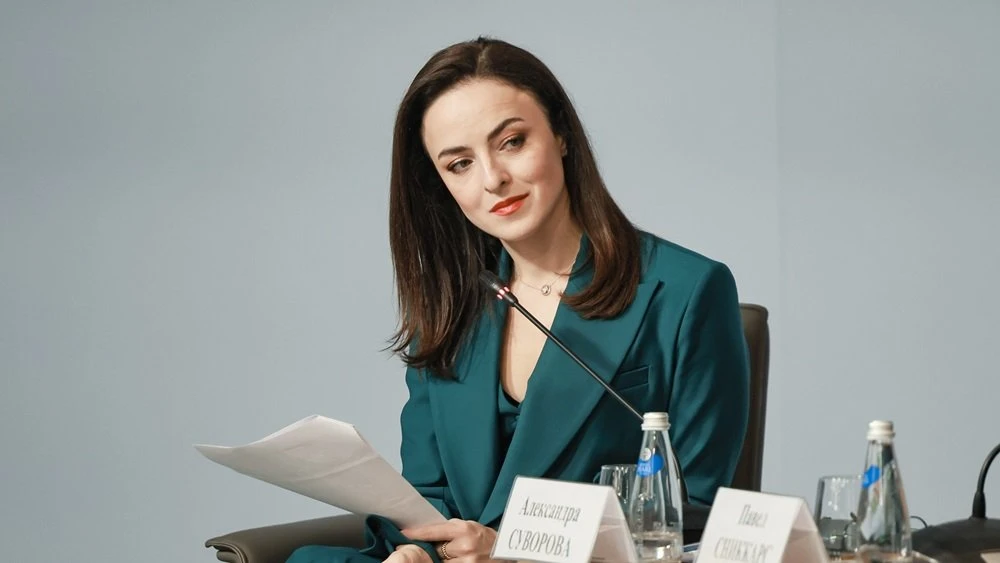
Oleg Ponomarev, co-founder of the "Virtual Factory" contract manufacturing platform (MaaS), also took part in the session. The discussion was moderated by Alexandra Suvorova, Deputy Editor-in-Chief and presenter at the Rossiya 24 television channel.
Following the discussion, participants proposed conducting sector-specific foresight studies to define how platforms should develop across the three key sectors of the economy and what government support would be needed to achieve those goals.
Platform Economy Day is an event devised by the National Centre RUSSIA. It brings together representatives of government, business and the expert community to discuss the development of digital platforms, new opportunities for individuals and businesses, and key approaches to shaping a national strategy for developing the platform economy through to 2036.
These platforms could be built around individual digital profiles containing verified records of people's education, the skills they have acquired and their professional experience.
The industry group's estimates suggest that platform development between 2025 and 2036 could help bring the earnings of more than 7.5 million people into the formal economy.
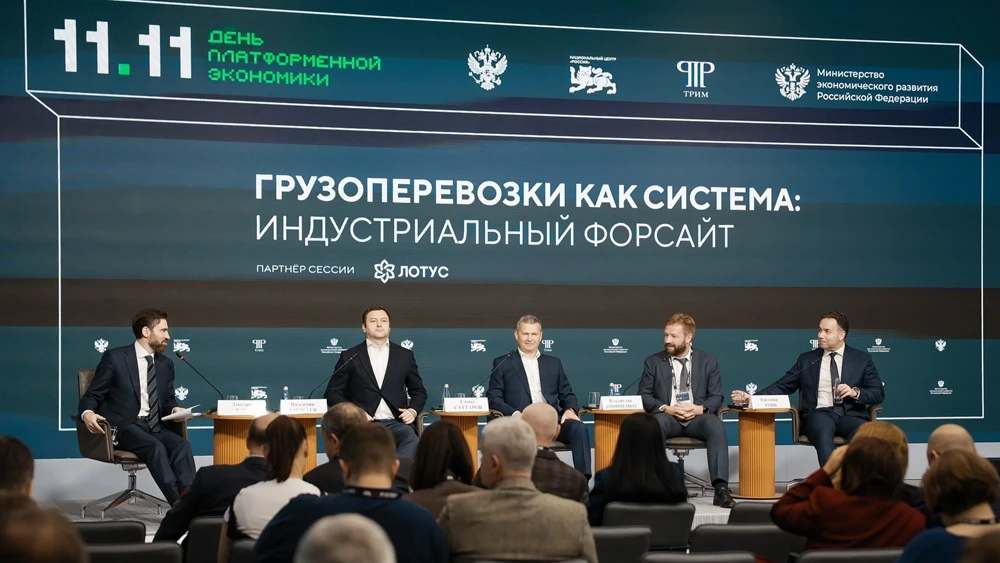
The foresight session "Freight Transport as a System: Industry Foresight" was held on 11 November at the National Centre RUSSIA.


