Literary scholar Asya Zanegina explains why modern-day readers are drawn to archaic themes and the "dark side" of Russian fairy tales
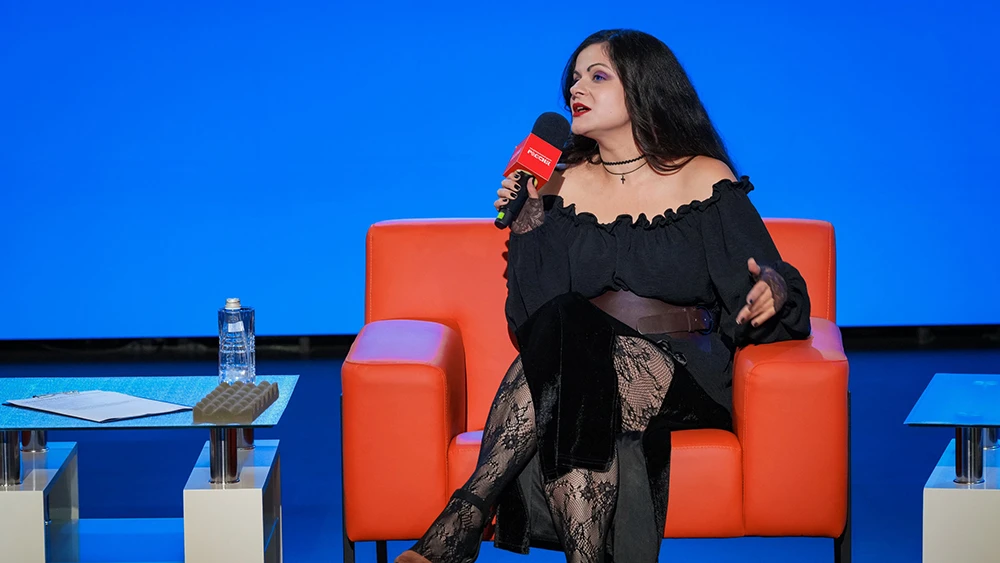
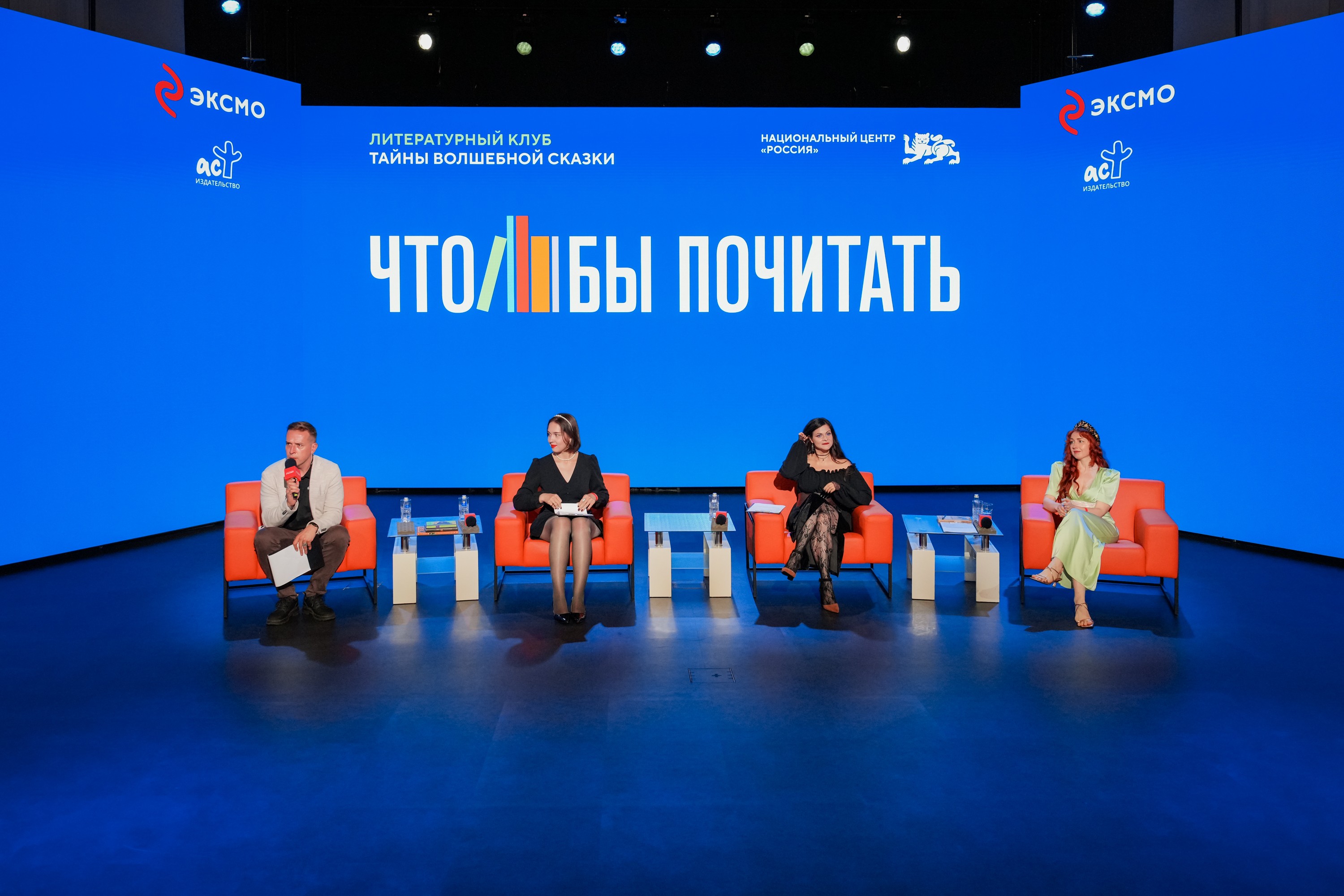
Why, in the age of artificial intelligence and digital worlds, are readers increasingly returning to ancient stories about Koschei, Baba Yaga and the Thrice-Ninth Kingdom? Literary scholar Asya Zanegina suggested viewing archaic folklore not as a museum exhibit but as living material that contemporary writers reinterpret, reconstruct and transform into the modern genre of folk fantasy — a trend whose roots stretch back to the nineteenth century. The discussion took place as part of the Literary Club "What to Read?!" at the National Centre RUSSIA.
"A fairy tale becomes an author's work the moment the author's own voice enters it — when it is written down and moves from oral folk tradition into literary form. Writers begin adding something of their own to the story: new details, richer characters and psychological depth. Yet the core of the folk tradition always remains unchanged," explained Asya Zanegina, literary scholar, historian of philosophy and lecturer at the Department of the History of Literature and Journalism at the A. S. Griboyedov Moscow University.
The expert noted that Alexander Pushkin transformed folk narratives into poetry, Pyotr Yershov introduced satire directed at those in power, while Hans Christian Andersen, who wrote fairy tales for adults, created works rich in emotional complexity.
"When you read Andersen's fairy tales, you realise they are not written only for children, as beneath their apparent simplicity lies profound meaning."
According to the literary scholar, the popularity of authorial reinterpretations of fairy tales has deep cultural roots. Such reinterpretations allow archaic narratives to be placed in new contexts where simple answers no longer exist. This is precisely what makes fairy tales such a powerful source of inspiration for exploring timeless questions. It is also why, she believes, folk fantasy has become so popular today.
"Fairy tales are fairly straightforward: there is black and white, good and evil. Modern literature — and great literature in general — is much more interested in moral ambiguity. While fairy tales usually follow the protagonist, that is, the main character, from around the nineteenth century, during the Romantic period, attention increasingly shifted towards antagonists, villains, antiheroes and morally complex characters. At the same time, it is entirely possible to transfer the constants of fairy tales into contemporary literature. Their structure, archetypes and motifs all remain relevant. Contemporary literature can also employ something many people do not expect from fairy tales: ambiguous or open endings and complex moral questions," the expert concluded.
The Literary Club "What to Read?!" is an original project of the National Centre RUSSIA that hosts public discussions with writers, philologists and literary bloggers. These events encourage audiences to look at familiar books from fresh perspectives, explore contemporary literary trends and connect with fellow readers. Participation in the club's meetings is free with prior registration via the russia.ru website. The latest programme of events is available in the "Events" section.