

Maxim Oreshkin: "Sovereignty is becoming the key factor in future development"
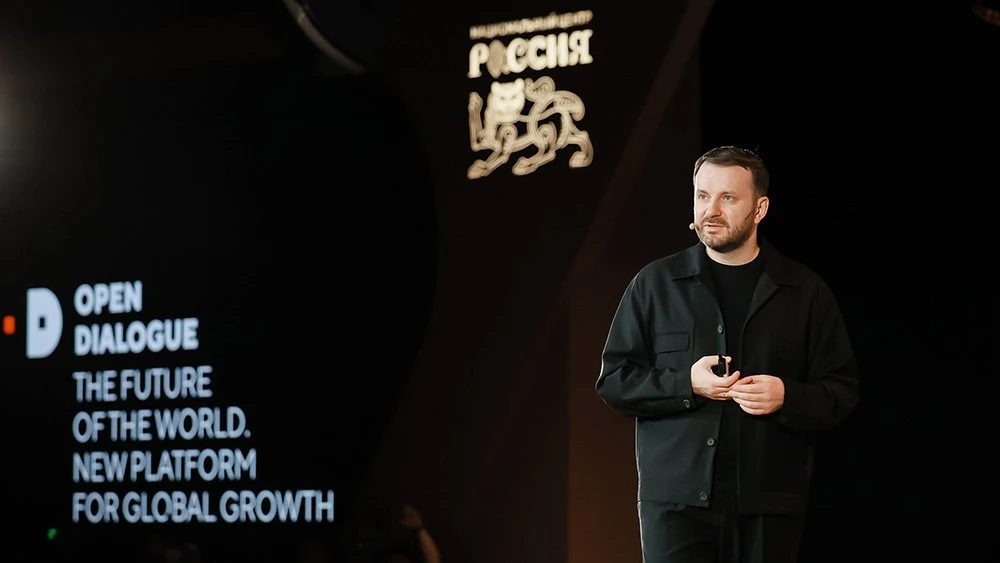
The world is transitioning from a unipolar to a multipolar
system, where economic and political power is distributed among new centres and
the importance of sovereignty is increasing. On 28 April, the National Centre
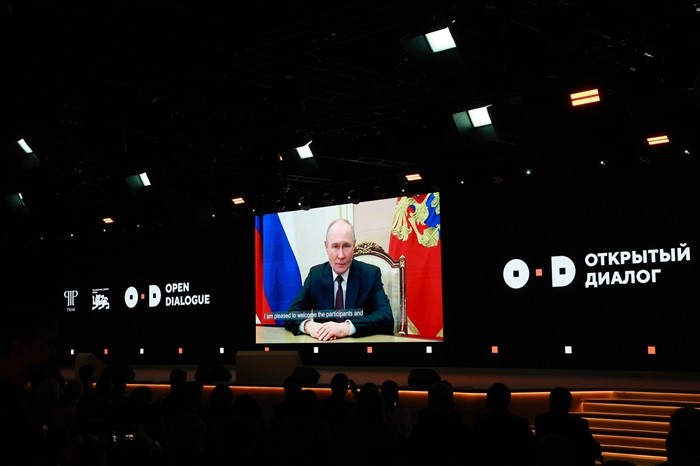
RUSSIA hosted the official opening of the II Open Dialogue "The Future of
the World. A New Platform for Global Growth". During the event, Maxim
Oreshkin, Deputy Chief of Staff of the Presidential Executive Office and Deputy
Chairman of the National Centre RUSSIA Organising Committee, presented the
global megatrends shaping the future of the world.
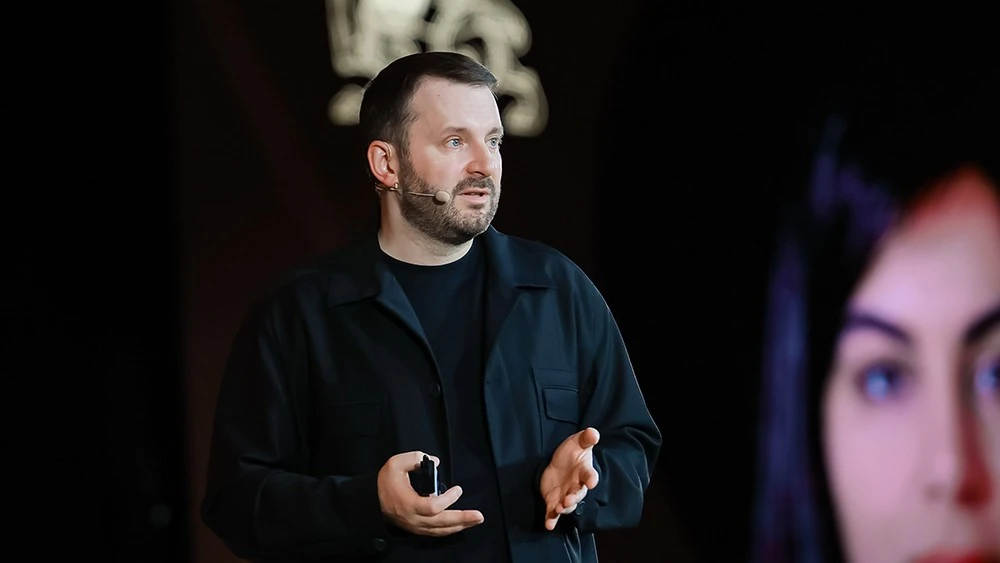
"The world is changing, and this process is inevitable. The foundation of these changes is the transformation of the global economic structure. We are seeing how centres of not only economic growth but also economic activity have shifted to the BRICS countries. Technology, finance, trade — all of this will be increasingly linked to the BRICS nations. The development of BRICS economies, their connectivity, and the new technological solutions emerging within them — this is what the future world looks like," said Maxim Oreshkin.
In his report, the Deputy Chief of Staff of the Presidential
Executive Office identified three levels of sovereignty: state, social, and
socio-economic. The first determines the existence of a country, the second its
value-based and cultural identity, and the third its economic model and ability
to meet basic needs.
"Russia is ready to help other countries become truly sovereign. We always provide opportunities for data localisation and are ready to train and involve specialists from third countries in the development of our platforms so that they can subsequently create their own solutions. Only through joint development, where everyone shares with one another, can a world be formed where everyone respects and helps each other to be sovereign. Only such a world can develop sustainably. If someone tries to 'pull the blanket over themselves' — whether in technology or geopolitics — it always leads to conflict," he stated.
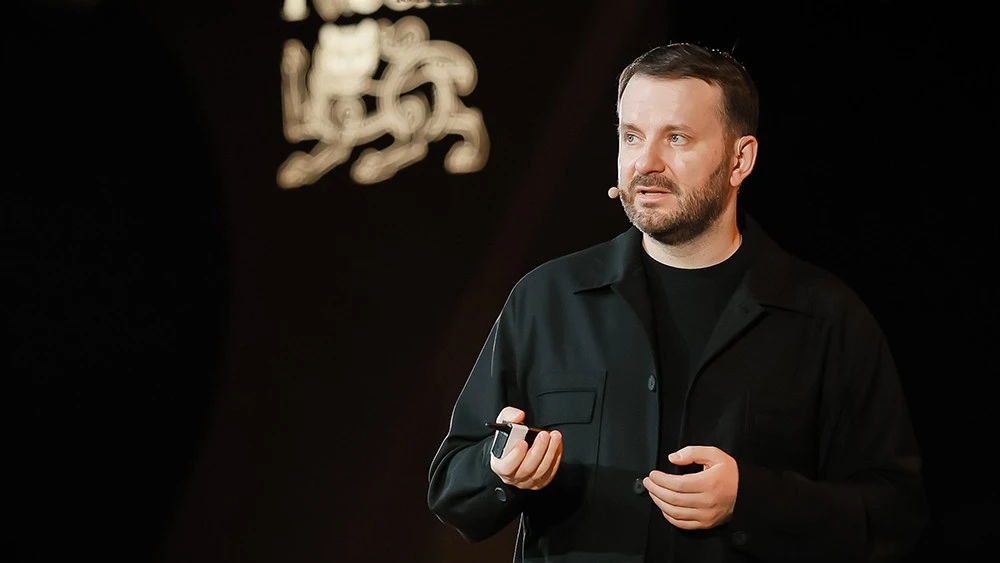
The Deputy Chief of Staff of the Presidential Executive
Office noted that there are three global trends in the development of the world
order. The first is related to the changing global geo-economic picture; the
second is demography; and the third trend is technological. He explained that
the changes occurring in the world are reflected in the structure of the global
economy: while in 1980 the G7 countries accounted for 45% of the global economy
and held the top positions, the situation has since changed. Today, BRICS
countries dominate the structure of world GDP, accounting for approximately
40%.
"The countries that previously dominated and defined the platform for global growth now play an increasingly smaller role and are losing their influence. The economy, trade flows, and the interconnectedness of world economies are changing: direct trade between the countries of the Global South is replacing trade through the countries of the Global North. New leaders are increasingly interacting directly, forming stable economic ties," Maxim Oreshkin continued.
Furthermore, Maxim Oreshkin noted that not only the trade
landscape but also the technological picture of the world is changing: BRICS
countries are increasingly taking lead positions in the technological agenda,
leading to the formation of their own platforms and products that define the
economy of the future. Currently, China ranks first, India third, and Russia
eighth, while the G7 countries, which dominated this sphere 20–30 years ago,
are gradually and steadily losing their positions.
He pointed out that humanity is investing vast sums in technological development: while the Manhattan Project cost about 80 billion dollars (in 2024 prices) and the Apollo programme about 215 billion dollars, investments in generative artificial intelligence in 2025 alone exceeded 450 billion dollars.
"Artificial intelligence today creates, analyses, and
acts. It has been trained on the entire body of knowledge that humanity has
accumulated to date. AI knows more than any single person in the world: it has
'read' every book, scientific article, and all available information — not only
in text but also in video and audio formats. Currently, generative AI is
step-by-step learning to use the knowledge embedded within it. Management models
are being built that attempt to teach AI to effectively apply this accumulated
knowledge. The next stage of AI development is the transition to autonomous
evolution, where models and algorithms will improve through their own
performance without human intervention. This will lead to an explosive growth
in the efficiency of such systems," he believes.
Maxim Oreshkin also noted the widespread implementation of artificial intelligence platforms and predictive systems: "For example, Moscow has one of the world's most modern healthcare platforms. Data from millions of Moscow residents is constantly analysed on a digital platform. There are no doctors sitting at MRI and CT scanners in the city's clinics. An image is taken, but it is analysed in a specialized image analysis centre. AI performs the primary role and work there."
According to him, based on a massive array of residents' medical data, AI conducted a risk zone analysis in Moscow last year and identified more than 100,000 people with a high probability of stroke or heart attack within the coming year. He explained that the healthcare system has shifted to a proactive model: clinic doctors began contacting such individuals in advance, offering them check-ups and health assessments. This significantly reduced the number of ambulance calls in Moscow, as work with people in high-risk groups began beforehand. As a result, their ability to work was preserved, and the number of fatalities decreased.
Alongside the development of artificial intelligence,
another key trend is emerging — platformisation, which is changing the
organisational and managerial model of the economy, Maxim Oreshkin is
convinced. He explained that historically, humanity has moved along the path of
automation — from agriculture to industry and then to digital management;
however, the next stage is occurring today: the automation of not only
production but also human interactions, transactions, and institutions, leading
to a transformation of market relations. According to him, the traditional market,
due to high transaction costs, is giving way to digital platforms that reduce
costs and increase efficiency through data and scaling.
The II Open Dialogue "The Future of the World. A New
Platform for Global Growth" was initiated by the National Centre RUSSIA in
partnership with the Centre for Cross-Industry Expertise "Third Rome"
and with the support of the Presidential Executive Office of the Russian
Federation. The event takes place from 27 to 29 April. Experts and essayists
from 43 countries have gathered at the National Centre RUSSIA to participate in
the Open Dialogue. In total, over 1,600 essays were written by authors from all
continents across four themes: "Investments in Human Capital",
"Investments in Connectivity", "Investments in Technology",
and "Investments in Environment". The conclusions drawn from the
discussions will be reviewed at the St. Petersburg International Economic Forum
and incorporated into its business programme.
Event photobank

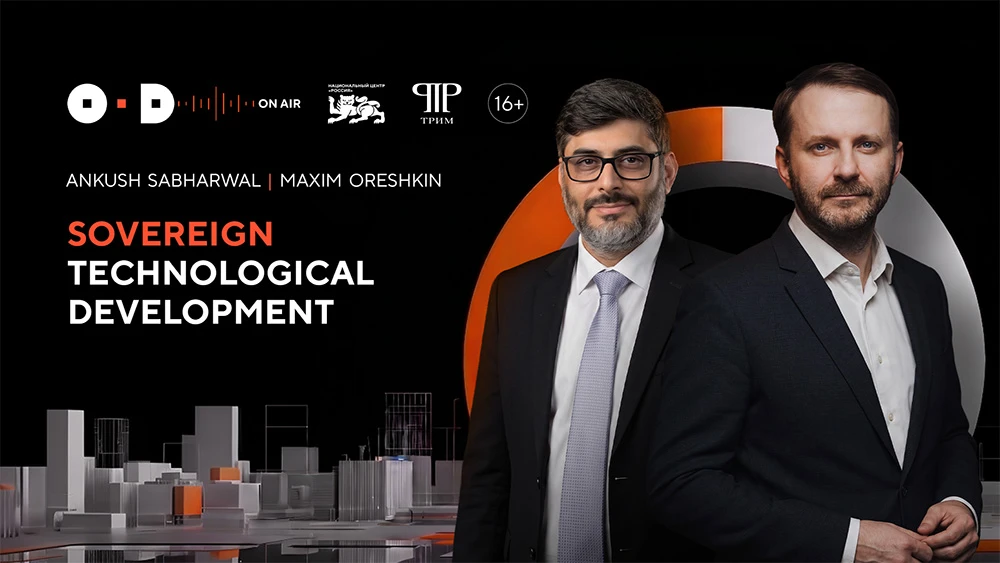
The new episode of the National Centre RUSSIA Open Dialogue podcast explores key questions of the digital age: who owns AI and data.

The new episode of the National Centre RUSSIA Open Dialogue podcast begins with the idea that artificial intelligence is no longer merely a digital tool.