

Maxim Potashev: "What? Where? When?" and National Centre RUSSIA found each other"

The final of the "Knowledge. Game", a sports version of "What? Where? When?" game tournament was held at the National Centre RUSSIA among schoolchildren and students. The tournament was organized by the Russian Society "Knowledge".
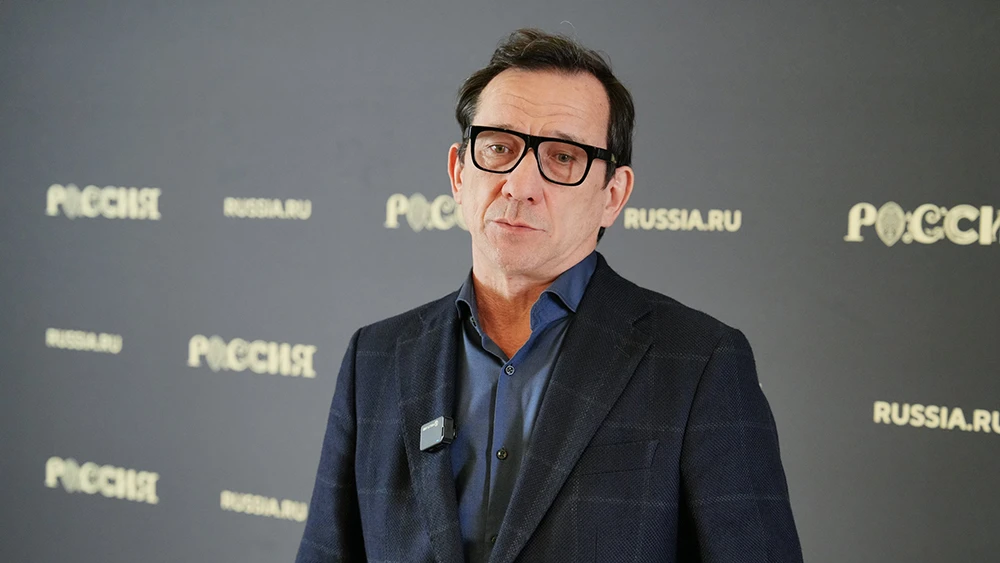
Maxim Potashev, the winner of the "Diamond Owl" and of four "Crystal Owls", master of "What? Where? When?" game, shared his impressions of the tournament, and stressed the importance of the National Centre RUSSIA as a place for hosting such significant events.
"The final of the "Knowledge. Game" tournament is one of the stages of the Russian Championship. In my opinion, it is logical that it was held at the National Centre RUSSIA. There are wonderful conditions for this. The status of the event requires a certain level of convenience of the venue, of the hall, and solemnity, which are present in this beautiful centre. It's a new story for us, it's the first time we've played a game in this space, but it feels like "What? Where? When?" and National Centre RUSSIA found each other," Maxim Potashev emphasized.

In the year of the 50th anniversary of "What? Where? When?", the final of the tournament brought together 525 people from 38 Russian regions. 75 teams showed their erudition and resourcefulness during a series of qualifying games, as well as during the online "Knowledge. Game" Cup.
Rosatom State Atomic Energy Corporation was the general partner of the event; Ministry of Education of the Russian Federation, Rosmolodezh and its "More TYhan a Journey" program, "Igra-TV" Television Company, LLC, the autonomous non-profit organization "Energy of Development", and "Prosveshchenie" Group of Companies also became partners of the final game.
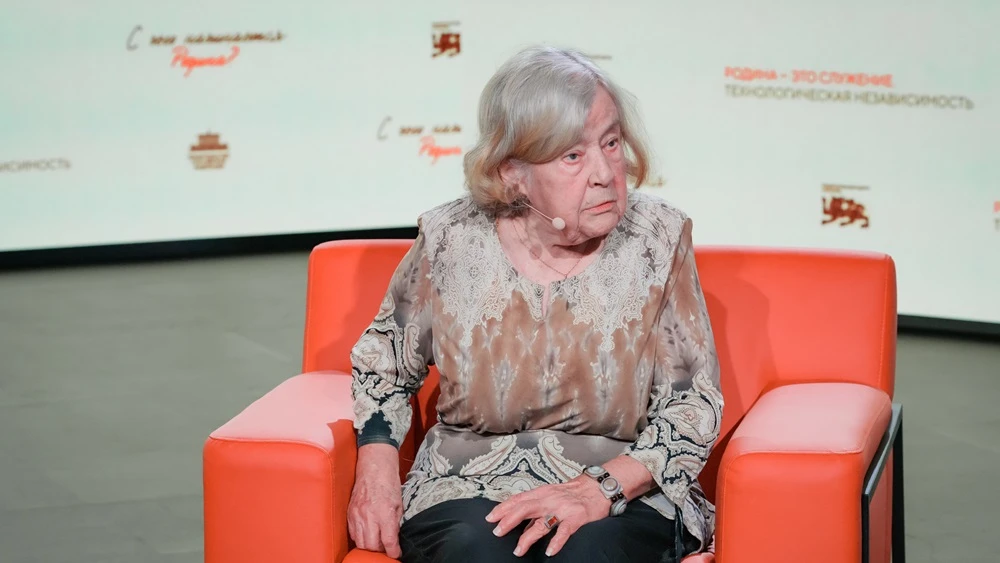
The engineer advised young specialists to develop a love for their profession while still studying and choose a field they truly enjoy.