


International Forum of Indigenous Peoples opens at the National Centre RUSSIA in Krasnoyarsk
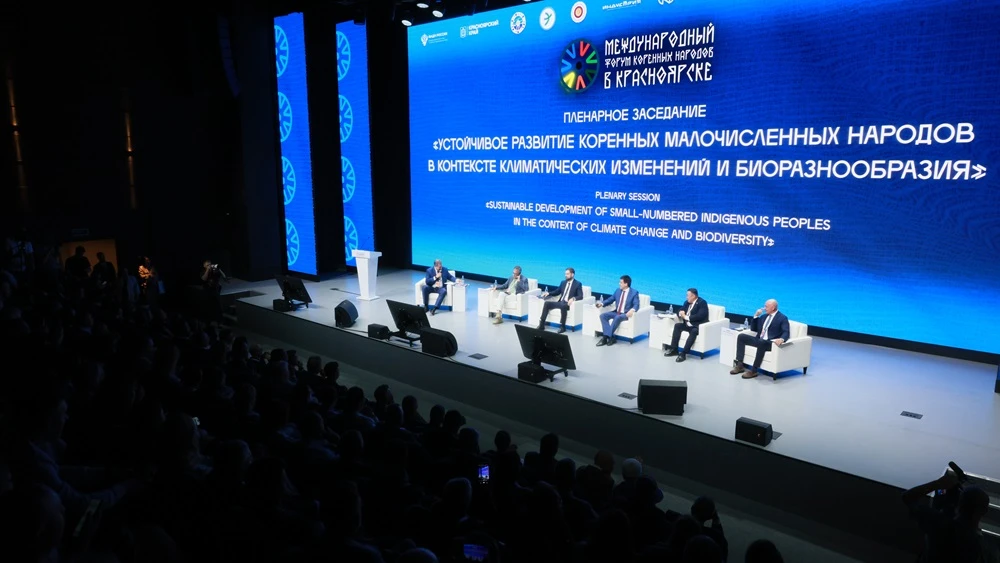
More than 700 delegates from 27 Russian regions and 14 countries gathered in Krasnoyarsk for the International Forum of Indigenous Peoples. For the first time, it is being held in Siberia — at the National Centre RUSSIA on the Yenisei. Participants include representatives of the indigenous peoples of the North, Siberia and the Far East, public leaders and delegations from friendly countries. The forum is timed to coincide with the Year of Unity of the Peoples of Russia.
"In our country, support for indigenous peoples is a priority. Extensive work is being carried out in constructive cooperation with public and volunteer organisations and national associations. It is aimed at preserving the unique historical and spiritual legacy of small-numbered indigenous peoples and improving their quality of life. Projects are being implemented in education, public awareness and the upbringing of younger generations. I am confident that the forum will be held in a creative and businesslike spirit and will help develop common approaches to addressing current challenges. I wish you productive work," the President of the Russian Federation, Vladimir Putin, said in his address to the forum participants.
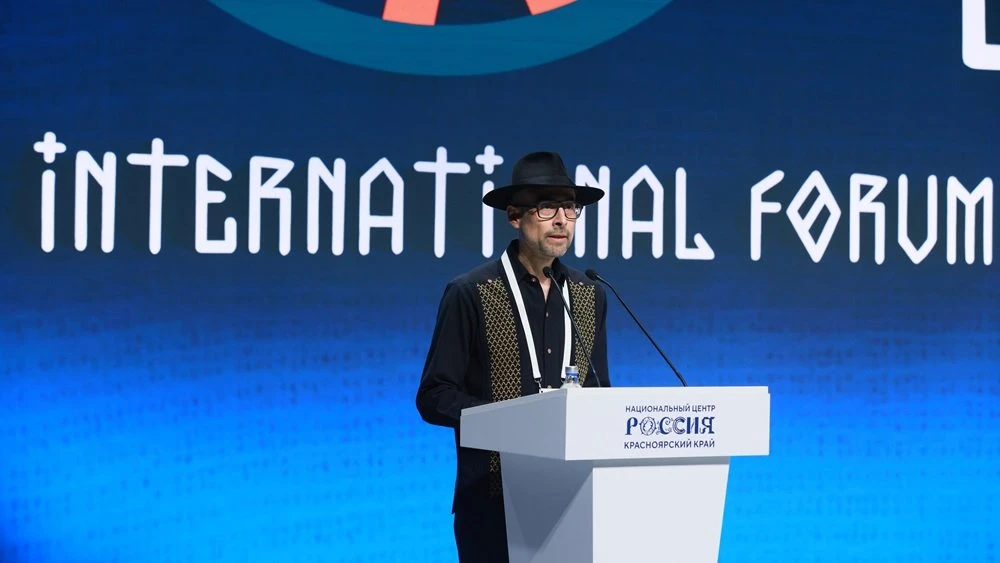
The Presidential Plenipotentiary Envoy to the Siberian Federal District, Anatoly Seryshev, highlighted the importance of the forum for developing dialogue and international cooperation and wished the participants productive work: "I am confident that the forum will become an important step towards strengthening unity and mutual understanding among all the peoples of Russia, as well as developing international cooperation."
The participants were also welcomed by the Ambassador of Mexico, Eduardo Villegas Megías, and the Ambassador of Ethiopia, Genet Teshome Jirru. They expressed confidence that the forum's decisions would contribute to the international agenda on preserving the traditional way of life of indigenous peoples amid climate change.
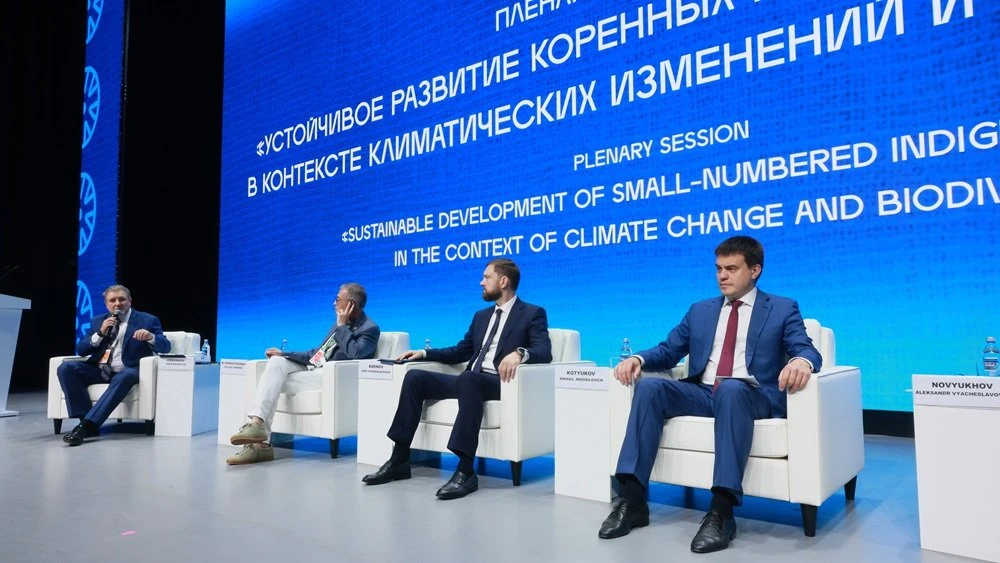
The business programme opened with the plenary session "Sustainable Development of Small-Numbered Indigenous Peoples in the Context of Climate Change and Biodiversity". Participants discussed preserving traditional knowledge about the tundra, taiga, rivers and seas, improving the effectiveness of environmental protection in areas inhabited by indigenous peoples, and safeguarding ecosystems.
The Governor of the Krasnoyarsk Territory, Mikhail Kotyukov, emphasised that dialogue with indigenous communities is one of the key principles guiding the regional authorities. He identified the preservation of language, culture and traditional ways of life, as well as support for historical legacy and the development of economic potential, among the main priorities.
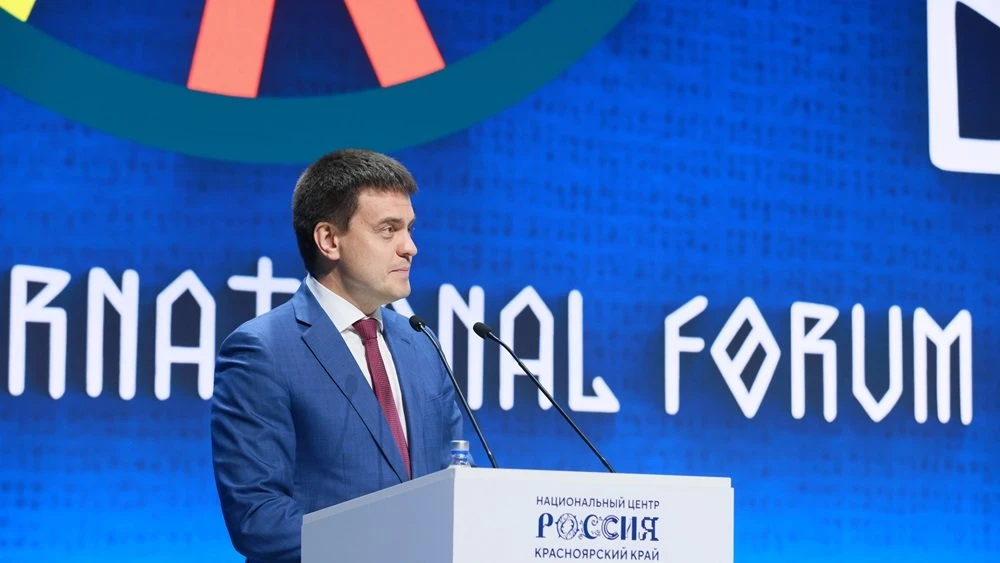
"We have identified several areas for ourselves. These are preserving language, culture and traditional ways of life. It is important to safeguard historical legacy — there is no future without the past. We use a wide range of tools, from book publishing and national celebrations to building housing for reindeer herders and people engaged in traditional livelihoods. We provide grants, satellite communications and snowmobiles. We help indigenous peoples develop their economic potential and pay attention to Arctic tourism," Mikhail Kotyukov said.
He also noted that the Krasnoyarsk Territory is building cooperation with natural resource companies so that industrial activity does not interfere with the traditional way of life of indigenous peoples. According to him, more than 70 support measures are in place in the region under a dedicated state programme.
The Head of the Federal Agency for Ethnic Affairs, Igor Barinov, noted the importance of maintaining a balance between territorial development and protecting the traditional habitats of indigenous peoples.
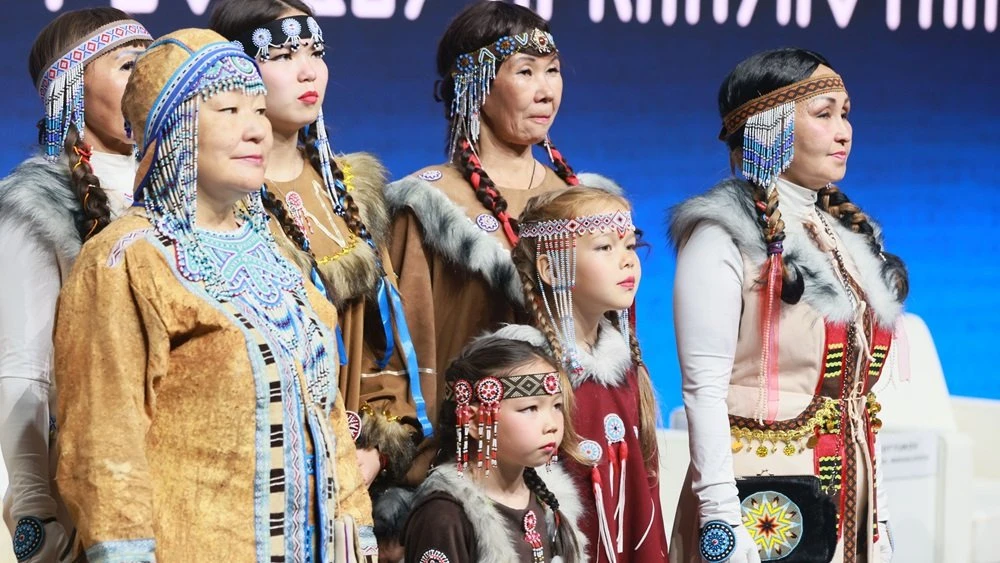
"Today, we are talking about the situation of small-numbered indigenous peoples in a changing world: the climate, nature and living conditions in the Arctic, Siberia and the Far East are changing. At the centre of these changes are people whose lives have been connected with their traditional lands for thousands of years. It is clear that development cannot come at the expense of nature and future generations. Small-numbered indigenous peoples are part of our multinational people and require special care," Igor Barinov said.
The President of the Association of Small-Numbered Indigenous Peoples of the North, Siberia and the Far East of the Russian Federation, Alexander Novyukhov, focused separately on the need for indigenous representatives to participate in decision-making related to climate change and biodiversity conservation.
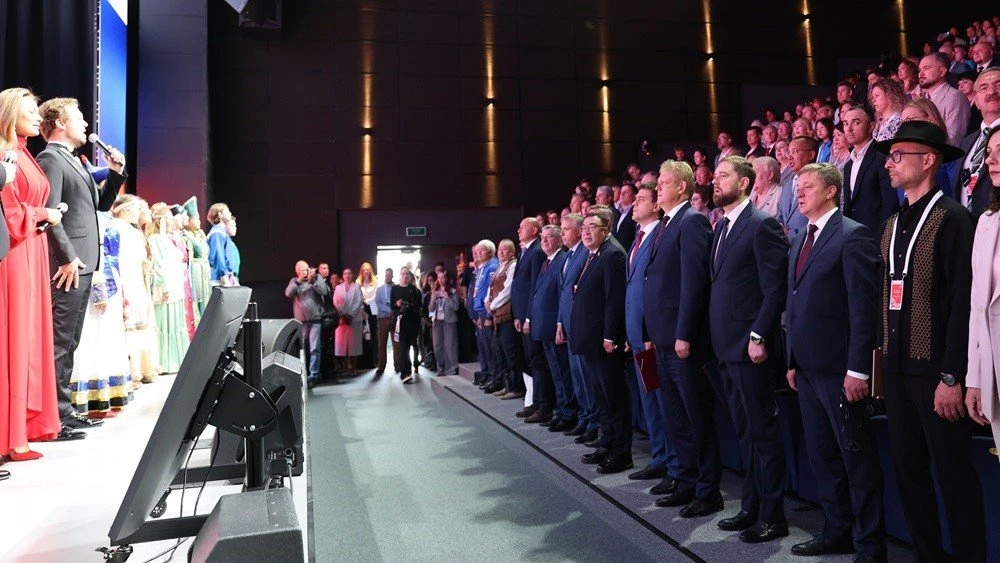
"We consider the Association's direct expert participation in the development of national and international documents in this field to be unquestionably important. This year, we took an active part in drafting the Strategy for the Conservation and Sustainable Use of Biological Diversity of the Russian Federation until 2036. Our proposals were accepted and included in the published draft document," Alexander Novyukhov emphasised.
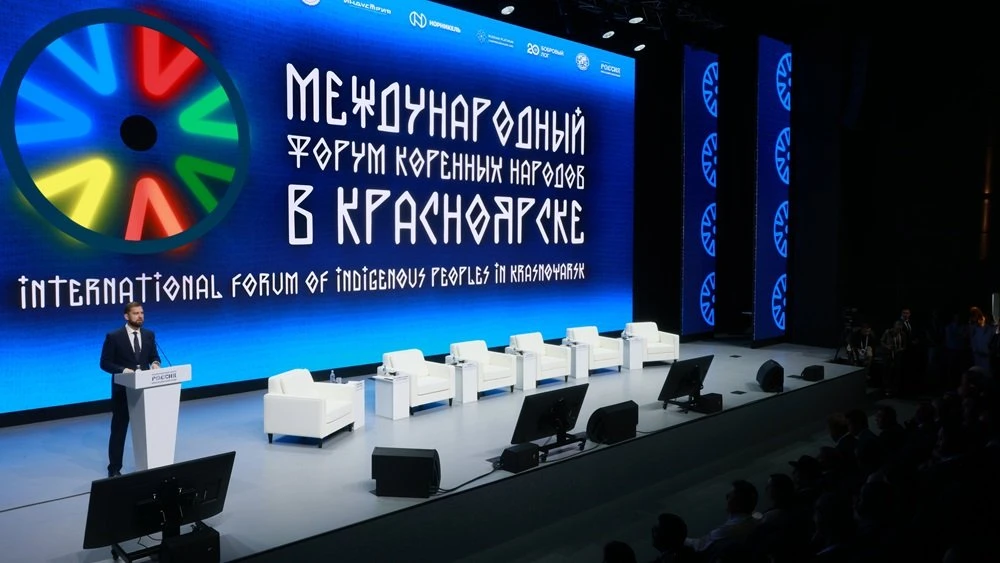
After the plenary session, participants visited the XXI International Exposition and Fair "Treasures of the North. Masters and Artists of Russia". For the first time in 20 years, it was held outside Moscow. More than 400 craftspeople presented fur toys, national costumes, jewellery and decorative and applied arts. This year's displays are united by the idea "The Strength of Russia Lies in the Unity of Its Peoples".
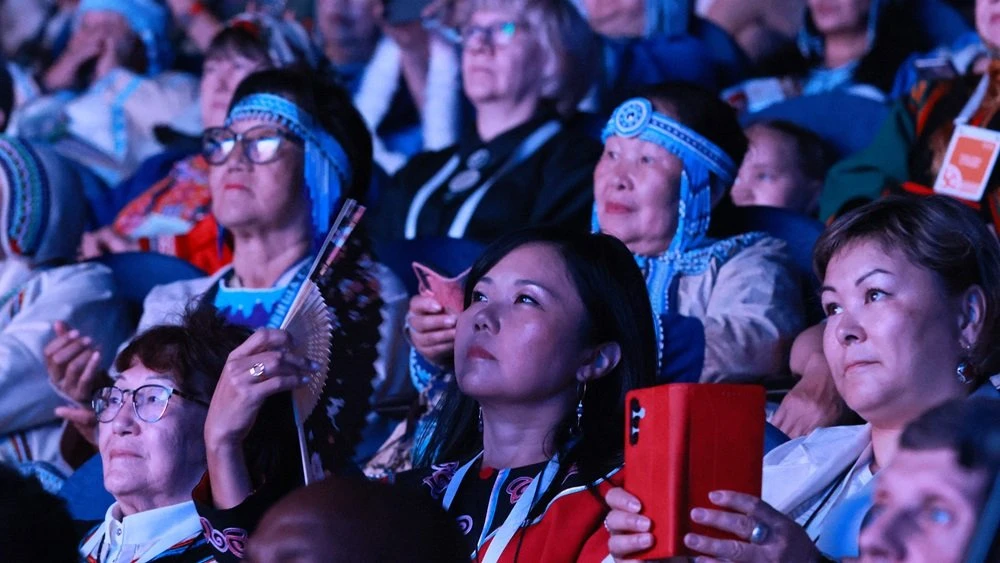
The forum programme includes business, cultural and sporting events. The International Forum of Indigenous Peoples will continue in Krasnoyarsk until 16 August. The main events will be held at the National Centre RUSSIA on the Yenisei.
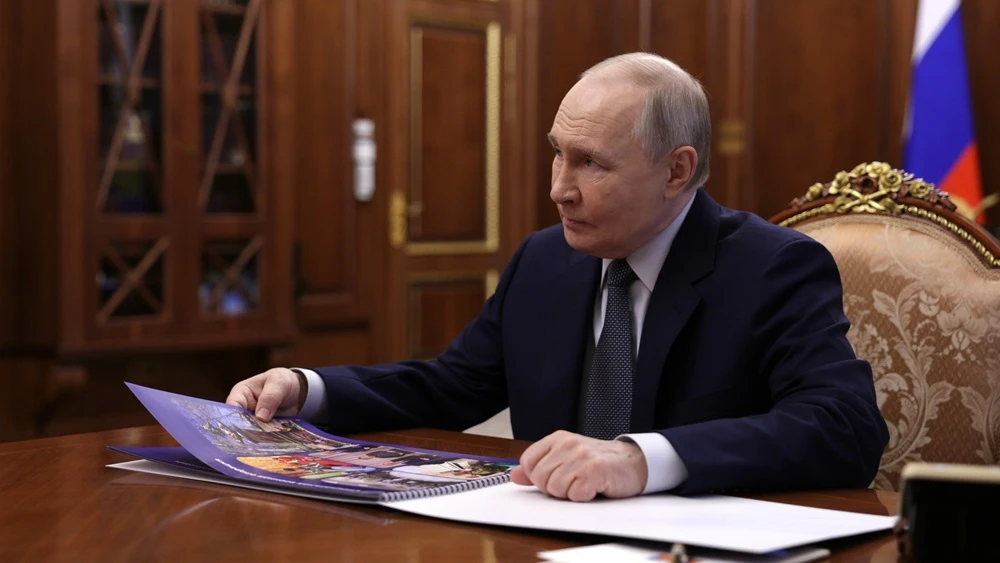
The President highlighted the importance of preserving the languages, culture and traditions of indigenous peoples, as well as international cooperation in this area.
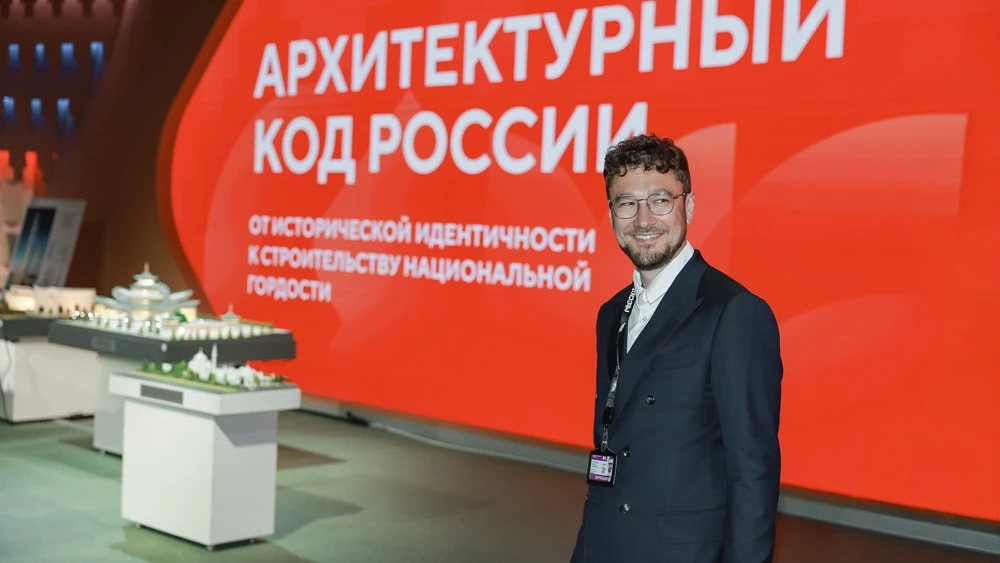
According to Andrei Melentyev, Russia already has recognisable features that distinguish its architecture.
Russia has designed the PD-8, an entirely domestic engine with imported components fully replaced, which has already been certified and is being prepared for serial deliveries.


