Mikhail Mishustin: "Urban improvement is not only about external transformation, but also about improving quality of life"
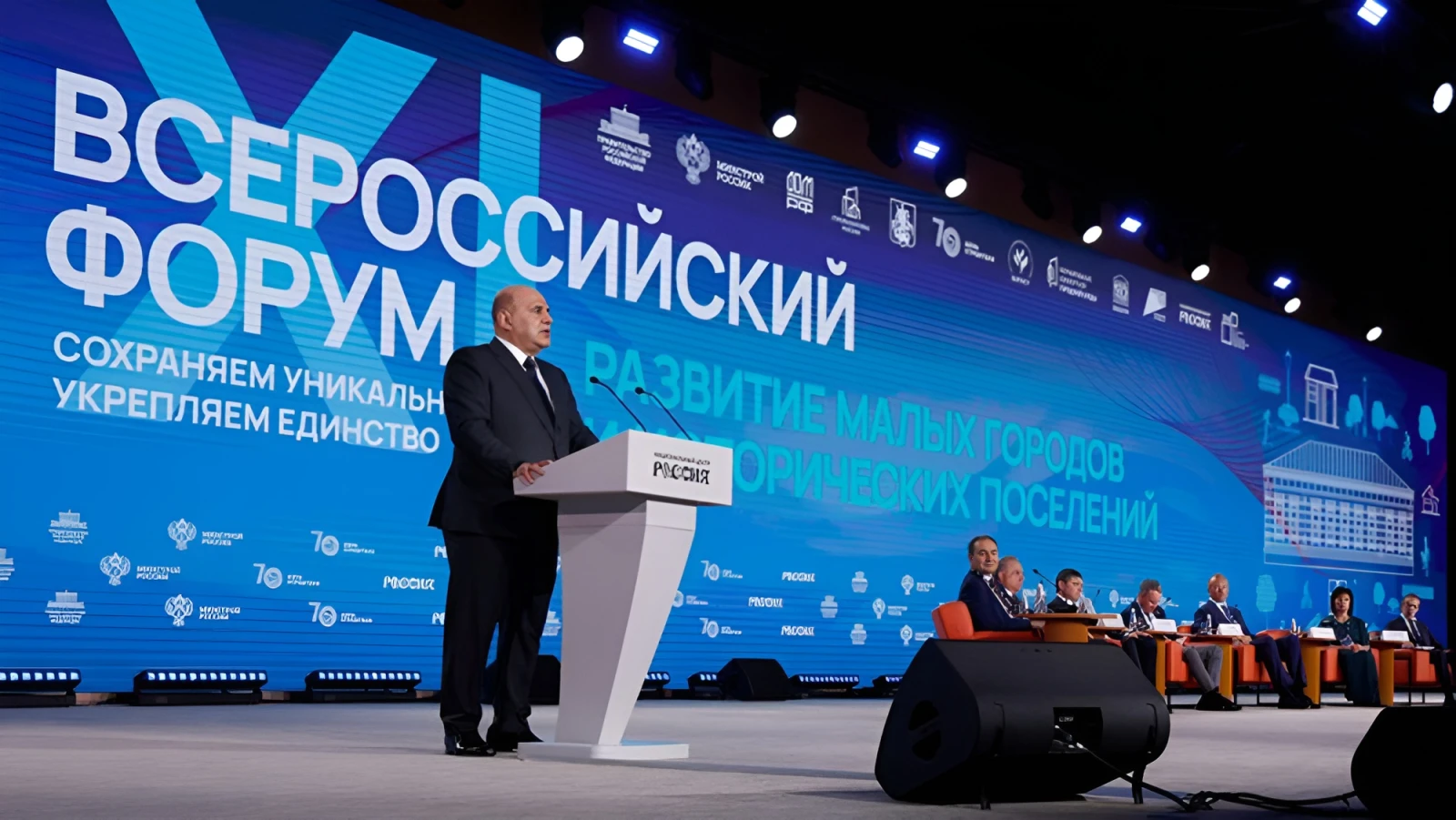
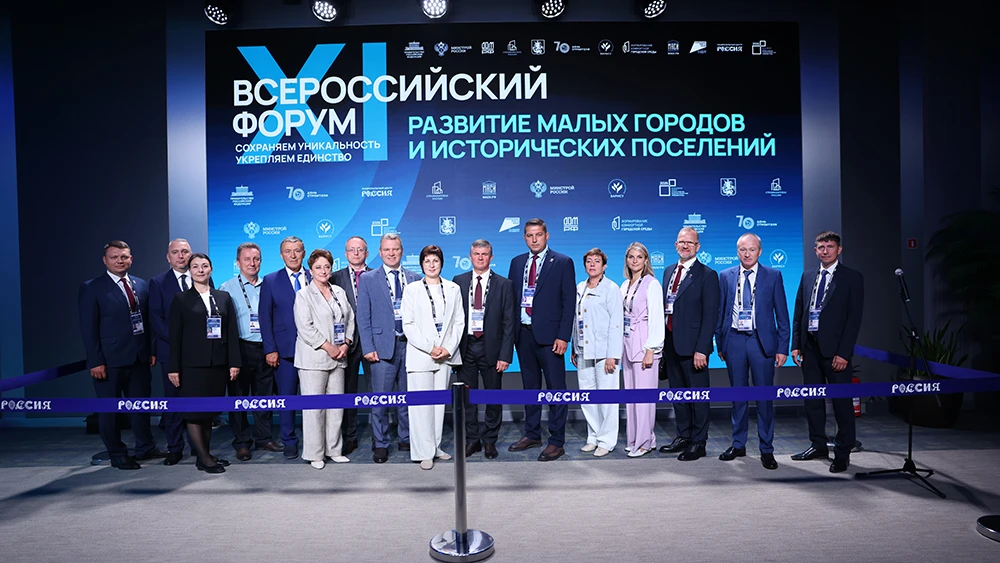
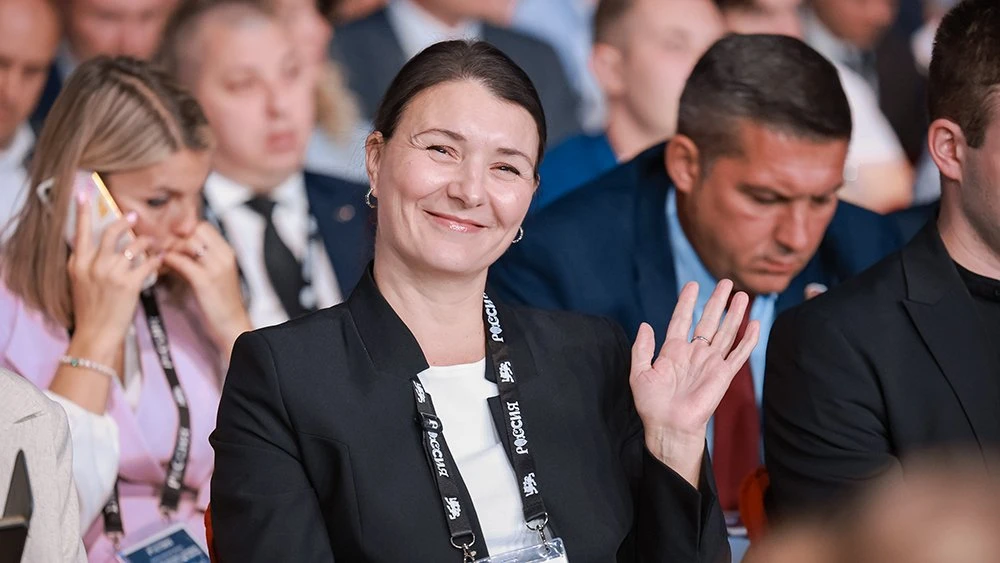
The final day of the XI All-Russian Forum "Development of Small Towns and Historic Settlements" — a platform where urban improvement is viewed as a means of strengthening unity, supporting preservation of the population, improving municipal governance and enhancing connectivity across the country — was held at the National Centre RUSSIA on 10 August. The forum is being held under the motto "Preserving uniqueness. Strengthening unity". It brought together public officials, heads of municipalities, municipal teams, experts, representatives of Russia's peoples, development institutions, businesses, young people and government bodies. Participants discussed how to put the forum's motto into practice through urban environment projects, creating spaces that support families, influence demographic trends and the economy, showcase cultural diversity, and connect the country through shared values and historical and civic identity.
During the day, the National Centre RUSSIA hosted panel discussions "Small Towns and Anchor Settlements. A Unified Living Space of Russia" and "Cities and People. Shared Values", as well as the strategic session "Regional Master Planning Teams — Challenges and Solutions". The outcomes of these sessions were presented at the forum's main event — the plenary session titled "Small Towns of Russia: Preserving Uniqueness, Strengthening Unity". It focused on the role of small towns, historic and anchor settlements, and the urban environment in strengthening the unity of the peoples of Russia, developing the settlement system, supporting families, addressing demographic challenges and improving quality of life.
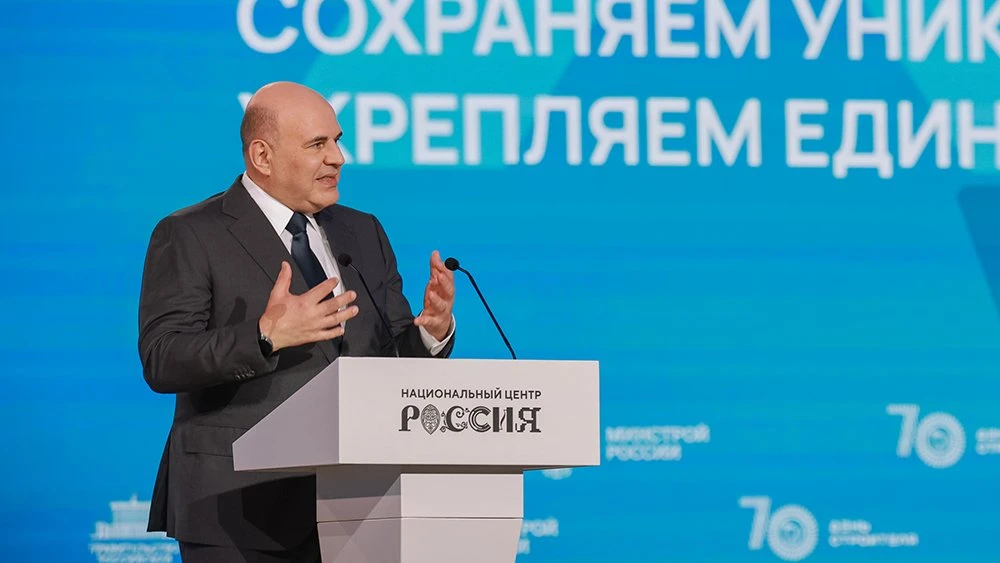
"This year we are meeting at the National Centre RUSSIA, which has become a point of attraction for proactive people and professionals from all corners of our vast country. It is a place where we gather to discuss ideas and achievements, exchange experience and see the potential of opportunities offered by the regions, each with its own character, traditions and history. Together, they are Russia — beautiful, vast, strong and united," said Mikhail Mishustin, Chairman of the Government of the Russian Federation.
The Prime Minister stressed that preserving the cultural diversity and traditions of the peoples of Russia is a cornerstone of national policy. At the same time, preserving this cultural diversity is directly linked to the development of cities and settlements. He noted that this is why the state places particular emphasis on creating a comfortable urban environment. Since the launch of the "Formation of a Comfortable Urban Environment" project, around 120,000 areas across the country have been improved, from courtyards and sports grounds to parks, embankments and central squares. Mikhail Mishustin noted that such spaces become focal points for residents, help strengthen good-neighbourly relations and make cities more comfortable places to live.
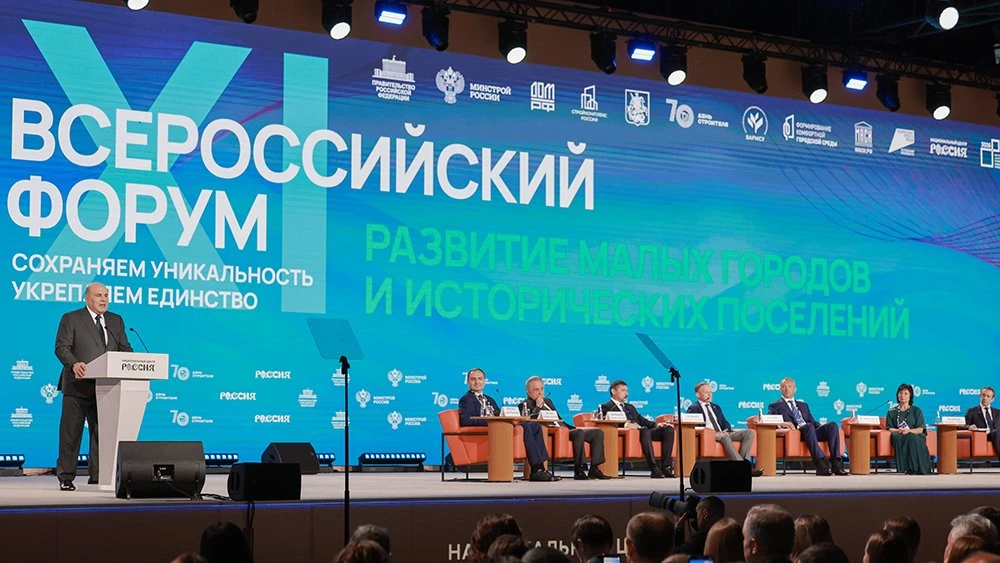
"Urban improvement programmes are among the initiatives most valued by citizens. They choose the locations themselves, discuss ideas and later assess the results. The main tool for this is the nationwide vote, in which millions of people take part every year. The sixth such vote was held recently. Around 16 million residents of almost 3,000 settlements, including anchor settlements and small towns with fewer than 20,000 residents, chose from around 7,000 projects. Work on the selected projects will begin next year. As we discussed at the exposition today, these are mainly parks featuring children's, play and sports areas and pedestrian paths, where everyone can comfortably spend their free time <...>. The highest level of engagement is generally seen among residents of district centres and rural areas, which demonstrates their strong connection with their home places and their desire to make them even better and more beautiful. Such active participation in the future of one's town or settlement is a very important indicator of trust in the authorities. After all, urban improvement is not only about external transformation. Quality of life changes, entrepreneurial activity increases and new jobs are created. More than 30,000 jobs have been created during the implementation of the federal project," the Chairman of the Government added.
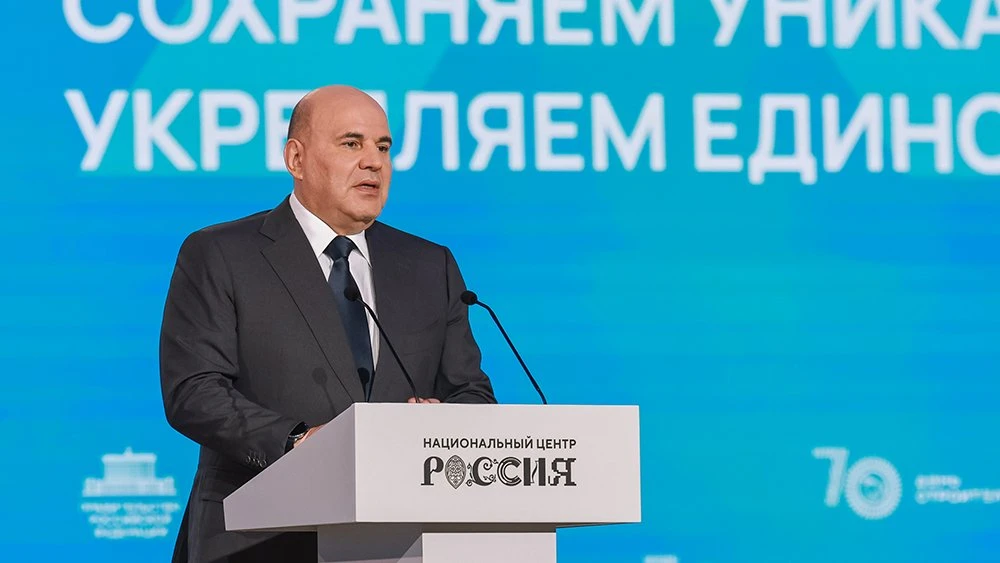
According to him, this system is refurbishing parks, squares, embankments and streets, strengthening local communities, improving the quality of life for families, and creating focal points for people and investment. He noted that its significance extends far beyond this. Through thousands of individual projects, a modern environment is being created in which local uniqueness is combined with shared national values.
Mikhail Mishustin said that, following the President's instructions, support for 2,160 anchor settlements should contribute to the country's comprehensive development. Together with the largest cities, they are intended to strengthen Russia's economic and infrastructure framework. The President has instructed that the quality of the urban environment be substantially improved in these settlements, where almost three quarters of the country's population live, and which are visited every day by residents of neighbouring areas travelling to outpatient clinics, hospitals, kindergartens, colleges and cultural and sports institutions. Development programmes have been prepared for each city and settlement; these also provide for stronger links with neighbouring territories and expanded transport opportunities. Work to develop anchor settlements is also based on master plans prepared last year for dozens of cities and settlements in the Russian Far East and the Arctic.
During the final session, participants reaffirmed the key ideas shaping the current agenda for the development of small towns. As a civilisation-state, Russia preserves the uniqueness of its peoples through a high-quality urban environment, while being a capital city is not so much a status as a responsibility of Moscow and other anchor settlements for the development of the entire country, including sharing experience, expertise and management solutions with the regions. At the same time, these projects should place particular emphasis on the shared Russian code in the urban environment — respect for people, family, memory, culture and the dignity of each place.
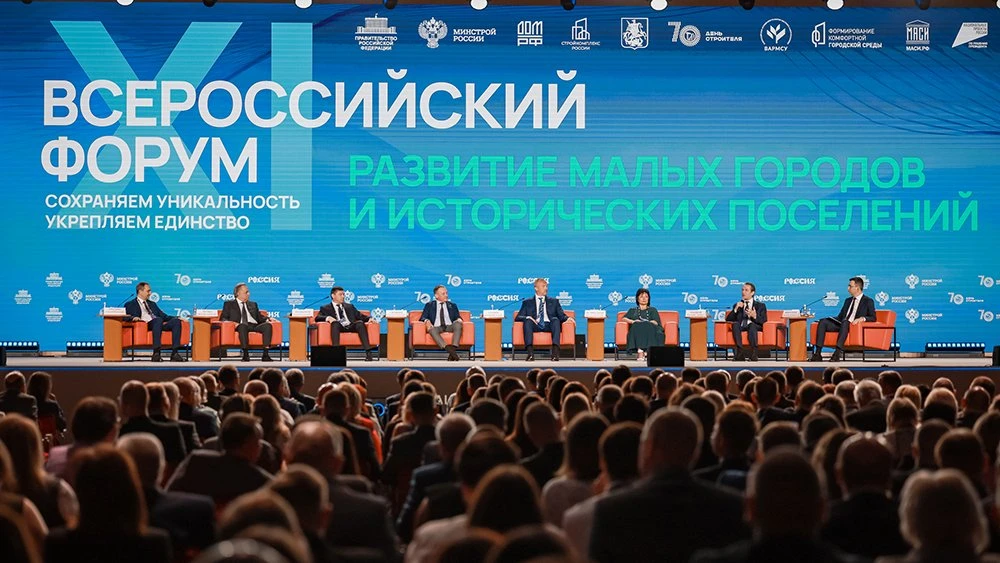
It was also noted that small towns and anchor settlements contribute to strengthening the family, while the urban environment can help bring back heroes — participants in the special military operation — to active life, work and civic leadership. However, the main outcome was a shift from discussing individual urban improvement projects towards a shared understanding of the urban environment as a system that connects the country through values, ideas and space.
Deputy Minister of Construction, Housing and Utilities of the Russian Federation Alexei Yeresko spoke about the development of the federal project "Formation of a Comfortable Urban Environment" and its role in the lives of small towns. According to him, it is particularly important today that residents receive the very spaces they voted for. He noted that the project has truly become a people's initiative and emphasised the importance of youth initiatives in its implementation.
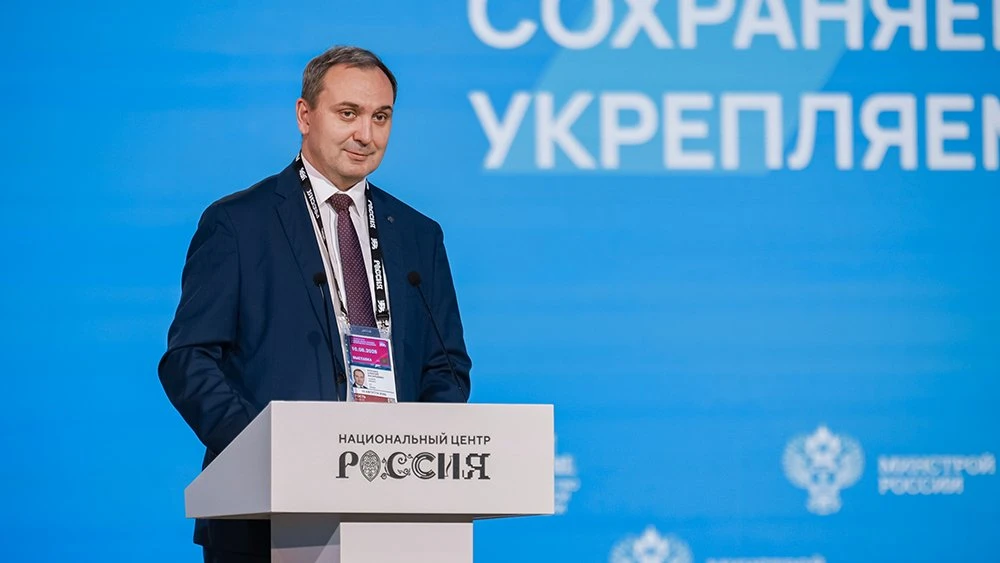
"A very important trend is youth involvement. It is crucial that young people have the opportunity to speak up, and most importantly, that the initiatives proposed by them are generally in demand. The project has truly become a people's initiative — both in terms of voting and in terms of resident feedback. We are seeing competition emerging within municipalities: which facility or area to submit for the competition, what the city should be like. It is very important that residents ultimately receive exactly the space they voted for," noted Alexei Yeresko.
Vitaly Mutko, Director General of the DOM.RF company, shared experience and tools that are already contributing to the development of small towns. According to him, a systematic approach and reliance on master planning are crucial for achieving tangible results.
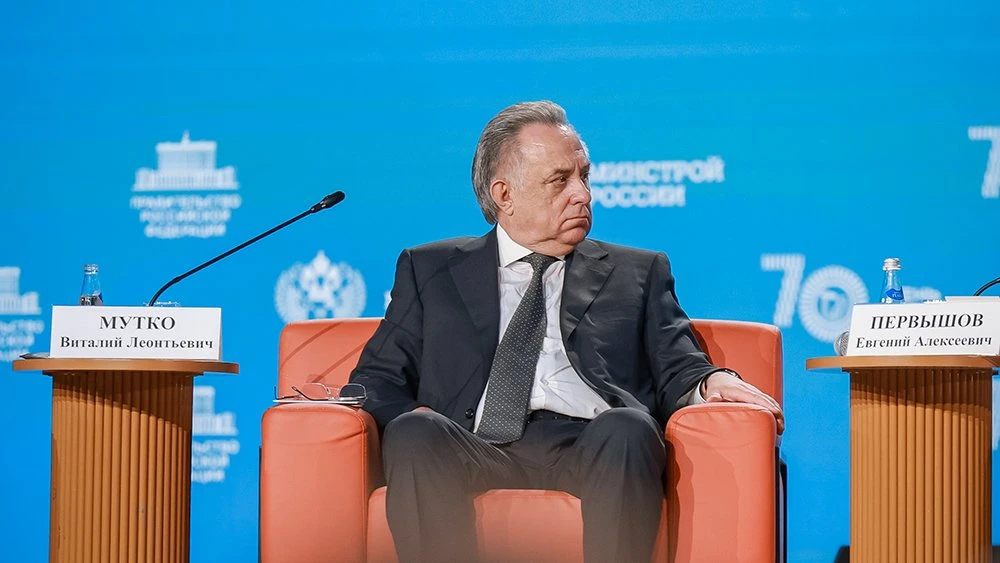
"Small towns are not the periphery, but the foundation of our country. Traditions have been shaped here for centuries, and we must carefully preserve and pass them on. For people to stay in their native places, they need confidence and security about the future — this is what encourages people not to leave. Today, according to our data, 75% of residents of large cities are satisfied with their urban environment, compared with only 44% in small towns. This gap directly translates into migration, particularly among young people. This is a challenge for the whole country. Our task is to make competition between cities for people fair by bringing key tools together into a single system," said Vitaly Mutko.
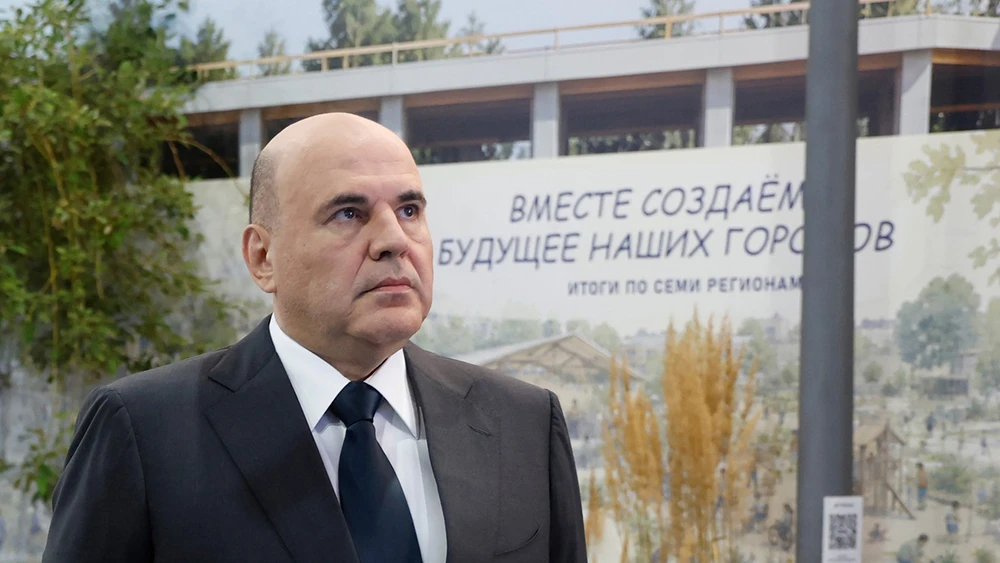
As part of the forum, Mikhail Mishustin also visited the "Main Street of Small Towns at Russia's Frontier" exposition, which showcases best practices in developing the urban environment, urban improvement projects and the potential of Russian territories. The exposition brought together stands from the Ministry of Construction, Housing and Utilities of the Russian Federation, DOM.RF and seven border and reunified regions: the Kursk, Bryansk, Belgorod, Zaporozhye and Kherson regions, and the Donetsk and Lugansk People's Republics. Governors and heads of the regions briefed the Chairman of the Government on projects being implemented in their territories. The cities, organisations and territories represented at the exposition share one thing: they continue to live and actively develop for the sake of a future that is comfortable for everyone.
The XI All-Russian Forum "Development of Small Towns and Historic Settlements" is a leading cross-sectoral platform showcasing best practices in urban improvement, sustainable territorial development and the latest solutions in urban design. The forum was held in Moscow from 8 to 10 August, with its main events taking place at the National Centre RUSSIA on 10 August. The forum was organised by the Ministry of Construction, Housing and Utilities of Russia with the support of the Government of Moscow and the DOM.RF company.