


Gaming Lobby "Gaming Session of the Future" showcases the many sides of Russian game development at the "Inventing the Future" Symposium
New
releases and trends in Russian game development, the strengths of the Russian
games industry and cybersecurity were among the topics in focus at the Gaming
Lobby "Gaming Session of the Future". The special project made its
debut at the III International Symposium "Inventing the Future" on 13
November at the National Centre RUSSIA, bringing together gamers, developers
and video game experts. It was co-organised by the Russian gaming ecosystem VK
Play, Lesta Games, the Cyberdom project, the international esports club network
COLIZEUM, the REACTOR game developers' community and Synergy University's Faculty
of Gaming Industry and Esports.
The Gaming
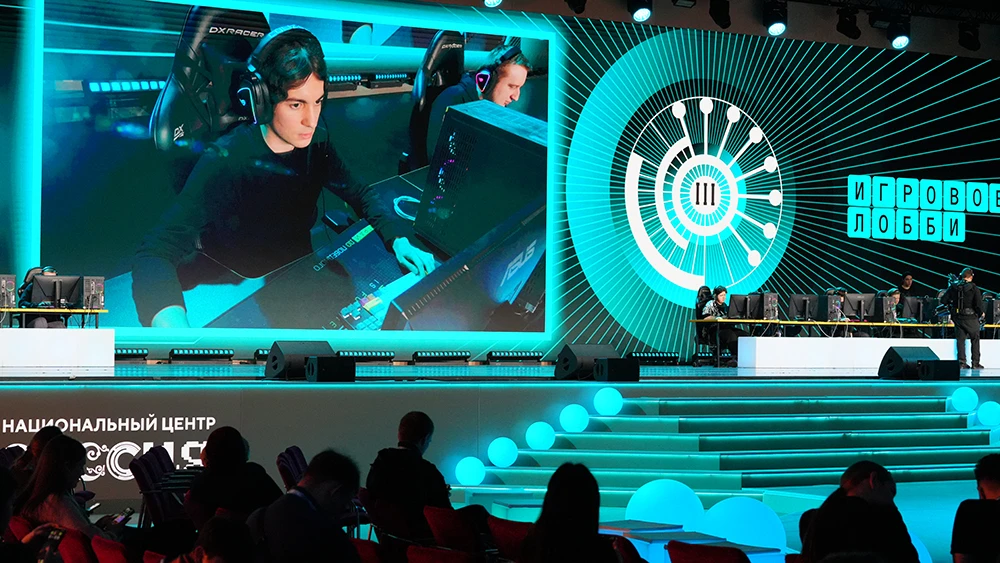
Lobby programme featured public talks, presentations of new releases,
playtests, a large-scale tank tournament and other events that explored
different sides of the video game world. The programme was hosted by television
presenter, comedian and actor Vladimir Marconi.
New
releases and trends in game development were among the main topics. Gaming
Lobby experts discussed new Russian games inspired by Slavic mythology and
Russia's history, geography and culture. They explored what makes a modern game
reflect Russia's cultural code while offering both educational value and
entertainment.
"A
game has to stay a game. Take 'The Witcher 3', for example. It sparked interest
in exploring East Slavic folklore. 'Atomic Heart' reminded us that we are a
great space power. 'Black Book' surprised the world with the local culture of
Perm. We're finally seeing games that go beyond prefabricated tower blocks, the
1990s and the like. We're starting to look more closely at our own history and
ask ourselves who we are and what we want to play. That's why I'd like Russian
players to believe in Russian developers, and for our developers to put their
own players first," explained Alexander Yegorov, Head of VK Play Indie.
The public
talk also featured Alexei Skrebtsov, Head of Mobile Games Publishing at Astrum
Entertainment, Ivan Orlov, PR Director at Ninsar.Games, Alexander Gorbachenko,
CEO of Foxhound Studio, and Anatoly Subbotin, Marketing Director at 1C Game
Studios.
The public
recording of the podcast "Our Game. Russian Industry and Its Global
Standing" was livestreamed. The topic was discussed by Alexander Zhogolev,
gaming reporter for Zvezda TV, and Alexander Mikheyev, head of VK Play.
"The
industry is growing and improving. The first reason is education. Russian
universities offer hundreds of courses designed to train skilled games industry
professionals, from game designers to programmers and live operations
specialists. The second is a strong professional community. We have several major
associations with hundreds of specialists. The third is investment. Game
production requires substantial investment. We have little in the way of major
private investment, but the state is taking an active role, and the Internet
Development Institute helps support dozens of projects every year. The fourth
is distribution. That's exactly what we do at VK Group," noted Alexander
Mikheyev.
The head of
VK Play listed the strengths of Russian game development: a deep understanding
of two very different markets, Asia and the West, one of the world's strongest
traditions in technical training, a strong tradition in the arts, and a
distinctive cultural code and outlook on values. He also identified promising
markets for Russian developers in Asia, South America, the Middle East and
North Africa.
The Gaming
Lobby also explored the psychology of gaming. Stanislav Zharinov, Candidate of
Philosophical Sciences and Associate Professor in the Department of Philosophy
for the Natural Sciences Faculties at Moscow State University, discussed the
ancient origins of play.
"In his book 'Homo Ludens: Man the Player', the
cultural historian Johan Huizinga argues that play is much older than culture,
citing the example of animals at play. Everything that makes up culture gradually takes shape through play.
Greek theatre, for instance, has several things in common with play. One of
them is the space it takes place in. The Dionysian mysteries unfolded in an
arena. Poetry also grew out of a contest, a game of rhythm. Even religious
rites originated in play," explained Stanislav Zharinov.
Why people
play games was the question taken up by Vladislav Polevik, Head of Marketing
for "World of Tanks" at Lesta Games, Vladimir Alipov, a
neuroscientist and physician, Sergei Aleksashenko, Production Director at Game
Art Pioneers, and Alexei HardPlay, a streamer and video blogger. The experts
explained that people play for different reasons: to relieve stress, feel the
satisfaction of winning, join a community and make friends, or earn money. In
the age of the "attention economy", marketing techniques,
psychological techniques and visual design also help draw people to games.
Cybersecurity
was another topic at the Gaming Lobby. Experts at the "Esports and
Cybersecurity" public talk agreed that good digital hygiene matters to
everyone. They advised enabling two-factor authentication on important
accounts, using Face ID and similar tools, and avoiding storing files
containing passwords and code words on computers or mobile phones. They also
highlighted the potential of esports. Fraudsters still rarely target gaming
platforms, they said, so there is time to get into esports and learn good
cybersecurity habits.
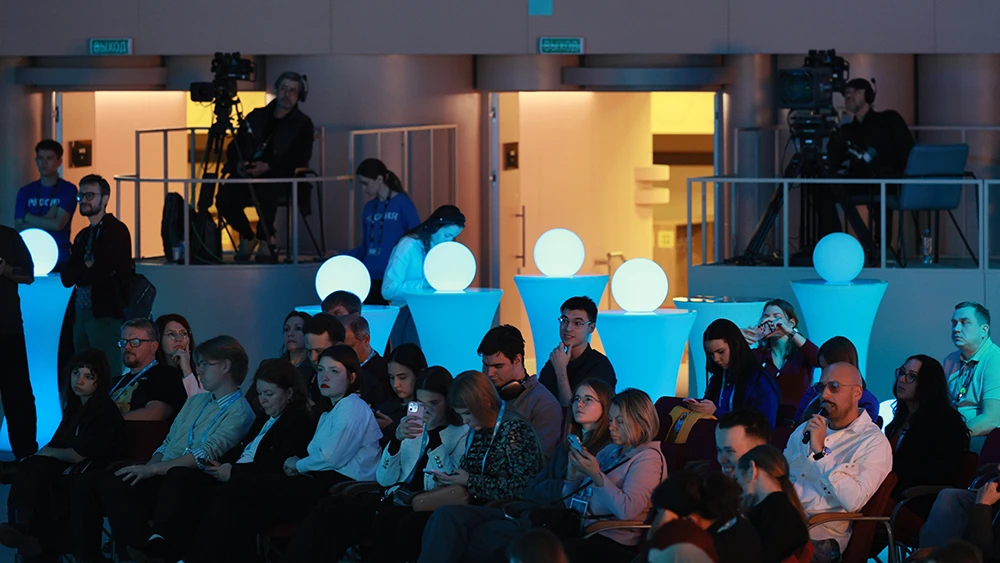
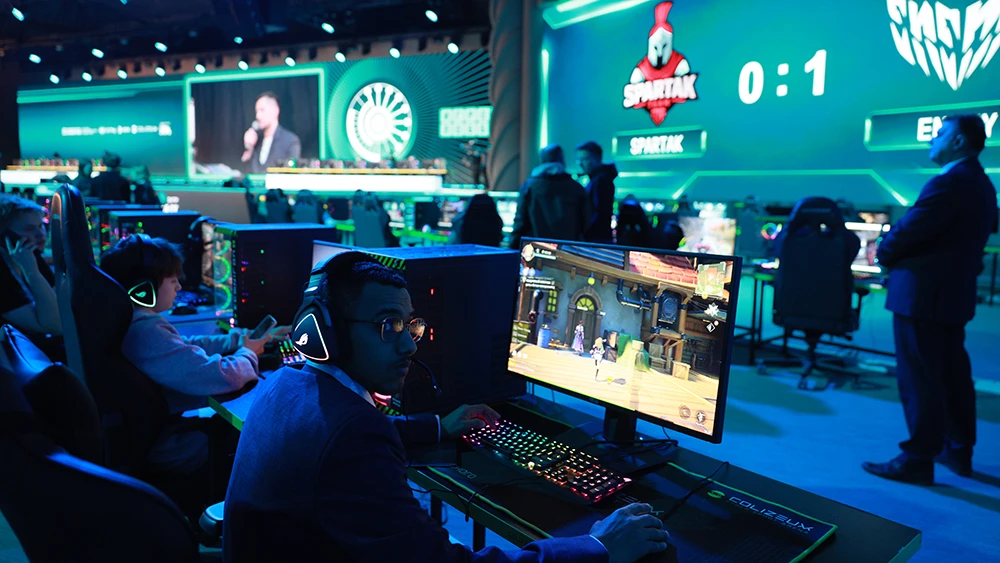
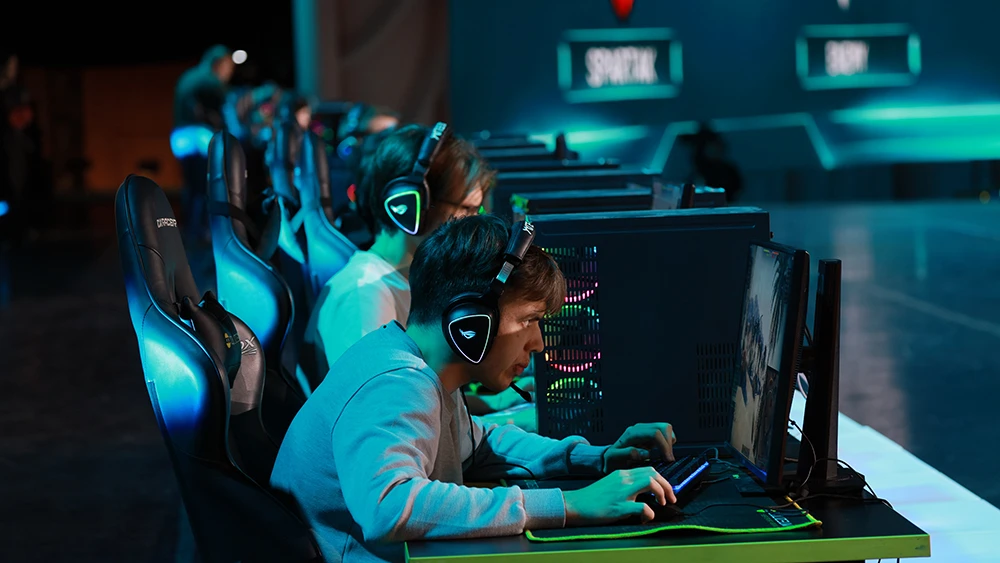
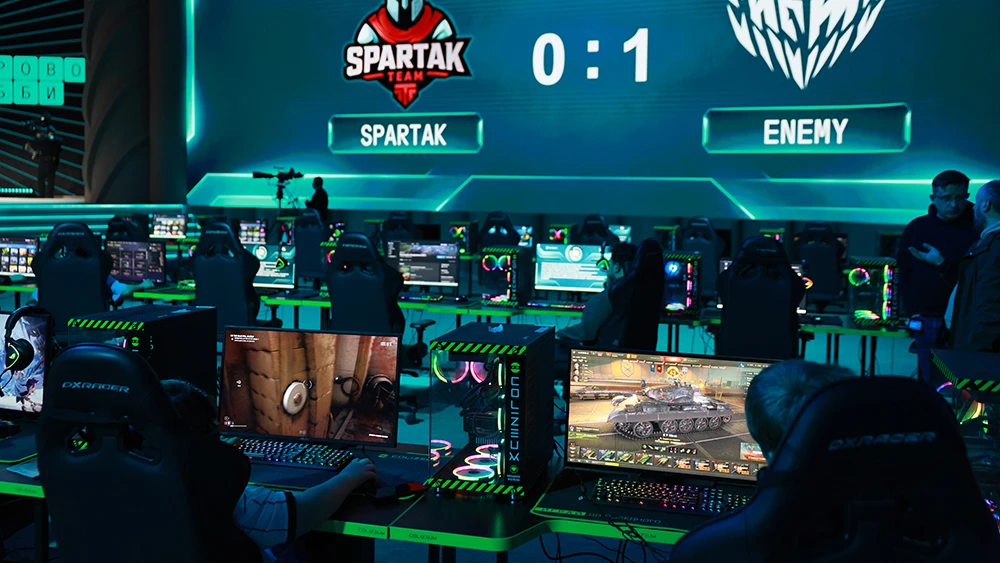
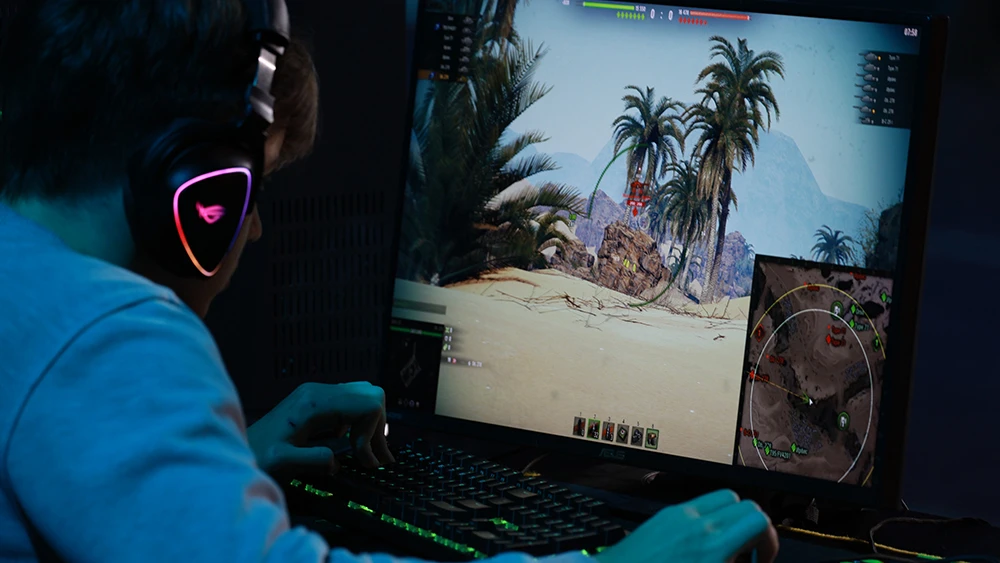
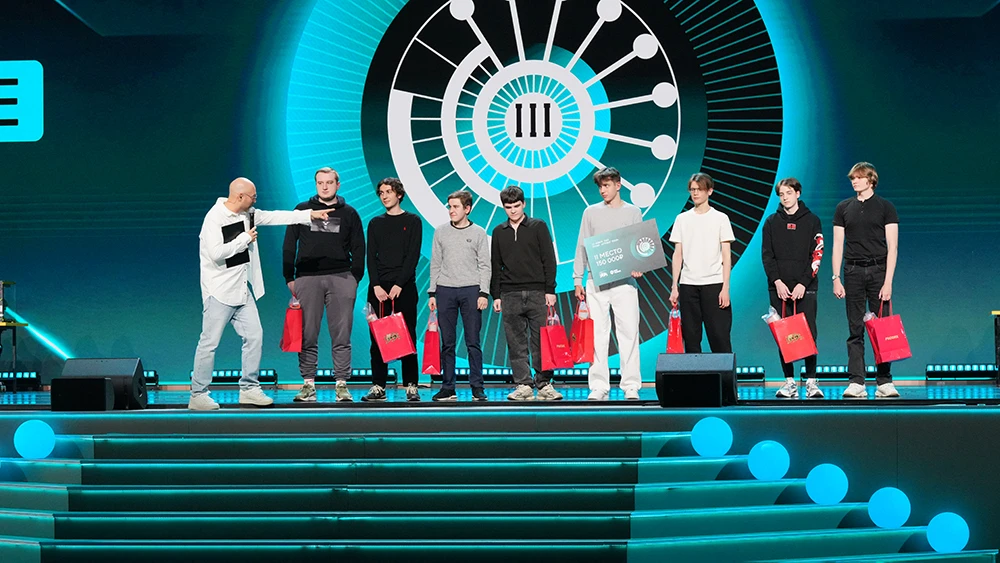
A highlight was the "World of Tanks" tournament, with gaming fans following the fast-paced battle on big screens. Enemy and Spartak faced off in the final. Each side fielded seven players, and every player had a chance to help their team win. Manoeuvres, attacks and defensive plays made for a tense and exciting final. Enemy won, and the tournament had a prize pool of 500,000 roubles.
Throughout
the day, visitors also took part in a quiz and attended a presentation of
DISTORTION. Alongside the discussions, visitors could try new Russian releases
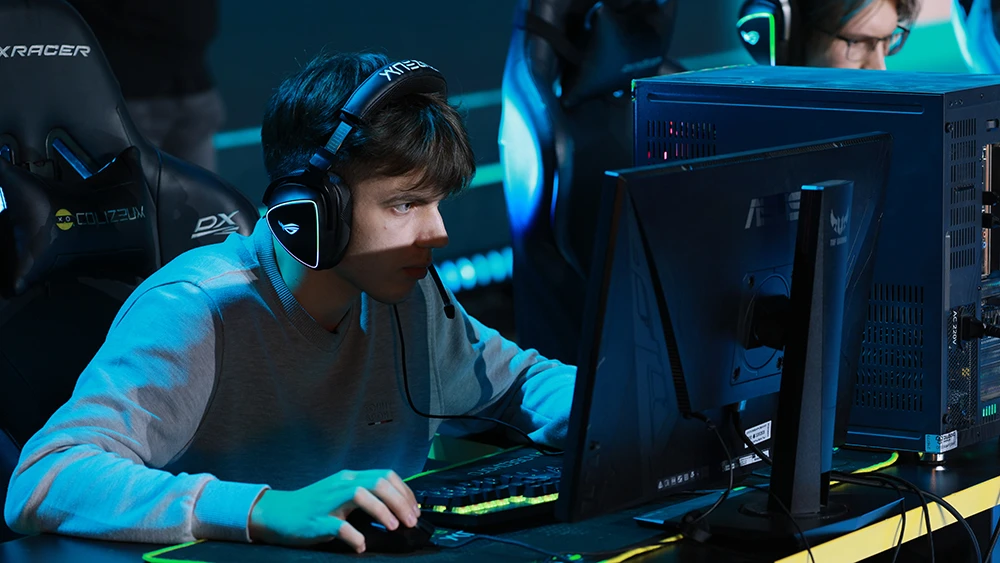
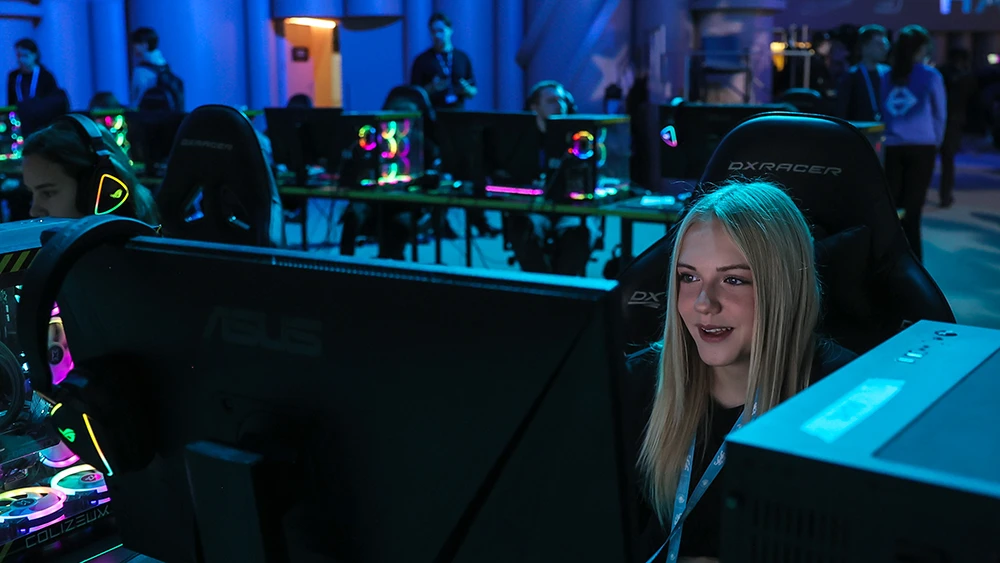
in an open gaming area equipped with 26 high-performance PCs. In the lounge
area, they played "Well, Just You Wait!", "Tetris" and
other games on Soviet-era arcade machines and modern replicas.
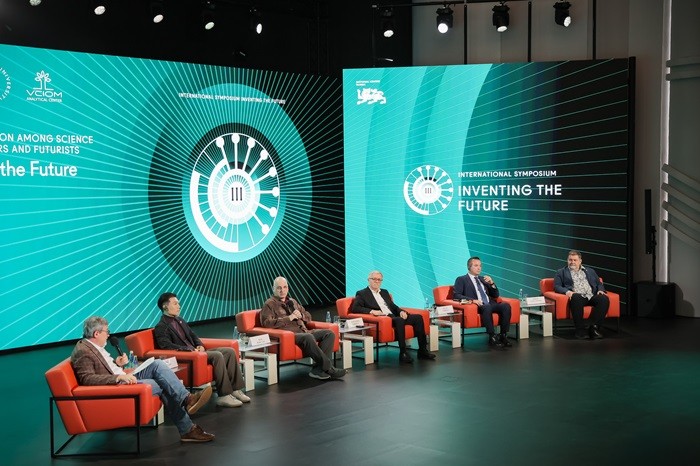
The III
International Symposium "Inventing the Future" was held on 12–13
November at the National Centre RUSSIA and brought together more than 8,000
participants from 109 countries. The event was organised at the direction of
the President of the Russian Federation, Vladimir Putin, under the auspices of
the Decade of Science and Technology, with the support of the Russian Ministry
of Foreign Affairs and the Ministry of Science and Higher Education.
Event photobank

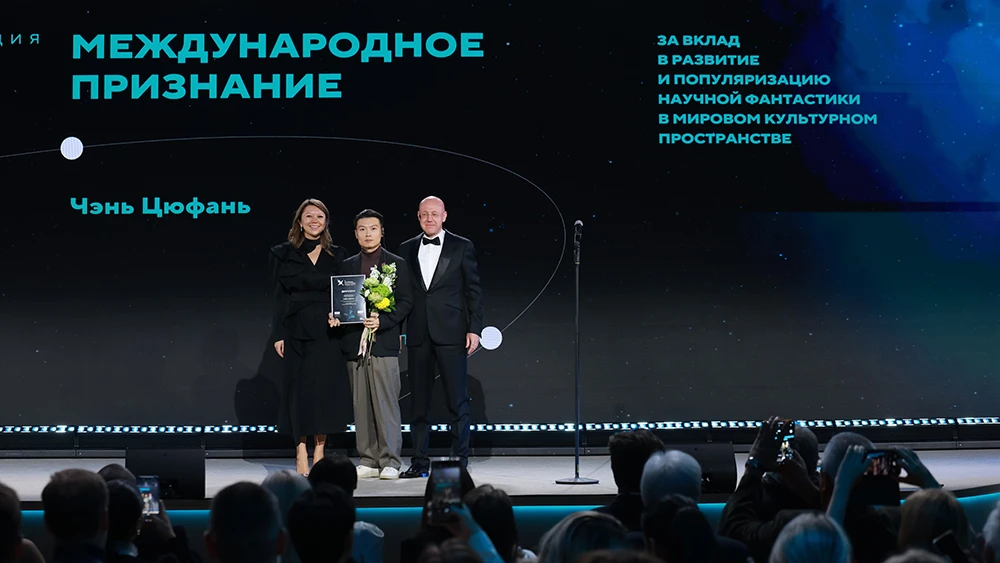
The ceremony for the II All-Russian Science Fiction Literary Award was held on 13 November at the III International Symposium "Inventing the Future".
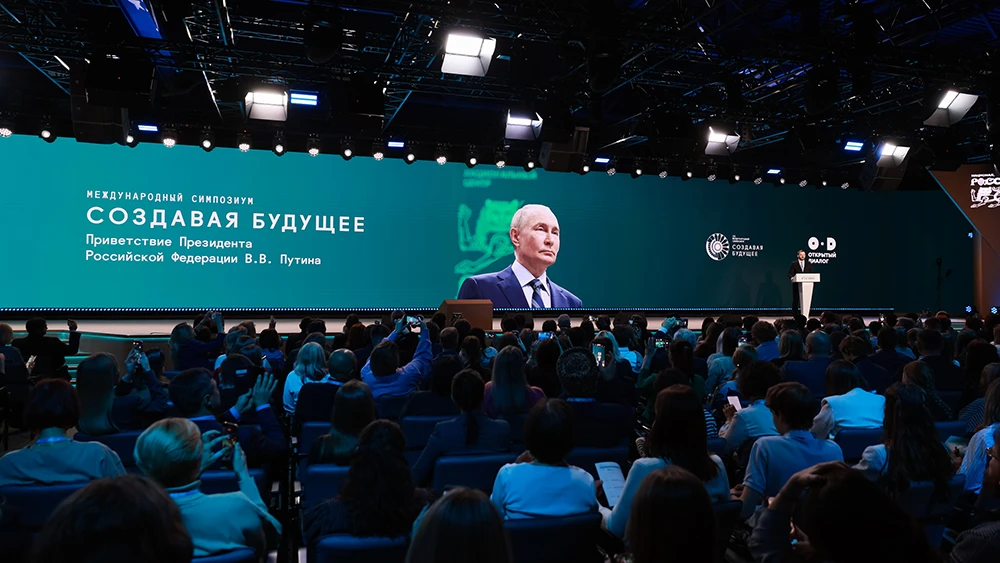
The programme of the III International Symposium "Inventing the Future" covered three thematic tracks: "Human and Values", "Progress" and "Culture and the Arts".
The presentation was held on 13 November at the National Centre RUSSIA as part of the III International Symposium "Inventing the Future".


