

8,000 participants from 109 countries: the National Centre RUSSIA hosted the III International Symposium "Inventing the Future"
The III
International Symposium "Inventing the Future" brought together more
than 8,000 participants from 109 countries at the National Centre RUSSIA in
Moscow. The event was held on 12–13 November at the direction of the
President of the Russian Federation, Vladimir Putin, under the auspices of the
Decade of Science and Technology, with the support of Russia's Ministry of
Foreign Affairs and Ministry of Science and Higher Education.
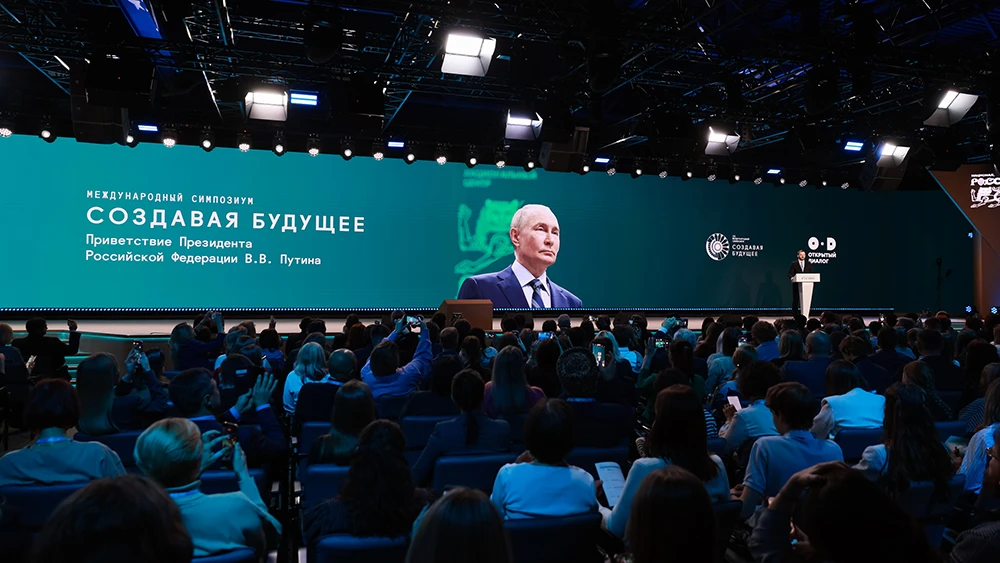
The President of the Russian Federation, Vladimir Putin,
sent a message of greeting to participants in the III International Symposium
"Inventing the Future". He highlighted the event's international
standing and the practical significance of the bold and unconventional ideas
and solutions that participants put forward and put into practice. The Deputy
Chief of Staff of the Presidential Executive Office of Russia, Maxim Oreshkin,
officially opened the Symposium on 12 November. He noted the project's growing
momentum and international standing. Representatives from 19 additional
countries took part in 2026, reaffirming the Symposium's role as a platform for
dialogue in a variety of formats. Maxim Oreshkin recalled that the
International Symposium "Inventing the Future" is part of the global
ecosystem of the Open Dialogue "The Future of the World. A New Platform
for Global Growth". Applications for the third season of the Open Dialogue
opened during the event. The initiative runs an essay contest inviting experts,
businesspeople and scientists from different countries to share their views on
the future of humanity. In 2026, the contest received more than 1,600 entries
in 20 languages from over 100 countries. Entries for the third season can be
submitted on the Open Dialogue website.
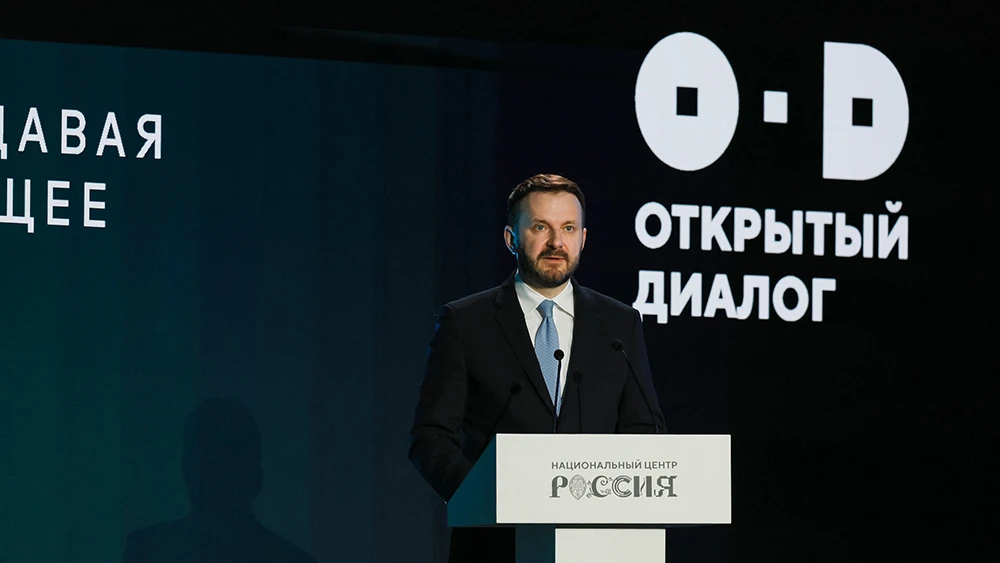
"We invite authors from different professions,
countries and cultures to share their views on the future of humanity. In the
new cycle, we will focus on people in a new world. We encourage authors to
concentrate on four areas: 'Human Development', 'Health Management', 'Life
Around Us' and 'Content in a New Era'. These areas show how people will live in
the new technological world taking shape around us. As always, the most
striking ideas will form the basis of a new report at the end of the cycle. I
want to emphasise that everyone is welcome to take part. Any entry could become
central to the discussion. As always, we look forward to welcoming the authors
of the best and most interesting entries here in Moscow in April to discuss the
results," noted Maxim Oreshkin.
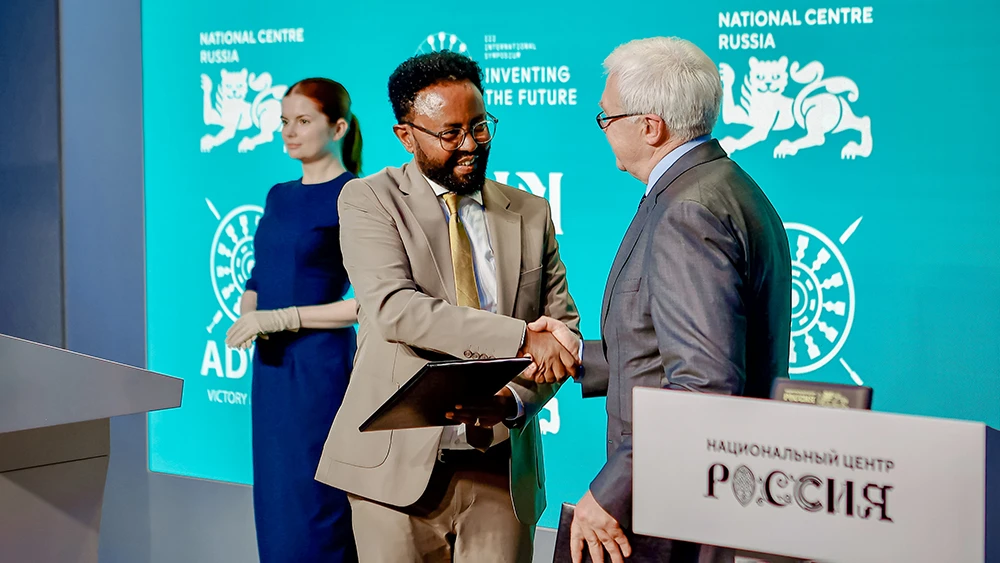
The programme of the III International Symposium
"Inventing the Future" covered three thematic tracks: "Human and
Values", "Progress" and "Culture and the Arts". The
Symposium featured more than 40 events, including educational lectures,
in-depth discussions, inspiring talks and training sessions. Leading
politicians, scientists and futurists, along with representatives of the
creative industries, the media, civil society and youth organisations, worked
together to develop positive scenarios for the future, exchange new ideas and
share their experience of working across disciplines.
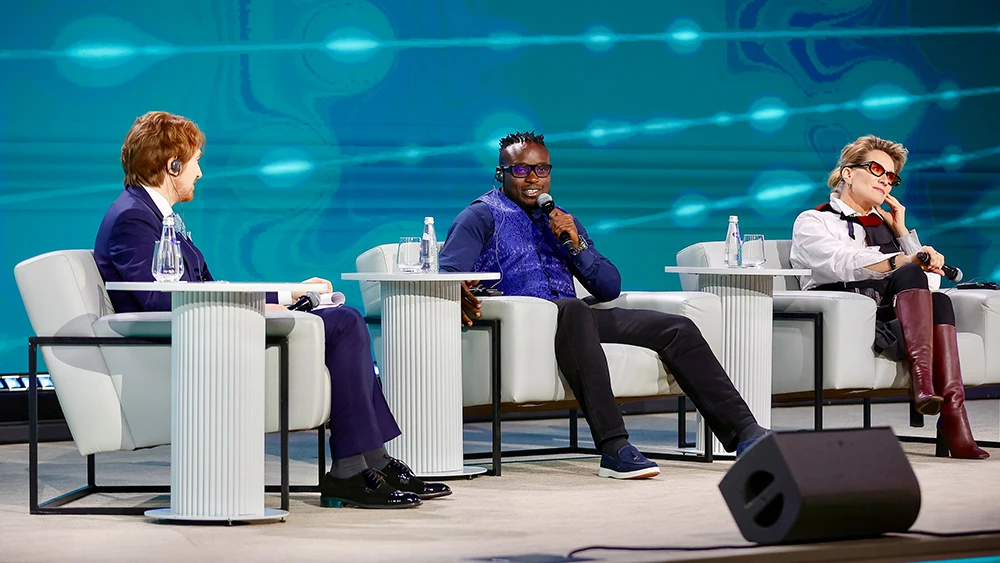
"The National Centre RUSSIA, established at the
direction of President Vladimir Vladimirovich Putin, brings together unique
expositions and provides a place for national pride and international dialogue
on an equal footing. It is only natural that we should start a conversation
about the future. We are glad that the Symposium is growing every year and that
more countries are joining us. This year, there are already 109. The entire
programme is built around three tracks, 'Human and Values', 'Progress' and
'Culture and the Arts', and there is a reason for that structure. Progress sets
our direction. We are building up our technological capabilities, always
remembering that every advance must serve people. Culture, the arts and
traditional values are our foundation. The present and the future both depend
on carefully preserving and deeply respecting the past. I am genuinely pleased
that we have been able to hold this dialogue again, and that each of the 8,000
participants will leave the Symposium with new ideas and discoveries that
resonated with them personally," emphasised Natalia Virtuozova, Director
General of the National Centre RUSSIA.
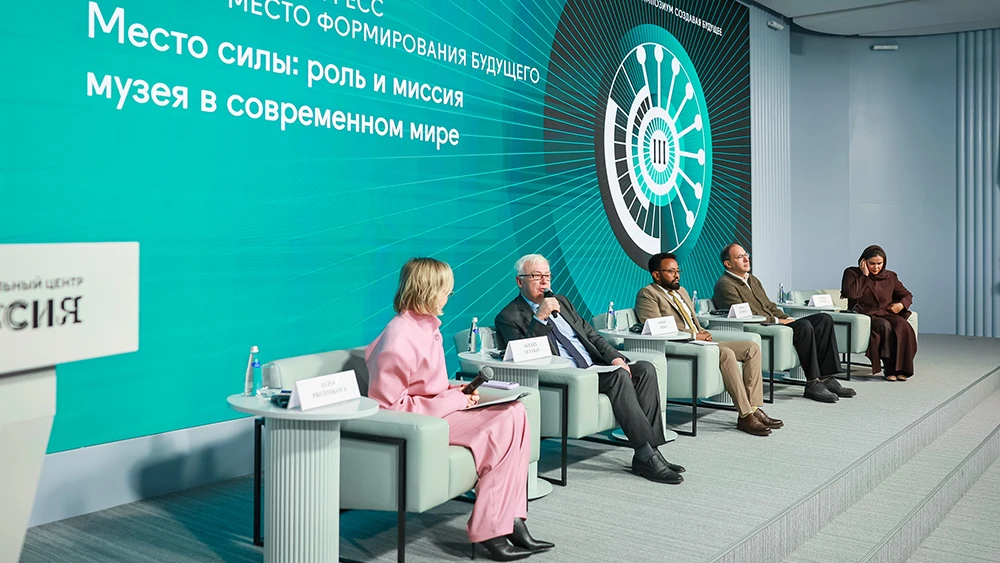
Among the highlights of the Symposium was the II Museum Congress "The Museum — A Place Where the Future Is Shaped", where representatives of 75 Russian and eight international museums exchanged ideas on how museum spaces are changing in the digital age.
The Symposium also
launched its first special project for gaming and esports fans, the Gaming
Lobby "Gaming Session of the Future". Participants explored video
games as an important cultural phenomenon and discovered new titles from
Russian developers, including DISTORTION, a new Russian story-driven action RPG
presented at the event.
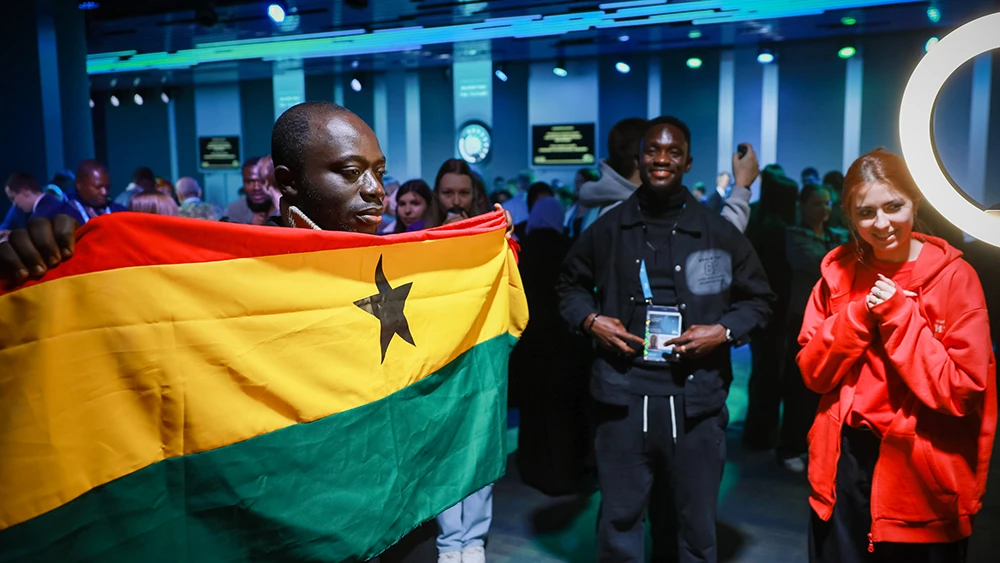
The III International Symposium "Inventing the
Future" also gave participants a chance to consider the balance between innovation
and tradition. They agreed that people should be at the heart of the future,
with progress serving them while preserving distinctive craftsmanship and
centuries-old traditions. A dedicated part of the programme explored this
theme. The discussion and performance "The Power of Craft: Preserving
Heritage for the Future" focused on traditional crafts as a link between
generations and part of the cultural code.
"I think it is a wonderful idea to hold a symposium
like this for international dialogue about the future. These connections help
us preserve our shared legacy and culture and understand how others think. That
matters to many regions," said Abdulla Al Sulaiti, Deputy Director for
Research and Collections at the National Museum of Qatar.
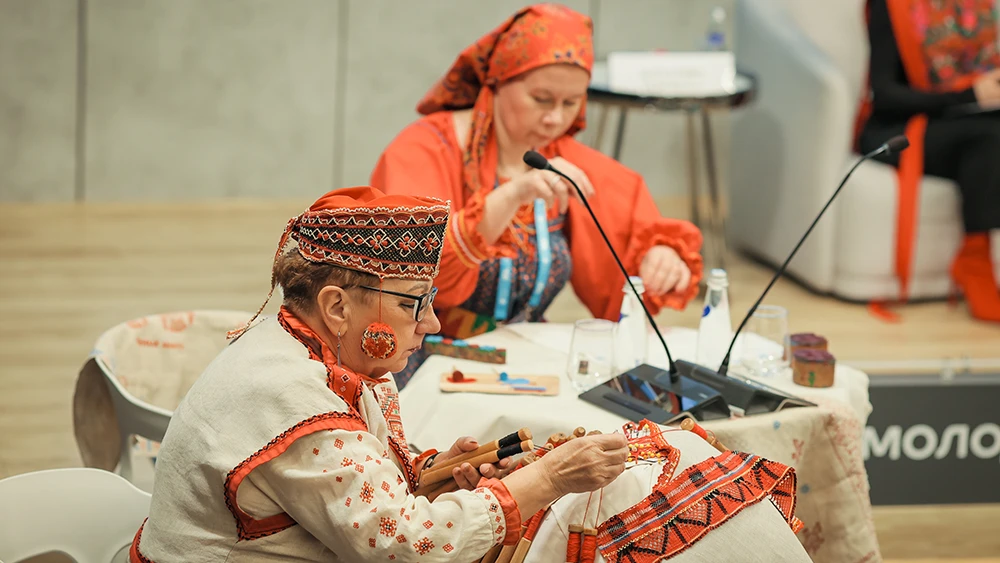
During "The Power of Craft: Preserving Heritage for the
Future", Natalia Virtuozova, Director General of the National Centre
RUSSIA, announced that the Young Artisans School, a new project for young
people, would launch in 2027. Children will discover traditional crafts and
learn to make things that carry the maker's heart and the traditions behind the
craft. International experts taking part in the Symposium backed the
initiative.
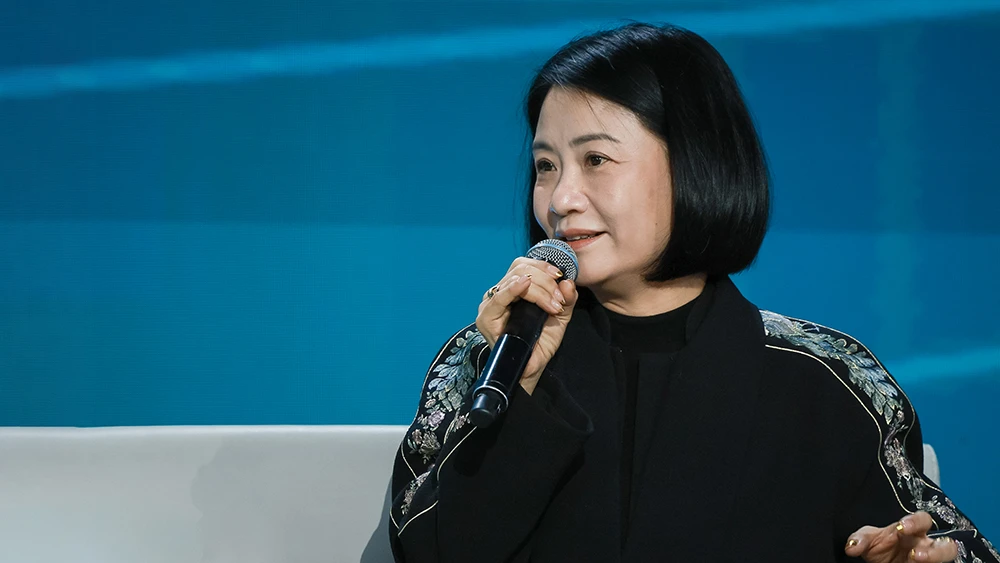
"Young people are our future. That future is only
possible if they respect their roots and stay interested in their culture and
traditions. Culture and the arts help young people retain their sensitivity,
because feelings connect all of humanity. Human beings are made to create and
imagine. Artificial intelligence has no feelings, so it will never replace
people. It is simply a tool and will never replace the work our artisans do by
hand," noted Guo Pei, a couturier from China and founder of Rose Studio
and the Guo Pei couture house.
Culture and the arts can cross borders and bring people from
different countries together around a shared vision of the future, while
science and technology can inspire creative work. The "Worldwide Web:
Cultural Code" art residency, part of the III International Symposium
"Inventing the Future", showed how a cultural code can help people
from different countries understand one another. Five artists from South
Africa, Saudi Arabia, Vietnam, Thailand and Indonesia visited the National
Centre RUSSIA, the ATOM Museum, and leading research centres and art venues. They
presented sketches for projects combining science and art, inspired by their
week in Russia.
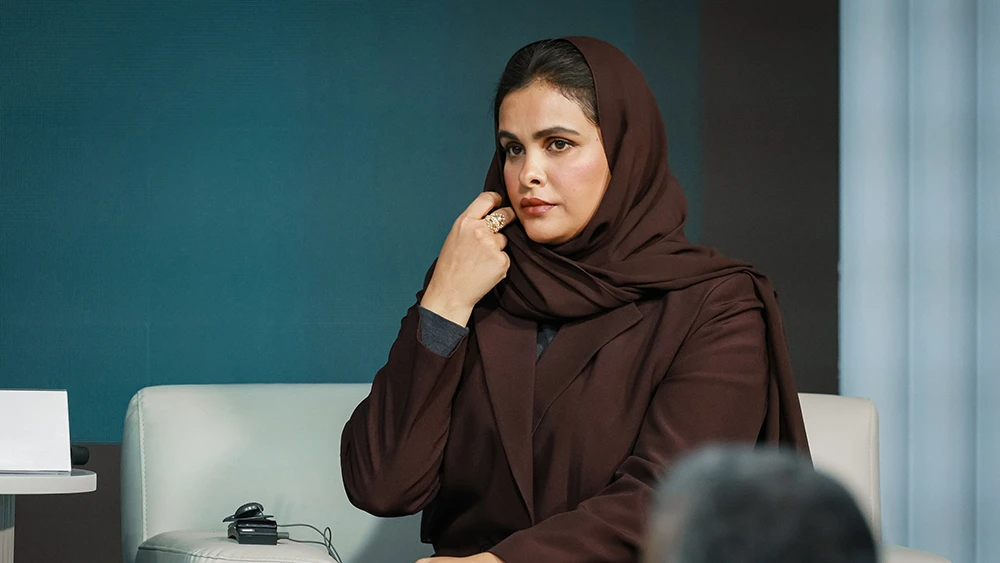
"Our museum in Abu Dhabi opened just a year ago, so it
was very important for us to have the chance to talk to representatives of some
of the world's best museums, learn from their experience and share our own
practices and ideas on how to pass on knowledge and make it accessible to
everyone, especially students and the next generation. Taking part in the
Symposium has been a very positive experience. I think we can definitely
continue the partnership. There are many opportunities for us to work with the
National Centre RUSSIA," said Moaza Matar, Director of Curatorial Affairs
and Collection Management at the Zayed National Museum (UAE).
The III International Symposium "Inventing the
Future" concluded with the ceremony for the II All-Russian Science Fiction
Literary Award. The winners included Russian and international writers,
translators and artists. More than 120 works published in 2025 were submitted
for the award.
Event photobank
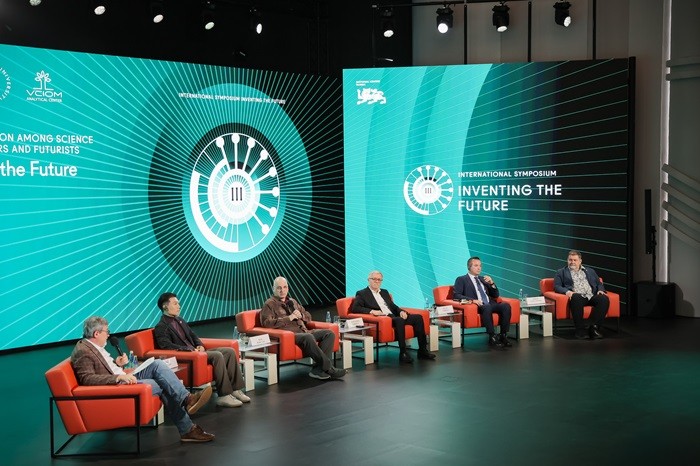

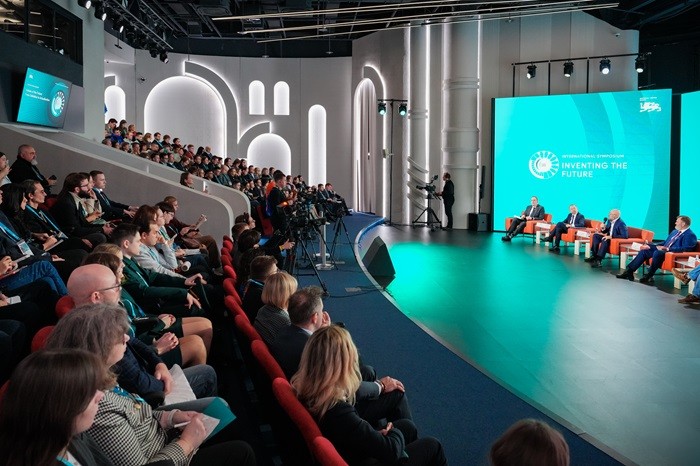
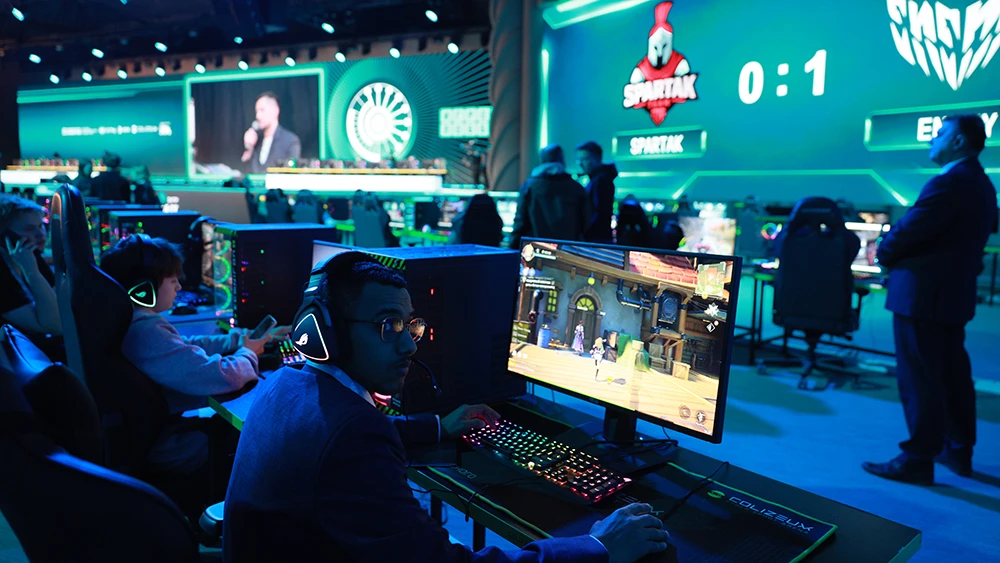
New releases and trends in Russian game development, the strengths of the Russian games industry and cybersecurity were among the topics in focus at the Gaming Lobby "Gaming Session of the Future".
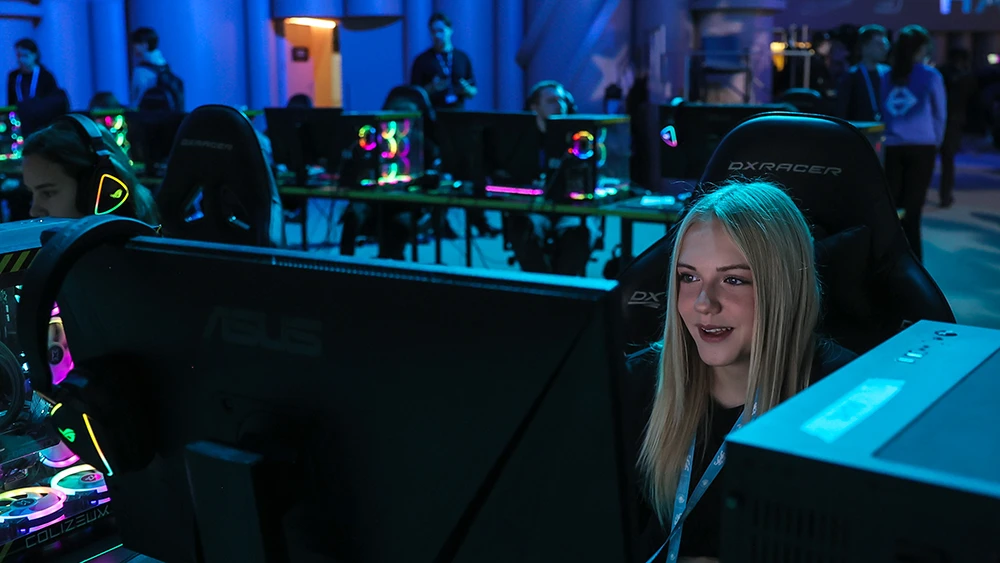
The presentation was held on 13 November at the National Centre RUSSIA as part of the III International Symposium "Inventing the Future".
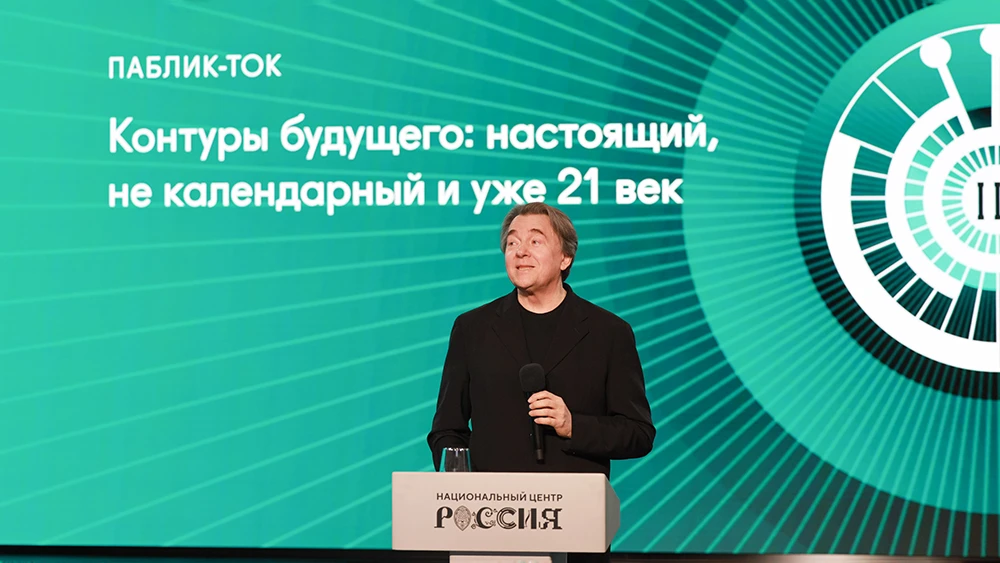
The talk was held on 13 November as part of the "Human and Values" track.


