

National Unity Day: from shared roots to a common future
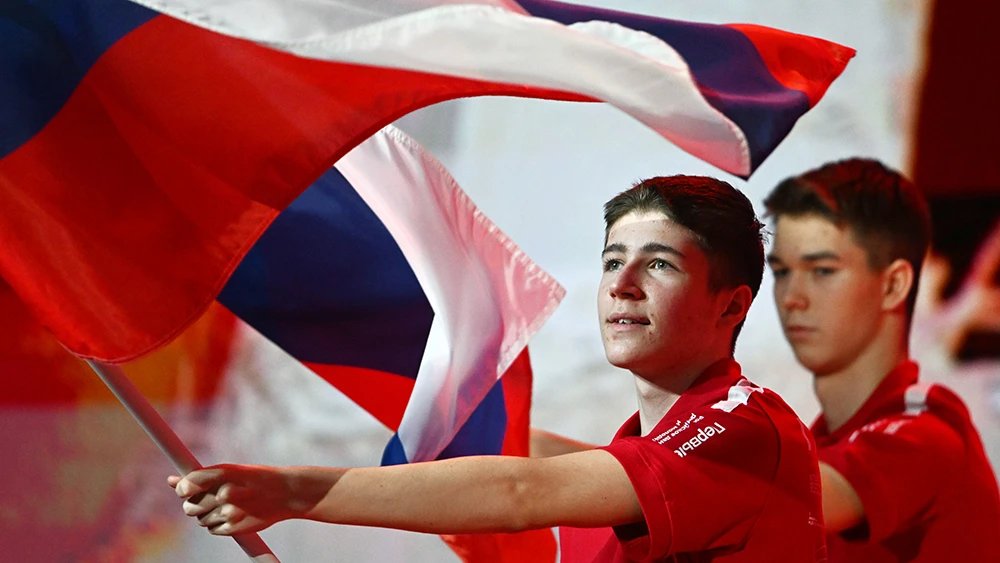
On 4 November, Russia celebrates National Unity Day — a holiday that reminds us that the country's greatest strength lies in the unity of its peoples. This day holds special significance for the National Centre RUSSIA: coinciding with the Centre's anniversary, it embodies one of its core ideas — pride in our country's centuries-old legacy and in the people who create it.
The history of National Unity Day dates back to 1612, when the people's militia, led by Kuzma Minin and Dmitry Pozharsky, liberated Moscow from Polish interventionists. The decisive battle for the ancient capital took place on 4 November. The date became an Orthodox religious holiday, symbolising people's unity in the face of adversity. After the October Revolution of 1917, 4 November was removed from the official calendar of public holidays. However, people continued to mark the occasion as the feast day of the Our Lady of Kazan icon.
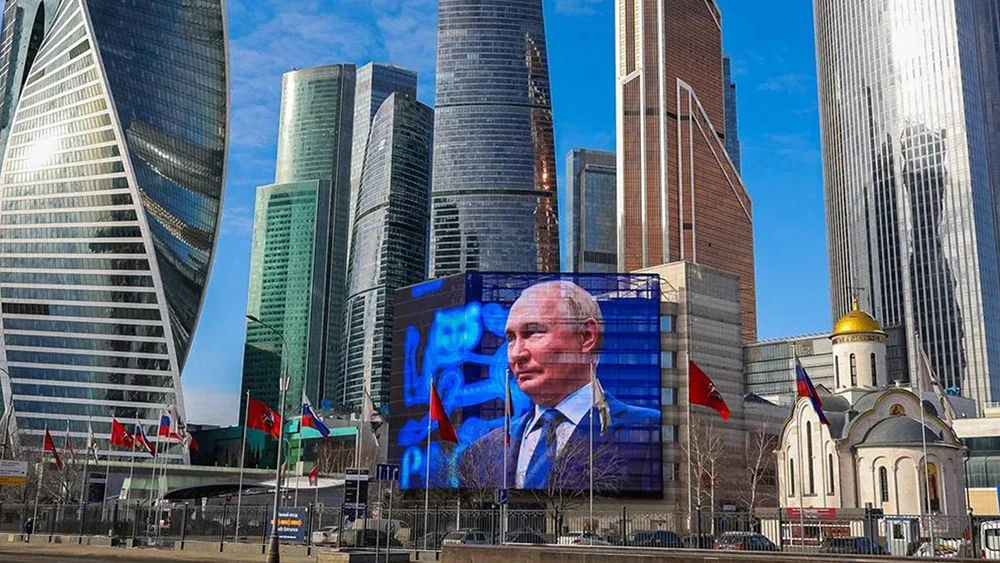
In September 2004, the Interreligious Council of Russia proposed declaring 4 November National Unity Day. On 29 December 2004, President of the Russian Federation Vladimir Putin signed the relevant law, and the holiday once again became an official national observance. Today, it not only commemorates the historic feat of the 17th century, but also serves as a symbol of solidarity among the country's peoples and of every citizen's responsibility to their greater and local homeland.
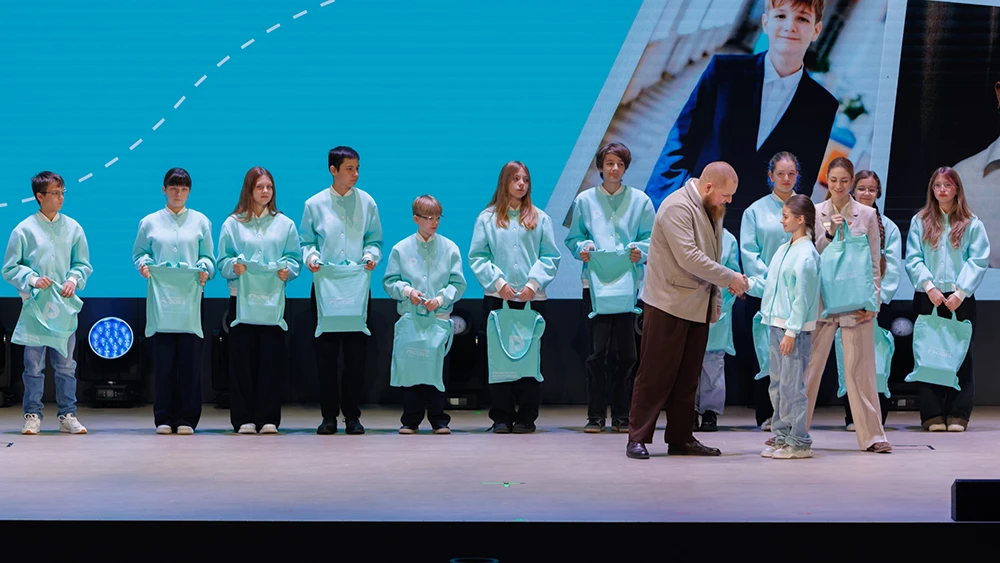
The holiday takes on special significance in 2026, which President Vladimir Putin has declared the Year of Unity of the Peoples of Russia. Events are being held across the country throughout the year to preserve, enrich and pass on the values that unite people of different nationalities, traditions and cultures.
At the National Centre RUSSIA, the idea of unity is explored in many different ways — through historical Lecture Halls and educational podcasts, large-scale festivals and multigenre performances, international forums and exposition projects. It runs like a common thread through global expert discussions about the future, vibrant youth initiatives and collective art installations created by visitors from different regions, countries and continents.
One of the most striking symbols of the Year of Unity of the Peoples of Russia at the National Centre RUSSIA has been the khorovod — a traditional circle dance and an ancient symbol of the unity of people and cultures. The original musical and choreographic parable "Khorovod" brought together some of the country's finest ensembles and outstanding performers on one stage, from Kaliningrad to Vladivostok, and from the lezginka to the northern quadrille. At the end of the performance, they came together in a single circular dance. The public "Khorovod" flash mob then brought not only Russia's regions but also international participants in the International Festival of Youth in Yekaterinburg into this ancient dance ritual.
This is another meaning of National Unity Day: it teaches us that solidarity is built on respect for other cultures, a genuine interest in traditions and a willingness to stand together — in big things and small, in times of celebration and in everyday life.