


"Not for one ruler, but for all the people": Alexander Popov explains how underground palaces appeared in the metro
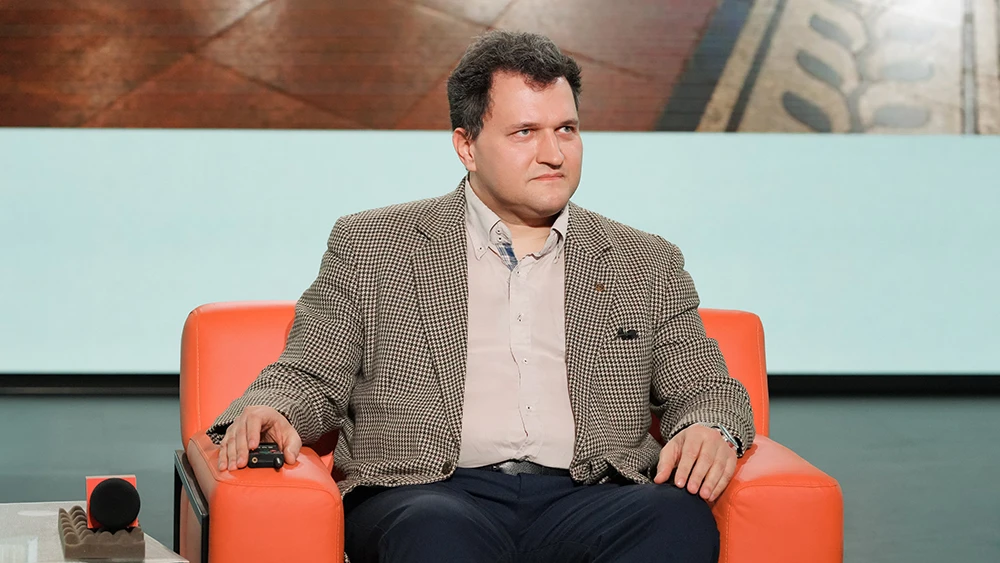
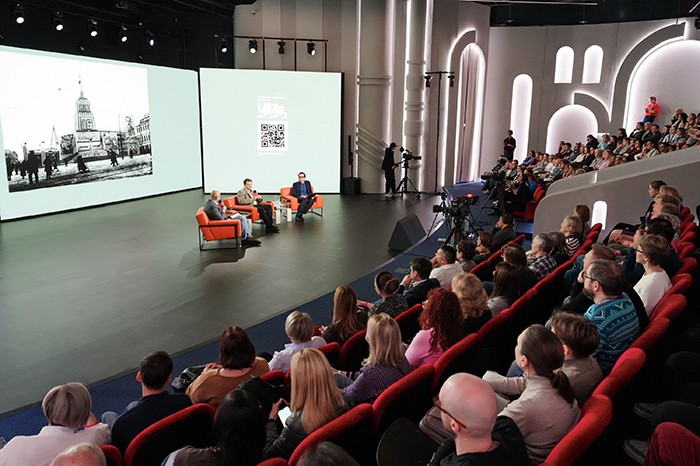
The idea of the Moscow Metro as a "palace for the people" was no coincidence: it grew out of the era’s vision of luxurious spaces open to everyone. Transport history expert, photographer and historian at JSC Mosmetrostroy Alexander Popov explained how the architects of the first stations realised their own ideals at the historical Lecture Hall "FromTsarist Plans to a Digital Future: The History and Architecture of the Russian Metro" at the National Centre RUSSIA.
The expert cited Alexei Dushkin, the architect behind Kropotkinskaya station, who loved ancient Egyptian architecture and based his design on a pharaoh’s palace. According to legend, senior official Lazar Kaganovich was outraged when he learned this: the young proletarian capital needed the world’s finest metro, rather than a palace.
"Dushkin found a way out: 'You see, in Ancient Egypt, the palace was for just one person, the pharaoh, whereas ours is a palace for the people, for everyone.' And this approach fitted perfectly with the spirit of the 1920s, when a former landowner’s house could become an orphanage or a community cultural centre: any space could become open to everyone, regardless of wealth, class or social rank," Alexander Popov explained.
He said that the appearance of stations changed with the times. For example, architect Iosif Demchinsky initially designed some of the Moscow Metro’s most beautiful train depots, but later, during the Khrushchev era, took a purely functional approach to station design.
The Lecture Hall also featured Chief Architect of the Moscow Central Circle Timur Bashkayev and Director of the "I Remember" Foundation and member of the Academic Council of the Russian Military Historical Society Artyom Drabkin, who also hosted the event. Guests discovered why the Moscow Metro is considered one of the most beautiful in the world, how station designs take shape, and what legends have grown around the metro over its 91-year history.
The Open Historical Lecture Hall is an original project of the National Centre RUSSIA that introduces audiences to unique historical facts, debunks harmful myths and helps foster patriotism and respect for their country’s legacy. The project is implemented with assistance from the Russian Military Historical Society (RVIO) and the "I Remember" Foundation.
Event photobank


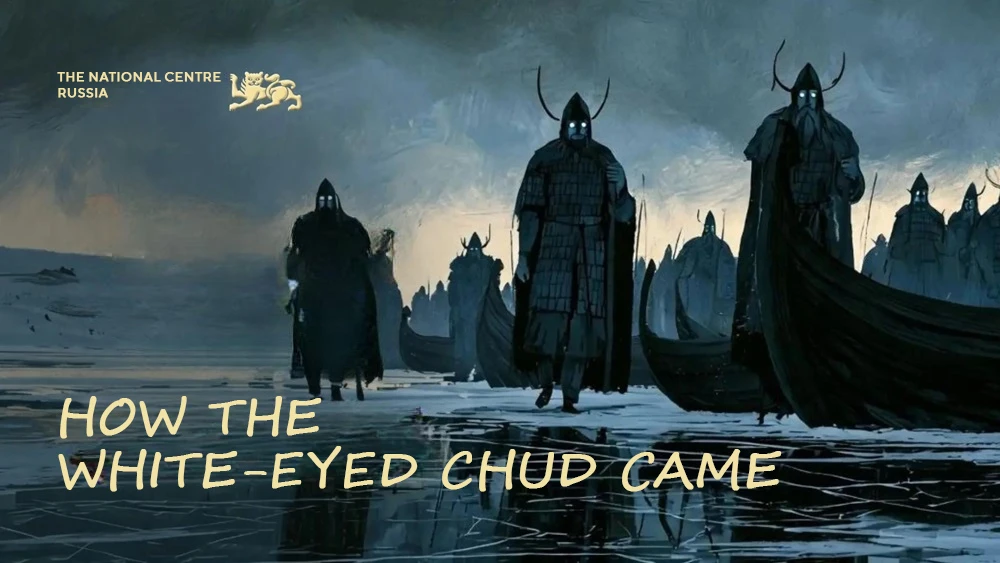
Viewers will meet a brave man who saved his people three times from invasions by the white-eyed Chud — foreigners wearing iron armour and horned helmets.
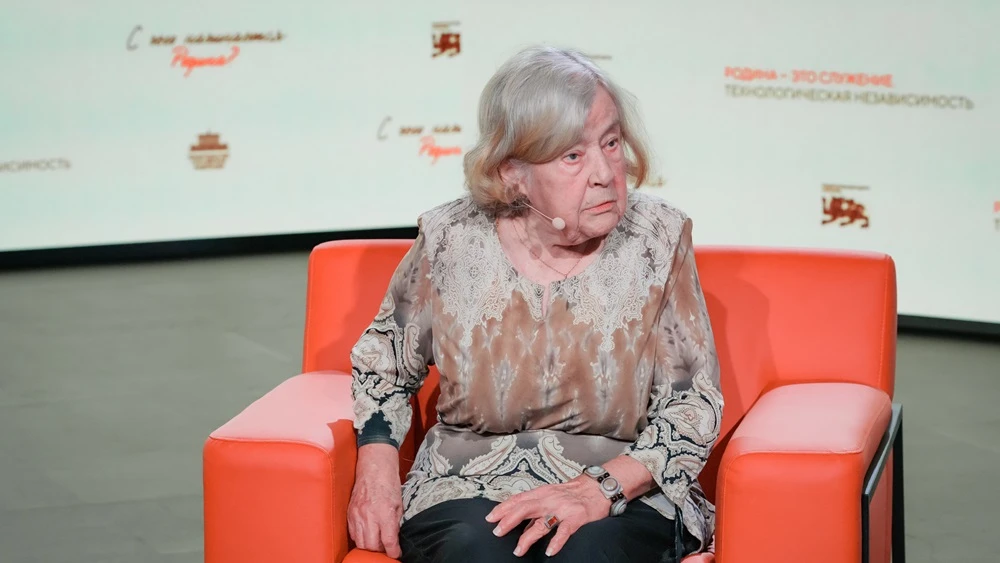
The engineer advised young specialists to develop a love for their profession while still studying and choose a field they truly enjoy.


