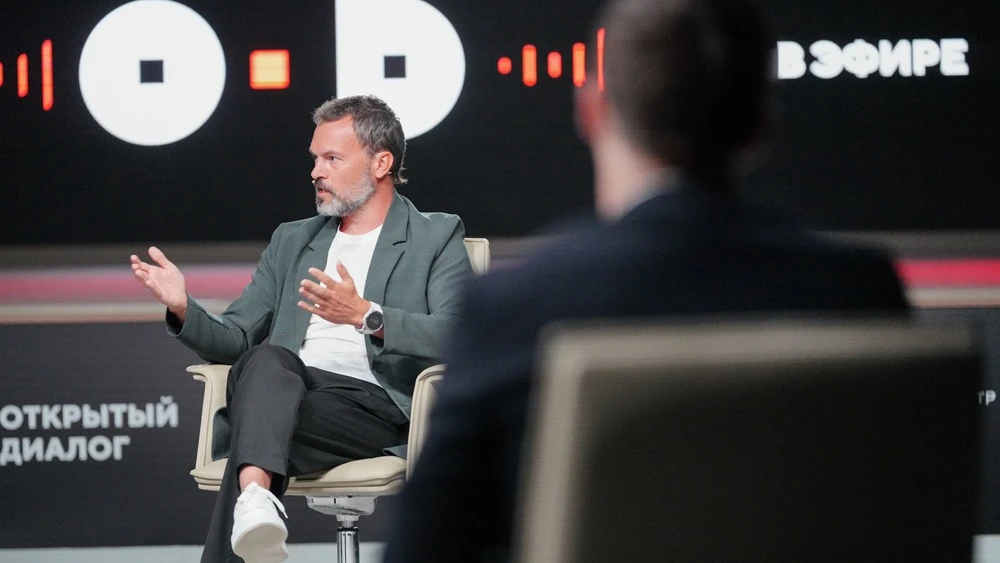
New episode of the Summer Expert Meetings: Maxim Oreshkin and Yury Maksimov discuss the future of globalisation and technology
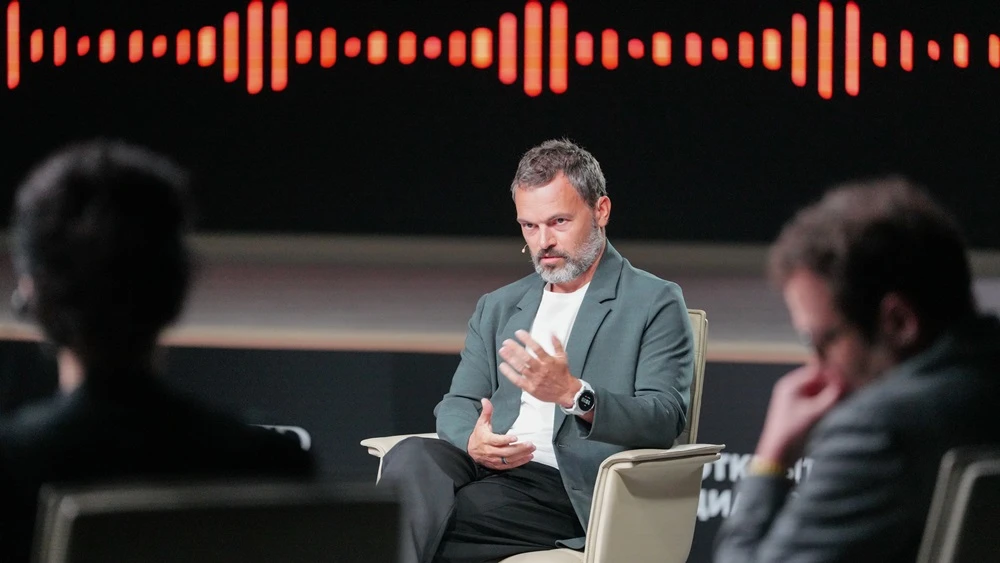
What will the new era of globalisation look like? Is technological sovereignty possible without international cooperation? And who will shape the architecture of the future world order? In the latest episode of the Summer Expert Meetings of the Open Dialogue, Deputy Chief of Staff of the Presidential Executive Office and economist Maxim Oreshkin, together with Yury Maksimov, co-founder of the Cyberus Cybersecurity Development Foundation and Positive Technologies company, discuss how the global order is being reshaped by digital technologies, artificial intelligence and the new technological race. The episode is available to watch on the website of the National Centre RUSSIA.
According to Yury Maksimov, genuine sovereignty does not mean "making everything yourself". Rather, it means understanding how technologies work, maintaining control over critical components and being able to replace vulnerable elements quickly within the framework of international cooperation. Moreover, he argued that true technological sovereignty can only be achieved through cooperation.
"No country will be able to build its entire digital ecosystem on its own. Globally, we need to develop the world's digital environment in such a way that every country feels digitally sovereign, even if it is not capable of creating the underlying technologies itself. That requires cooperation," said Maksimov.
One example of this approach, he noted, is the development of artificial intelligence. Countries do not necessarily need to invest enormous resources in building their own large language models. Instead, they can rely on open models with transparent, verifiable and adaptable datasets, while creating smaller "arbiter systems" capable of detecting manipulation and monitoring the performance of large models.
"The most important thing is not to try to buy sovereignty head-on. For example, creating your own neural network with your own dataset and training it to the level of the world's leading models costs enormous amounts of money. Does every country really need to do that? Perhaps not," Maksimov added.
At the same time, Yury Maksimov stressed that meaningful cooperation is only possible between independent actors capable of making their own decisions and participating in global politics and the economy on an equal footing.
"If we want to live in a better world, our goal should be to ensure that sovereignty belongs not only to us, but to other countries as well," he said.
Maksimov also noted that digitalisation is now one of the key forces transforming both the economy and society, driving changes in markets while, in many cases, diminishing human agency. He pointed out that in today's world it is not only individuals who become "invisible", but countries as well, since not every state has the capacity to develop a complete technology stack comparable with those of global leaders.
"Our task is to build a digital environment that first and foremost provides sovereignty for individuals and countries, and only then aspires to the global level. This creates enormous opportunities for cooperation, where results are achieved through a concentration of effort and mutual trust," the speaker added.
The Summer Expert Meetings, held as part of the Open Dialogue titled "The Future of the World. A New Platform for Global Growth", focused on discussing the findings highlighted in the report made by the Centre for Cross-Industry Expertise "Third Rome". The report, titled "Humanity, Technology, and Globalisation: A New System of Coordinates", analyses the megatrends shaping the global economy. These trends were first presented by Maxim Oreshkin during the January Expert Dialogues and further developed using essays submitted by contributors from every continent for participation in the Second Open Dialogue, held at the National Centre RUSSIA from 27 to 29 April. Experts from the "Third Rome" Centre outlined the key conclusions regarding the global trends, identified promising areas for further research and provided a foundation for continuing the international discussion.
Essays for the next series of expert meetings were accepted until 7 July. Authors of the most interesting submissions were invited to participate in the Summer Expert Meetings.
The full recording of the Summer Expert Meetings is available on the russia.ru website in the "Livestreams and Videos" section.
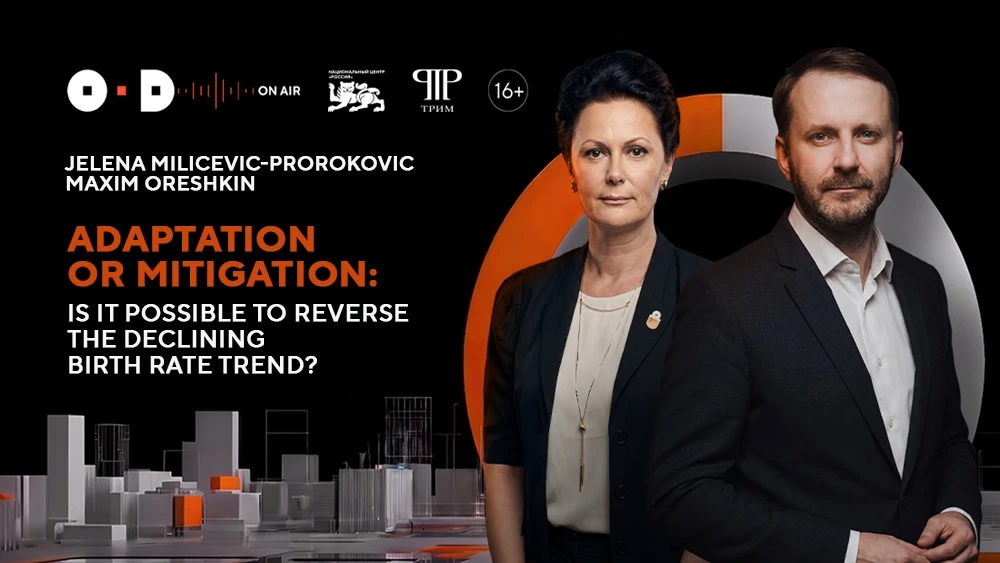
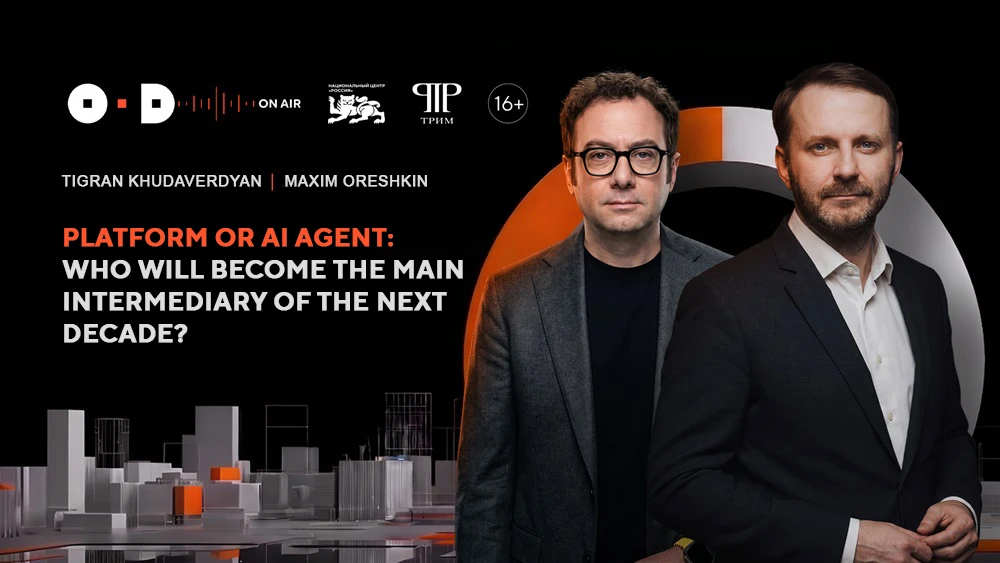
The main topic of the meeting was the future of the digital economy and the interaction between digital platforms and artificial intelligence.