


From orbit to deep space: Vladimir Surdin on the technological future in the National Centre RUSSIA podcast
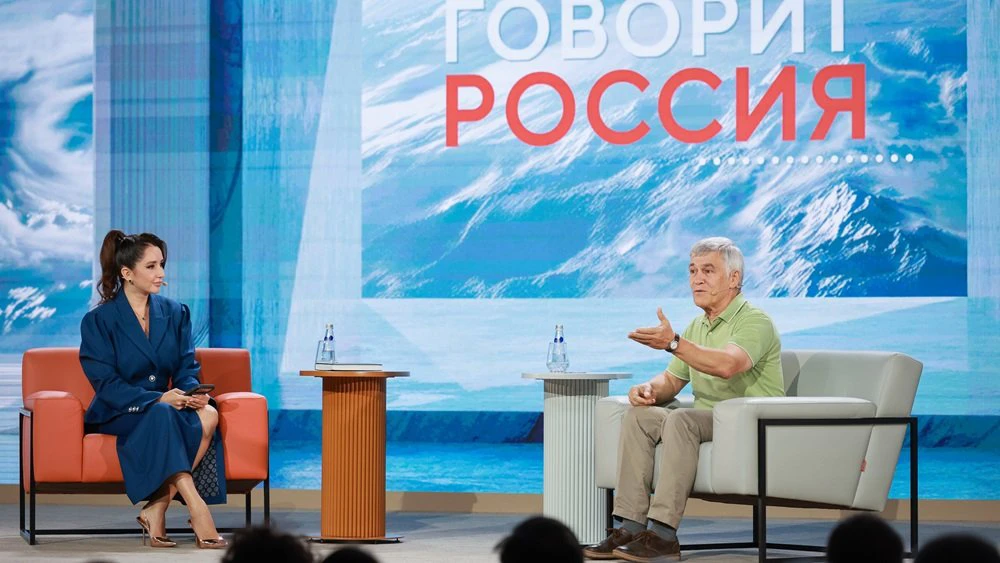
Expeditions to Mars, exploration of the Moon and deep space — these are not scenarios from a science-fiction film, but realistic prospects for the foreseeable future. For Vladimir Surdin, a science communicator and creator of the "Unearthly Podcast" channel, there are no questions that cannot be answered. On 2 September, the renowned Russian astronomer and Candidate of Physical and Mathematical Sciences took part in an open recording of the "Russia Speaks" podcast at the National Centre RUSSIA and joined the audience in looking ahead to humanity's future in space.
Participants tried to imagine where humans might live in the decades to come and which distant planets they might be able to reach. What technologies will be needed, and how will exploring space transform us? One of Russia's most respected scientists shared his answers to these questions. Speaking about achievements in space exploration, Vladimir Surdin noted that today's advances are no less significant than humanity's first steps into space.
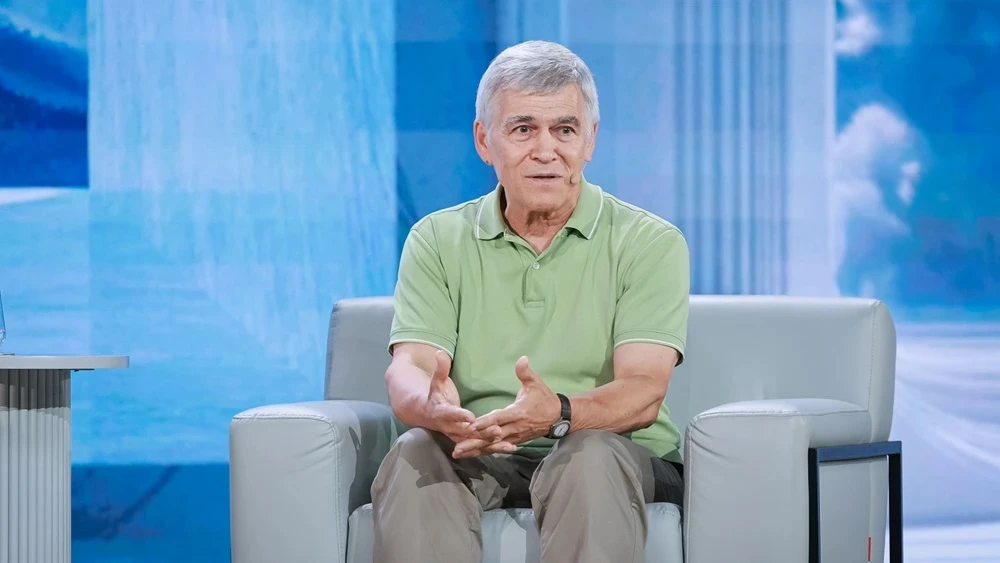
"Modern achievements, in my view, are even more impressive — we have reached the giant planets: Jupiter, Saturn, Uranus and Neptune. Every day, robots send us incredible images and experimental results. So the heroic era of space exploration continues, but today it has reached a different level — the level of scientific discovery," said Vladimir Surdin.
As an example, the podcast guest cited recent research into Venus, which has once again become a focus of scientific attention after many years. Molecules that are closely associated with microbial activity on Earth have been detected in its atmosphere.
"This is not yet a definitive discovery, but we have learned that two interesting molecules — glycine and phosphine — have been detected in the upper layer of Venus's clouds. Glycine is the simplest amino acid and could have reached the planet from outer space, but phosphine particularly excited scientists because it is a product of microbial activity. This led to the hypothesis that life might exist in the atmosphere of Venus. In addition, mysterious images were found in photographs of the planet's surface taken back in the mid-1980s, some of which resemble living organisms. We still cannot understand what they are, but it is incredibly intriguing," the expert said.
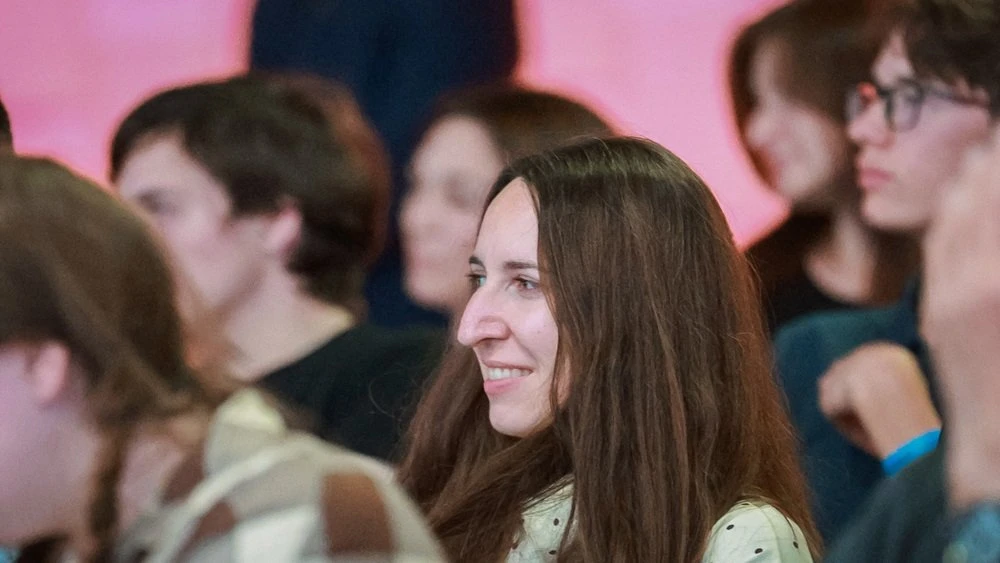
Together with Vladimir Surdin, the audience explored the major milestones of the space age — from the launch of the first satellite to today's boldest projects. Participants recalled achievements that continue to capture the imagination and remain a source of national pride, and reflected on just how far technological progress might take us.
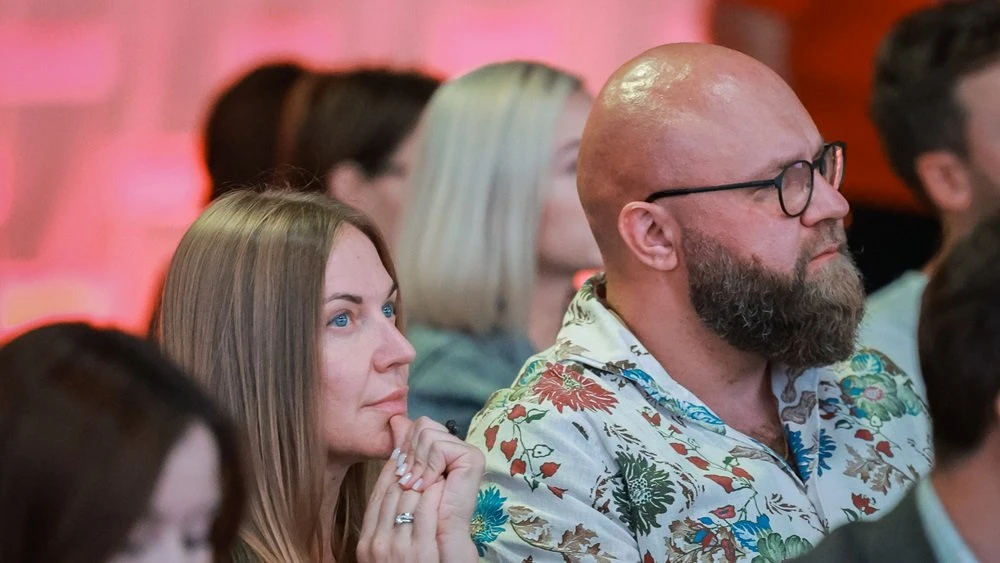
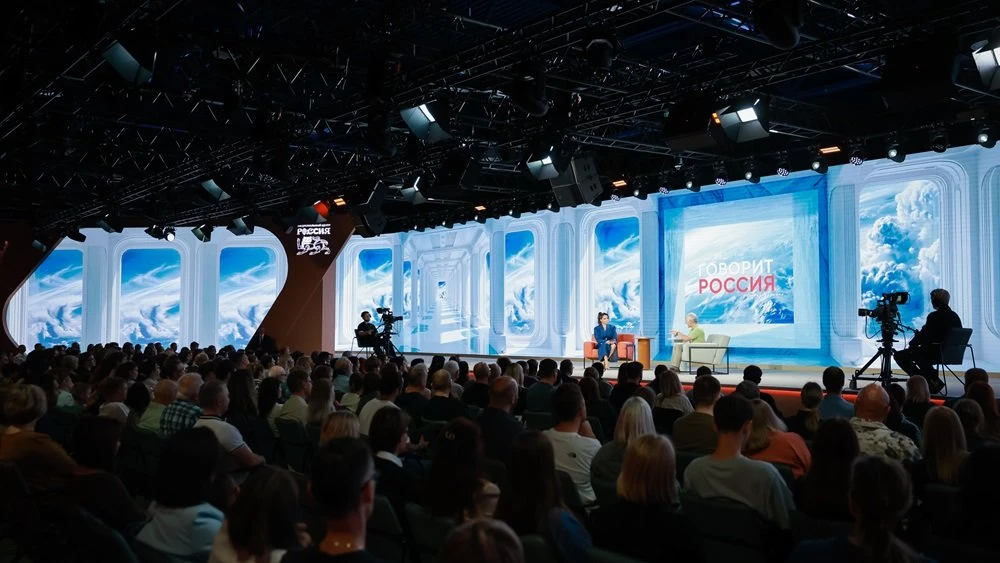
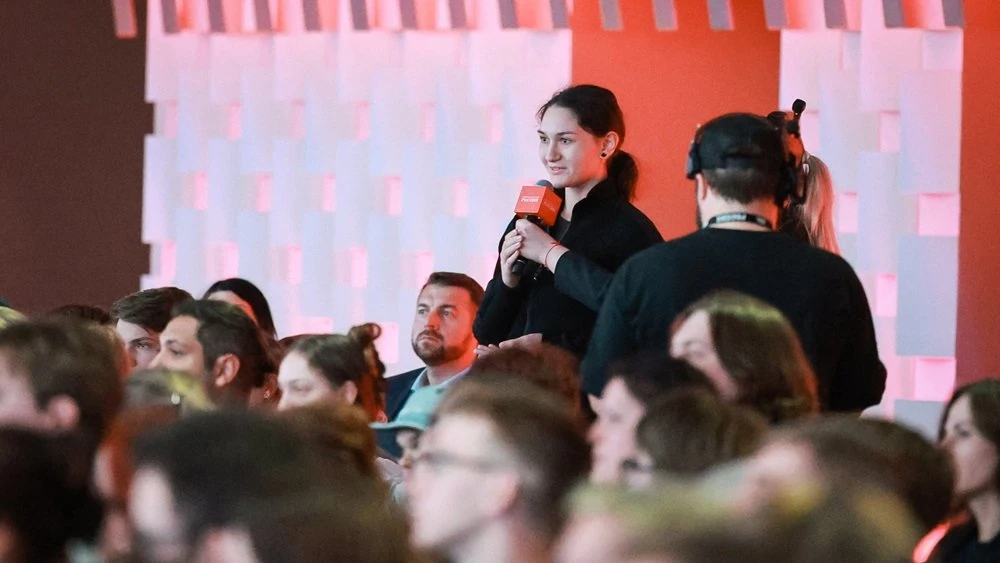
During the Q&A session, podcast audience members asked about the results of observatory research, the prospects for studying Earth from space, the cost of space travel and the possibility of greening Mars and the Moon. They also raised futuristic questions about what would happen if someone fell into a black hole and whether entire cities could be built in planetary orbits. Concluding the meeting, Vladimir Surdin shared his forecast for the coming centuries.
"I think humans themselves will change dramatically. We have spoken today about space exploration, but there are two other rapidly developing fields — genetics and computer technology — that have already helped some people restore, for example, motor functions. In 200 years, humans will be adapted to all the changes that seem like science fiction today. Scientific progress gives us the prospect of expanding our intellectual and physical capabilities. But I would also like us to preserve our moral qualities: kindness, curiosity and a critical view of what is happening around us. That is very important, and I hope we will," the astronomer concluded.
Vladimir Surdin is a Candidate of Physical and Mathematical Sciences, Senior Researcher at the Sternberg Astronomical Institute, Associate Professor at the Faculty of Physics of Moscow State University, and one of Russia's best-known astronomy communicators. His lectures and books are familiar to a wide audience, while his science communication channel has become an educational space for everyone interested in the mysteries of the Universe.
A new episode of the "Russia Speaks" podcast featuring Vladimir Surdin will soon be available on the National Centre RUSSIA website and social media.
"Russia Speaks" is an original podcast produced by the National Centre RUSSIA, in which experts, scientists, and figures from the worlds of culture and the arts discuss key issues of our time, the country's history and its future. The conversations are hosted by journalist and radio presenter Anzhelika Kiryan.
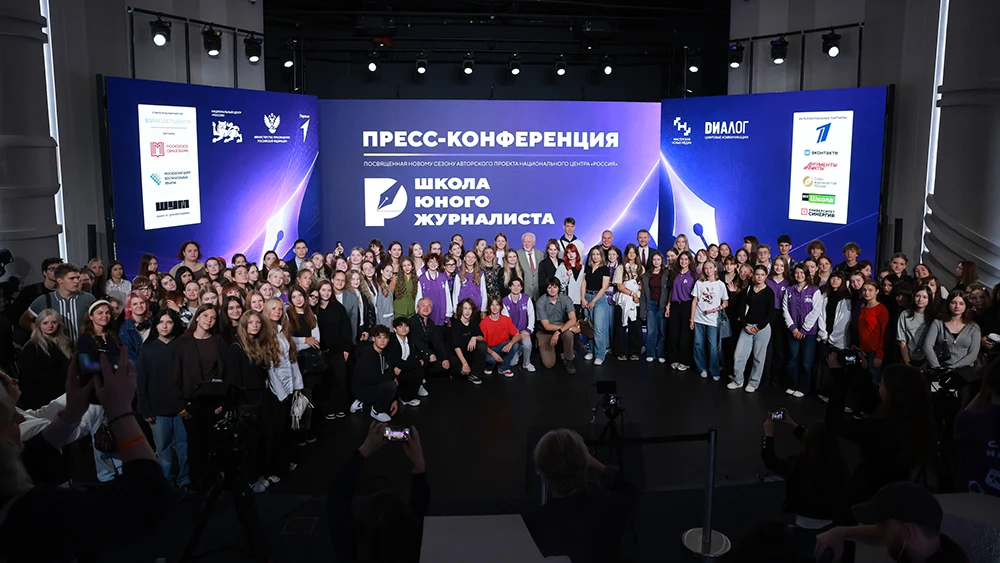
On 3 September, the National Centre RUSSIA hosted a press conference marking the launch of the second season of its original project, the "Young Journalists School".
The National Centre RUSSIA and its branches are becoming an important part of regional development, bringing together cultural, public and educational projects.
The project is being implemented following agreements between Russia and China and in line with the course set by the leaders of the two countries.


