


The Young Journalists School of the National Centre RUSSIA welcomes applications from talented young people across the country
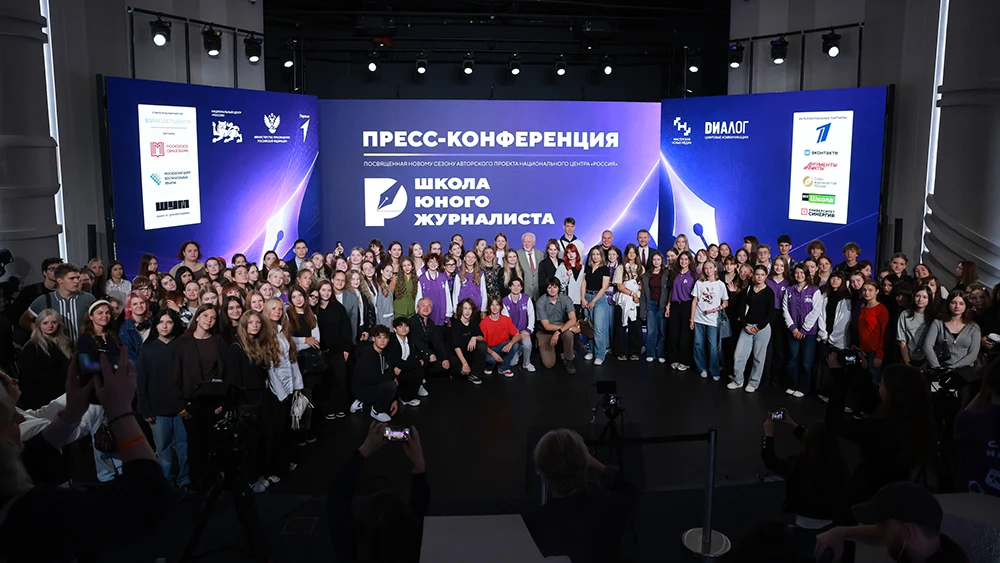
On 3
September, the National Centre RUSSIA hosted a press conference marking the
launch of the second season of its original project, the "Young
Journalists School". The first season of the programme was successfully
completed in 2026, confirming strong demand for the initiative and its
relevance. The project is designed to nurture a new generation of media
professionals who will carry forward the finest traditions of Russian
journalism and help shape the future of the country's information landscape.
The event brought together representatives of major federal
media outlets, children's, teenagers' and youth media centres, co-organisers
and project partners, graduates of the School's first season, as well as school
students, university students, teachers, parents and mentors.
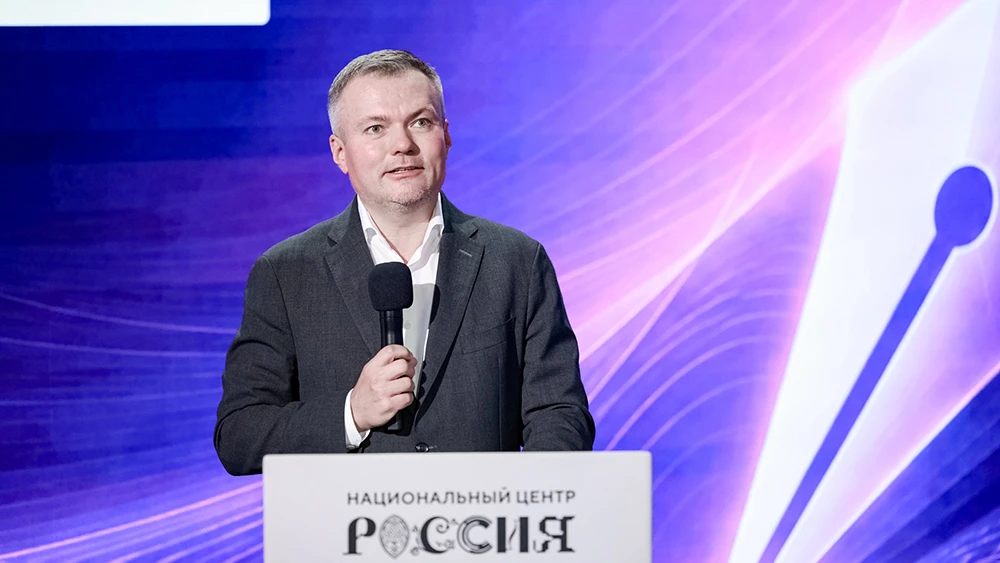
The press
conference was opened by the Deputy Chief of the Presidential Directorate for
Social Projects, Alexei Zharich. He noted that the National Centre RUSSIA was
established by order of the President of the Russian Federation, Vladimir
Putin, and actively showcases the country's achievements, helps shape a vision
of the future and serves as an information space where the younger generation
can develop media skills.
"Journalists
are, of course, people who ask questions and search for answers. The future of
our Motherland depends on those answers — on the choice of national identity,
one's creative and professional path and civic position. I wish success and
courage to everyone who has already started or is only planning to apply for the
selection process. Make full use of the tremendous opportunities available in
our country," said Alexei Zharich.
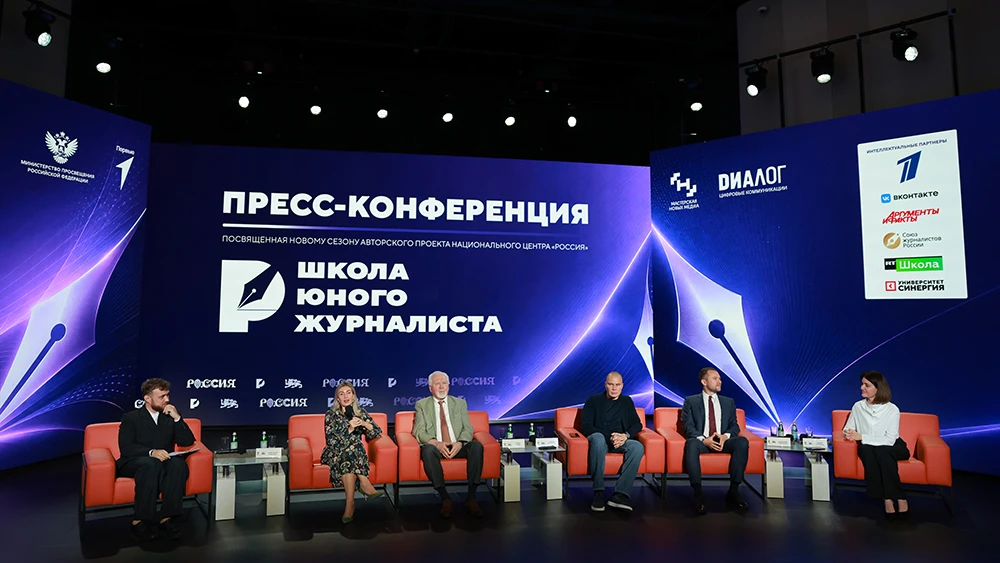
The Deputy Director General of the National Centre RUSSIA,
Anastasia Zvyagina, spoke about the ideas behind the project, its new features
and the first results of the Young Journalists School. She noted that, drawing
on the experience of the first season and the expertise of everyone involved,
the School is actively developing and responding to the real needs of its young
audience.
"Judging
by the selection process for the first season, we saw tremendous interest from
young people: given the number of applications, there were more than 10
candidates for every place. This year, the intake will be much larger, and the
selection campaign for the second season is already under way on our website.
Participants need to complete a creative assignment — record a video
introduction and write an original essay on one of three topics: 'Russia. My
Story in the History of the Country', 'The National Centre RUSSIA: Where
Meanings Are Born' and 'Russia's Future Begins with Me'. At the second,
in-person stage of the selection process, experts will conduct individual
interviews, discuss applicants' motivation and existing skills, and assess
their readiness to complete the programme. Candidates will also complete an
in-person creative task. Dear young people, be bold, give it a try, believe in
yourselves — and you will succeed," Anastasia Zvyagina emphasised.
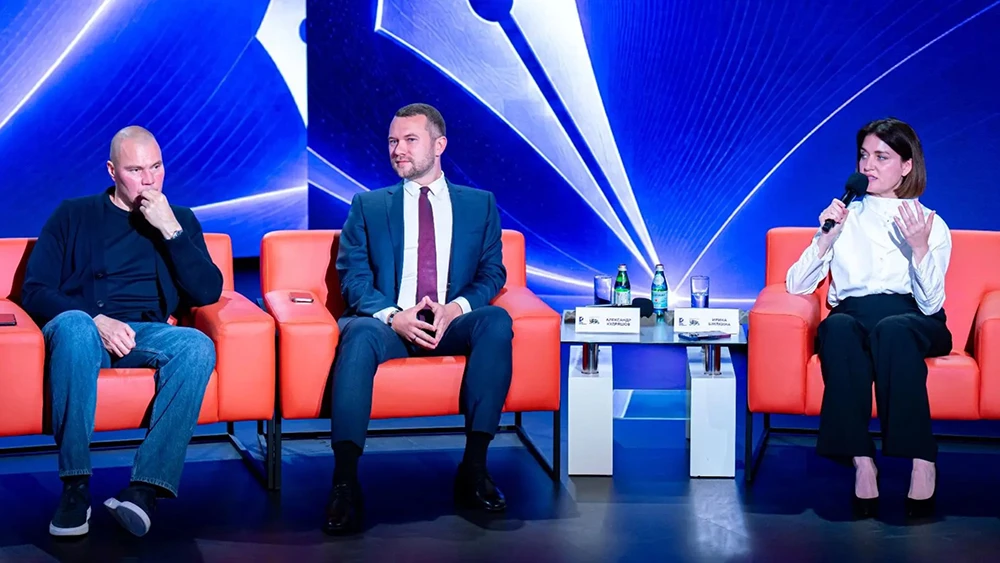
She added
that applicants do not need to be fully fledged professionals with every skill
required of a media specialist to take part in the new season. What matters
most is a strong desire to work in media, belief in the future of their country
and submitting an application via the link by 10 October. According to
Anastasia Zvyagina, it is important for young people to feel that they have
something to say, questions to ask and experiences to share so that they can
inspire their peers to achieve new things and foster a sincere love for the
Motherland.
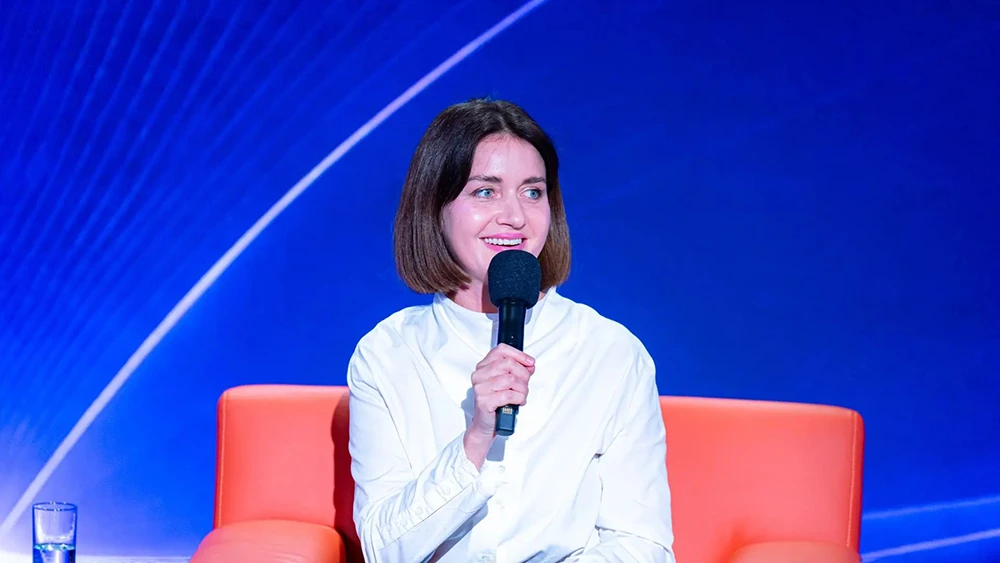
Continuing
the discussion on the well-rounded development of young people, the Director of
the Department for External Communications and Reference Work at the Ministry
of Education of Russia, Irina Shilkina, emphasised that this is one of the
ministry's key areas of work. Particular attention is being paid to developing
media skills among young people.
"Today,
a unified career guidance model is being implemented across the country. Around
74% of students attending media classes go on to enrol at specialist
universities. The Young Journalists School is, above all, an opportunity to
gain practical experience. During the first season, participants not only
visited leading Russian media organisations, but also spent a day at our
ministry, met with Minister of Education Sergei Kravtsov and took part in
workshops. They gained hands-on experience of journalism: they prepared news
flashes and press releases and conducted interviews. We are already ready to
launch the new season and will be delighted to continue working with its participants,"
Irina Shilkina noted.
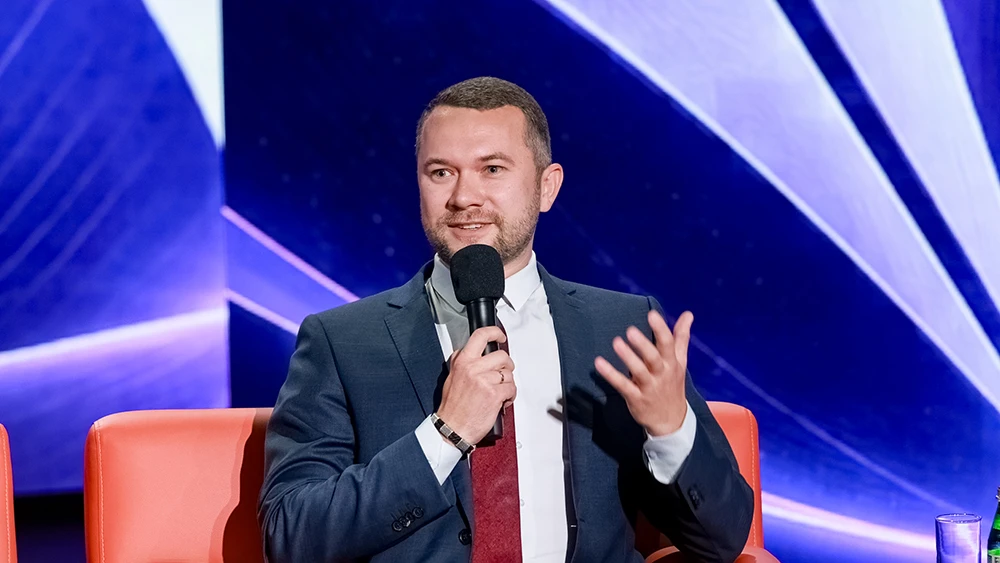
For his
part, the Director of the Russian Children's and Youth Centre, Alexander
Kudryashov, highlighted the importance of developing modern educational and
youth-support infrastructure. He said that more than 22,500 media centres have
already opened in schools and colleges across the country under the guidance of
advisers to school principals on educational work, with support from the
Ministry of Education of Russia. He added that the Young Journalists School of
the National Centre RUSSIA is precisely the kind of project that helps school
students systematically develop practical experience in information work and
sets a high standard for the entire field of children's and youth media.
"When
we talk about the future, it is, of course, inseparable from the rapid
development of digital technologies and the media consumption habits of today's
young people. Competence and a responsible approach to every piece of content
have a major impact on your development as future professionals. That is why I
am confident that everyone involved in the Young Journalists School project
will do everything possible to help strengthen your standing and improve your
media literacy," Alexander Kudryashov shared.
During the
first season, participants visited some of the country's leading newsrooms and
media organisations — TASS, Channel One, Rossiya Segodnya, RT and Argumenty i
Fakty — and learned from leading media professionals, including the Director
General of the National Centre RUSSIA, Natalia Virtuozova, Yekaterina Andreyeva
of Channel One, Andrei Medvedev of VGTRK, Maxim Anufriyev, Yulia Ablets and
many others.
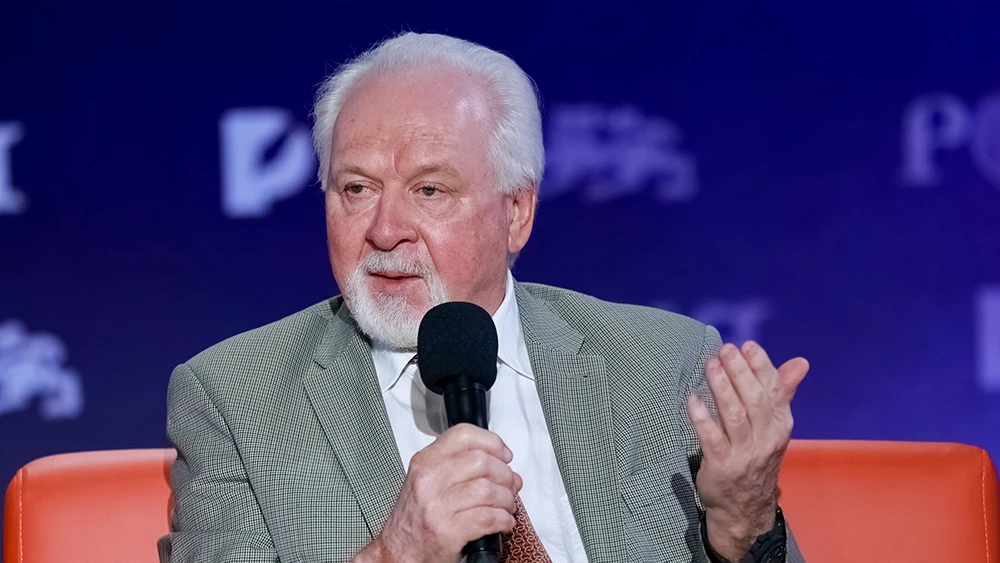
Together, they have built a large-scale media community that
the School continues to work with. New experts have joined the project for the new season, including Pavel
Gusev, Editor-in-Chief of Moskovsky Komsomolets. According to the professional
heading one of the country's leading publications, the main requirement for a
journalist is not so much a diploma as talent — and Moskovsky Komsomolets will
be happy to welcome such young people for work placements.
"When
I first joined the newspaper, I did everything I could to bring talented people
into the newsroom. They were young people who wanted to reflect, think and see
how their words resonated with readers. And I always tell my colleagues: you
have to write in a way that interests you yourselves. We work with many
universities, take students on work placements and give them the chance to see
from the inside how talented words and ideas are created. Talent is something
you are born with, but it needs to be developed. I wish you every success, and
we look forward to welcoming the best of you to our newsroom. We will advise
you, support you and teach you how to work as part of a professional
team," said Pavel Gusev.
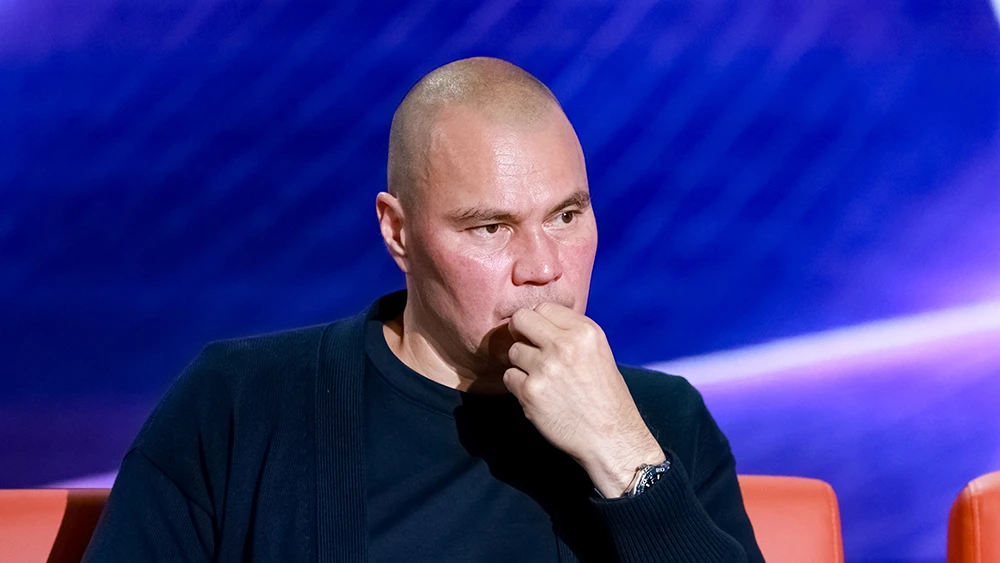
The Deputy
Director General for Radio Broadcasting at VGTRK, Honoured Journalist of the
Russian Federation and Deputy Chairman of the Moscow City Duma, Andrei
Medvedev, outlined the opportunities open to graduates of the Young Journalists
School. According to him, the project helps nurture not only professionals, but
also responsible citizens who are ready to work for the good of their country.
He reminded the young audience that they have enormous opportunities today that
were unavailable to previous generations and urged them to move forward boldly.
"The main thing is to look for what truly matters to
you and what genuinely interests you. Russia is a country of incredible
opportunities, and today they are open to you. The future belongs to you. When
we are no longer here, one of you will need to sit in this place and speak to
other young people. You will lead, create and develop our country. So if
something does not work out now, try again, and you will succeed. Find happiness in what you do. And
for our part, we will do our best to help and guide you," Andrei Medvedev
told the young people.
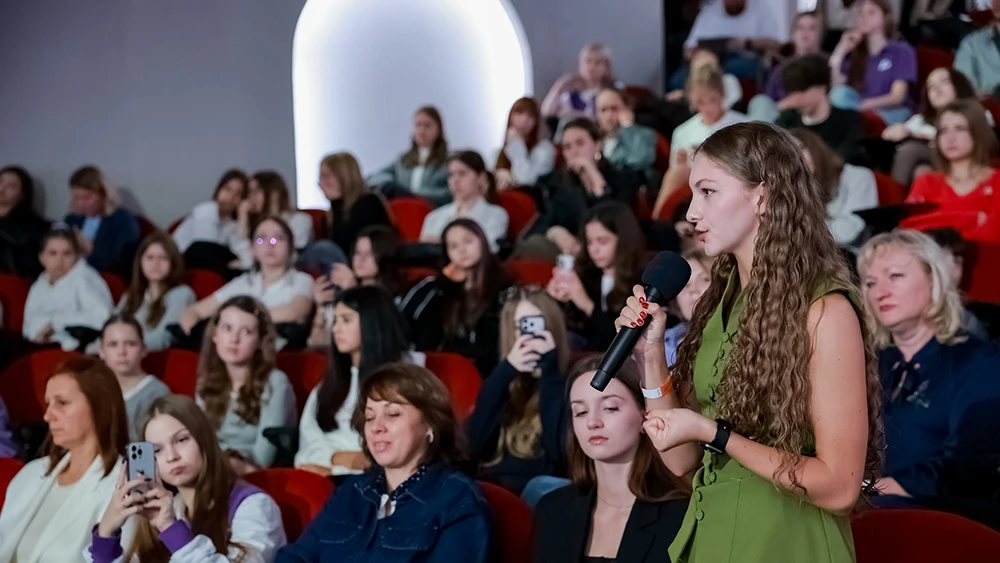
The first season of the School made it possible to gather
feedback from participants, teachers and experts and use it to improve the
programme. The new season builds on a model that has already proved successful.
The organisers have also expanded the project's reach and opportunities for
participants, making the School more accessible to young people from every
region of Russia. As before,
an in-person programme at the National Centre RUSSIA has been developed for
residents of Moscow and the Moscow Region.
Following
the competitive selection process, around 500 young people will be invited to
an interview and an additional assessment. The list of applicants recommended
for admission will be published on 11 November.
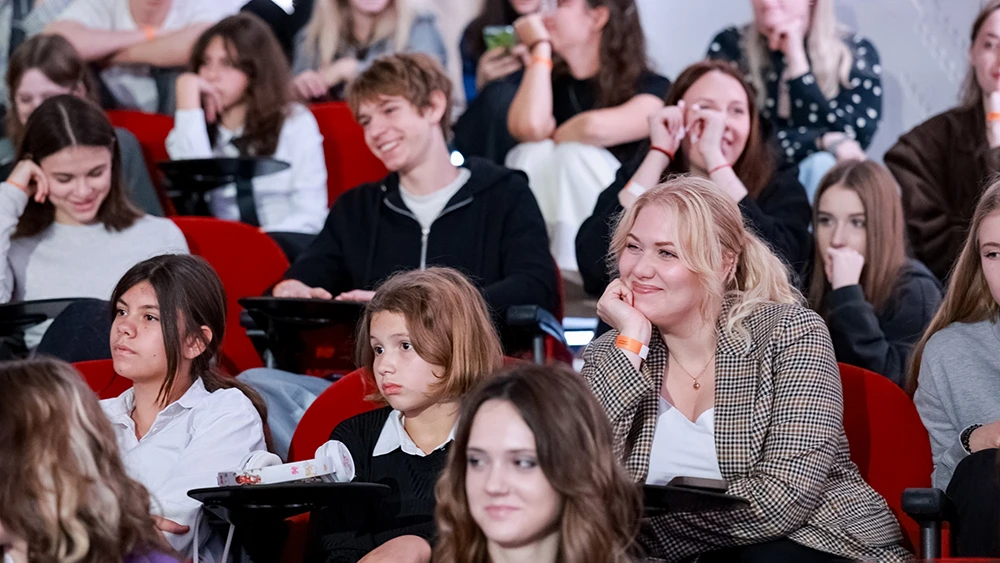
The programme launch and the first Young Journalists School
session at the National Centre RUSSIA and its branches are scheduled to begin
in November. Participants will
then embark on an intensive six-month programme featuring visits to federal and
regional media outlets and meetings with media professionals. A graduation
ceremony will be held at the end of June next year, giving the young
participants a start in professional journalism.
An online
module will be available for participants from other regions, supplemented by
in-person winter and summer sessions in Moscow. This will give talented and
motivated young people from every region of the country an opportunity to
become part of a shared educational space.
Event photobank
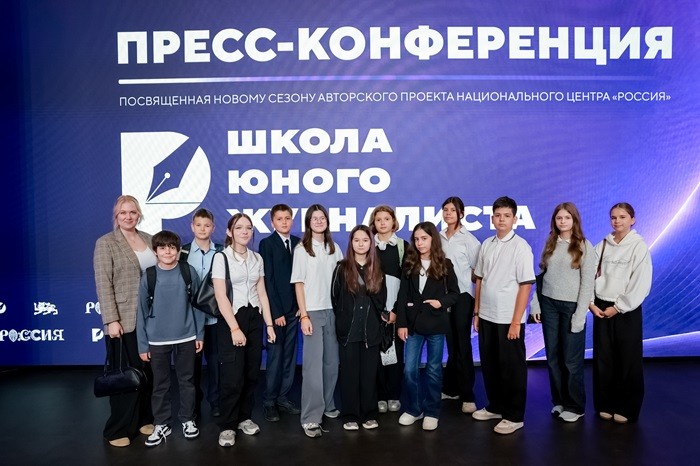

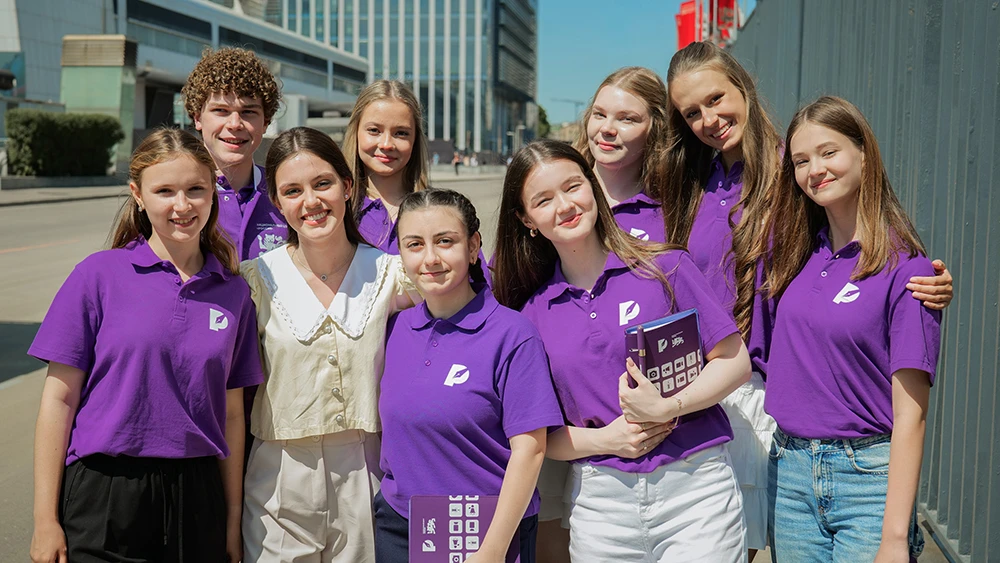
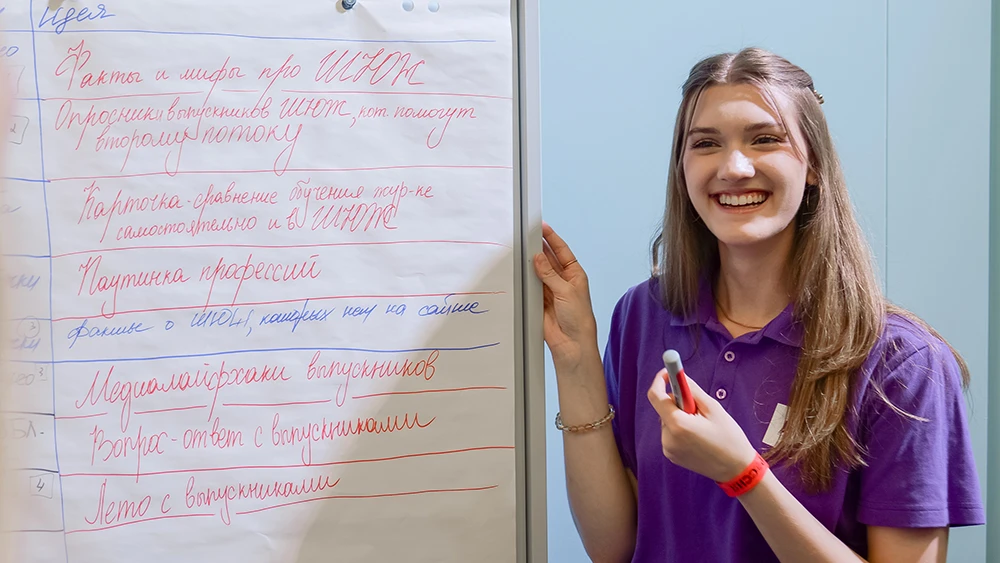
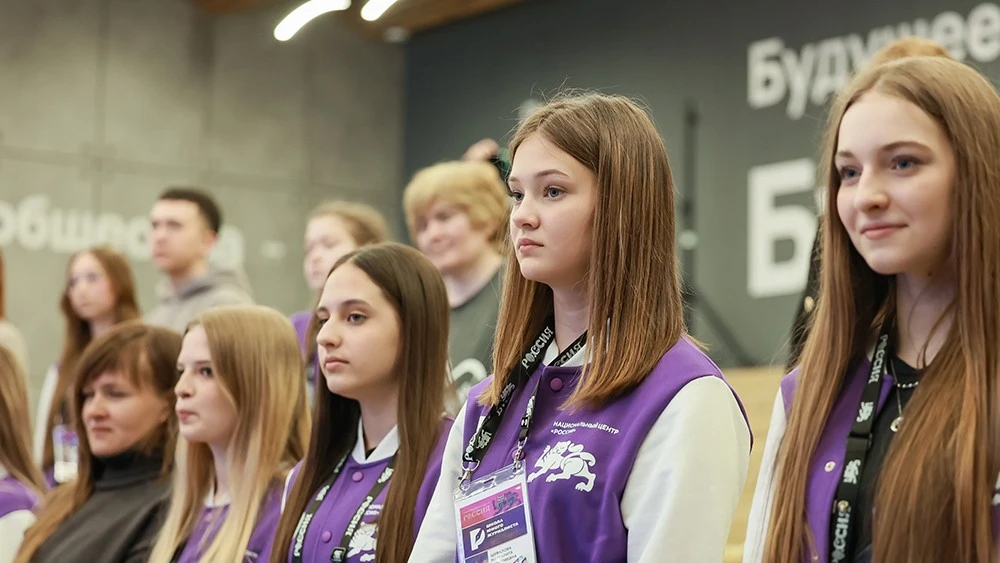
Alongside federal and regional media outlets, the event also received coverage from graduates of the Young Journalists School of the National Centre RUSSIA.


