


The Far East’s potential is the foundation for successful AI integration into key processes — Maxim Oreshkin
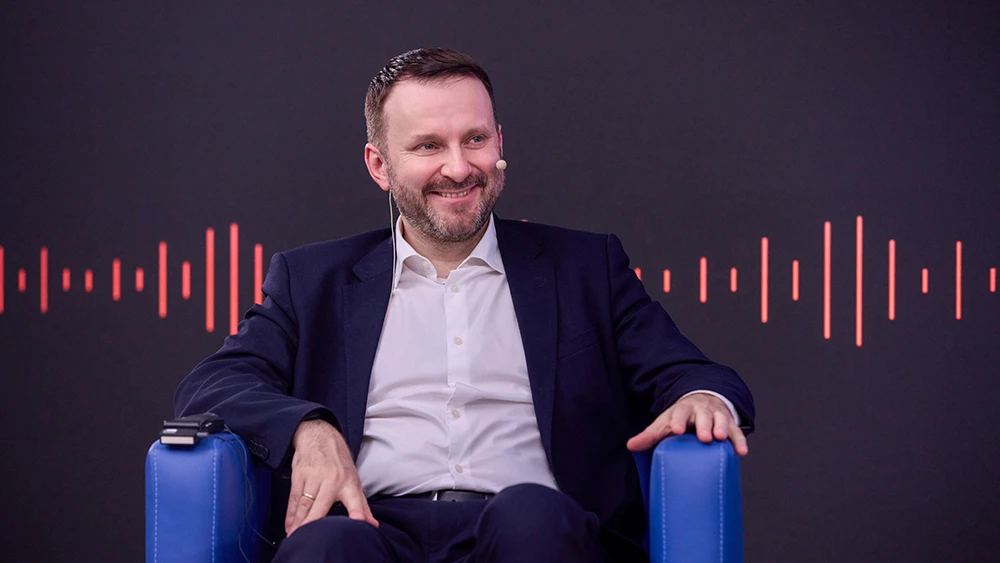
Artificial
intelligence is rapidly becoming a tool for boosting productivity and
overcoming logistical constraints, while the Far East, with its demand for
workers and new infrastructure projects, could become one of the most important
regions for AI adoption and the scaling of autonomous solutions. The Deputy
Chief of Staff of the Presidential Executive Office of Russia, Maxim Oreshkin,
discussed this with international experts during the session
"Asia-Pacific: A Testing Ground for Technology", held at the National
Centre RUSSIA branch in the Primorye Territory as part of the Open Dialogue
"The Future of the World. A New Platform for Global Growth". The
event was held with the support of the Centre for Cross-Industry Expertise
"The Third Rome". The livestream is available on the National Centre
RUSSIA website.
The
discussion focused on the transition from pilot AI projects to widespread
technology adoption, regulation, the development of embodied AI and autonomous
systems, technological sovereignty, and the role of humans in the new
technological environment. Participants explored practical questions: how to
regulate cutting-edge technologies without slowing their adoption, where AI is
already delivering measurable economic benefits, and what technological sovereignty
means in practice. The keynote speaker was the Deputy Chief of Staff of the
Presidential Executive Office of Russia, Maxim Oreshkin. The discussion also
featured Shaoshan Liu (China), Director of the Embodied Artificial Intelligence
Center at the Shenzhen Institute of Artificial Intelligence and Robotics for
Society (AIRS); Sam Majid, First Head of Malaysia's National Artificial
Intelligence Office (NAIO, 2024–2026); and Ankush Sabharwal (India), Founder
and CEO of CoRover.ai and Head of BharatGPT.
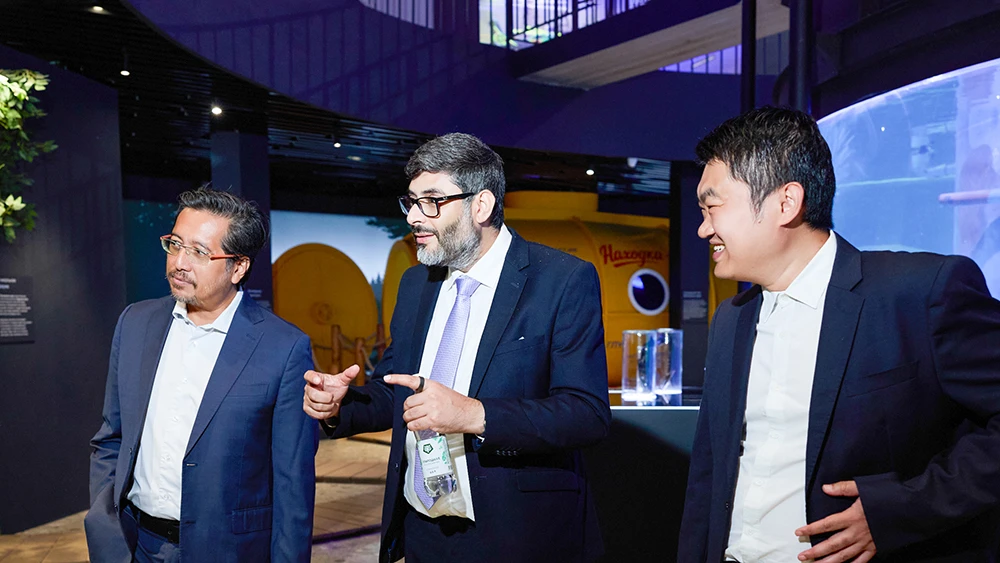
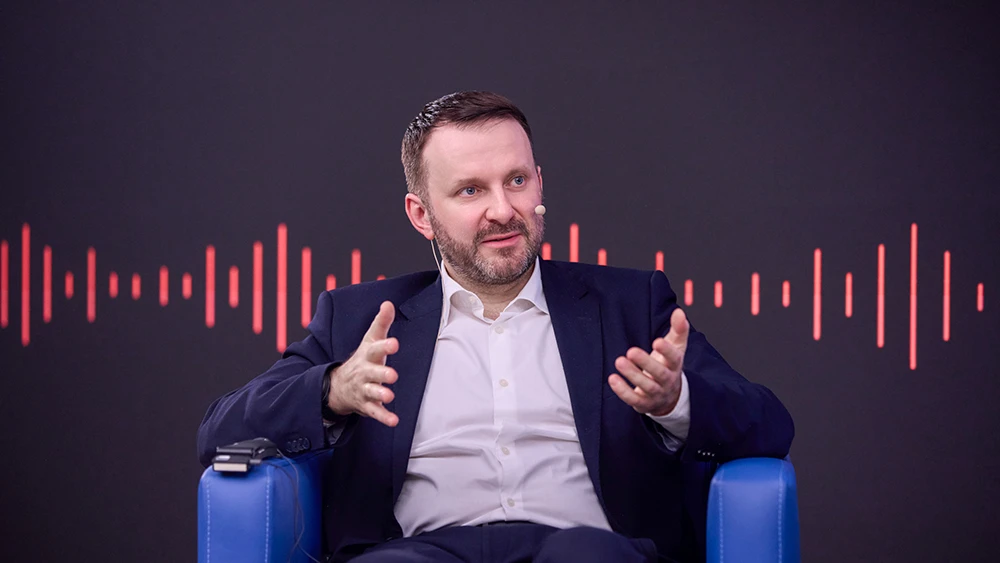
Maxim
Oreshkin emphasised that people must remain at the heart of technological
transformation and that the impact of AI adoption should be assessed by its
practical benefits for people and the economy. The future is not about choosing
between humans and artificial intelligence: only humans can understand context,
make decisions and take responsibility for their choices.
"When
we talk about artificial intelligence, the most important thing is the human
being. Where AI is being adopted most actively, the benefits are already
measurable. Modern digital tools help programmers write code faster,
researchers work with datasets that would previously have taken months to
process, and the creative industries automate routine tasks and free up time
for ideas themselves. In medicine, AI helps doctors notice things they might
otherwise miss, and this translates into lives actually being saved. Russia is
taking a practical approach here: not declarations, but services that work. The
question of whether or not to use AI is no longer being asked — practice has
already answered it. But speed must not come at the expense of quality. No
algorithm can replace a person, their experience, responsibility or
understanding of why all of this is being done. People set the goal, and they
remain responsible for the outcome. The state's task is to create conditions in
which adoption genuinely delivers benefits, remove barriers and bring
technology through to practical and meaningful use," Maxim Oreshkin said.
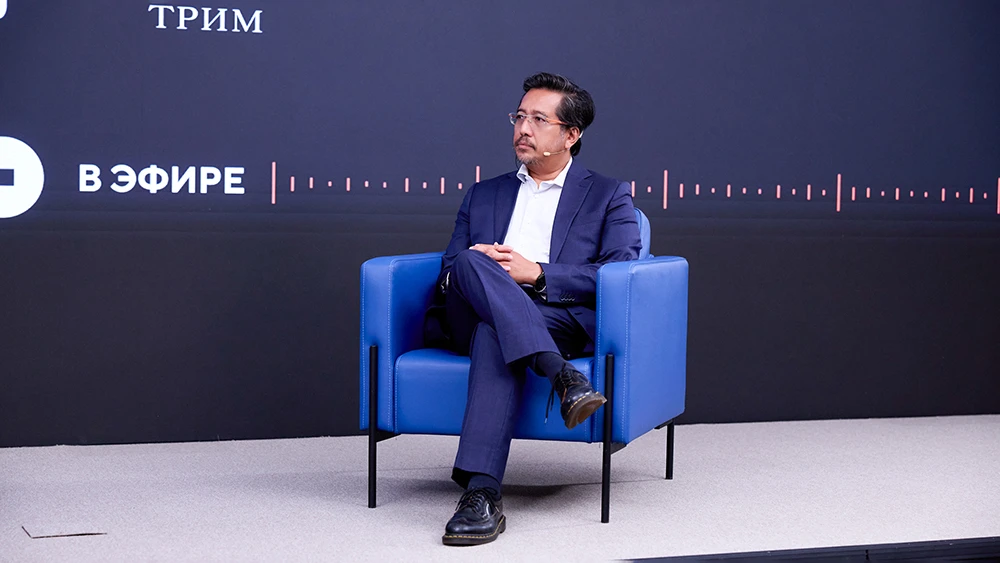
The first
part of the session focused on the conditions under which regulation can
support, rather than impede, the development of new technologies and help move
them from experimentation to practical adoption. Sam Majid, First Head of
Malaysia's National Artificial Intelligence Office (NAIO, 2024–2026), shared
practical experience of shaping national AI policy and the institutional
architecture for its implementation.
"Innovation
develops particularly successfully when citizens are involved in the
development of artificial intelligence. People should always remain at the
centre of the regulatory framework and make the final decisions. This is the
principle that guides us at Malaysia's National Artificial Intelligence
Office," Sam Majid noted.
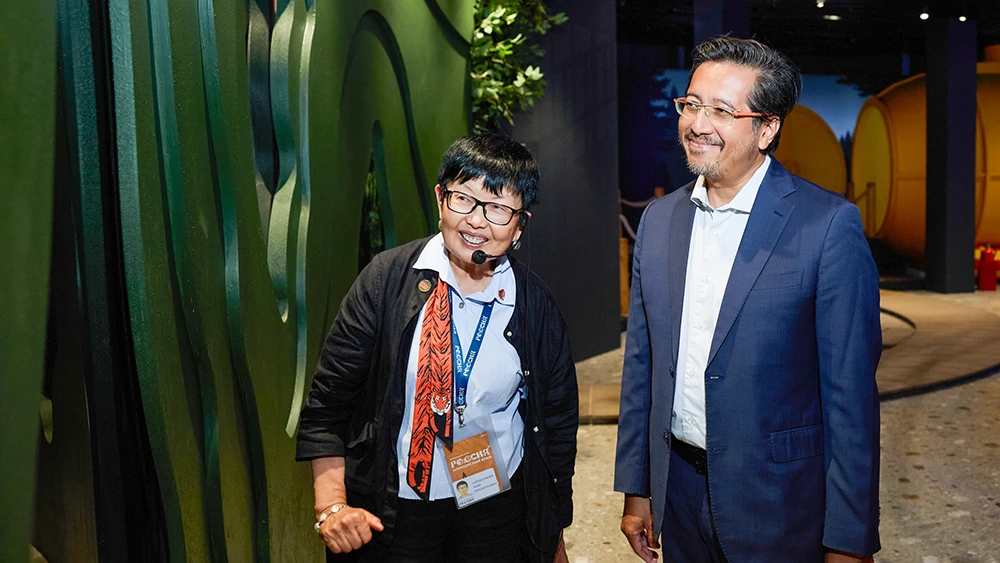
The
discussion then turned to the areas in which voluntary commitments are
sufficient and those in which clear requirements and oversight are necessary,
as well as the criteria for successfully moving beyond the pilot stage and how
the state can create conditions for the adoption of AI technologies without
taking the place of the market.
In the
second track of the session, experts examined the conditions required to scale
intelligent solutions successfully. The focus was not only on algorithms and
models, but also on the industrial base, energy, communications, equipment,
system maintenance, workforce training and accumulated experience of working
with real-world data. Particular attention was paid to an open modular stack
and standards that can reduce integration costs, make components easier to replace
and create a market for interoperable solutions.
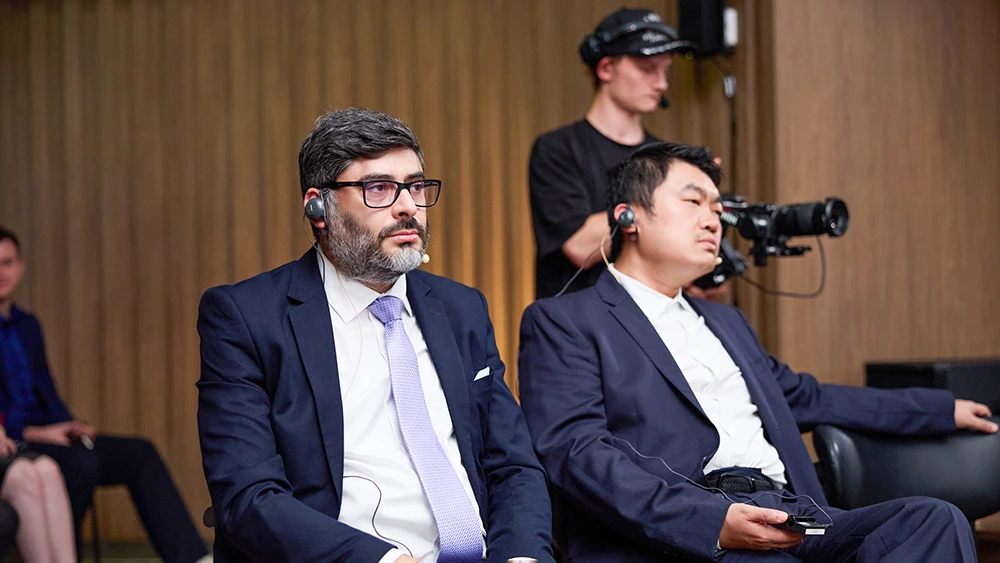
Shaoshan
Liu, Director of the Embodied Artificial Intelligence Center at the Shenzhen
Institute of Artificial Intelligence and Robotics for Society (AIRS), focused
on the development of embodied AI, robotics and autonomous systems, linking the
prospects for this field to the development of an industrial and component
base.
"Twenty
years ago, China channelled significant resources into a new sector — electric
vehicles. At the time, many criticised those investments as a waste of money,
but today Chinese cars dominate the market. What is interesting here is not
only the development of this sector of the economy: robotics today uses around
70% of the same components or the same supply chain," Shaoshan Liu noted.
According
to him, the development of intelligent systems will become one of the key
drivers of the global economy in the coming years, while labour, capital and
technology — the traditional foundations of economic development — remain just
as relevant and continue to underpin this process.
A
significant part of the discussion focused on the practical meaning of
technological sovereignty. Maxim Oreshkin identified three components:
infrastructure and models, data, and platforms and services.
"We
have three important pillars of sovereignty. The first is infrastructure and
models: the technological, fundamental level. The second is data: where it is
stored, because any data contains far more information than it may appear to,
and if it is located outside the country, the question is how and for what
purpose it may be used. And the third is the level of platforms and services
into which artificial intelligence solutions are integrated. You can have
foundation models, energy and computing capacity, but it is important to retain
control and understand how all of this is interconnected. Otherwise,
sovereignty will have to be built again from scratch," Maxim Oreshkin
noted.
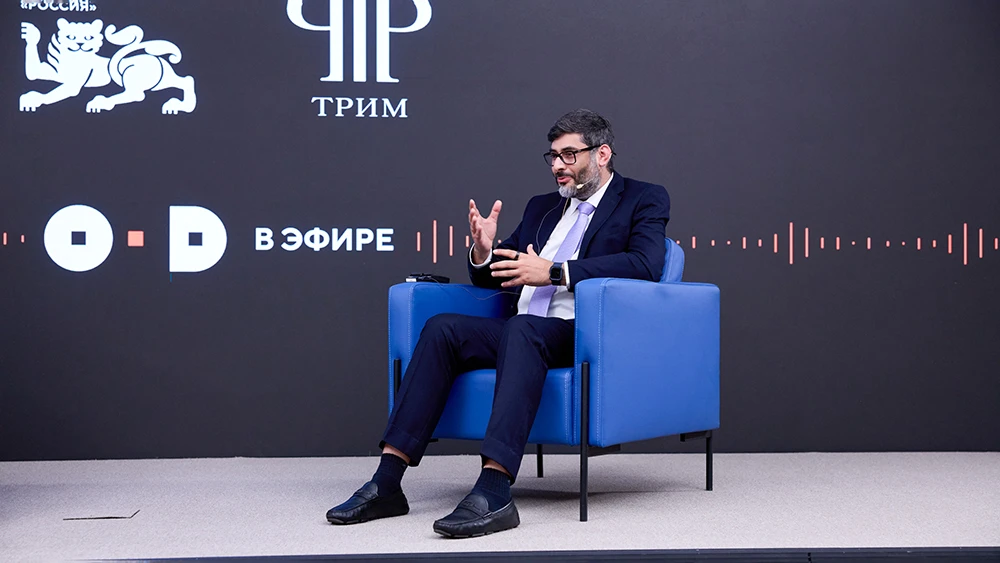
The final
track of the Open Dialogue at the National Centre RUSSIA branch in Vladivostok
focused on the use of data and international cooperation in intelligent
technologies. Ankush Sabharwal, Founder and CEO of CoRover.ai and Head of
BharatGPT, presented sovereign AI as an architecture of products and
infrastructure in which not only the origin of the technology, but also the
ability to control it, is of fundamental importance.
"Sovereign
AI is not simply about creating technology within a country. For me, five
elements are fundamental: domestic deployment, control over the system,
training on national data, local hosting of applications and inference, and
cultural alignment of the model," Ankush Sabharwal said.

At the same
time, international cooperation was viewed not as an alternative to
technological sovereignty, but as an opportunity for countries to develop their
own capabilities and retain control over critical technological infrastructure
while using compatible standards and the opportunities offered by international
technology partnerships. This approach is particularly important for the Far
East: the region is a major testing ground for new technologies and is also
closely connected to Asia-Pacific markets. In these circumstances,
technological sovereignty does not mean isolation, but the ability to control
critical data and infrastructure, ensuring system resilience while preserving
freedom of technological choice.
As the
event concluded, participants agreed on the key role of humans in technological
transformation. AI can increase productivity, automate physical and
intellectual tasks and expand the capabilities of professionals, but
goal-setting, responsibility and final decision-making remain with people.
The
international expert project Open Dialogue "The Future of the World. A New
Platform for Global Growth" is implemented by the National Centre RUSSIA
in partnership with the Centre for Cross-Industry Expertise "The Third
Rome". The expert session was held in Vladivostok for the second time,
continuing the international discussion on the future of the global economy and
new models of global development. Since its launch, the project has brought
together more than 3,000 essay authors and experts from over 120 countries, who
have presented their ideas, projects and proposals.
The National Centre RUSSIA branch in the Khabarovsk Territory, the Friendship of Peoples Park and tourism infrastructure will become important elements in the development of Bolshoy Ussuriysky Island.
An expert session as part of the Open Dialogue "The Future of the World. A New Platform for Global Growth" has begun at the National Centre RUSSIA branch in the Primorye Territory.
Participants tried to imagine where humans might live in the decades to come and which distant planets they might be able to reach.


