


Festive events, cooking and handicrafts — what enriches and adorns the lives of the participants of the III All-Russian Wedding Festival
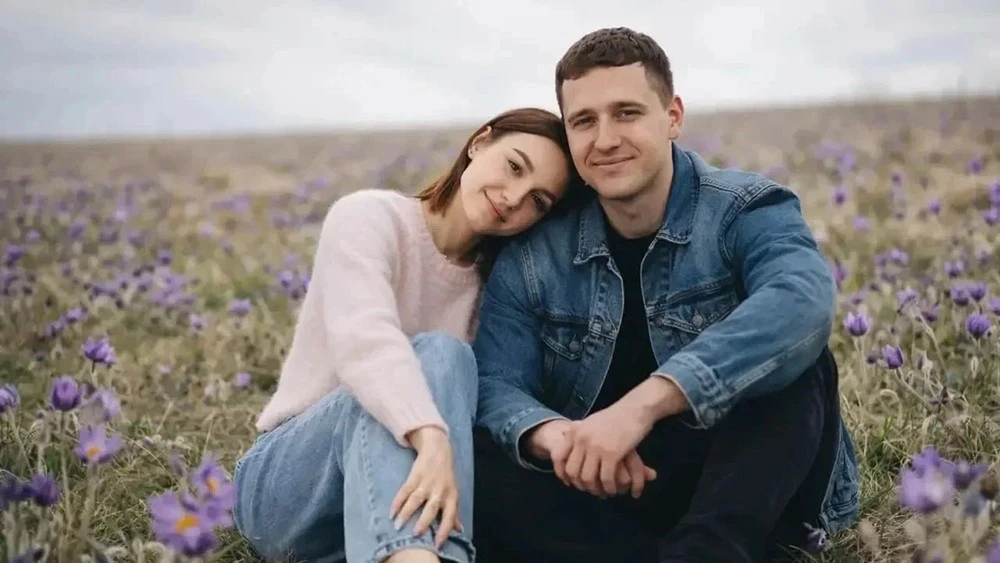
Marching in the "Immortal Regiment", supporting Irkutsk artisans, making dumplings together as a family and "seeing off the sun" — these and many other traditions have either been created or embraced by the future newlyweds participating in the III All-Russian Wedding Festival "Russia. Uniting Hearts". The festival will take place at the National Centre RUSSIA on 8 and 9 July, bringing together more than 100 couples and showcasing the diversity of family traditions across our country.
Alexander Zakharenko and Yelizaveta Guseva from the Primorye Territory will start their family at the festival. The couple already have their own established traditions.
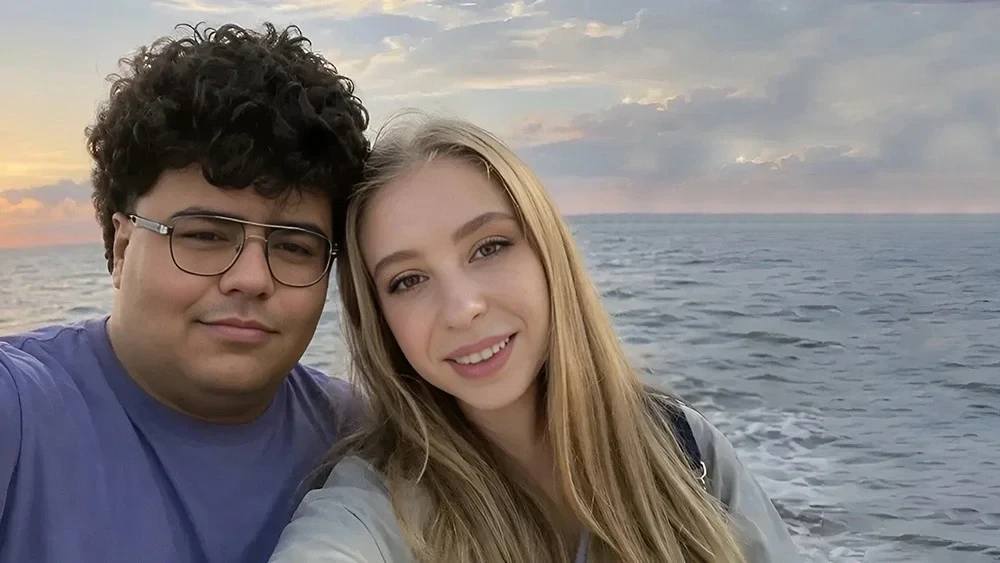
"One of the most important traditions in our families is participation in the 'Immortal Regiment' march carrying portraits of our grandfathers. It unites millions of people in a shared feeling of gratitude and remembrance for the heroes of the Great Patriotic War. Another important Victory Day tradition is cooking soldiers' porridge. It is not simply a dish but a reminder of the harsh realities of life on the front line and of how, even in the most difficult moments, caring for one another and a portion of hot food helped soldiers endure," said Alexander and Yelizaveta.
Participation in patriotic, cultural and environmental events has become a tradition for many couples in love. Sergei Pavlov and Daria Bunchuk from the Khabarovsk Territory attend the "Amur Waves" festival, where they enjoy the atmosphere of live music, spectacular fireworks and unforgettable emotions.
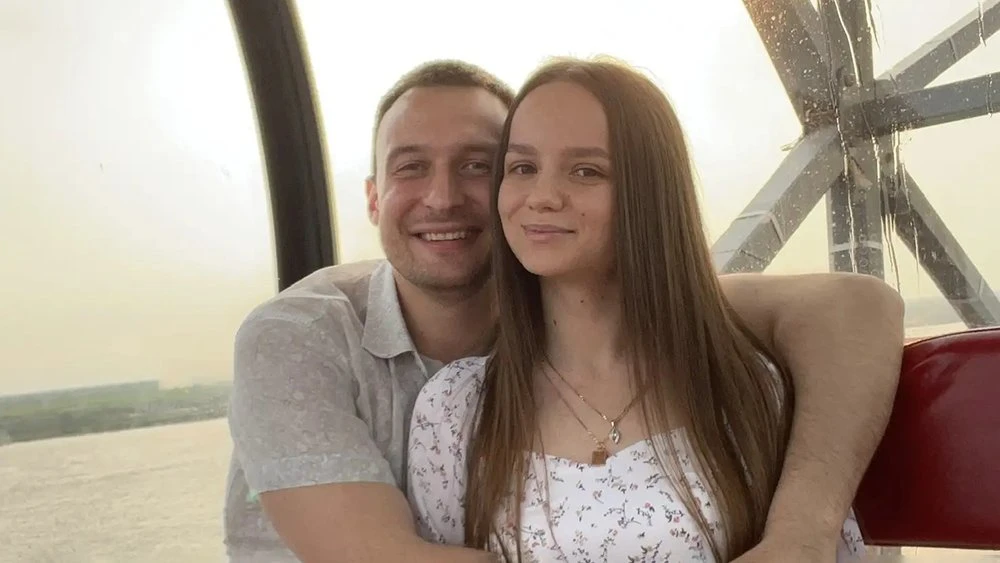
"As residents of Khabarovsk and true admirers of classical music, we love the 'Amur Waves' festival very much. We try to attend this major event regularly. Every time, we feel proud of the coordinated work of the orchestras, the charisma of the performers, and the impressive marching displays and parade concerts held in Komsomolskaya Square," said Sergei and Daria.
Ilya Borinskikh and Luiza Vyatkina from the Perm Territory take part in the "LADA" family eco-festival in the Solikamsk district. The couple are convinced that the festival will become a true family tradition, as it takes place at Russia's only museum of nineteenth-century wooden industrial architecture and each year's programme continues to surprise and inspire them.
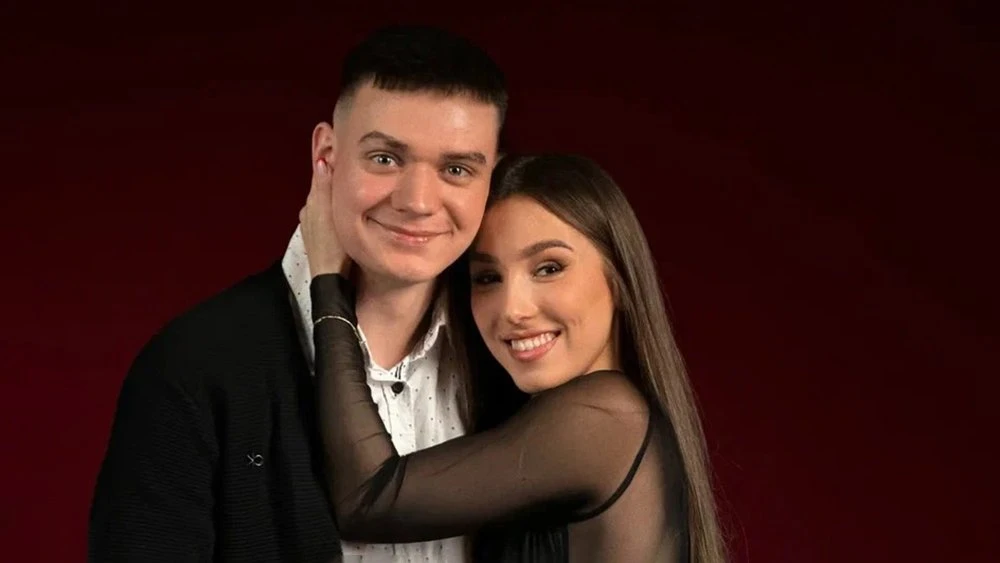
Ivan Shirmankin and Irina Slesareva from the Republic of Mordovia happily immerse themselves in Mordovian folk celebrations, including "Sabantuy", "Aksha Kelu" ("White Birch") and "Rasken Ozks" ("Clan Prayers").
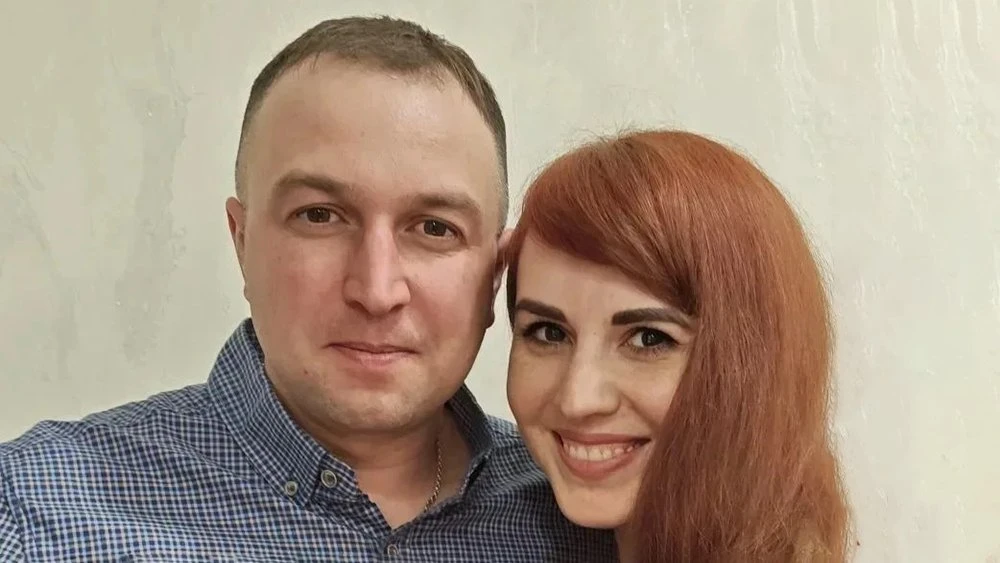
"We must preserve and enrich our national culture, language and traditions that have been passed down to us by our ancestors," Ivan and Irina are convinced.
Among the participants in the All-Russian Wedding Festival are those for whom preserving cultural legacy has become a family tradition. Maxim Shornikov and Daria Fischer from the Irkutsk Region strive to preserve and pass on the traditions of their native region.
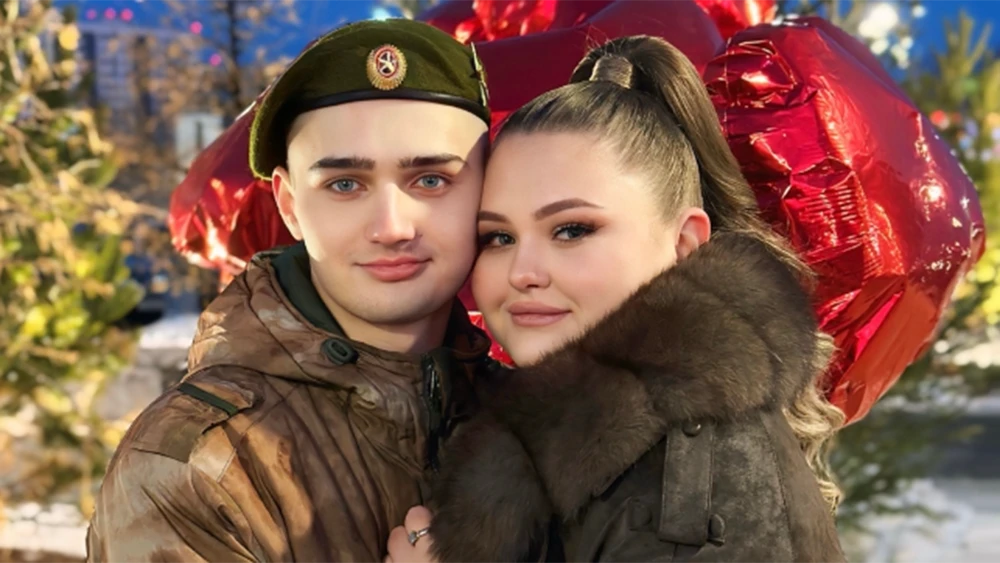
"The Irkutsk Region is a land where the customs of Russian pioneers, Buryats, Evenks, Tofalars and many other peoples intertwine. We study the folklore of the Angara region — songs, fairy tales and proverbs. We support local artisans by attending workshops in straw weaving and wood carving and purchasing their products. We frequently attend ethnocultural festivals and traditional celebrations during Maslenitsa and Ivan Kupala," shared Maxim and Daria.
Viktor Mikhelev and Daria Ustimova from the Orenburg Region cherish handicraft traditions. In the bride's family, the art of Orenburg shawl knitting has been passed down from generation to generation, and there is a wonderful tradition that Daria hopes to continue:"The Orenburg Region is the land of down-knitting. In our families, every girl receives from childhood a delicate shawl, thin and delicate like a spider web, knitted especially for her by her grandmother with warmth and love."
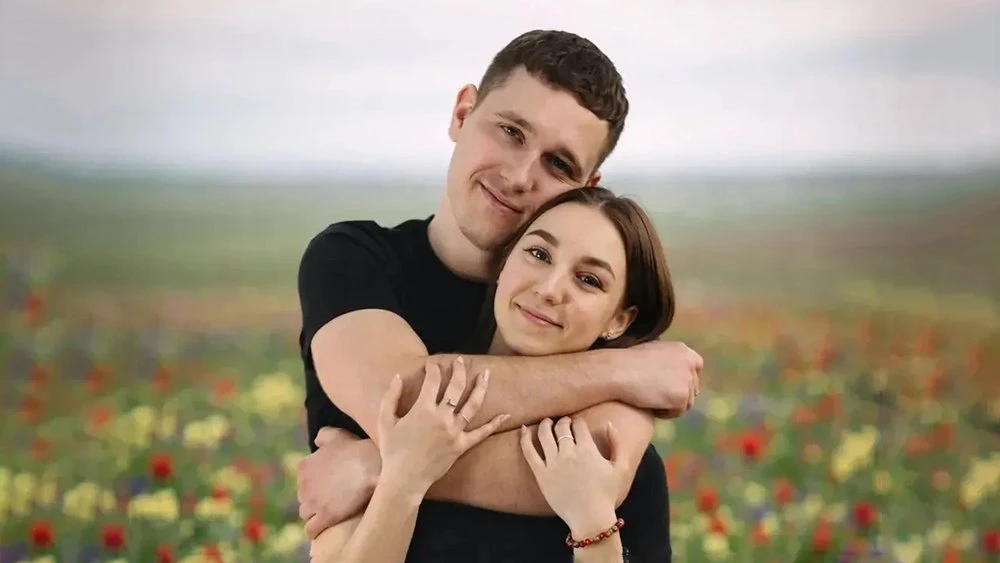
Mikhail Kokorev and Yevgenia Knyazeva from the Moscow Region are restoring the village house that belonged to Mikhail's great-grandfather. The future husband and wife preserve antique items inherited from their great-grandparents, including a hand-embroidered valance, an accordion, scissors and many other treasured possessions.
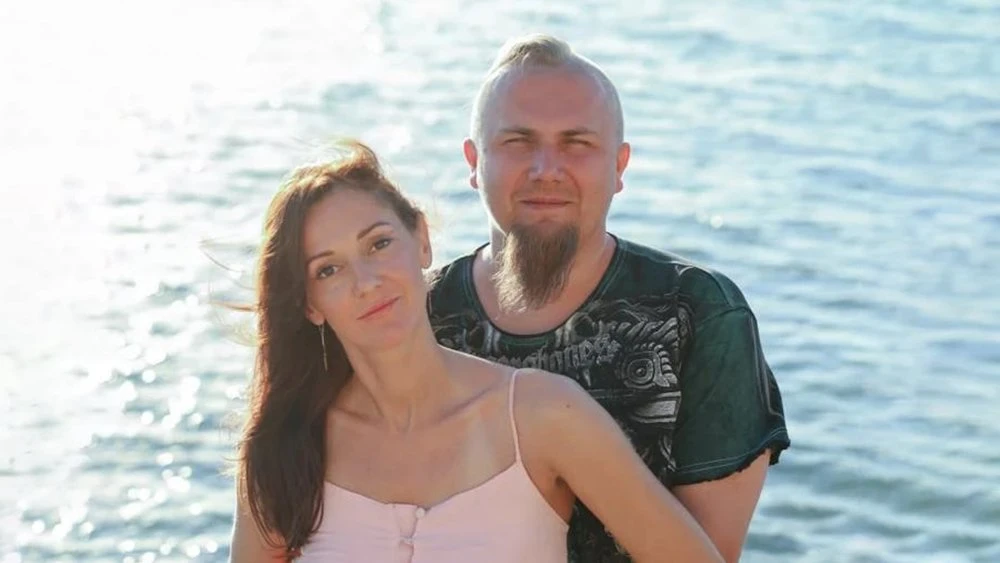
Ivan Terentyev and Polina Kalkova from the small settlement of Krasnaya Gorbatka in the Vladimir Region regularly take part in the local dumpling festival and also make dumplings together with their whole family.
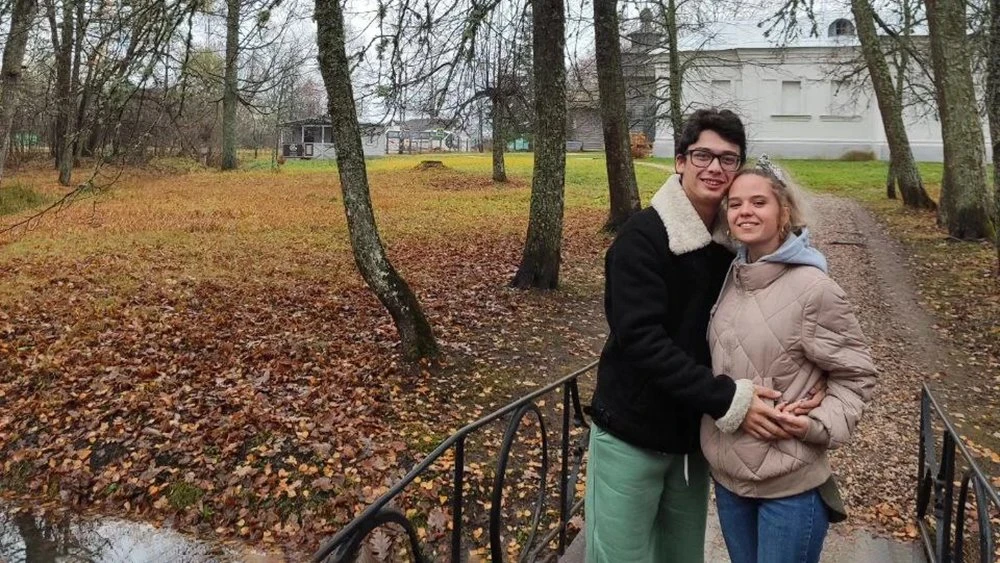
Alexander Kashirin and Ksenia Vyarya from the Republic of Karelia prepare lohikeitto — a creamy soup with trout or salmon — during holidays. The sweethearts also have one unbreakable rule: lohikeitto must be eaten not with bread but with a warm potato kalitka pastry.

Wilhelm Deryagin and Inna Manzholenko from the Kaliningrad Region prepare traditional Kazakh dishes for holidays, including manty and beshbarmak, as Inna comes from Kazakhstan.
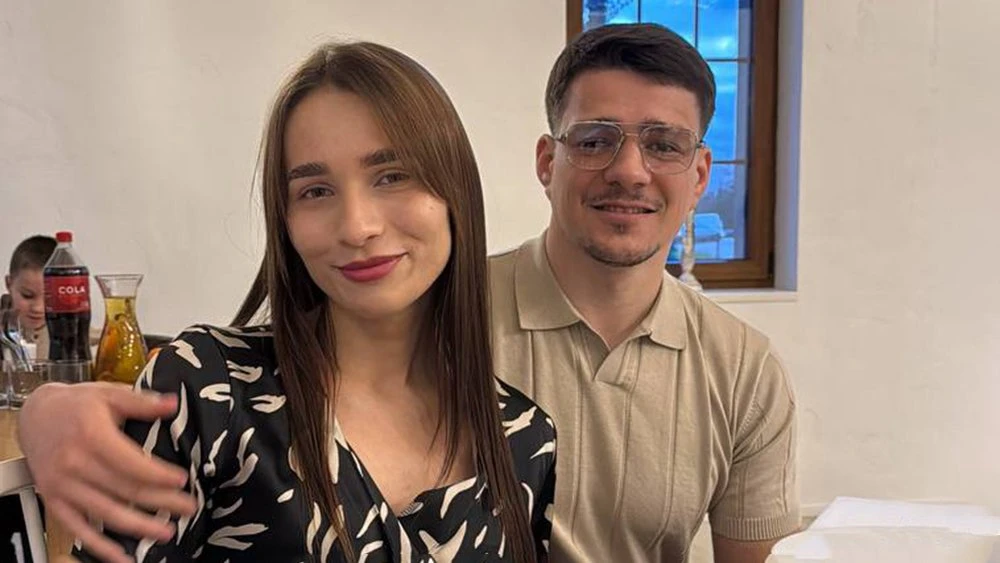
Family traditions are important to all future newlyweds. Roman Rumachik and Tatyana Kryuchkova from the Stavropol Territory hope to preserve a beautiful family ritual. Every year, the bride's family organises a "farewell to the sun on the last day of the year": relatives gather to watch the sunset, express gratitude for the year that has passed and for one another, and make plans for the future.

Family values and joys are equally important to Anton Alpyspaev and Daria Raskatova from the Kurgan Region. Their union combines Kazakh and Russian roots, and therefore the bride and groom treat the traditions of both peoples with particular respect. Anton and Daria celebrate Christmas, Easter and Maslenitsa, as well as the Kazakh national holidays of Nauryz Meyramy — the celebration of the spring equinox and the renewal of nature — and Qurban Ait (Kurban Bayram). However, the couple consider something else even more important.
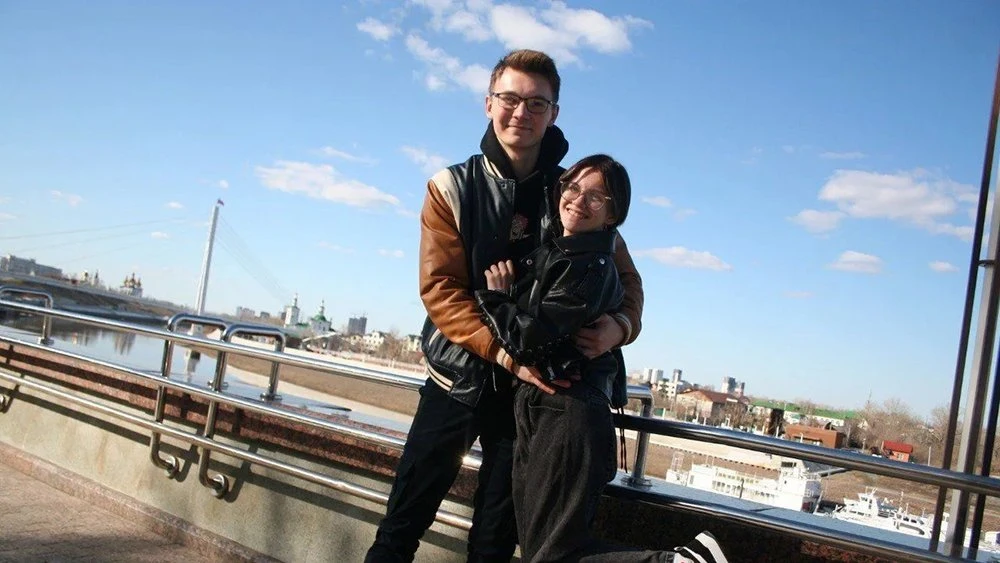
"Respect for elders is the most important tradition. In our family, it is customary always to listen to the opinions of older relatives, to greet them first and to care for them," Anton and Daria emphasised.
Dmitry Kazantsev and Marina Semyonova from the Republic of Mari El also preserve family traditions and hope to pass them on to their children. The bride and groom speak the Mari language and know Mari customs well. Together with their relatives, they celebrate Uginde, when bread is baked from flour made from the new harvest, and Shorykyol, a winter celebration during which people traditionally visit one another in costume.
The III All-Russian Wedding Festival at the National Centre RUSSIA attracted the couple precisely because it has itself become a beautiful tradition bringing together couples from across the country.
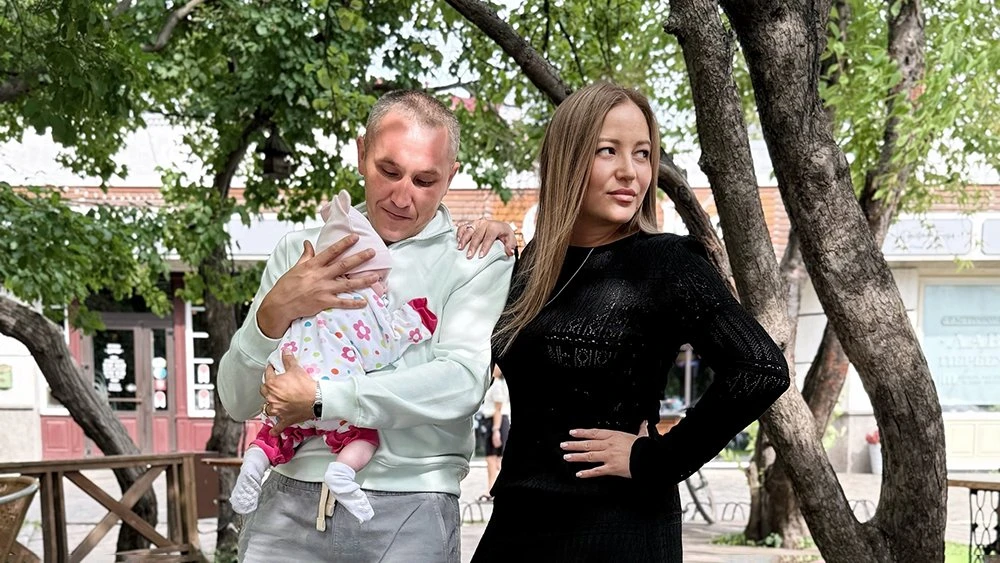
"It is important for us that our wedding day should be truly special and memorable not only for us but for everyone who will share it with us. We want to become part of a beautiful tradition that unites couples from all over Russia. It is very important for us to share our love story and to show that genuine feelings are a value that must be cherished. We want our wedding to become a bright event that inspires other couples to create strong and happy families," said Dmitry and Marina.
This year, the All-Russian Wedding Festival is expanding its horizons. Alongside couples from across the country, international and foreign couples will also say "I do" to one another at the National Centre RUSSIA.
The main event of the first day of the programme, on 8 July, will be the simultaneous wedding ceremony for couples from across the country. The celebration will be enhanced by the transfer of the flame of the All-Russian Family Hearth "Heart of Russia". Newlyweds will receive from couples married at previous festivals a portion of the flame brought from Murom, the city where Saints Peter and Fevronia, the patron saints of marriage, lived.
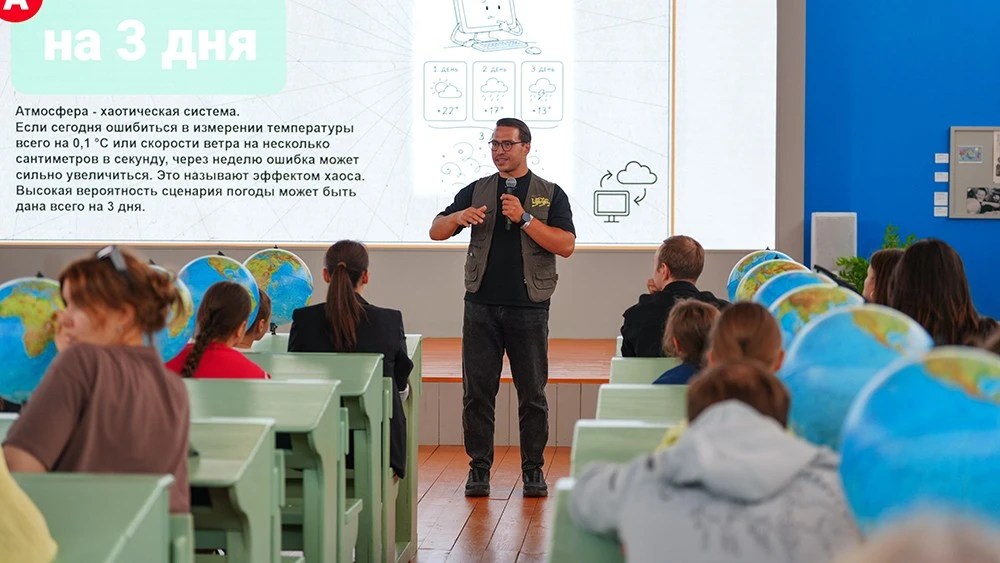
On the second day, 9 July, newlyweds, their guests and everyone wishing to join the celebration of love will be able to attend educational lectures, gastronomic and musical events, as well as excursions around the National Centre RUSSIA expositions "Journey Across Russia" and "Geography Lessons". Everyone who shares family values and is interested in wedding traditions can register to participate in the educational programme of the wedding festival on the website of the National Centre RUSSIA.
One of the key events of the second day will be the "Khorovod. Wedding" round dance — a symbol of unity, strong bonds and readiness to extend a helping hand to others. This dance, beloved in Russia for centuries, will bring together all participants in the event.
The festival is organised by the National Centre RUSSIA together with the Government of Moscow and the Moscow Civil Registry Office.
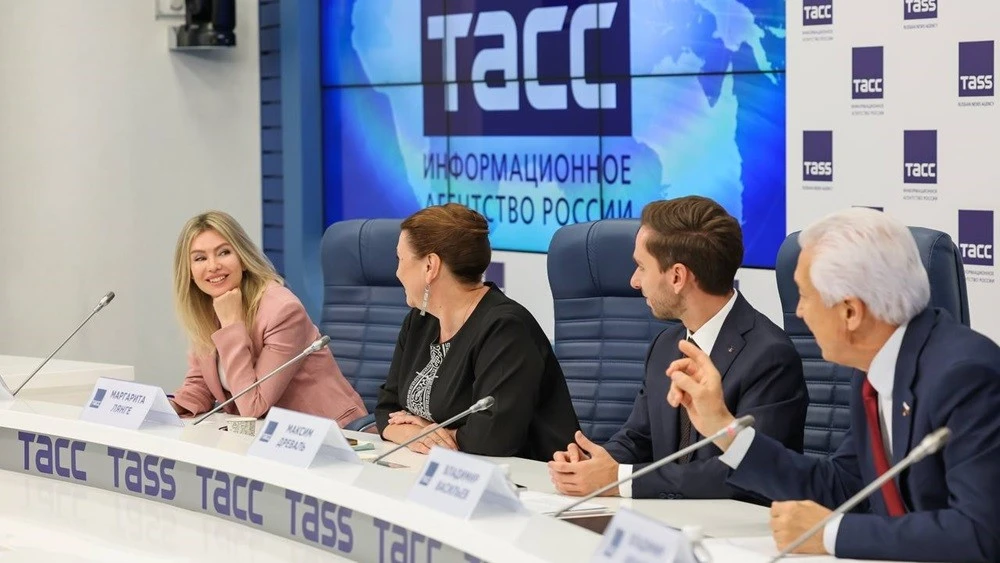
Anastasia Zvyagina, Deputy Director General of the National Centre RUSSIA, has been elected Deputy Chair of the Public Council under the Ministry of Culture of the Russian Federation.
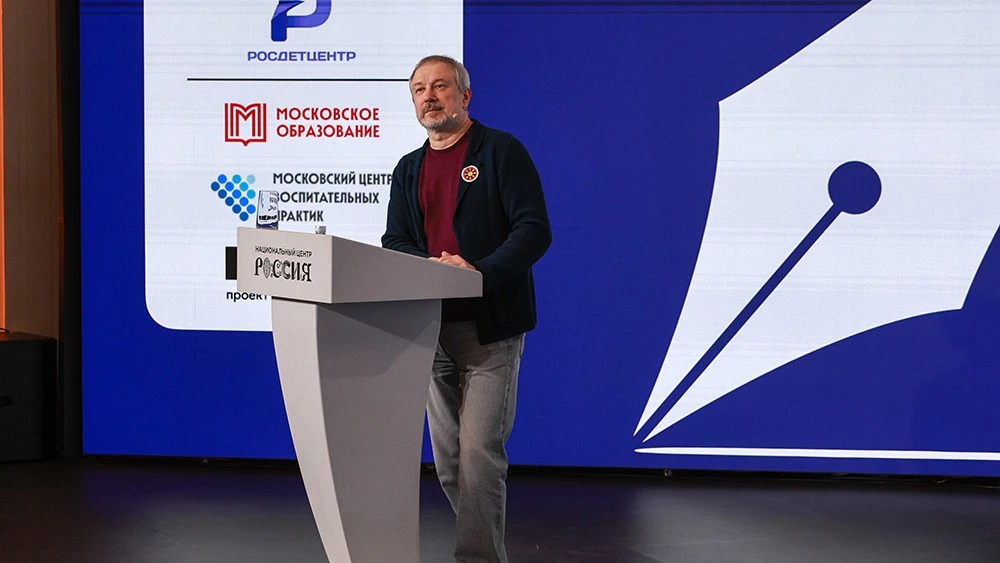
The expert shared a list of five books that help readers better understand politics, society and the cultural environment in which a journalist works.


