


Pushing the limits: guests at the National Centre RUSSIA learned how our country became the largest in the world
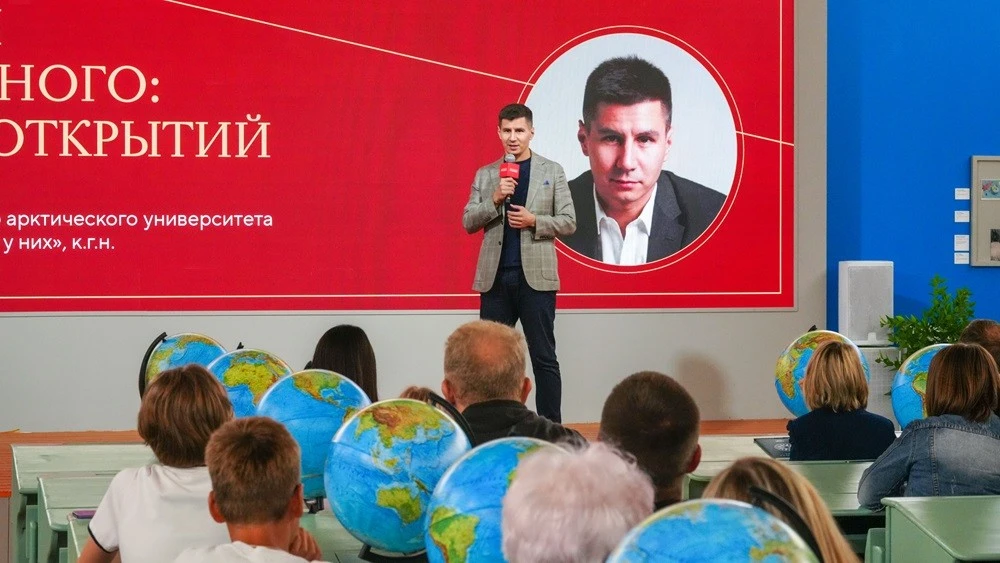
The fact that Russia is the world's largest country is not a geographical accident or a matter of "historical luck". Behind every kilometre of territory that we now call "ours" lie difficult decisions, long journeys, challenges overcome and natural barriers that nature itself placed before our ancestors. Dmitry Nesterenko, Candidate of Geographical Sciences, partner in educational projects, Vice-Rector of Murmansk Arctic University and author of the "How They Teach There" channel, explained how Russia became the country it is today. The lecture concluded the series of educational meetings held as part of the "Exploring Russia" project.
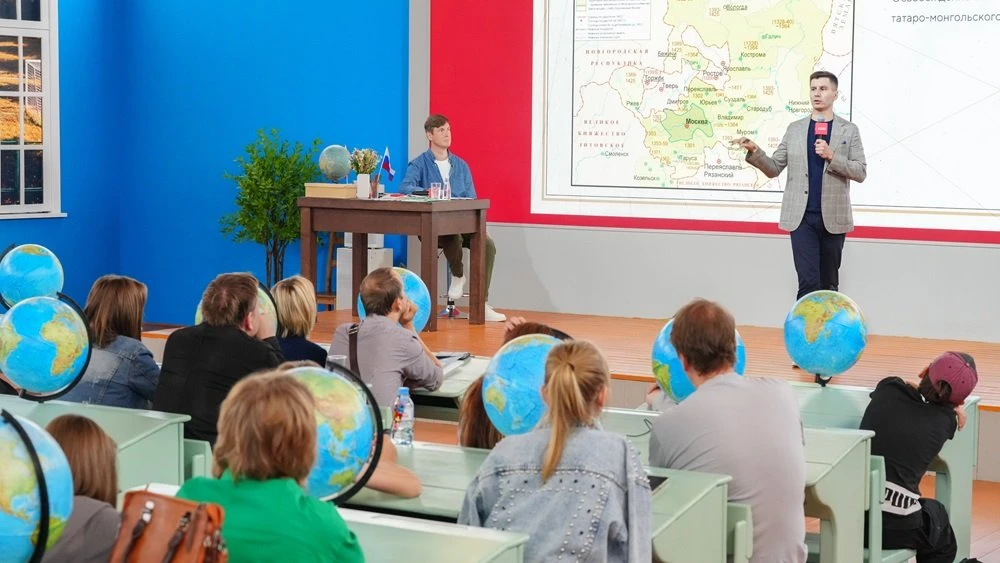
The expert explained that Kievan Rus initially developed mainly towards the north-east: this was where vast forested territories provided safer conditions for expansion than the steppes, where raids by nomads posed a constant threat. After the period of political fragmentation, when the unified state broke up into numerous principalities, the process of their gradual unification around Moscow began. This centralisation was accompanied by territorial expansion and culminated in liberation from dependence on the Horde. The next stage was strengthening the security of the south-eastern borders through the defeat of the Kazan and Astrakhan khanates — states that emerged after the collapse of the Golden Horde. Only after that did active expansion eastwards begin, driven not so much by the state authorities as by industrialists engaged in the fur trade, while the state later supported and consolidated the results of this movement.
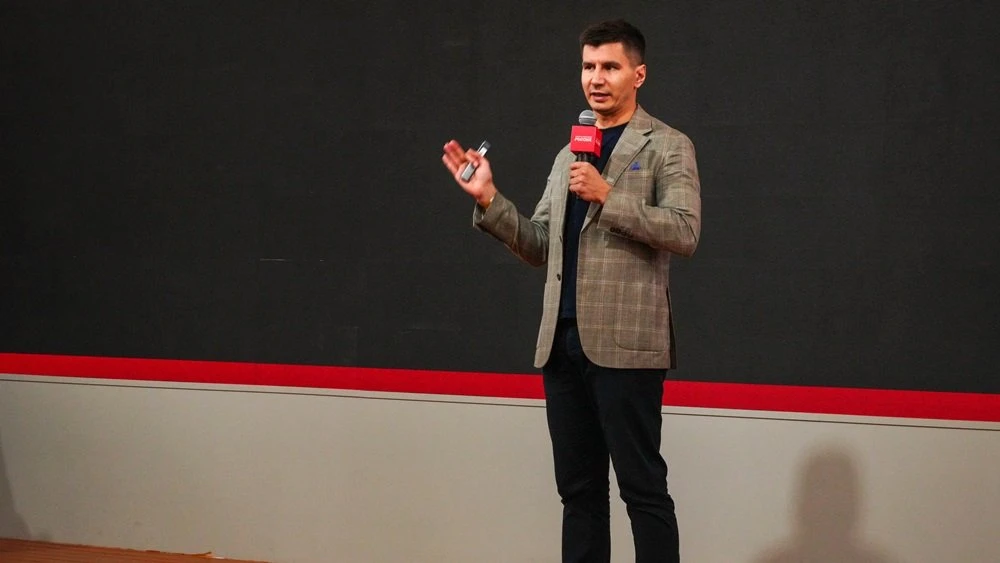
Dmitry Nesterenko also suggested looking at the modern map of our country as the result of a sequence of choices. First came the creation of a unified tsardom and the defeat of the Horde as the starting point for expansion eastwards. Then came the challenge of developing Siberia: vast expanses, a harsh climate and an almost complete absence of roads, but at the same time steady progress by explorers towards transforming the Tsardom of Muscovy into an empire. The next stage was access to the seas: the country ceased merely to occupy part of the land and began building infrastructure, ports and its own powerful fleet, turning state borders into a foundation for the economy and defence. And finally came the Caucasus and Central Asia, which became part of Russia not through coercion, but through alliances and mutual interests: largely in order to survive and preserve their unique culture and traditions.
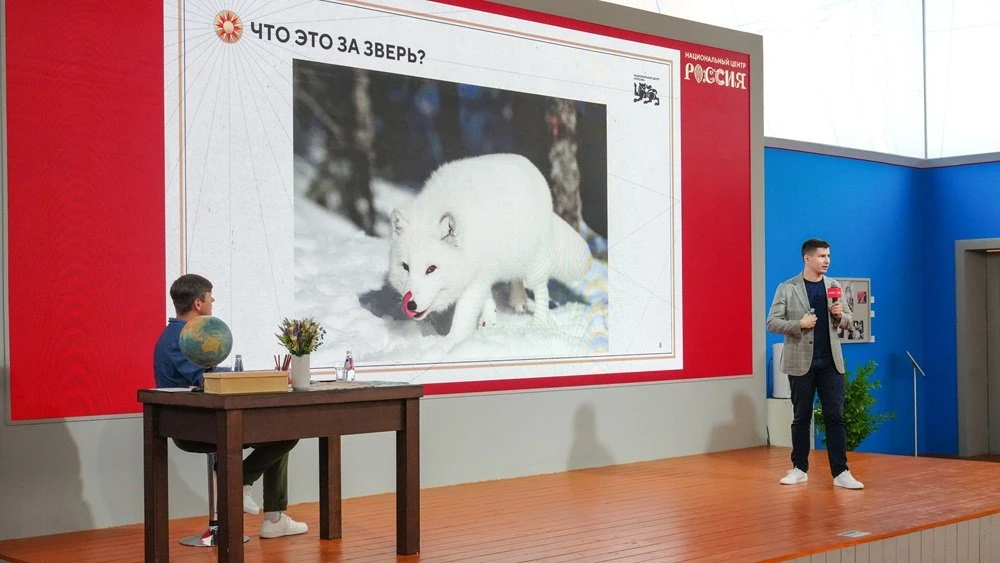
"Historical patterns always have causes. People do not make decisions for no reason. So if you want to understand something in history, look for the cause. For example, our ancestors' movement eastwards was driven by the desire to gain access to a resource base and make money. The next stage was access to the seas, because what a country produces has to be sold. And events such as the incorporation of Siberia and reaching the Pacific Ocean became decisive both in shaping Russia's territory and in defining the role our country ultimately came to play in the world and continues to play to this day," Dmitry Nesterenko explained.
But what stopped Russia, and why did it not go further? This became one of the key questions of the lecture. Dmitry Nesterenko spoke about a "natural limit", when geography itself told our ancestors a firm "stop". So-called Russian America became a physical frontier beyond which logistics ceased to make sense: it was too far away, too expensive, too unfamiliar and also dangerous: "A natural limit to growth was reached: geographical boundaries on the one hand and neighbours on the other, with whom conflict would have been too costly. There was nowhere further to go."
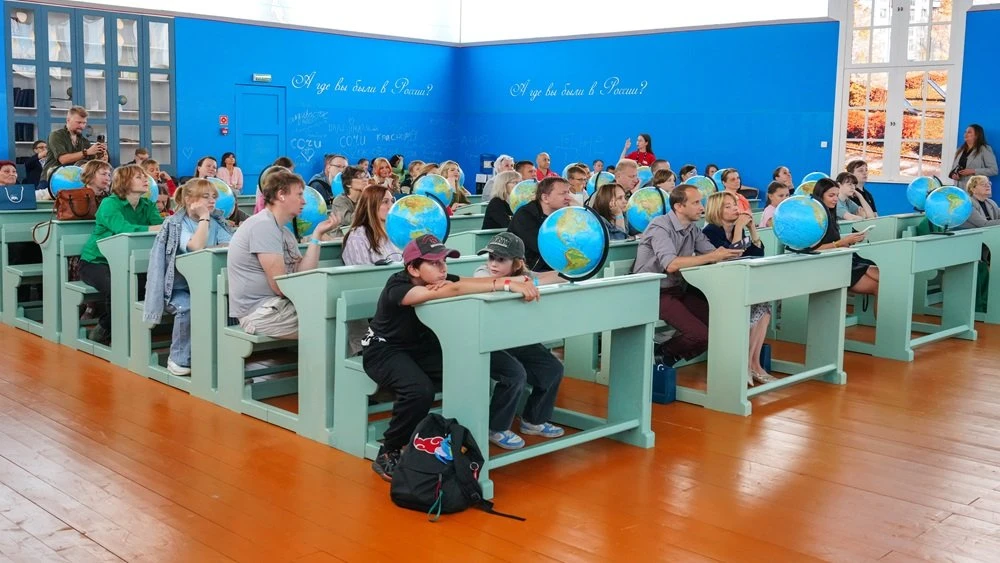
At the end of the lecture, the expert answered a difficult question: is there a single logic that unites all the stages in the formation of Russia's borders? It turns out there is, and it lies not in annexing lands out of a thirst for power, but in creating a space that can be defended, developed and passed on to future generations.
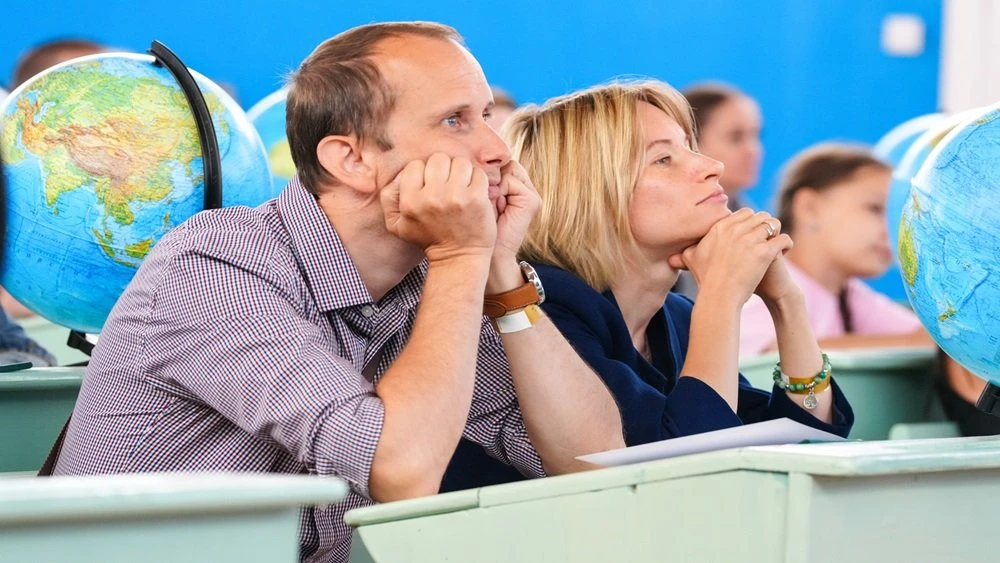
The audience noted not only the depth of the material, but also the quality of its presentation. Even those who were well acquainted with the history of our country discovered unfamiliar facts and new meanings.
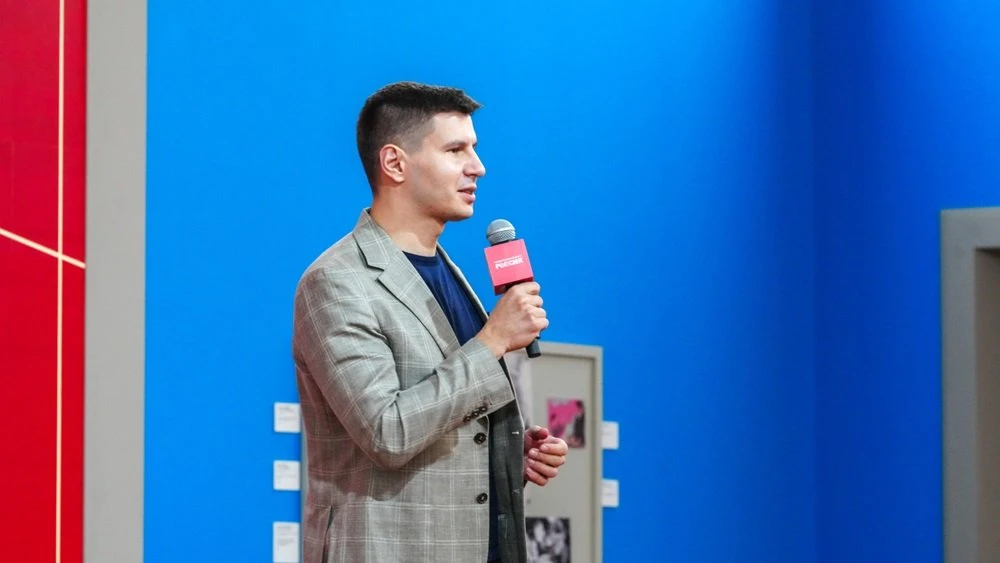
"Interesting stories and an excellent lecturer with a well-trained speaking style, who explained everything very clearly, logically and consistently, without filler words or repetition. I am a lawyer by profession and know history and social studies very well, but I still learned quite a lot of new things at this event," shared audience member Pavel Sustretov from the Moscow Region.
This was not Dmitry Nesterenko's first appearance as an expert at the National Centre RUSSIA. Quite recently, he took part in one of the episodes of the "8 Steps Across the Map of Russia" video project, an original educational initiative of the National Centre RUSSIA that introduces viewers to the country's history through space, routes and events. The episode featuring Dmitry Nesterenko explores how the development of the railway network changed the country's economy, industry and public life.
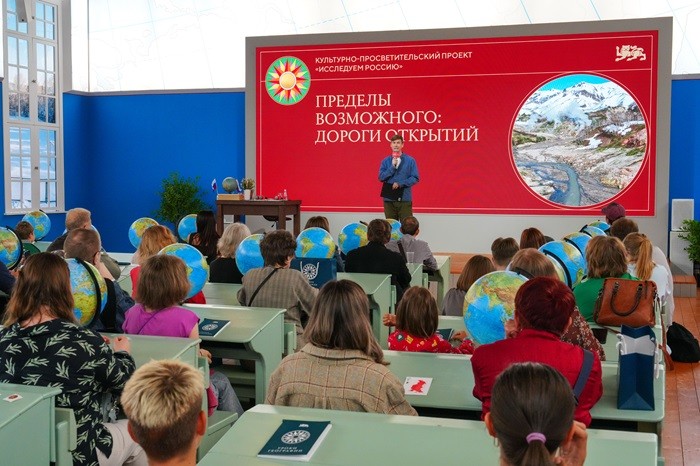
The original cultural and educational project "Exploring Russia", timed to coincide with the "Geography Lessons" exposition, was launched at the National Centre RUSSIA on 5 April. The series of interactive meetings is designed to show that our country is a dynamically developing space with high-tech solutions, historical mysteries and natural wealth. The programme includes lectures and workshops, combining fundamental science with an "edutainment" format.
The "Geography Lessons" exposition opened at the National Centre RUSSIA in April. Designed for families and schoolchildren aged 9–16, the exposition occupies eight themed halls and is aimed at promoting geographical knowledge, fostering patriotism and encouraging interest in the country's multinational and cultural diversity. In addition, lectures, workshops, quests, quizzes and other educational events for people of different ages are held in the exposition space. The "Geography Lessons" exposition runs until 9 July. Admission is free with advance registration on the russia.ru website.
Event photobank

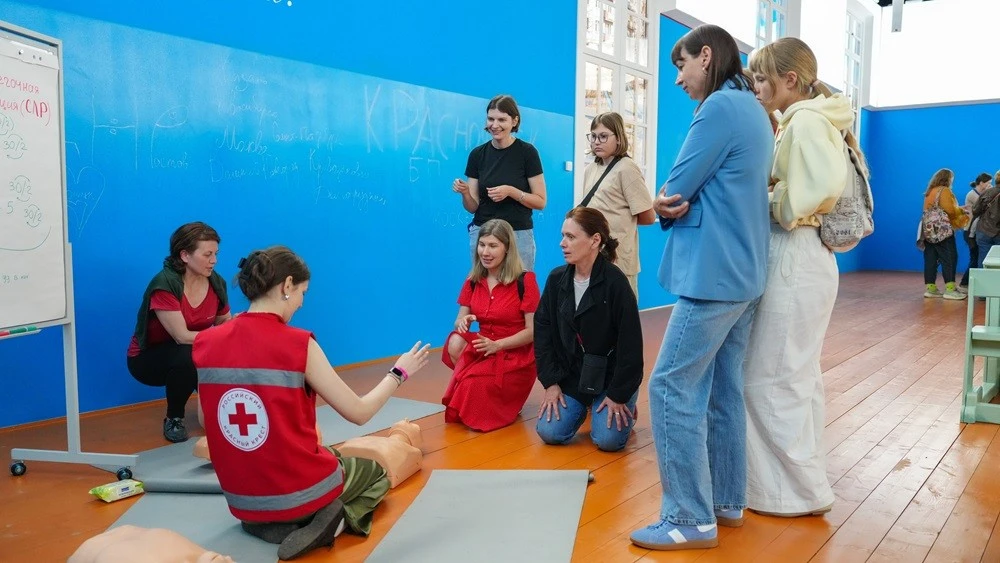
The "Geography Lessons" exposition at the National Centre RUSSIA is drawing to a close.
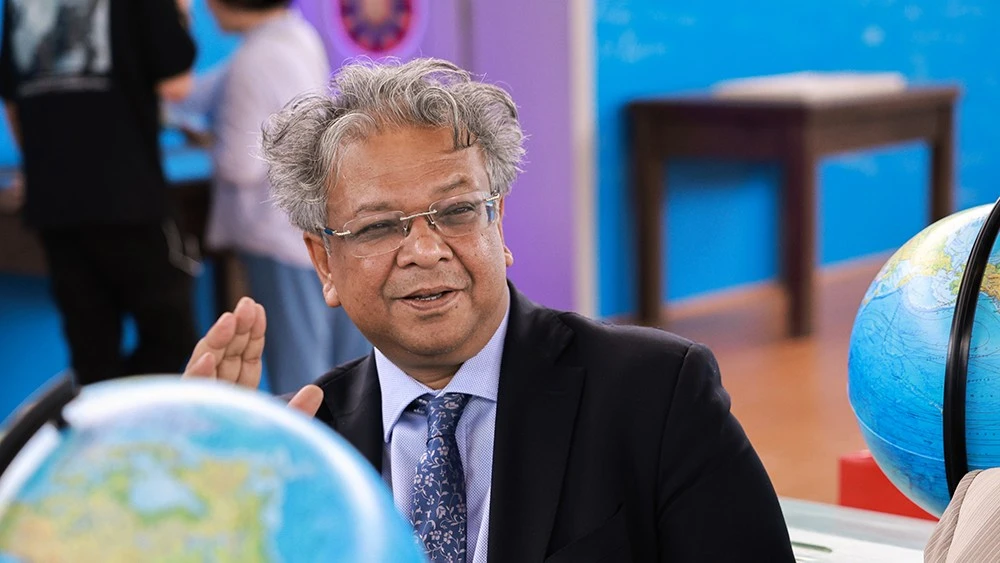
President of the UNESCO General Conference, Khondker Mohammad Talha, visited the National Centre RUSSIA and toured the “Journey Across Russia” exposition.
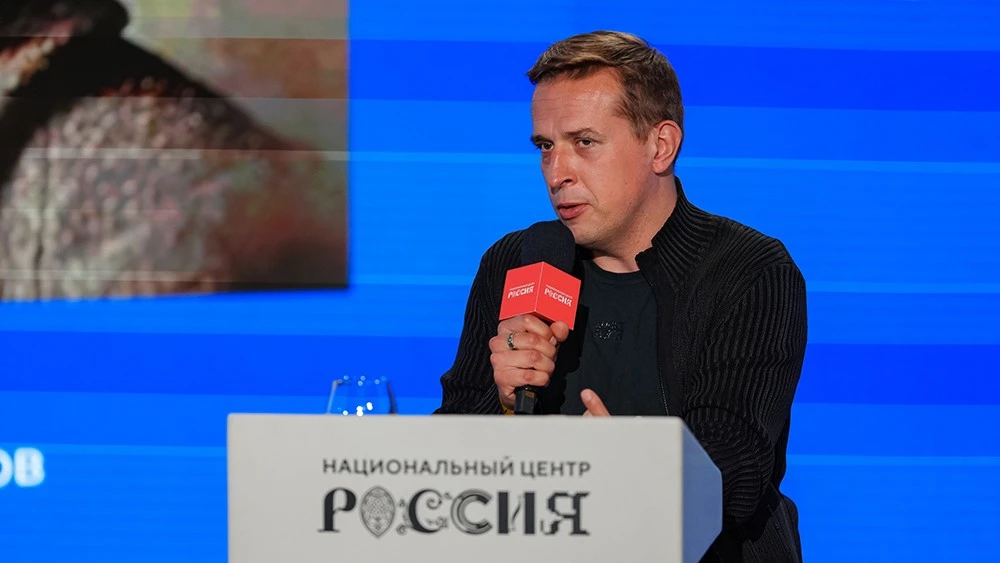
How the classics understood love and why it is worth returning to them today will be discussed by participants in the open dialogues "Forms of Love: Literature and Art" at the National Centre RUSSIA.


