

Simplicity, kindness and truth: the National Centre RUSSIA explores how to stop living someone else's life through the legacy of Leo Tolstoy
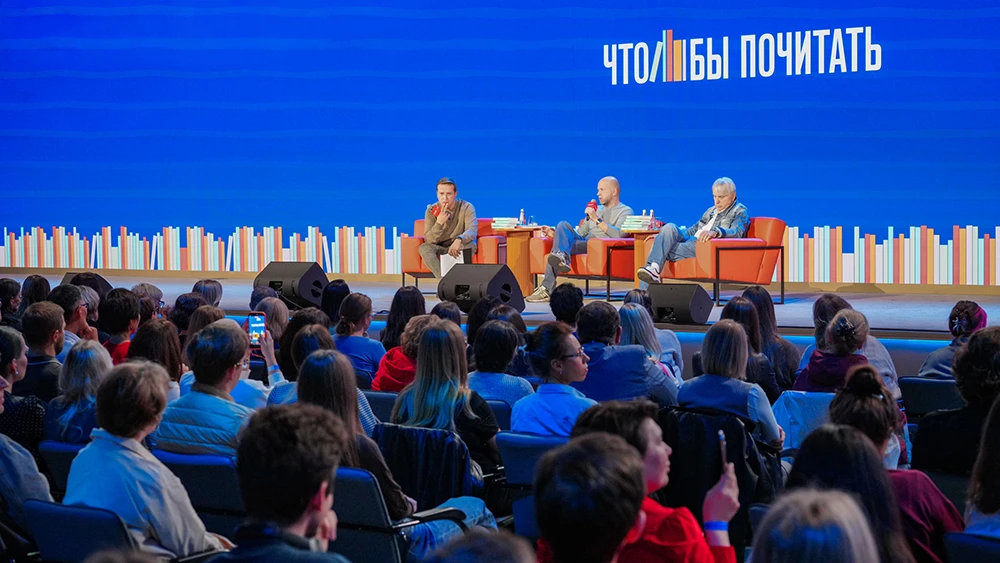
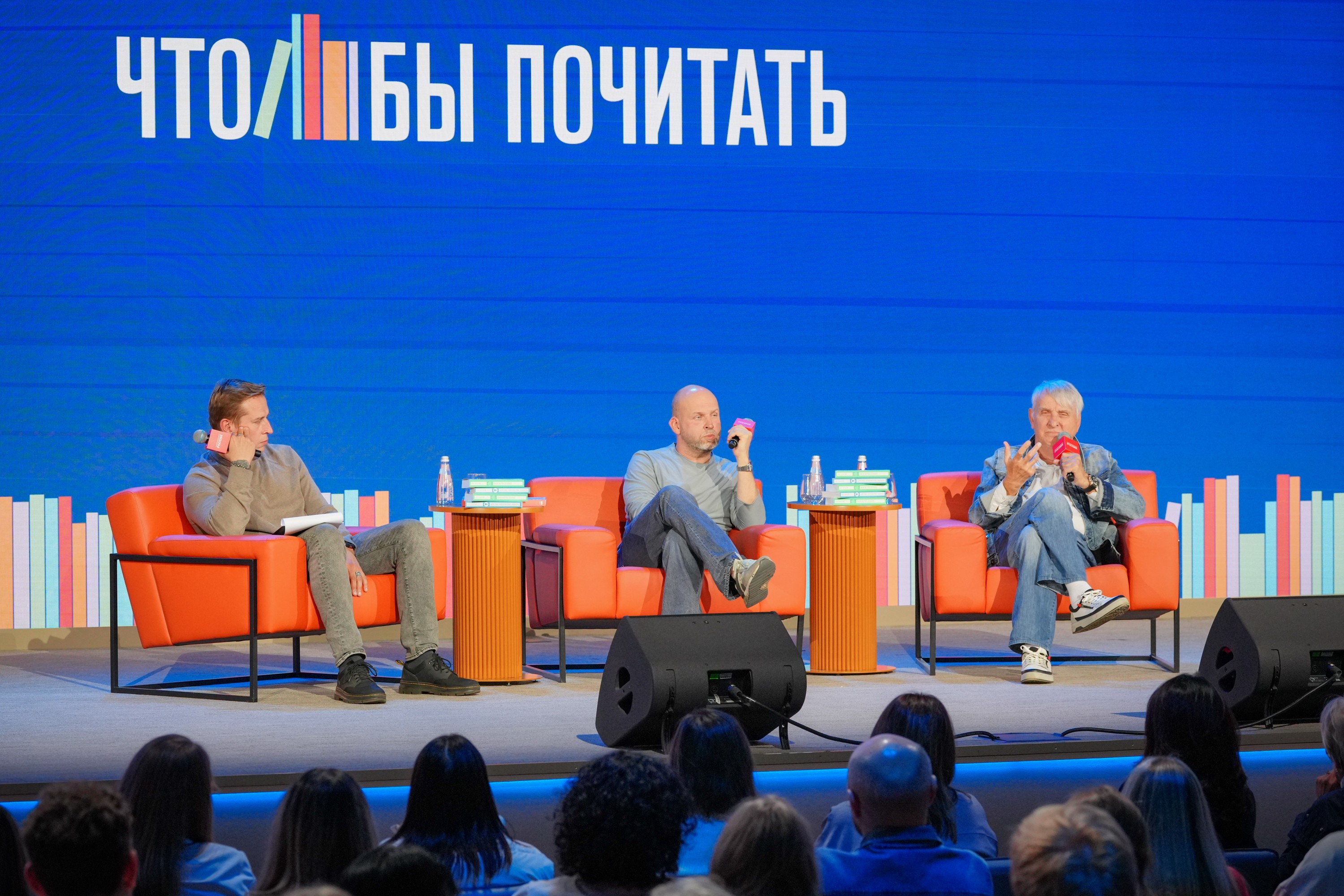
On 15 September, the National Centre RUSSIA hosted a meeting of the Literary Club "What to Read?!" dedicated to the topic "Leo Tolstoy and the Crisis of Modern Person: Why Do We Live Someone Else's Life?". The meeting was hosted by art and literature populariser Nikolai Zharinov. Together with him, writer Yevgeny Zharinov and philosopher Stanislav Zharinov discussed the legacy of the great Russian author and its relevance to modern people, who often lose their sense of self in imposed social roles and expectations.
According to Nikolai Zharinov, many people today are obsessed with the idea of "finding themselves and building a personal brand", while classic literature — including the legacy of Leo Tolstoy — offers a different perspective on this race. The speaker noted that amid the constant stream of short-form content, it is Tolstoy's work that can help people move beyond superficial trends and find inner stability.

"Leo Tolstoy was probably one of the best psychologists in world literature, which is why people continue to return to his works and reinterpret them today. They are simply amazed by how someone living in the 19th century could understand the human soul with such remarkable subtlety," said philologist, cultural studies scholar, writer, journalist, lecturer, and art and literature populariser Nikolai Zharinov.
Recalling such landmark works by Leo Tolstoy as "Resurrection", "War and Peace" and "The Death of Ivan Ilyich", the experts explored how the writer addresses the problems of imposed social roles, the pursuit of status and the substitution of real life with external symbols of success. Particular attention was paid to the value of simple labour, illustrated by the character of Konstantin Levin in the novel "Anna Karenina".
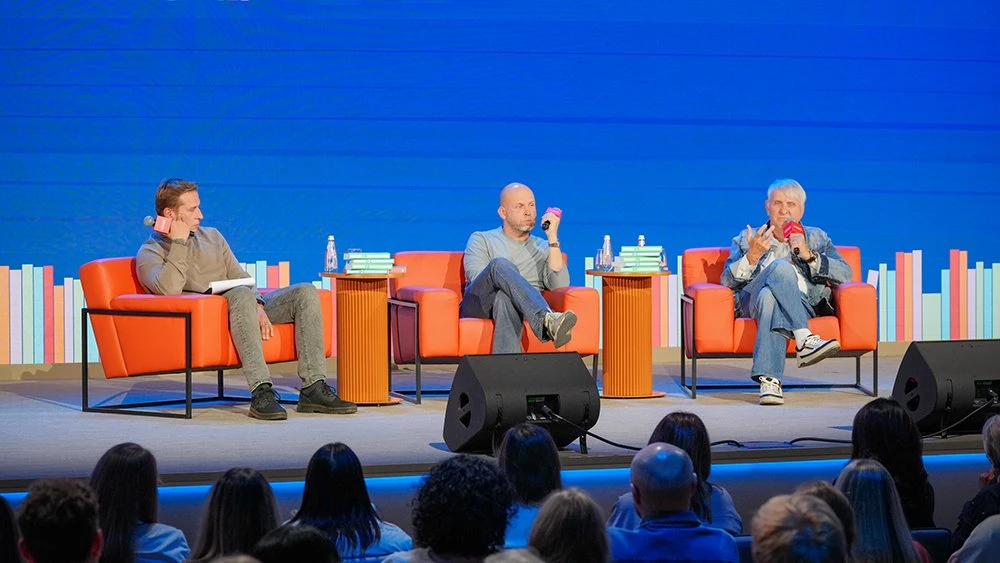
Literary scholar, writer, essayist, translator, Doctor of Philology and Professor Yevgeny Zharinov noted that one of the issues raised by Leo Tolstoy in "Anna Karenina" that remains highly relevant today is the breakdown of the family.
"Leo Tolstoy describes divorce in the realities of the 19th century as a catastrophe in which Seryozha, a little child caught up in this mess, suffers above all. This is because, for the writer, the family is a small church," Yevgeny Zharinov said.
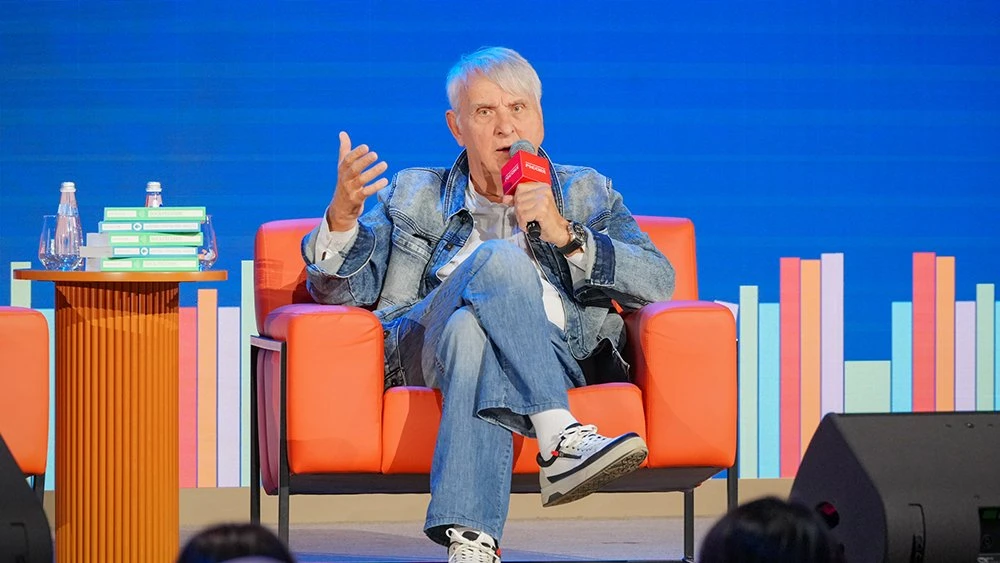
He added that Leo Tolstoy's legacy allows readers to conclude that genuine human connections emerge when people stop playing roles, while awareness of the finiteness of life helps distinguish what is important from what is secondary.
"Leo Tolstoy followed three principles throughout his life — simplicity, kindness and truth. He spent seven years serving as an artilleryman in the Russian army, and in the face of war, to put it in modern terms, all the pretence falls away. As a man of war who understood how quickly death can come, he disliked all kinds of masks, had a clear and consistent position and always followed his own path. And this is one of the things that makes his work so appealing, including to people today," Yevgeny Zharinov said.

Reflecting on why modern people, constantly striving for effectiveness and success, so often end up feeling empty inside, philosopher, cultural studies scholar, Candidate of Philosophical Sciences and Associate Professor Stanislav Zharinov drew the audience's attention to the difference between external validation of one's worth and one's inner state. According to him, the pursuit of productivity is merely an attempt to "patch up" inner emptiness with diplomas, titles and success stories, whereas Leo Tolstoy offers a completely different path.
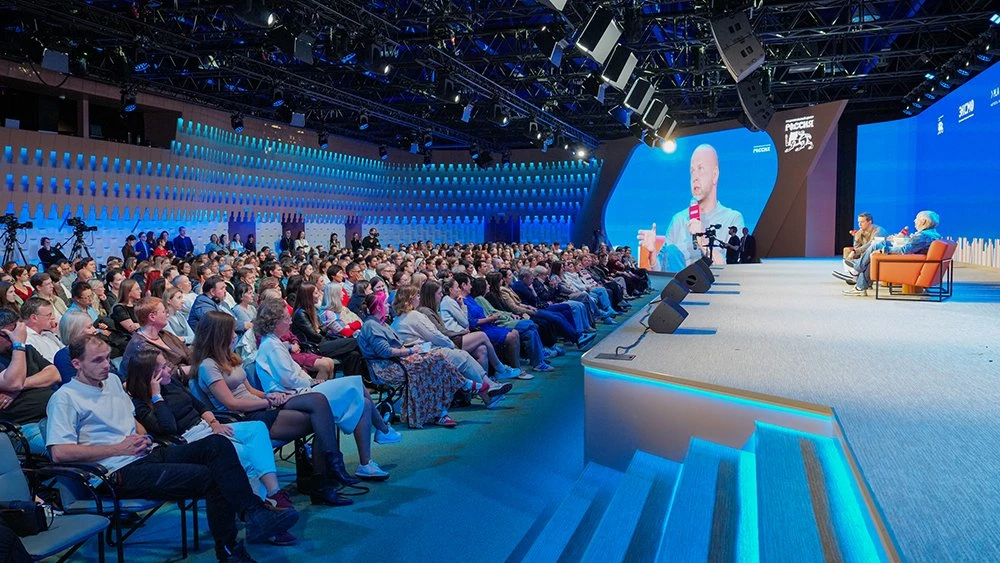
"Effectiveness has nothing to do with our inner state. More often than not, it is an attempt to replace our sense of self-worth with external evidence: diplomas, titles and success stories. But that is not about how we feel inside; it is about external validation. And effectiveness is one way of patching up inner emptiness. Leo Tolstoy, on the contrary, spoke about moving away from this. His diaries and writings are timeless. They lead you to reflect on questions that remain unchanged despite technological progress: the meaning of life, loneliness and communication with others. When you read Tolstoy, you see that his work is an invitation to further reflection. So simply read his works, and something else will inevitably follow," Stanislav Zharinov urged.
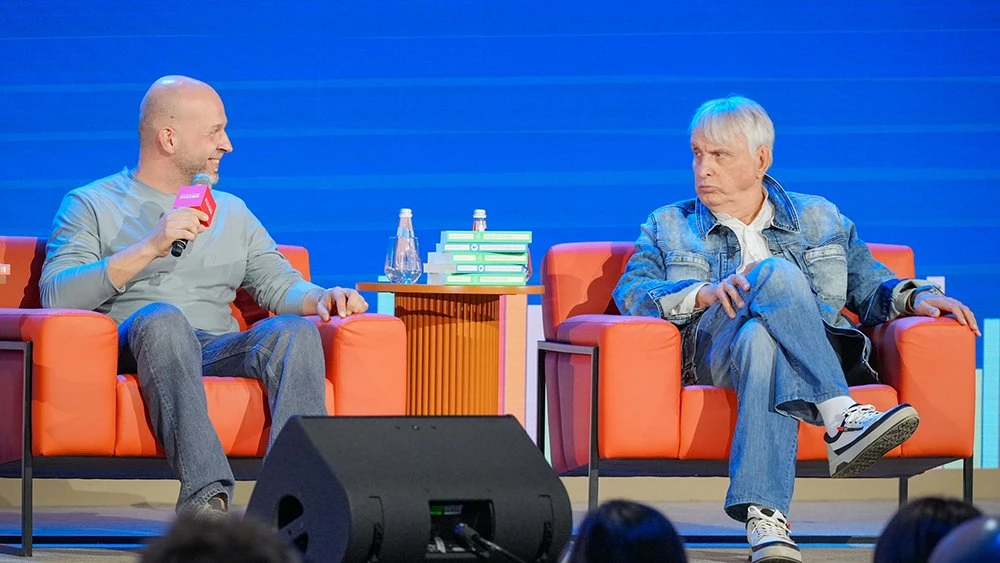
The philosophical conclusion of the meeting was a reflection on the idea that in an age of career worship and the cult of "success for success's sake", people do not live solely for their own happiness and endless "self-fulfilment", but also have a responsibility towards others. The event concluded with a traditional Q&A session, during which guests asked how Tolstoy's insights could be applied today and which of his works would be the best place to start reconsidering one's own attitude towards life.
"Leo Tolstoy will always be relevant, and this is not just a cliché. Philosopher Yury Davydov gave a very precise definition of genius: 'A genius is someone who creates a product that has no price.' And what Tolstoy wrote is priceless because his influence on psychology, literature, our thinking and the way we understand the world — even when it is hidden or latent — is still present," Yevgeny Zharinov concluded.

The full recording of the meeting dedicated to Leo Tolstoy's legacy and its ability to help people discover their authentic selves is available here.
The Literary Club "What to Read?!" of the National Centre RUSSIA is for those who see books as more than entertainment and view them as a key to understanding the past, present and future. The intellectual platform focuses on developing a culture of reading, discussing literary legacy and exchanging ideas. Participation in the club's upcoming meetings is free, but registration on the National Centre RUSSIA website is required. The latest event schedule is available in the "Events" section.
Event photobank

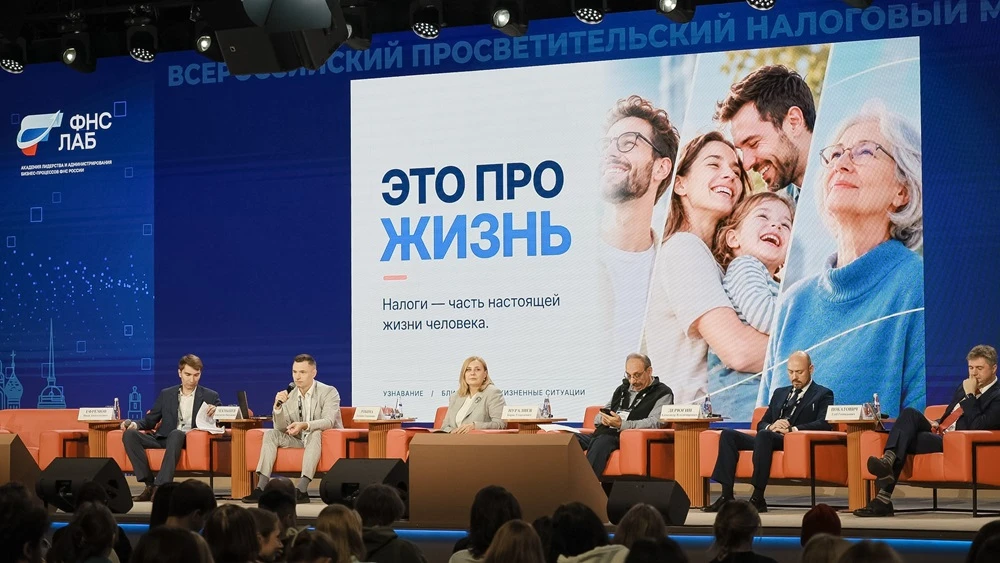
The event brought together young people, anyone seeking a better understanding of taxation, and representatives of government, business and professional communities.