

All-Russian Educational Tax Marathon was held at the National Centre RUSSIA
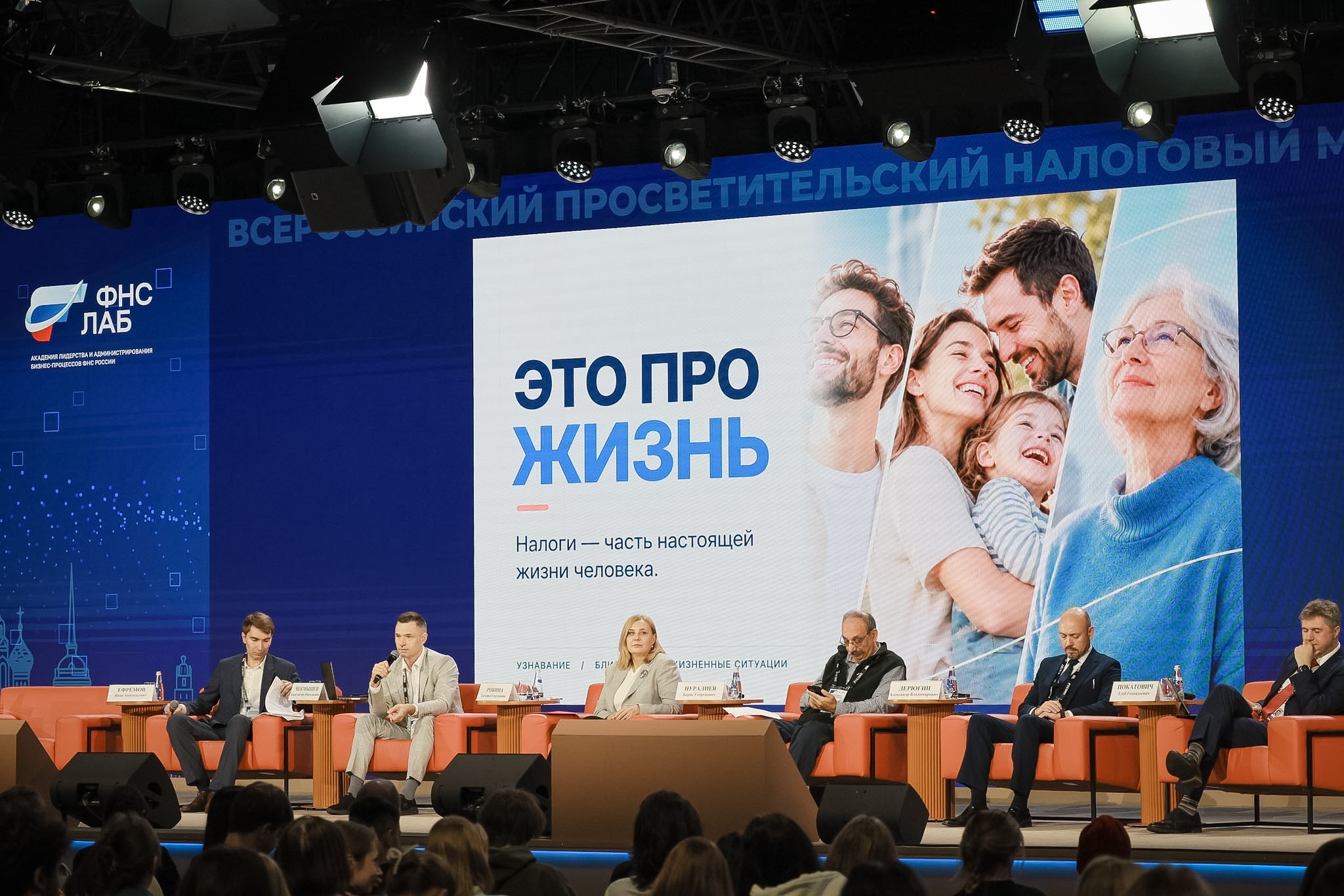
The All-Russian Educational Tax Marathon was held at the National Centre RUSSIA, launching Tax Culture and Literacy Month. The educational initiative aims to strengthen trust between society and the state through an open conversation about taxes, demonstrate their role in the country's development and encourage a responsible approach to financial obligations.
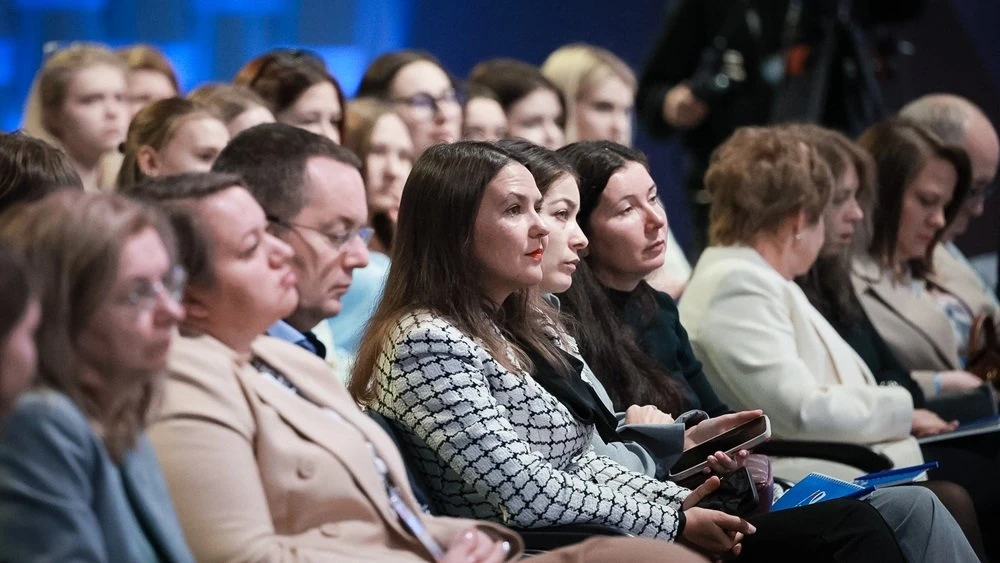
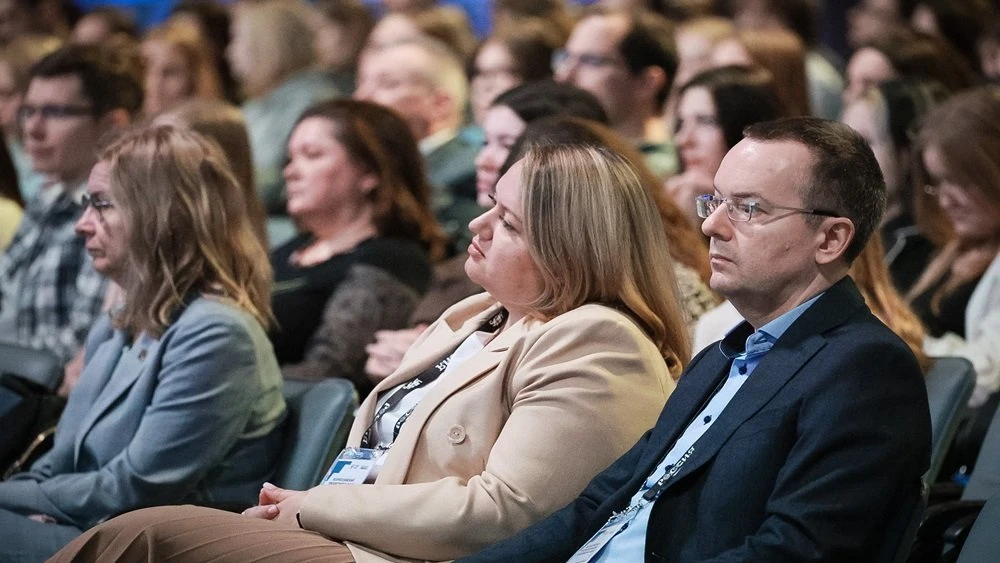
The event brought together young people, anyone seeking a better understanding of taxation, and representatives of government, business and professional communities. Around 2,000 people attended at the National Centre RUSSIA. More than 10,000 participants also joined the discussion online from five regional venues.
Daniil Yegorov, Commissioner of the FTS of Russia, welcomed the marathon's guests and participants. He noted that the Service's key task is to strengthen trust between the tax authority and citizens. He said that tax culture is just one aspect of financial literacy, and the FTS's task is to make paying taxes both convenient and a conscious choice. This can only be achieved by working with taxpayers themselves.
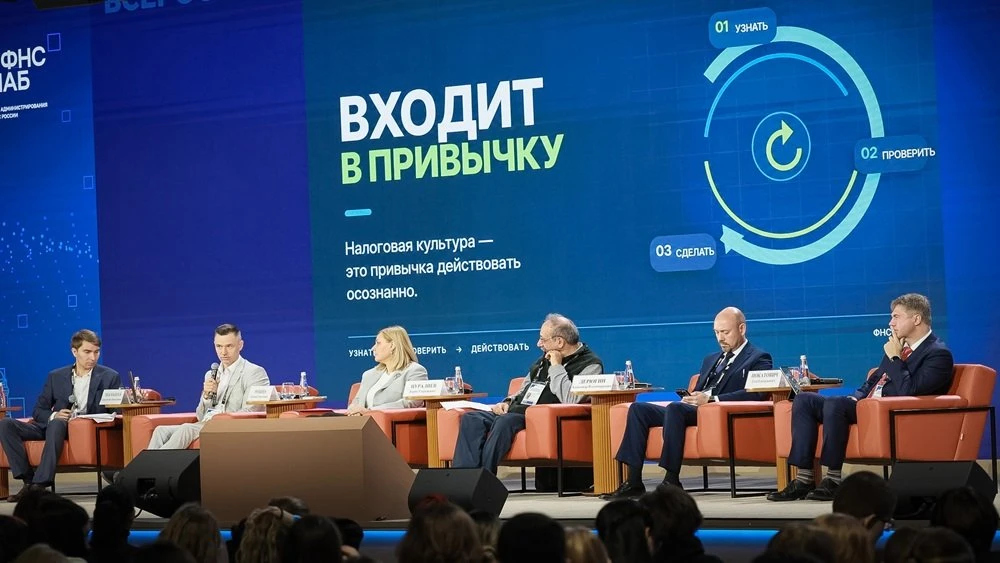
"A new social philosophy has now taken shape: paying taxes has become the norm. Not paying them is now like jumping a queue or driving along the hard shoulder. The Russian tax service is recognised as one of the most advanced and technologically sophisticated tax services in the world. But we can only improve further by working with you. The norm is that a citizen pays because they see a connection between their decision and what they value. That is a sign of maturity — both in the citizen and in the system. We work to establish that connection," Daniil Yegorov told the marathon's participants.
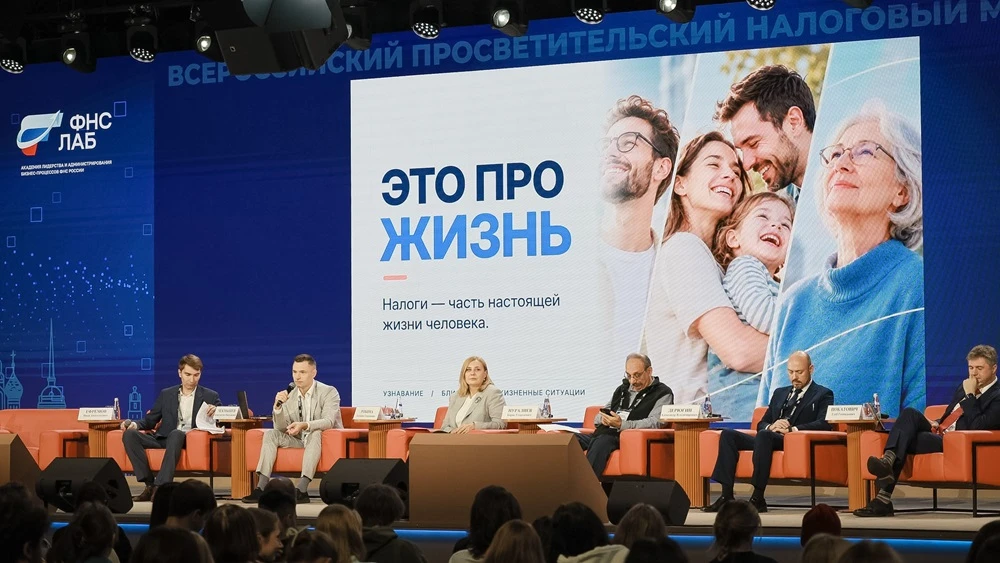
The marathon began with the panel discussion "Financial Culture and Trust as the Foundation for Russia's Economic Development". Konstantin Chekmyshev, Deputy Commissioner of the FTS of Russia, explained why developing citizens' tax culture and automating services have become important areas of the Service's work, and the practical results they deliver. He said the FTS's main goal is to simplify tax payments and use its services to make tax administration seamless and convenient.
"The most important thing we want to achieve is for people not to have to give taxes special thought. Citizens should not have to spend their lives constantly being tested on whether they understand taxes or have done everything correctly. Wherever possible, the technical work should be handled by the tax authority's services. Digital services and pre-filled documents are the solution. The Tax Payments Single Account makes paying tax as easy as making a payment using a phone number. Even tax deductions are offered, in most cases, before citizens think to ask about them. This is the point at which a service stops being intrusive and simply helps," Konstantin Chekmyshev emphasised.
According to the speaker, the transition to the Tax Payments Single Account was built on the principle of gaining trust through understanding. The system brought together decades of payment and tax return data, requiring a change from the familiar practice of keeping records, making payments and reconciling accounts separately. The solution was to feed information from the Tax Payments Single Account into taxpayers' accounting systems so that their entries aligned with FTS data. "When this became visible and major ERP systems gained a connection to the Tax Payments Single Account through an API, we earned trust and recognition of the new system's advantages," the Deputy Commissioner of the FTS of Russia said.
Participants also discussed the role of education and public awareness initiatives in developing financial culture. Ivan Yefremov, Rector of the FTS LAB Academy, noted: "Tax Culture and Literacy Month is an opportunity to show that a conversation about taxes and personal finances can be clear and interesting for everyone. The Federal Methodological Centre for Tax Literacy, based at the FTS LAB Academy, develops formats that make professional content accessible to every audience. Tax culture and literacy resonate with everyone. It is important for us to sustain that interest, which underpins trust in the state and an understanding of one's role in its development," he said.
The marathon's programme is divided into three thematic tracks. The "Business" track focuses on the tax service's modern services and technologies: participants learned about important aspects of corporate taxation, new rules for using cash registers and trends in desk audits. The "Individuals" track focuses on managing personal wealth, with accessible explanations of personal income tax, choosing a tax regime for a start-up, the features of the taxpayer's online account and property taxes. Representatives of Rosfinmonitoring also discussed financial security. Schoolchildren attended "Tax Express", an interactive open lesson on tax culture and literacy designed to help the younger generation understand the fundamentals of taxation.
The All-Russian educational tax marathon, held as part of Tax Culture and Literacy Month, is a campaign to improve tax literacy, encourage a responsible approach to meeting tax obligations and strengthen public understanding of the tax system as an effective tool for the country's sustainable social and economic development. The marathon was organised by the Federal Methodological Centre for Tax Literacy at the Academy of Leadership and Business Process Administration of the Federal Tax Service of Russia (FTS LAB).