


Young journalists learn to work as a team and go live at the National Centre RUSSIA
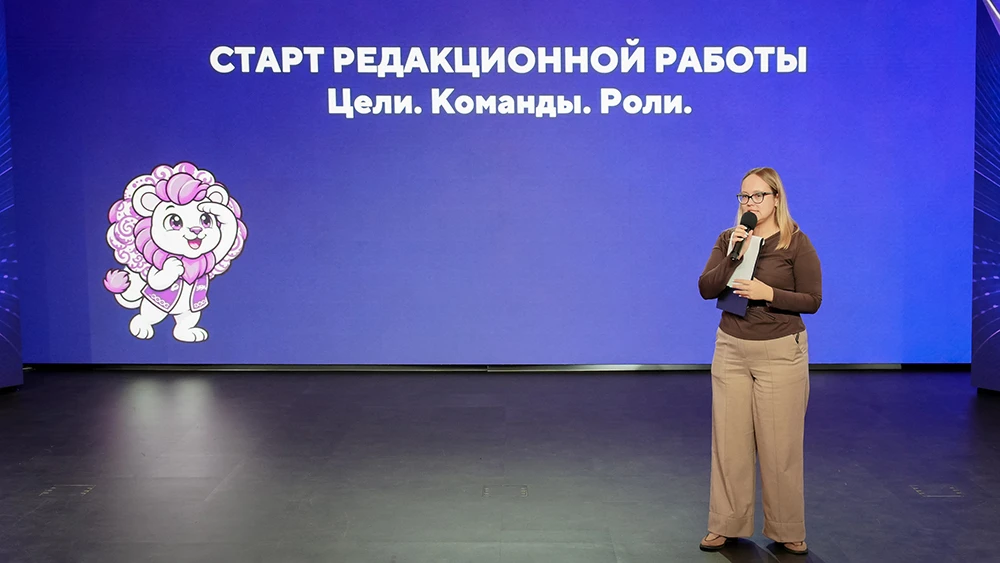
Participants
in the second cohort of the Young Journalists School learnt how to keep a live
broadcast on track when things go wrong. The session was held on 25 November at
the National Centre RUSSIA. It was designed to help participants get to know
one another and familiarise themselves with the training programme. In place of
traditional lectures, they took part in team tasks, games and practical
exercises. The young journalists tried their hand at different roles in the
media and learnt to work together and understand one another without words.
At the start of the session, participants were asked to set personal goals for
their time on the project. Some wanted to learn how to conduct interviews and
film reports, while others wanted to become more confident on camera, improve
their improvisation skills or meet like-minded people. They shared their
expectations with one another, giving themselves some initial goals to work
towards during the programme.
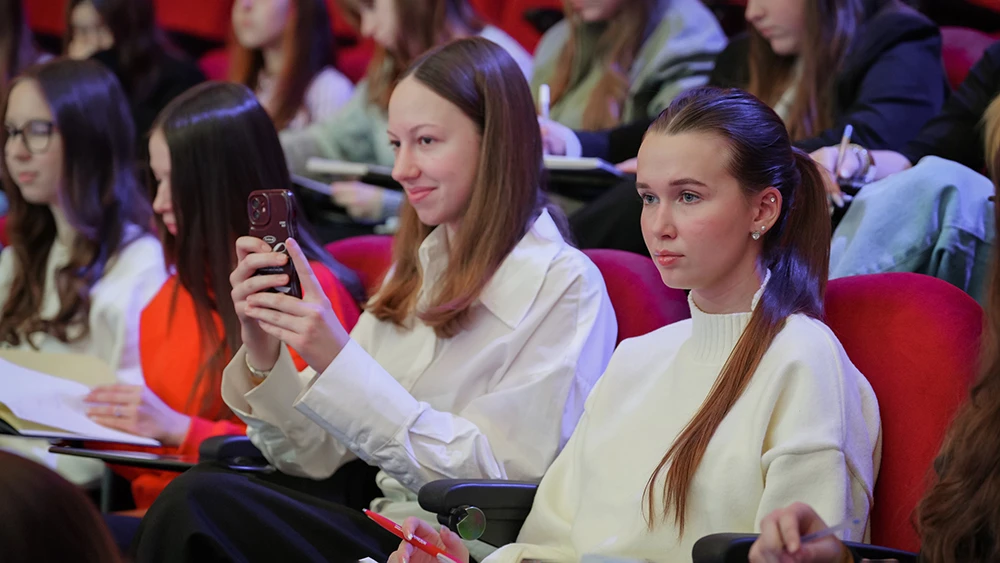
The main part of the session took an unusual format. Participants split into
three newsroom teams and went to different activity stations to complete their
tasks. They had to put their individual strengths to use and, just as
importantly, learn to divide up roles, listen to one another, put forward ideas
and find solutions together.
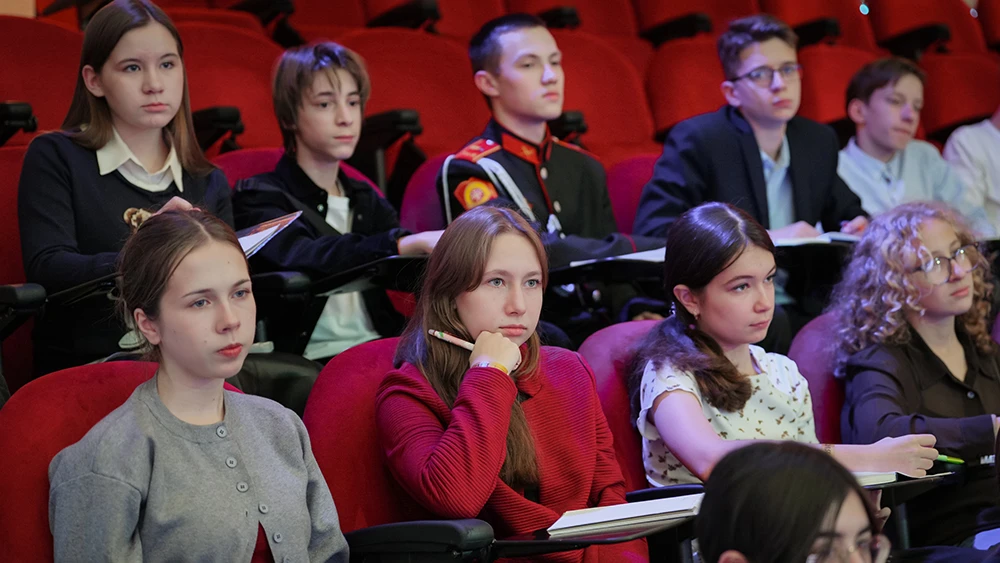
Kristina Petrova said the task had helped her discover strengths she had never
realised she had. "I surprised myself by realising I could take charge
when I needed to. We were doing a mock live broadcast and no one knew what to
say, so I took the initiative. That's one of my strengths. I also realised I
need to improve my communication skills, so I've got something to work on
too."
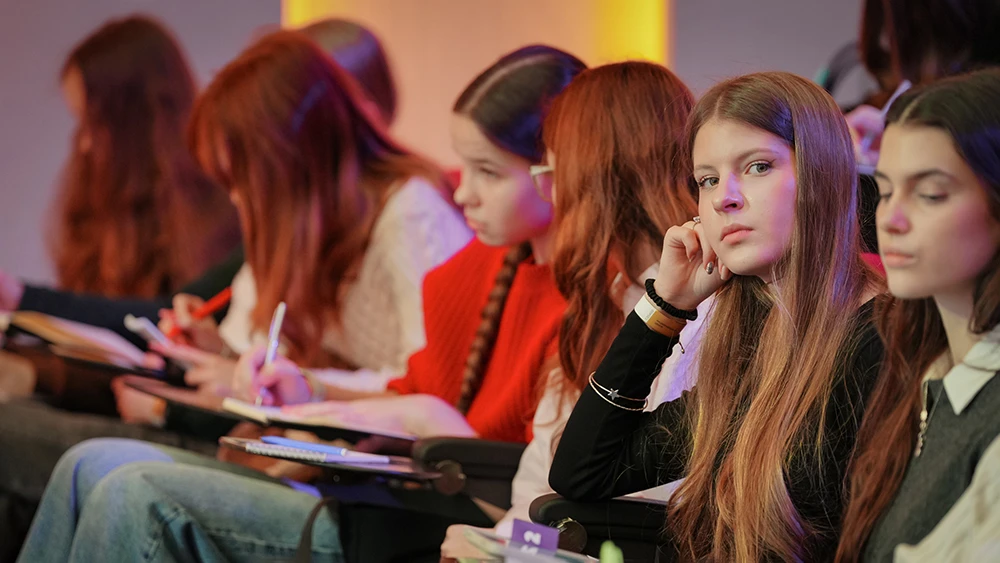
At another station, participants explored the principles of non-verbal
communication. They had to use drawings to convey ideas and reach agreement
without speaking. The exercise helped them see how much communication depends
on understanding the other person, noticing details and finding common ground,
as well as on what is said.
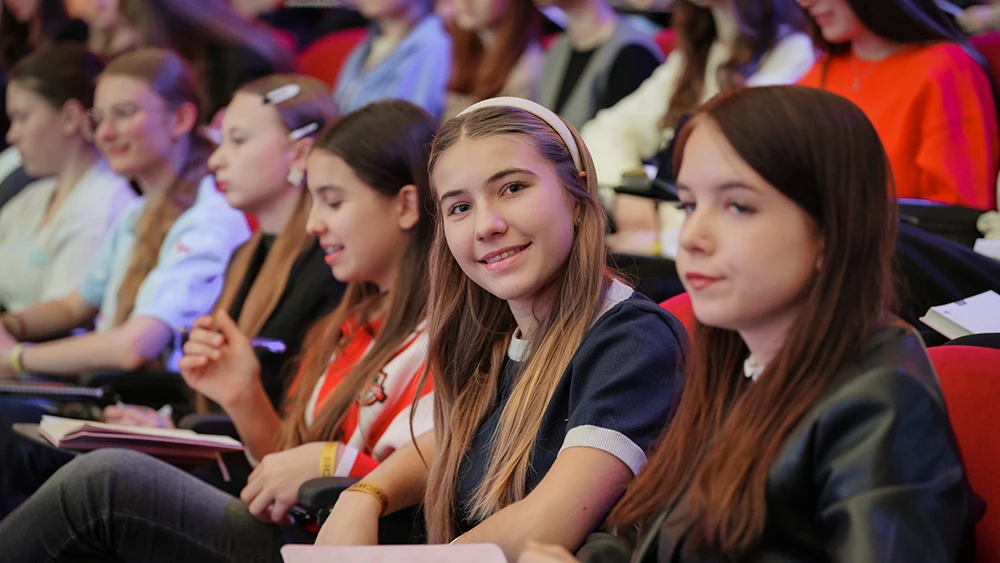
Gleb Danilov said the tasks had helped him meet interesting people and even
make new friends, but admitted that improvising and working "live"
had been challenging.
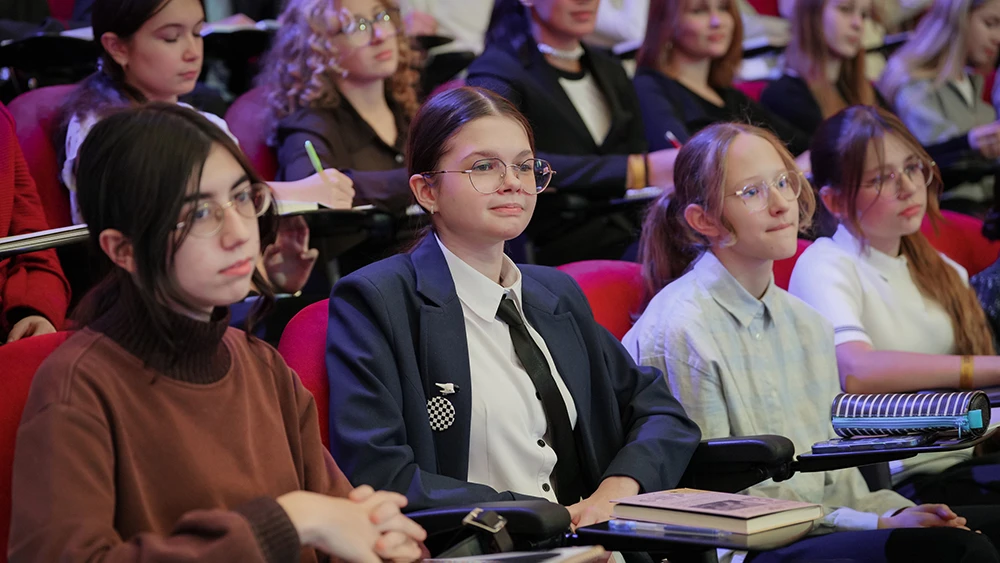
Another activity was a game called "Atoms and Molecules".
Participants formed groups, got to know one another and answered questions
together, ranging from simple icebreakers to questions about journalism, such
as who their favourite journalists were and which of them they would like to
ask for a comment. By the end of the game, three teams had formed, each
choosing a representative to collect and present the team's answers. The game
helped participants get to know one another better, learn to work together and
feel part of a team.
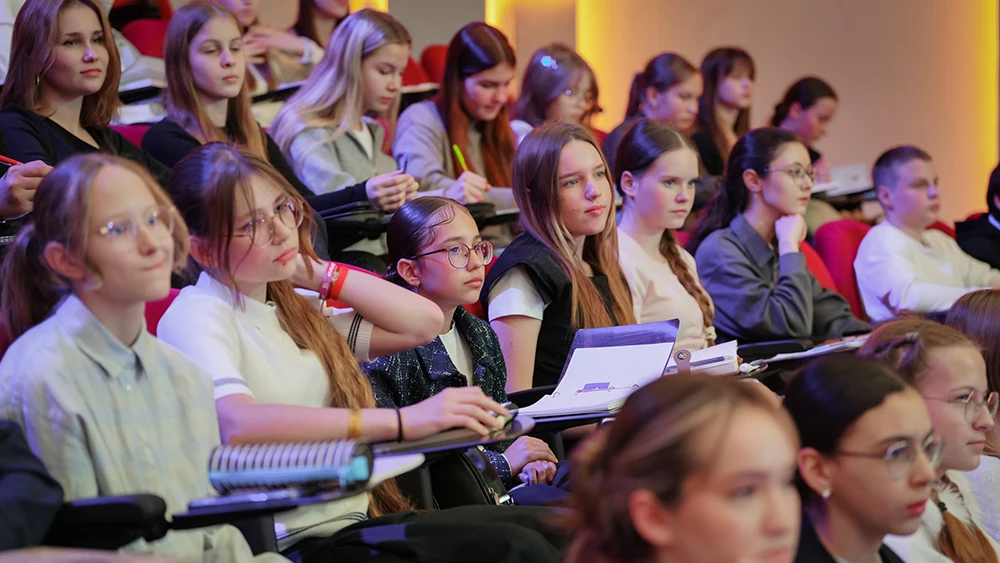
"I think we learnt a lot in just one session — teamwork, improvisation and
non-verbal communication. So many skills we don't usually get to practise! It
was great. I also realised I need to develop my leadership skills. They'll come
in handy both in life and in my career," said Alexandra Korolyova.
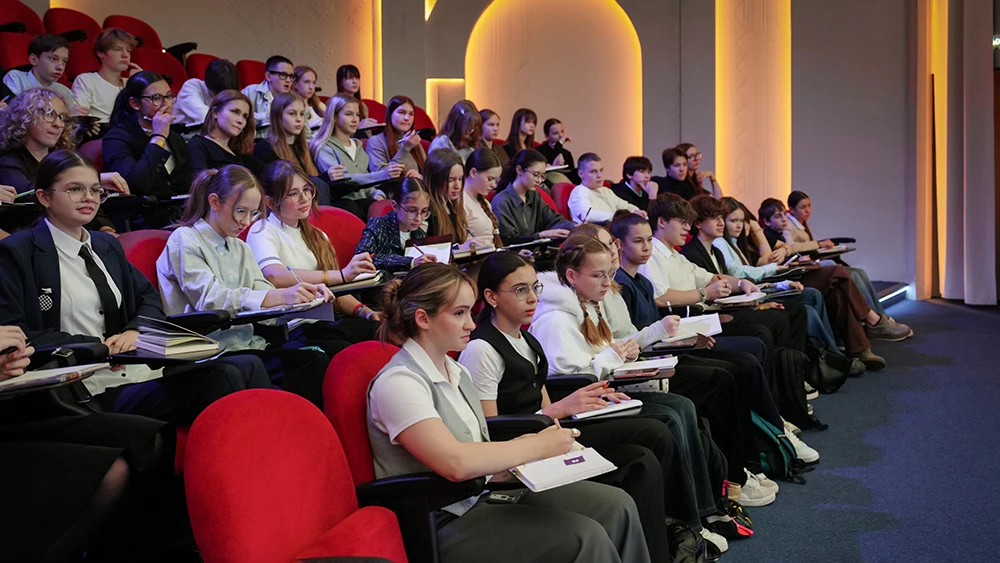
The Young Journalists School is an original project of the National Centre
RUSSIA, run jointly with the Ministry of Education of the Russian Federation
and the Movement of the First. The New Media Workshop and ANO
"Dialogue" are the programme partners, and the Russian Children's and
Youth Centre is the strategic partner.
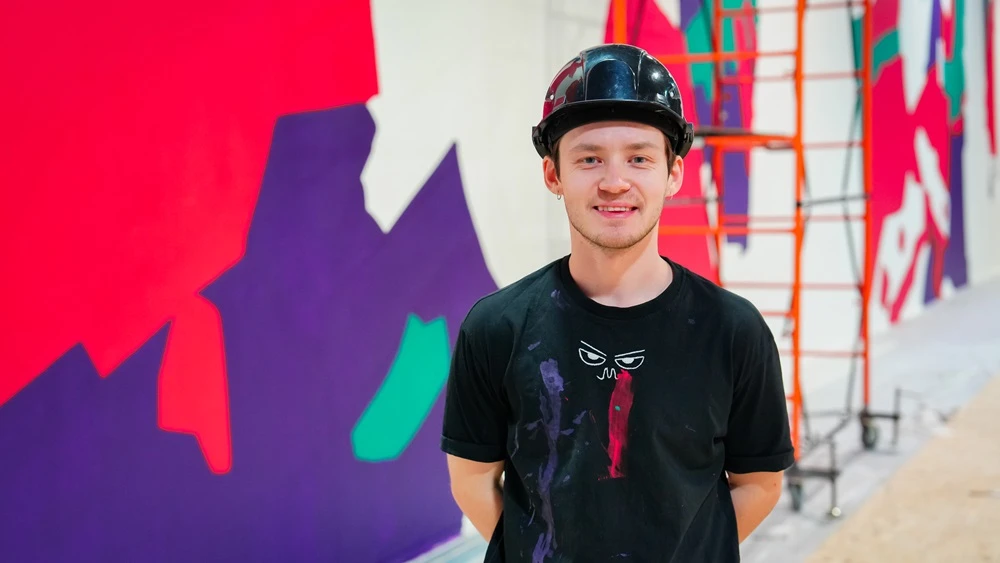
The mural runs around the perimeter of the space, covering more than 500 square metres of wall.
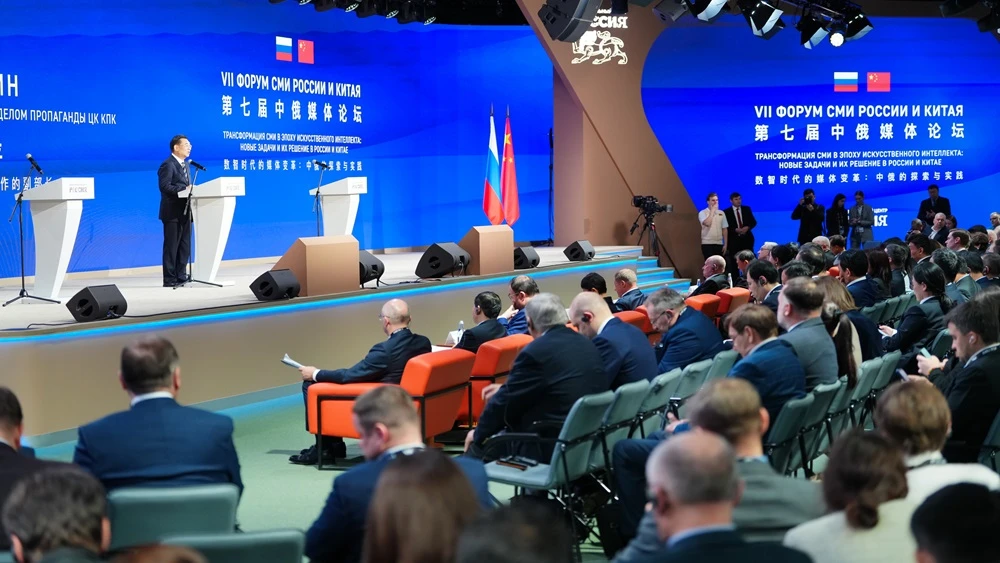
Participants will discuss the impact of AI on the media and the role of Russian and Chinese media in promoting tourism and communication between people.
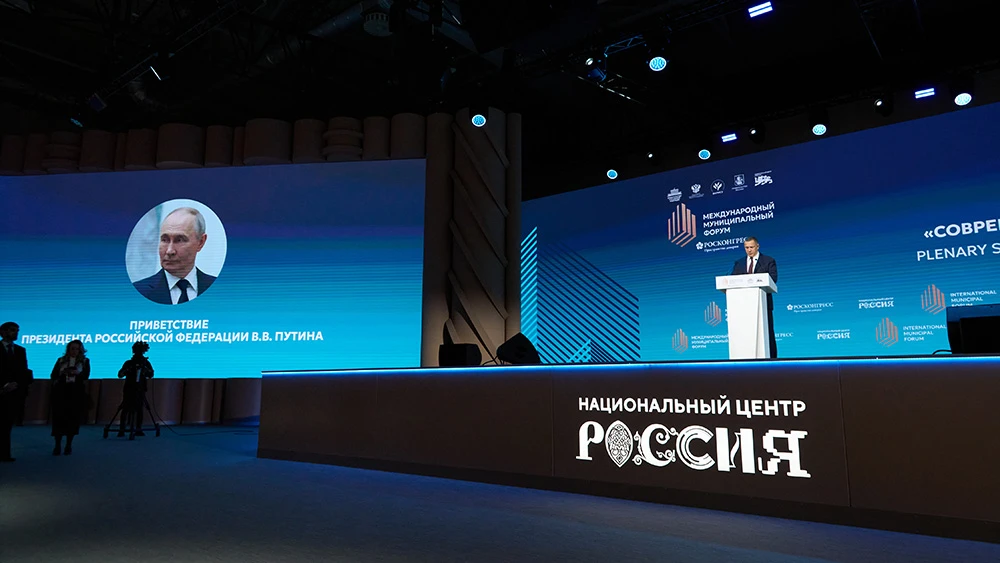
The main event in the business programme of the First International Municipal Forum took place at the National Centre RUSSIA on 24 November.


