


The impact of megacities on the economy takes centre stage at the closing session of the Municipal Forum at the National Centre RUSSIA
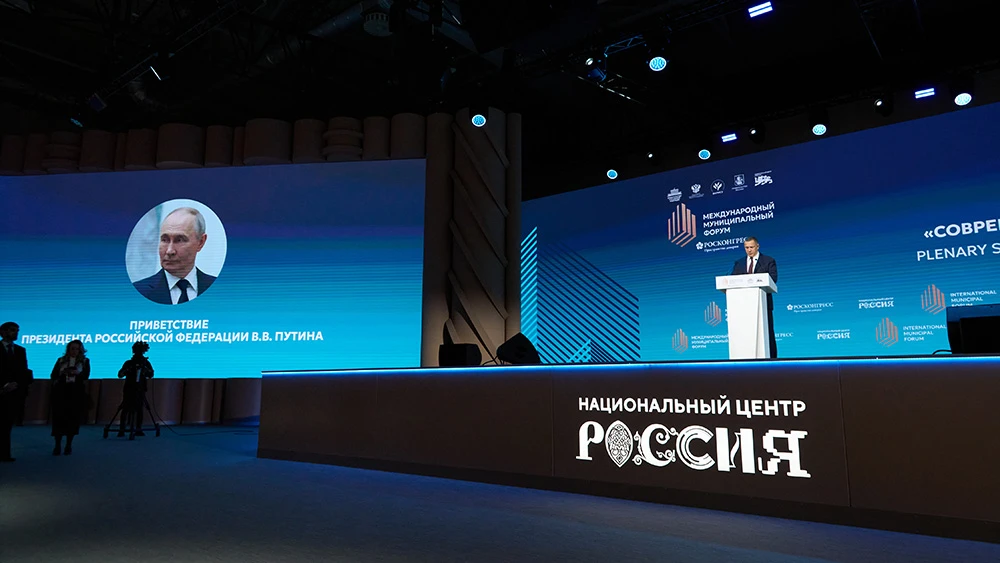
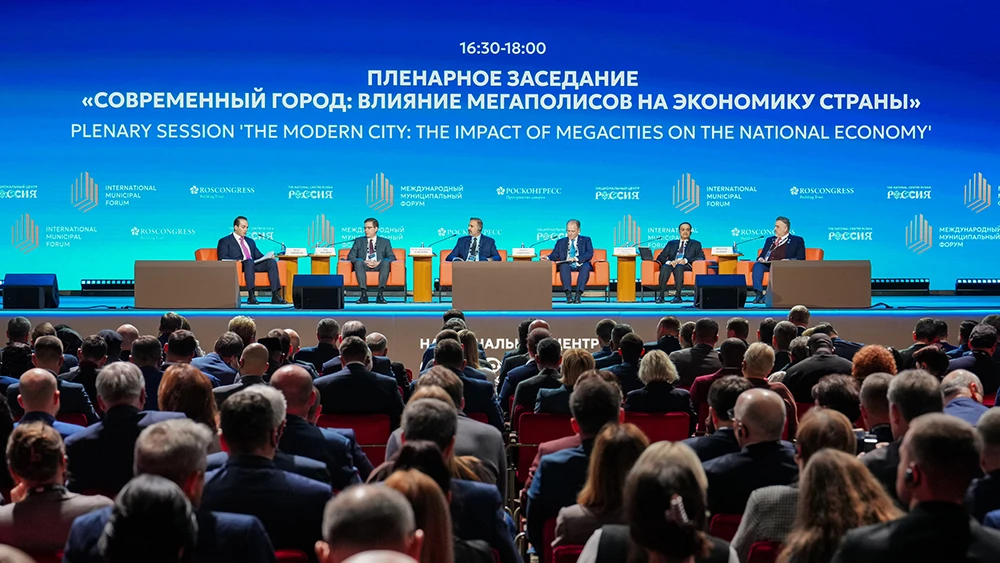
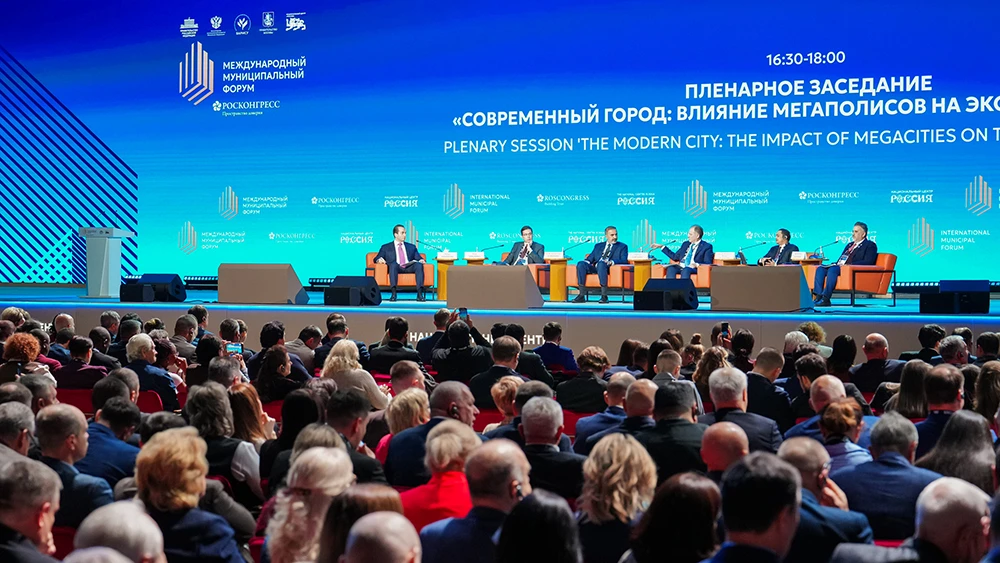
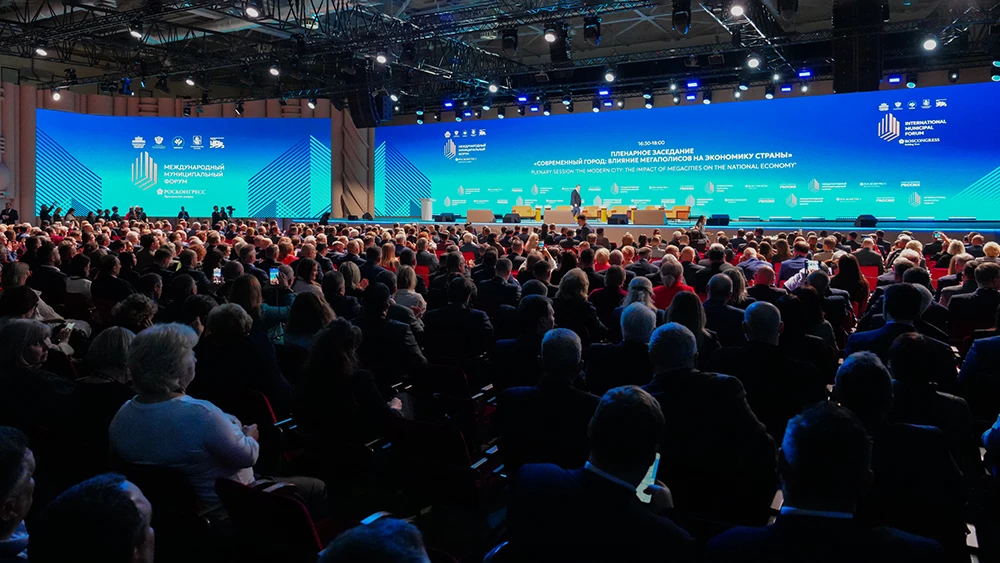
The main event in the business programme of the First International Municipal Forum — the plenary session entitled "The Modern City: The Impact of Megacities on the National Economy" — took place at the National Centre RUSSIA on 24 November. Experts discussed why, amid global transformation, major administrative centres are becoming catalysts for economic change, and how the digitalisation of the urban environment, platform-based solutions and a well-developed hospitality industry enable megacities to shape the direction of economic development across the country. President of the Russian Federation Vladimir Putin sent his greetings to the Forum's participants and guests.
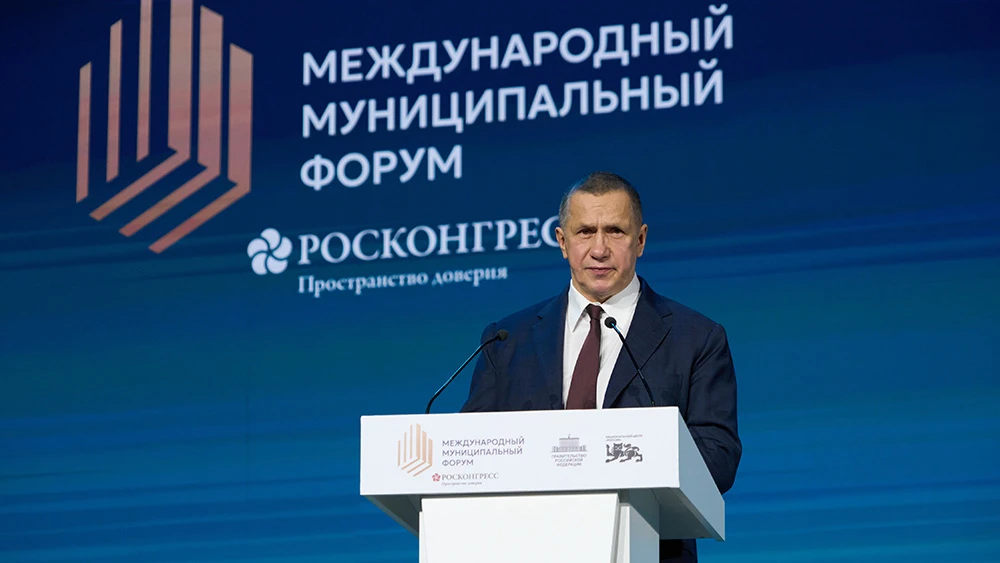
"Local self-government in Russia has a rich tradition and is now actively developing on a solid constitutional foundation as part of the unified system of public authority. Our national projects, as well as personnel and educational programmes, are designed to improve the work of municipalities and strengthen their infrastructure. I would emphasise that we are always ready to share our accumulated experience in implementing municipal and public initiatives, and are open to professional dialogue and partnership on these important issues with our friends in BRICS, the Eurasian Economic Unity, the CIS and other international organisations and countries. I am confident that this Forum will contribute to expanding such fruitful cooperation," Vladimir Putin said. His address was read out by Presidential Aide Yury Trutnev.
The discussion was moderated by Henry Sardaryan, Dean of the Department of Governance and Politics at MGIMO University of the Ministry of Foreign Affairs of Russia. He emphasised the importance of international dialogue in sharing experience and the key role played by the All-Russian Association for the Development of Local Self-Government (VARMSU) in this process. He also outlined one of the main objectives of this dialogue: to consider megacities from two perspectives — as drivers of economic growth and as urban environments.
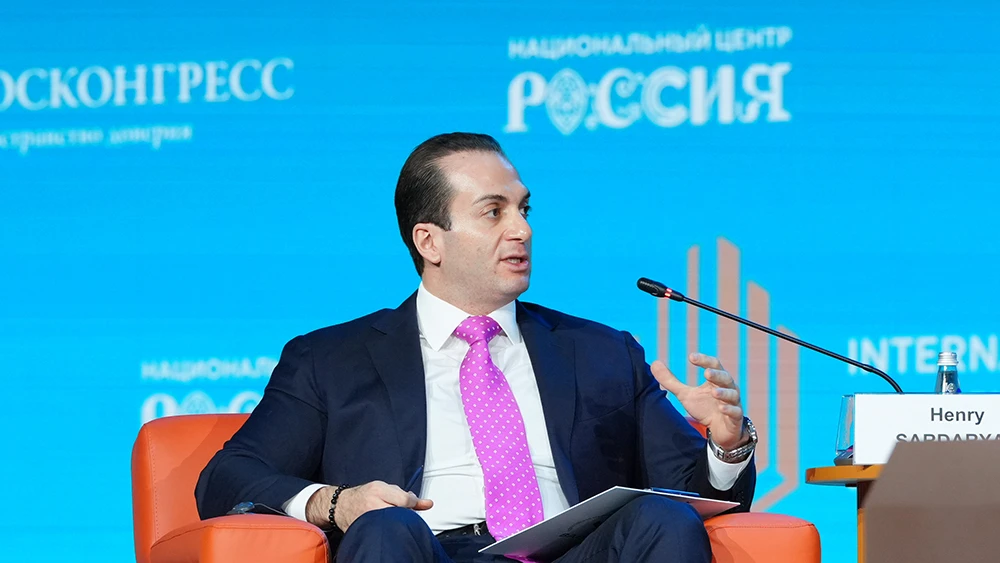
"On the one hand, a megacity is an important driver of economic growth for the entire country. On the other, it is an urban environment that must provide favourable living conditions for its residents while preserving its own identity, culture and traditions. There are no universal solutions: approaches will vary depending on a city's size, resources and cultural characteristics. That is precisely why our dialogue is so important — we exchange experience, learn from one another and share our own achievements with colleagues. Today, the role of VARMSU is more important than ever. Its task is to bring the municipal community together, create conditions for cooperation and the development of common solutions, and coordinate international ties," Henry Sardaryan noted.
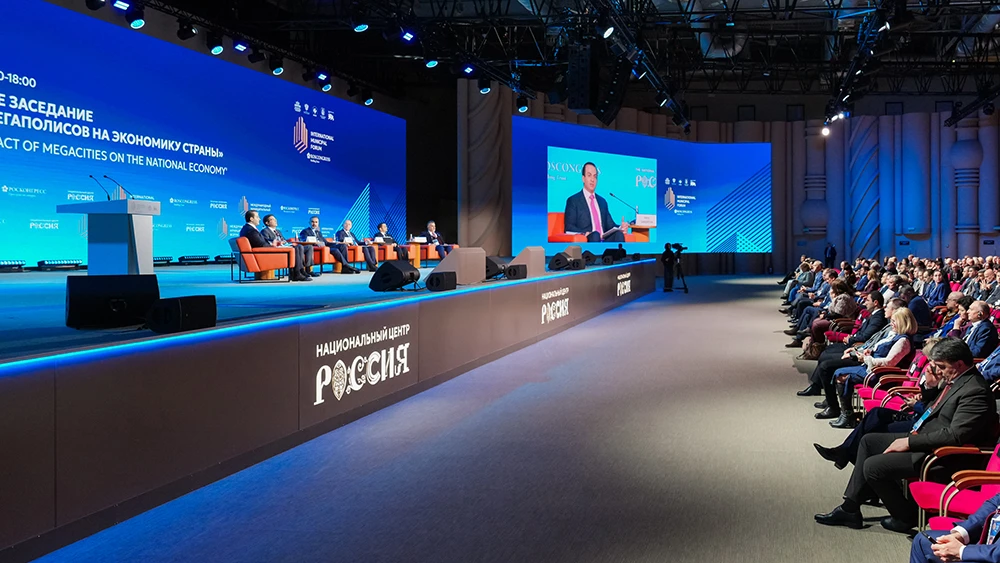
Yury Shalabayev, Mayor of Nizhny Novgorod, agreed that there was no universal answer to the challenges of our time. However, he said, a number of well-established tools had already proved effective.
"One example is integrated territorial development, which is widely used in our country, particularly in big cities. As we develop residential and commercial infrastructure, we identify where schools, kindergartens and healthcare facilities need to be built, and where new parks and public gardens should be laid out. This helps ensure that cities remain comfortable places to live as they grow. Another tool is communication with residents. To spend public funds effectively on infrastructure development, we need to understand where they should be directed, and no one has yet come up with a better way of finding out than asking the residents themselves. The third important tool is cooperation between municipalities and regions. We are ready to share our expertise and resources where we have them, but this must be a two-way process: in return, we want to gain access to what we lack. These three tools are the most obvious ones, but there are, of course, many more," Yury Shalabayev said.
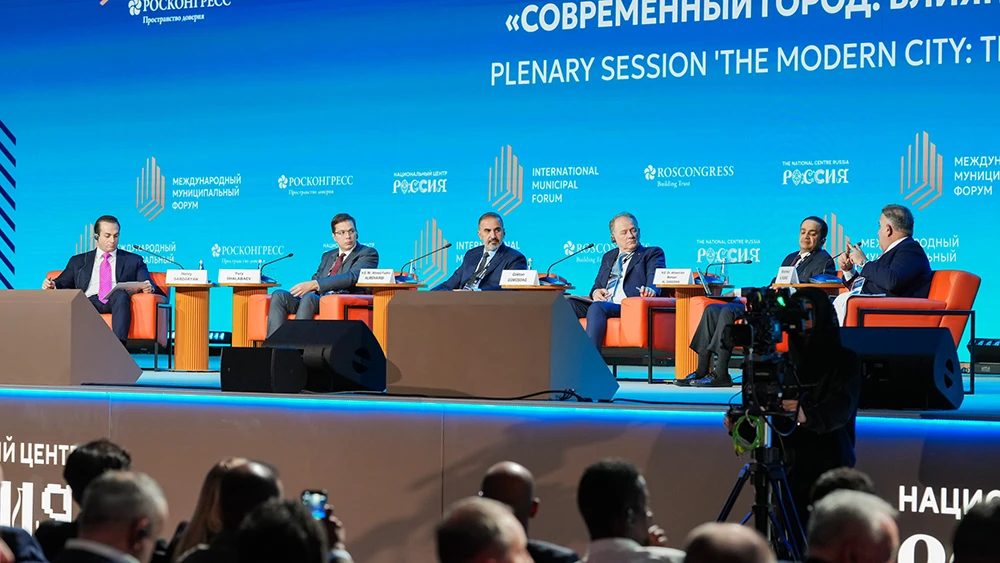
Mohammed Al-Rubai, representative of the Mayor of Baghdad and Director General of the Department of Relations and Media (at the Mayoralty of Baghdad), shared the city's experience of transformation. He emphasised that, as a civilisation centre with a history spanning many centuries, Baghdad had faced numerous challenges over the years. Despite the difficult political and economic circumstances of the past 25 years, the city had continued to strive for development. Today, he noted, there had been significant positive changes towards restoring Baghdad's status as one of the most comfortable and modern cities in Iraq and the Middle East as a whole.
Gökhan Gümüşdağ, President (First Deputy Chairman) of the Istanbul Metropolitan Municipal Assembly, spoke about Istanbul's development as a major centre of attraction. He said that the municipality's main task was to ensure that the city's growth contributed to progress rather than creating additional obstacles to achieving a balance between the needs of residents, businesses and the city as a whole.
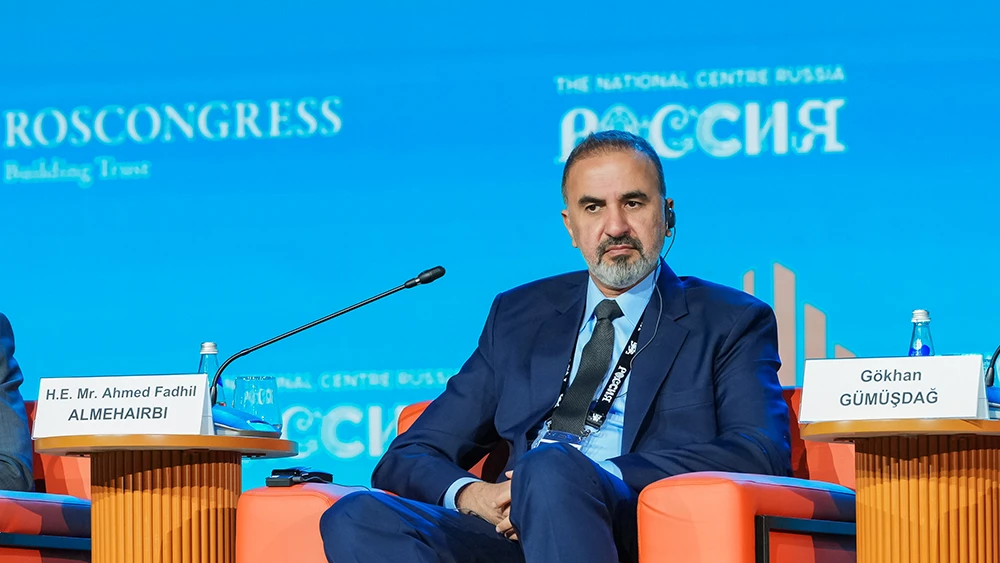
"The authorities in Istanbul are working to make comfort and convenience accessible to everyone. For example, we are extending the metro to outlying districts and planning where shops and shopping centres should be located. We also take into account the importance of tourist flows. Around 20 million tourists visit Istanbul every year — not Turkey as a whole, but Istanbul itself. Of course, we have a certain advantage in this respect: our historical legacy. All we need to do is make it accessible to everyone," Gökhan Gümüşdağ said.
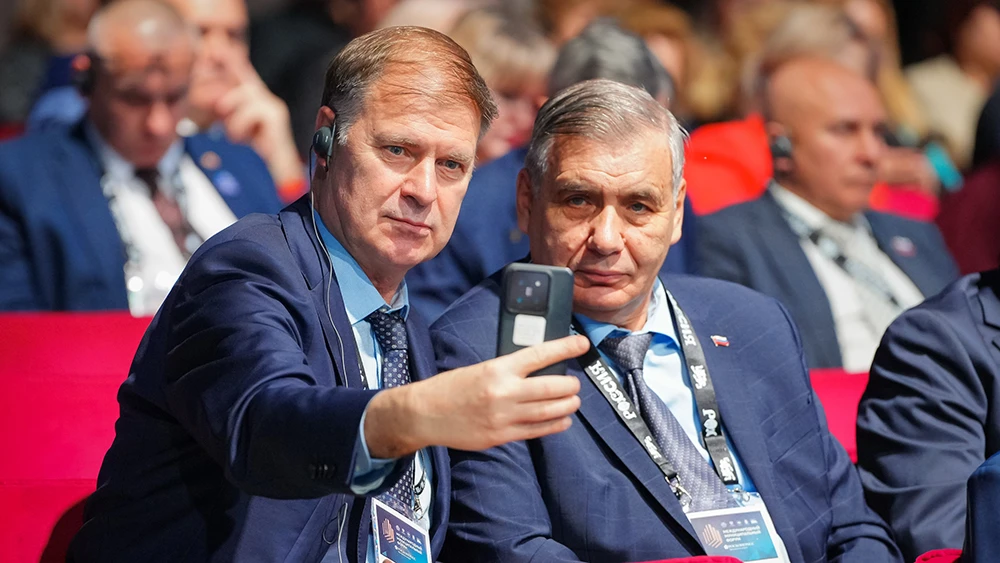
The discussion of tourism continued with Ahmet Mohsin Al-Ghassani, Chairman of Dhofar Municipality in Oman. He shared the region's distinctive experience of managing a city in the face of Oman's particular climatic conditions and stressed that the main challenge for local authorities was to strike the right balance between attracting tourists, ensuring the comfort of local residents and protecting the natural environment. He explained that the monsoon season, known as Khareef, transforms the region into the "jungle of the Arabian Peninsula", causing Dhofar's population to triple for several months. The sharp influx of visitors, most of whom travel by car, places enormous pressure on infrastructure and the environment. This requires the municipality to learn how to scale up urban resources several times over and then reduce them again once the season ends.
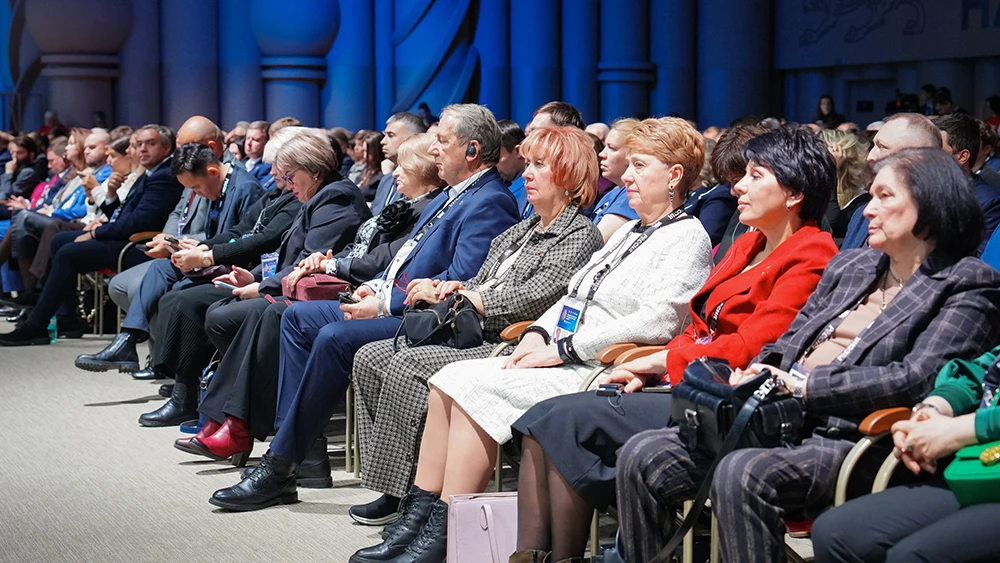
Ahmed Fadhel Almehairbi, Director General of Abu Dhabi Municipality, also took part in the discussion.
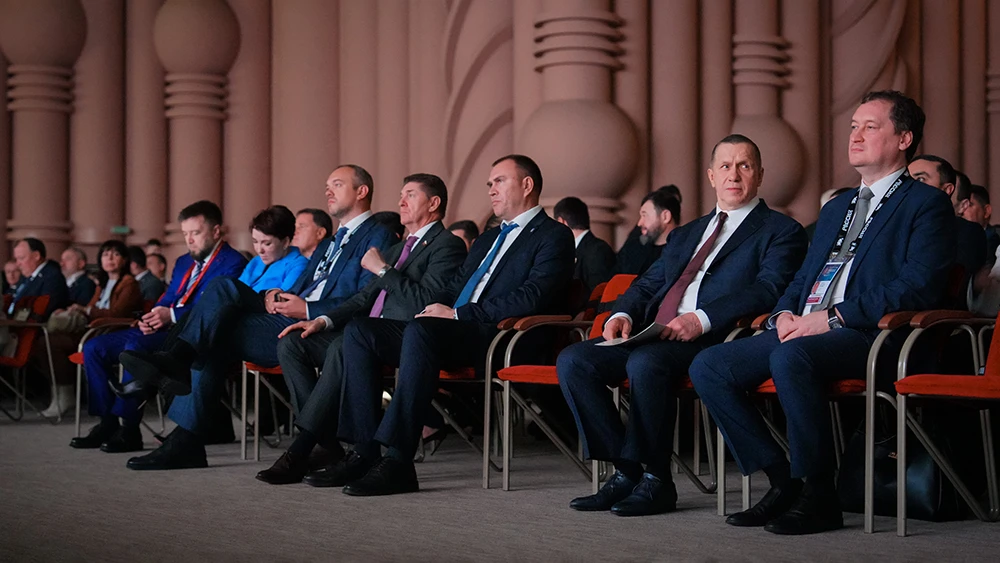
The First International Municipal Forum was held at the National Centre RUSSIA on 23–24 November, bringing together representatives of government authorities and local self-government bodies, leaders of the urban development industry and experts from across Russia and 46 foreign countries. The two-day business programme featured more than 30 events across five thematic tracks: "Economy and Innovation", "Sustainable Municipal Development", "International Relations", "Human Resources" and "Youth Initiatives".
The International Municipal Forum is held annually in accordance with Presidential Decree No. 997 of 29 December 2025 "On the International Municipal Forum". It aims to strengthen business relations between representatives of regional and municipal authorities and entrepreneurs from Russia and other countries. The Forum is organised by the Roscongress Foundation, with the All-Russian Association for the Development of Local Self-Government as co-organiser. It is held with the support of the Government of the Russian Federation. The Government of Moscow is the Forum's general partner.
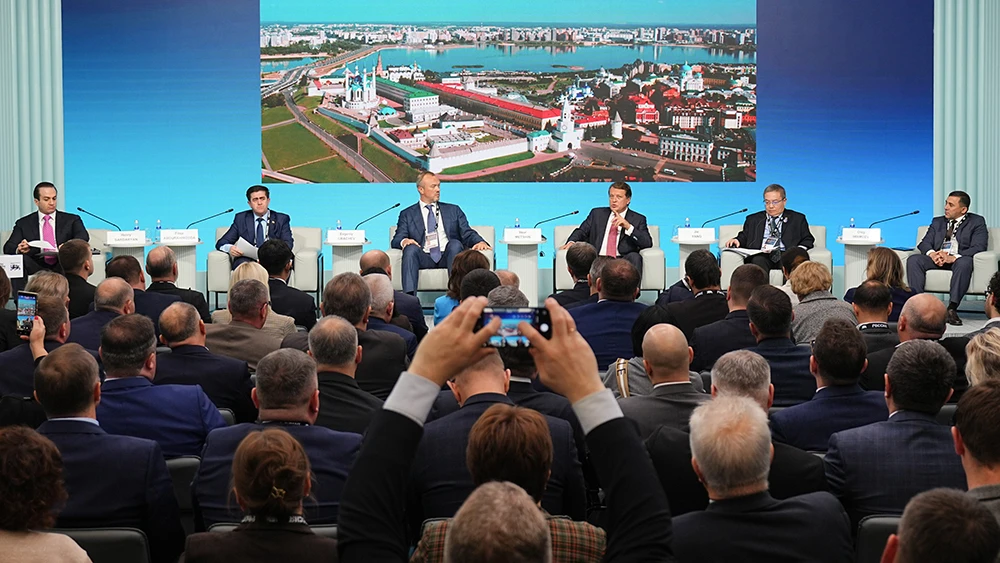
In a multipolar world, international ties are increasingly being developed at the level of cities and regions.
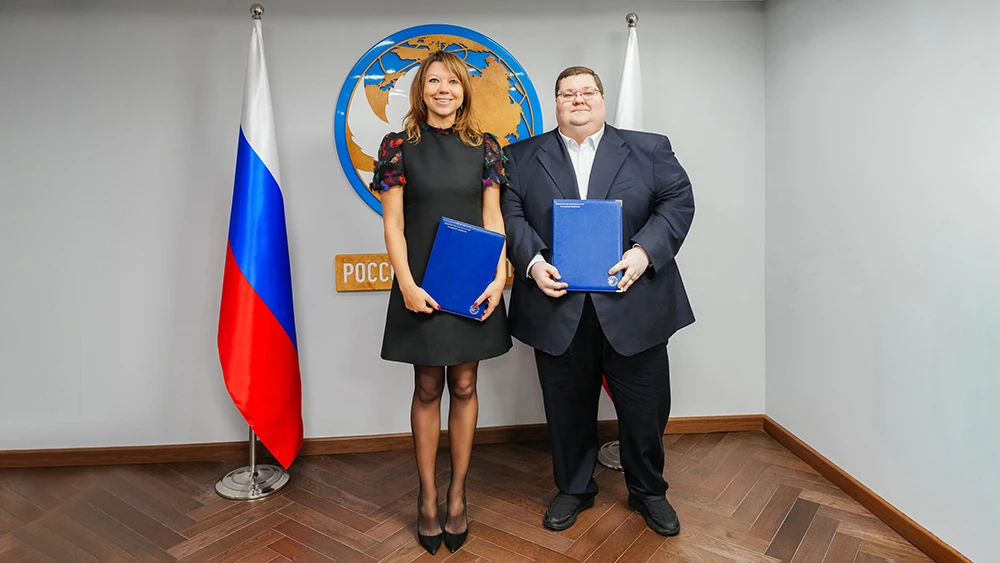
The agreement opens up new opportunities for joint projects in Russia and abroad, as well as for the exchange of professional expertise and the development of information partnerships.
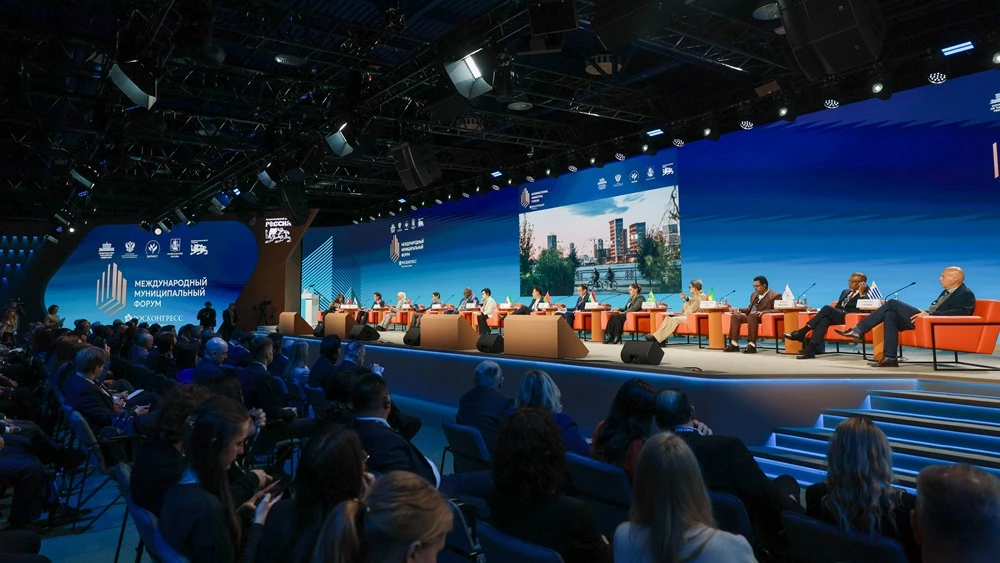
Participants discussed which objectives on the agenda have already been achieved and need to be reconsidered, and which require even greater efforts to improve people's quality of life.


