

Motherland is service: the National Centre RUSSIA discusses the role of professional work in the country’s development
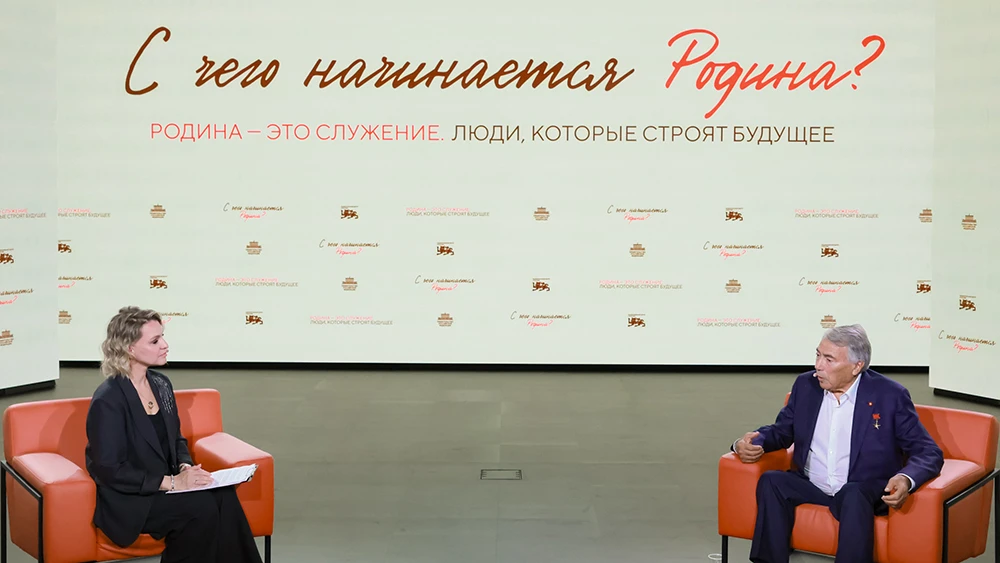
Working in
construction, utilities and the development of modern technologies for the
industry means serving the country and its people. This was the theme of the
meeting "Motherland Is Service. People Who Build the Future", held on
22 October at the National Centre RUSSIA as part of the All-Russian project
"What Does the Motherland Begin With". Representatives of the
construction industry discussed personal responsibility for results, the
continuity of professional traditions and opportunities for a new generation of
specialists.
The
discussion of service through professional work was opened by Yefim Basin,
Chairman of the Russian Chamber of Commerce and Industry's Committee on
Entrepreneurship in Construction, Hero of Socialist Labour, Honoured Builder of
the Russian Federation and holder of all four classes of the Order "For
Merit to the Fatherland".
"I am
delighted to meet young people who have begun to take an interest in
construction, architecture, the industry and this creative profession. A
builder is someone who makes people's lives easier and creates a comfortable
environment. There is a saying: 'God created the Earth, and builders created
everything else.' So you are on the right path," said Yefim Basin.
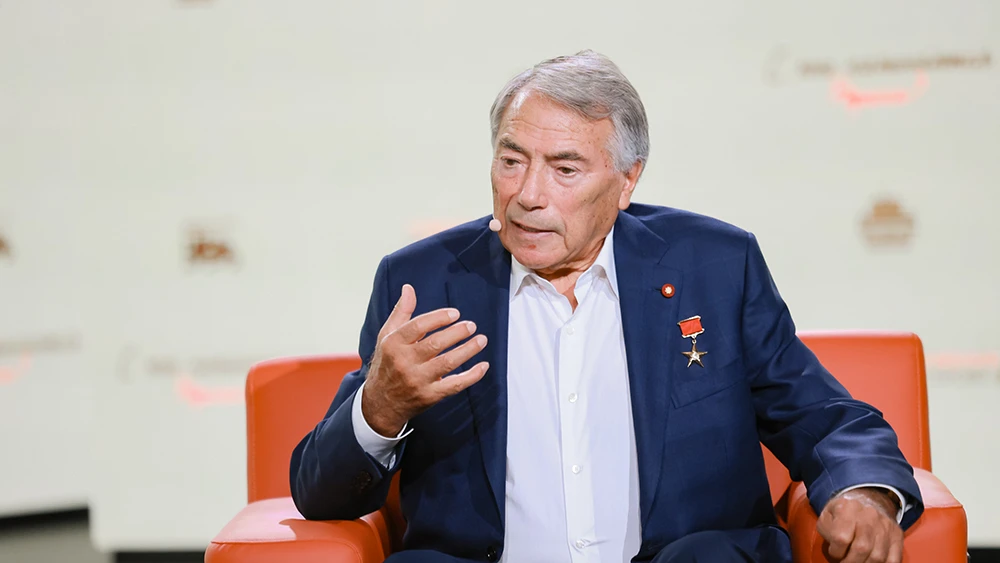
He shared that his family has a tradition of working in construction. His wife, son, daughter and grandson all work in the industry, and he hopes his great-grandchildren will follow the same path. He himself entered the profession entirely by chance, and his career included working on the Baikal-Amur Mainline.
"Imagine
the scale of the Baikal-Amur Mainline. Builders moved 570 million cubic metres
of earth to construct the BAM's trackbed. If you imagine the globe and its
equator, and build a belt of earth nine metres wide and one and a half metres
high around it, that is exactly how much it would take. The equator is 40,000
kilometres long. We built 2,200 bridges and eight tunnels, the longest of which
is the Severomuysky Tunnel, at 15.3 kilometres. It was an enormous challenge: a
seismic intensity of 10 and inflows of hot water at temperatures above 40
degrees. It is a technically complex structure, built under extremely difficult
seismic and tectonic conditions, but we did it. We built 60 new settlements
from scratch in untouched taiga and on permafrost. Around 100,000 people worked
on the construction at the same time. These remote construction projects build
character and broaden people's horizons," the Honoured Builder of the
Russian Federation continued.
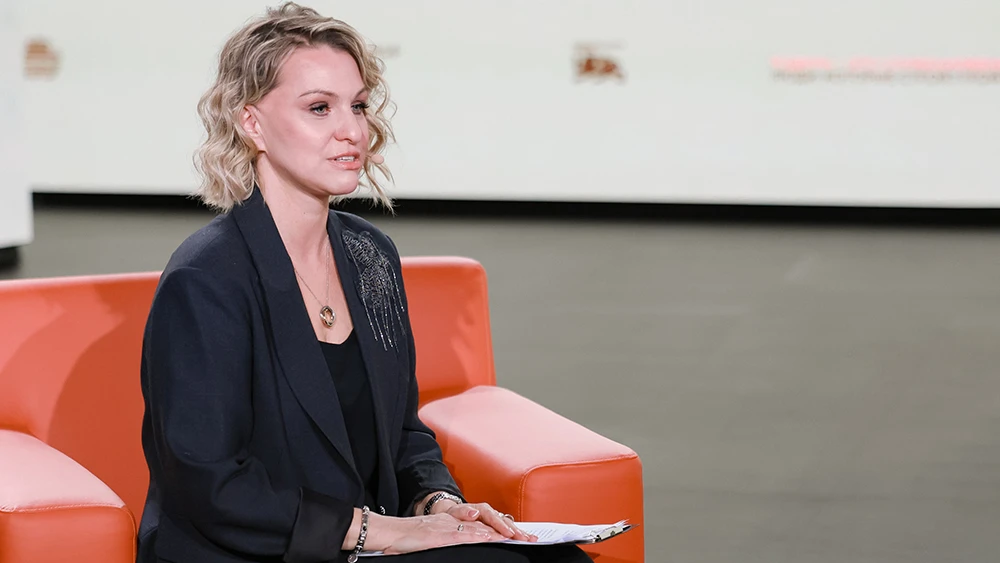
Yefim Basin offered the younger generation advice on choosing their path and achieving success. He said it was important to decide on a professional direction, be prepared to work and take risks, and keep learning throughout life. The builder particularly emphasised that a degree alone is not enough: technologies evolve, so specialists need to update their skills regularly.
"Do
not be afraid to go to remote areas. Our country faces enormous tasks:
developing the Far East and the Arctic. There is so much still to build there!
You will make friends, broaden your horizons, learn to solve problems and build
a career. Do not be afraid to take on new roles: if you are offered one, accept
it, or take the initiative yourself. Keep moving forward, do not be afraid to
take risks and shoulder responsibility — it will all pay off," Yefim Basin
emphasised.
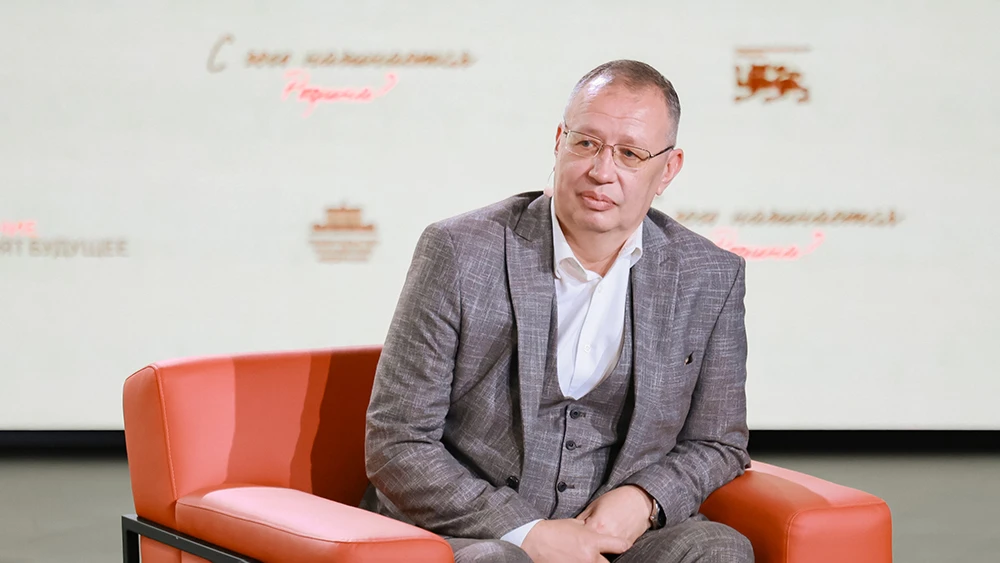
Anatoly Kurmanov, Chairman of the Expert Council and First Deputy Director of ANO "Smart City Competence Centre", continued the discussion of young people's contribution to the country's development. The conversation focused on digital solutions, urban projects and community initiatives that help make places more comfortable for residents.
"A
smart city is welcoming, convenient, caring and, of course, safe. Technology
must serve a practical purpose here. We never get together and say: 'A new
language model has come out — where could we use it?' No, that is absolutely
not how it works. We know exactly why we need technology. After all, we live in
these cities ourselves. We know what the problems are and try to solve them,
including through digital tools," Anatoly Kurmanov explained.
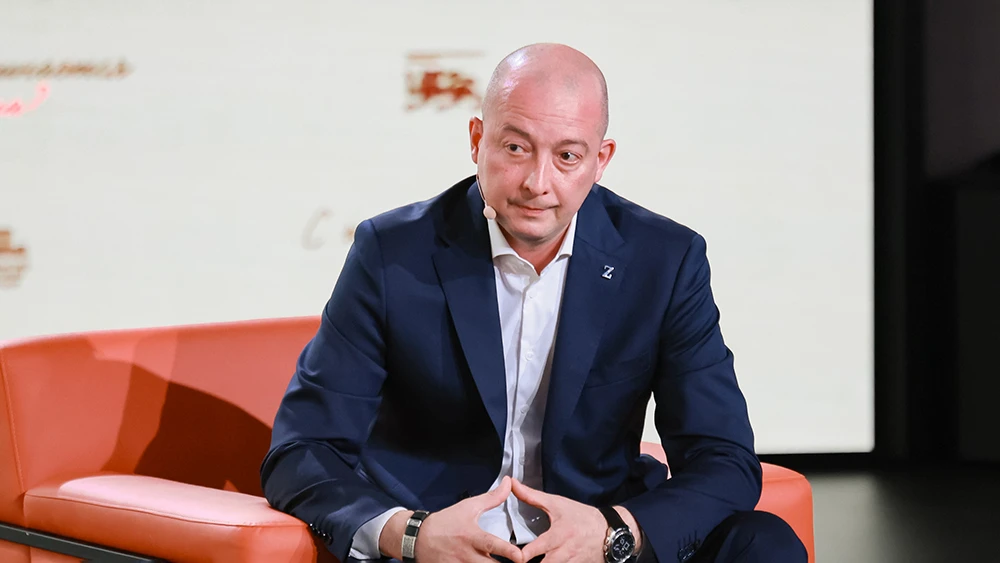
Alongside modern technologies, people's comfort in every home also depends on the work of utilities staff. Professional responsibility was discussed at the meeting with Alexei Bondarev, Director of the Strategic Projects Department of the Ministry of Construction, Housing and Utilities of the Russian Federation and a participant in the special military operation.
"For
me, the housing and utilities sector is small-scale energy. It is the
engineering infrastructure of cities. It provides the essentials we all take
for granted: heating, electricity, hot and cold water, and sewerage. For the
autumn and winter heating season, we prepare very carefully for winter. We hold
weekly coordination meetings on preparations. And when winter arrives, we
monitor the situation around the clock," Alexei Bondarev emphasised.
The Director
of the Strategic Projects Department of the Russian Ministry of Construction
shared his career story with the audience. He said he had started as a Category
II engineer in a capital construction department and risen to Deputy Director
of a energy company company within nine years. Alexei Bondarev emphasised that both
in his early years as a specialist and later as a manager, he was prepared to
work "24/7". Dedication to a profession and a sincere love for it are
among the secrets of success for anyone starting their career.
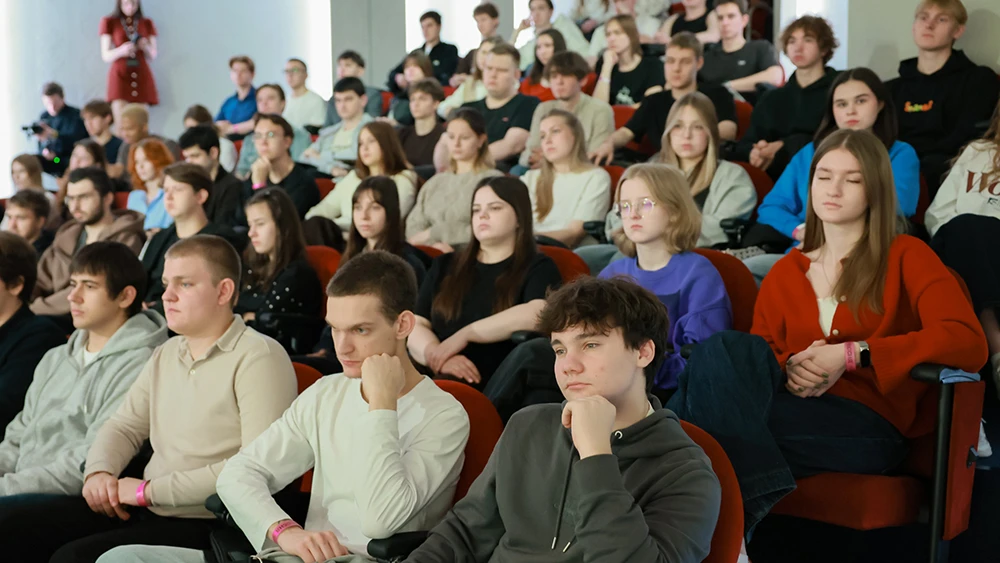
The meeting at the National Centre RUSSIA was entitled "Motherland Is Service. People Who Build the Future". Each speaker was invited to complete the sentence "For me, Motherland is service because…". Alexei Bondarev shared his perspective: "For me, service is first and foremost about serving people: improving quality of life, reducing failures in utility networks, improving reliability and upgrading residential courtyards."
"Motherland
Is Service" is part of the National Centre RUSSIA's original project
"What Does the Motherland Begin With". The series of events comprises
several stages involving representatives of the Russian Government, heads of
federal executive bodies, regional heads and opinion leaders.