


The secrets of fairy tales revealed at the National Centre RUSSIA
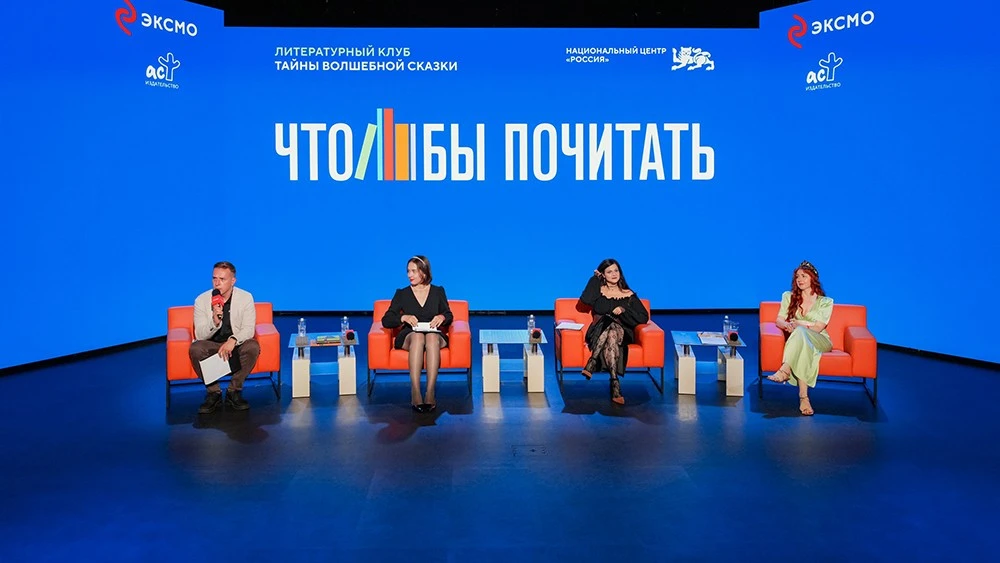
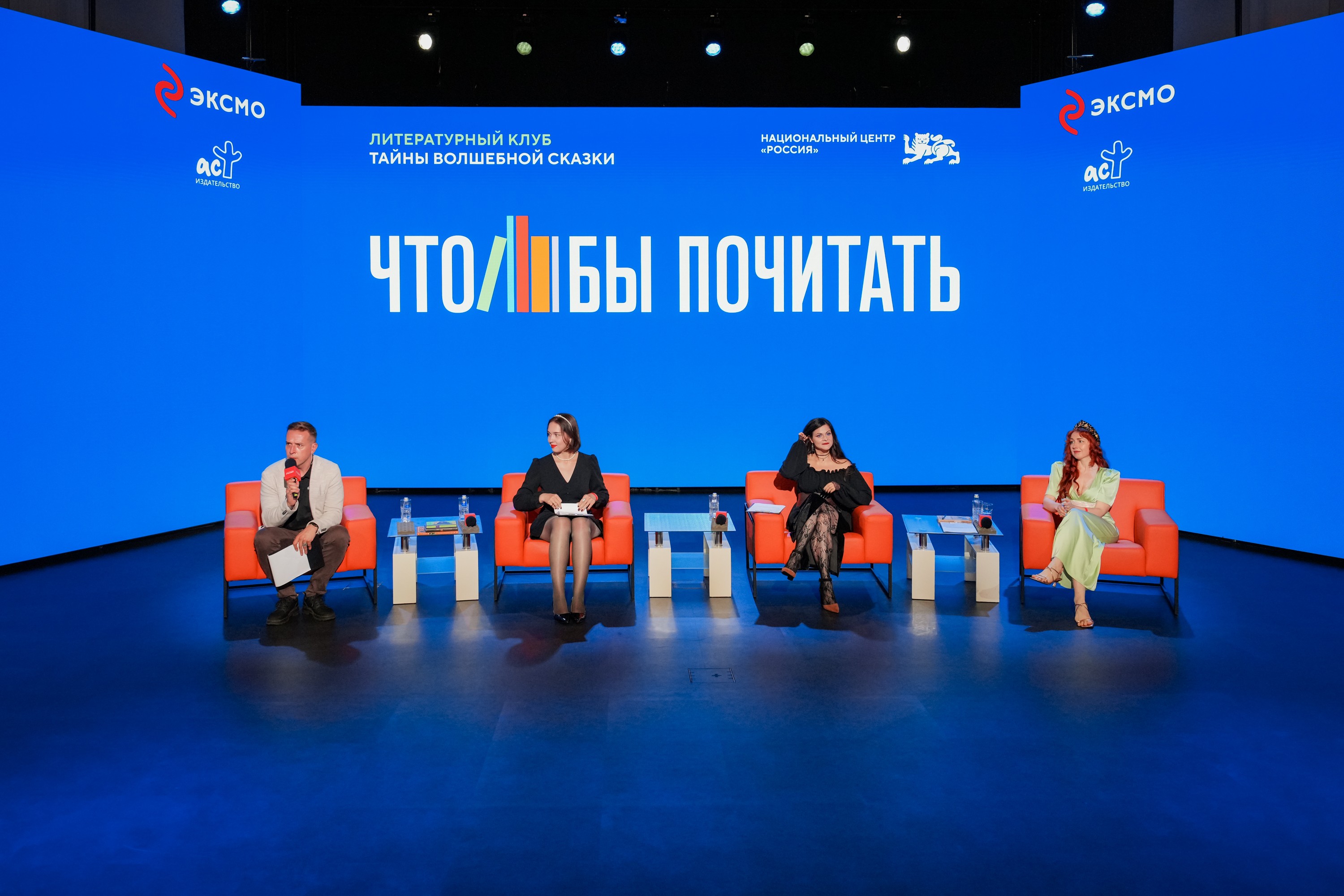
Why do modern day readers interpret fairy-tale symbols differently? Why do heroes need the dead water? And why is Baba Yaga not always a villain, but sometimes a guide between worlds? These questions were explored on 16 July at the National Centre RUSSIA during a meeting of the literary club "What to Read?". The event, entitled "The Mysteries of Fairy Tales", brought together philologists, writers and literary bloggers to discuss the hidden meanings of folk tales and explore how Slavic folklore has become one of the leading trends in contemporary fantasy.
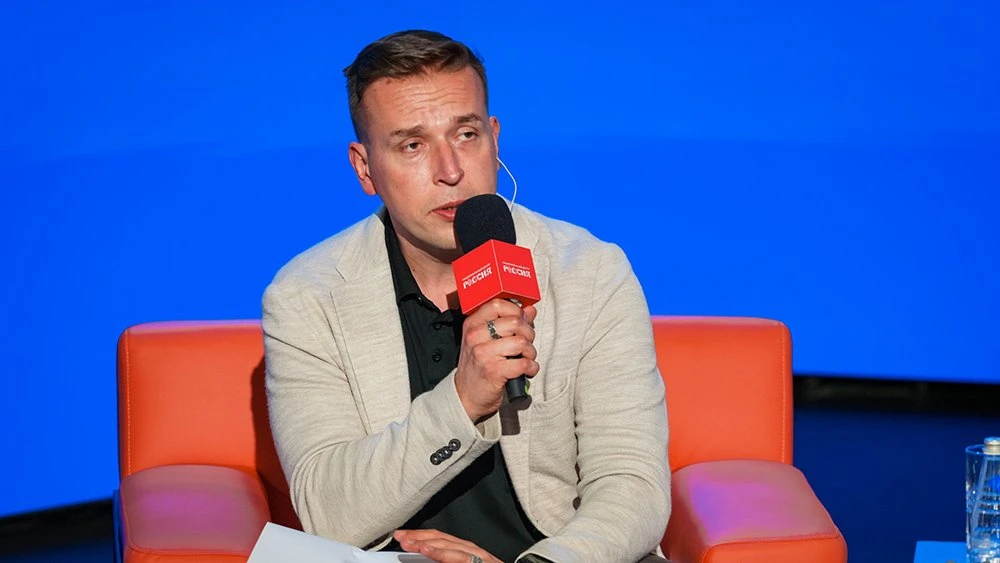
"Myths are generally connected to a particular people, its religion and understanding of the world. Fairy tales work differently: the same story can be found among many different peoples, changing only in its details and adapting to local culture. That is why fairy tales remind us that we have far more in common than what divides us," said the event's moderator, philologist and cultural historian Nikolai Zharinov.
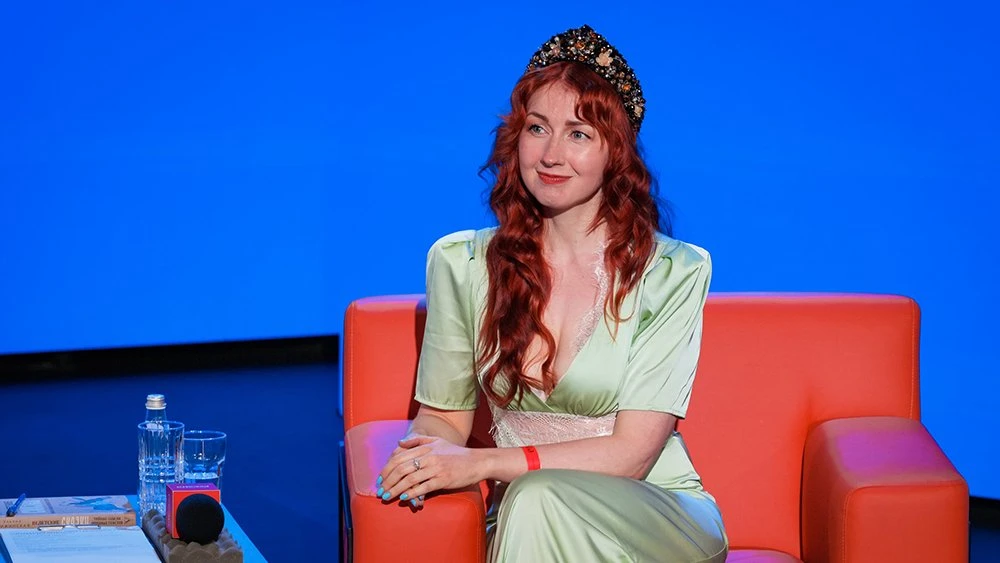
Philologist, writer, researcher of the hidden meanings of fairy tales and presenter of the radio programme "The Reverse Side of Fairy Tales" on Silver Rain radio, Ulyana Nizhinskaya, noted that fairy tales as children's literature emerged relatively recently, in the eighteenth and nineteenth centuries. According to her, this was when Europe first began to view childhood as a distinct stage of life.
"It was also during this period that folklorists such as the Brothers Grimm and, in Russia, Alexander Afanasyev began collecting and recording folk tales. Later, educators, including Konstantin Ushinsky, adapted them for children by removing scenes of cruelty and religious themes."
The speakers explored the hidden meanings behind stories familiar since childhood. They explained why many fairy tales were originally intended not for children but for adults, and how they encoded ideas about the world, death, coming of age and social hierarchy.
"Fairy tales are not simply stories — they should be understood as a cultural code. These ancient narratives contain people's ideas about the world, good and evil, work and justice. Through fairy tales we can see which moral values mattered to society, who was regarded as a hero and which patterns of behaviour were considered exemplary," explained Asya Zanegina, literary scholar, historian of philosophy and lecturer at the Department of Literary History and Journalism at the A. S. Griboyedov Moscow University.

According to her, fairy tales reflect the worldview of the societies that created them. Their worlds are divided into the safe and the dangerous, the familiar and the unknown, while heroes undergo trials and are rewarded for courage, diligence and remaining true to their principles. Fairy tales also preserve the images of cultural heroes from different eras — such as the soldier who invariably defeats evil spirits through wit and resourcefulness. This is why the genre remains an important source for understanding traditions, values and cultural legacy.
Participants also discussed the classic structure of the fairy tale, as described by the renowned folklorist Vladimir Propp: the opening, the prohibition, the trial, the helpers and the reward.
"Vladimir Propp succeeded in systematising the fairy tale. He demonstrated that it is built on recurring archetypal roles — the hero, the villain, the helpers — and on a sequence of functions repeated from one story to another. Remarkably, this structure has proved universal and continues to shape not only fairy tales but also modern literature and cinema," said Asya Zanegina.
During the discussion, experts examined fairy-tale characters and symbols, exploring Koschei the Deathless' world, answering the question of why heroes need magical objects such as the egg, the needle, the ball of thread and the seven-league boots. Guests learned about Baba Yaga as the guardian of the boundary between worlds, discovered why her hut stands on chicken legs, and explored how the themes of death and rebirth are reflected in the images of the Water of Death and the Water of Life. The experts also discussed fairy-tale symbols that are often misunderstood today.

"Modern readers often interpret the symbols in fairy tales literally, although they actually carry much deeper meanings. For example, the magical ball of thread appears for a reason — it serves as the hero's guide on their journey," said literary blogger and writer Irina Skugar.
Ulyana Nizhinskaya added that many familiar fairy-tale images have ancient symbolic meanings. According to her, rivers often represent the boundary between the world of the living and the world of the dead, much like the River Styx in Greek mythology, while symbols such as Kalinov Bridge and the River of Fire reflect ancient beliefs about the passage between worlds. This, the experts agreed, explains why fairy tales continue to fascinate researchers: beneath their familiar plots lies an entire layer of cultural and mythological meaning.
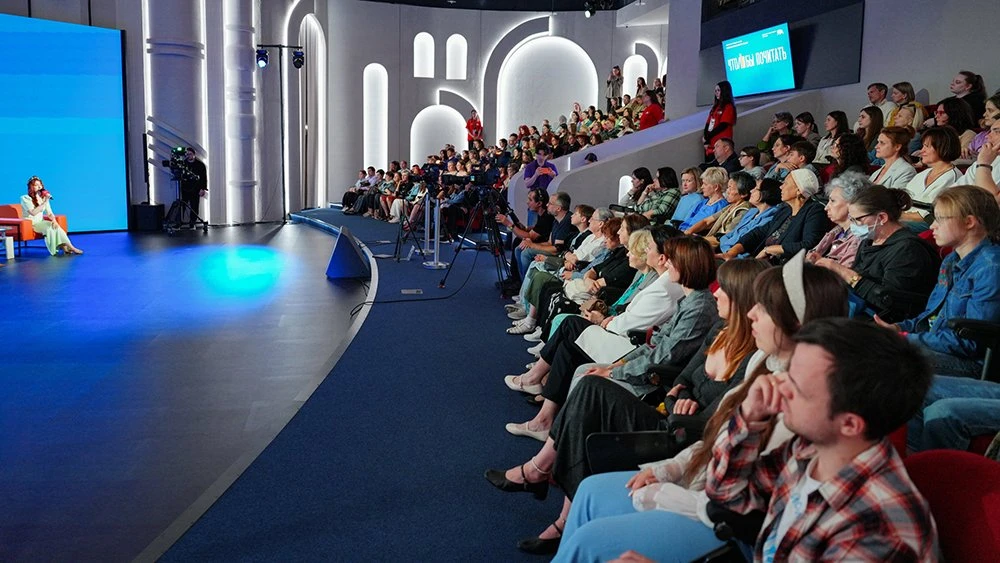
The final part of the discussion focused on folk fantasy, one of the fastest-growing genres in contemporary popular literature. Participants explored how classic folk narratives are reimagined in novels and series about Slavic witches, sorcerers and spirits, and how the roles of heroes, female characters and themes of power and freedom have evolved. Irina Skugar noted that interest in fairy tales and Slavic mythology has become a lasting trend and continues to grow.
"In recent years, Slavic fantasy has become one of the most popular literary genres, particularly in Russia. More and more authors are turning to mythology, reinterpreting traditional stories and creating new narratives inspired by cultural legacy. I am convinced that this interest will only continue to grow. The genre will keep evolving, new works will appear, and even more readers will discover stories that resonate with them," she said.

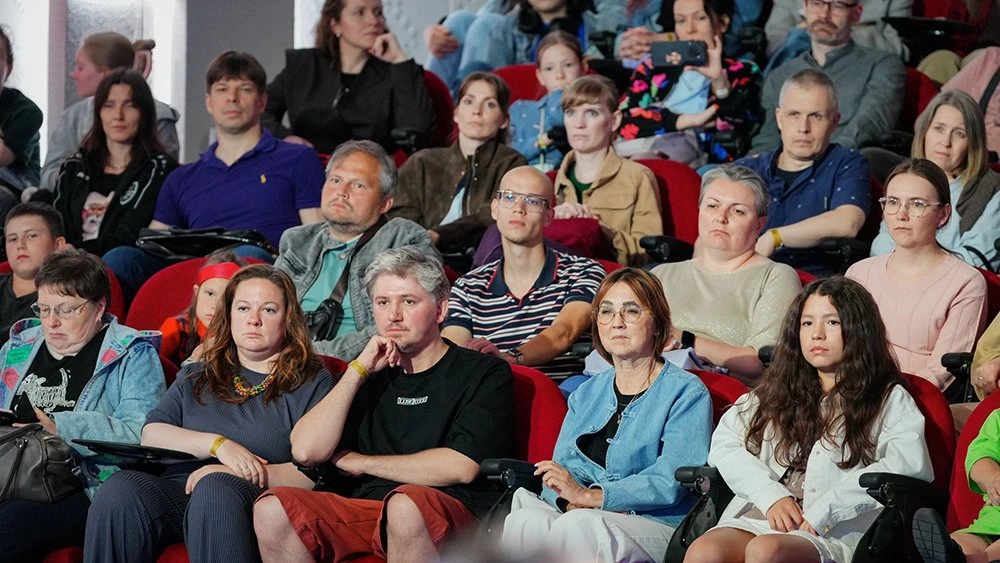
The evening concluded with a question-and-answer session, during which participants asked about the limits of reinterpreting folklore, which folk fantasy books are suitable for teenagers, and how readers can navigate the growing number of new publications. Guests also asked the experts to explain, from the perspective of mythology, the meanings behind such well-known Russian fairy tales as "Kolobok" and "Ryaba the Hen".
The "What to Read?" literary club at the National Centre RUSSIA will continue its programme of events, introducing audiences to current literary trends, broadening their reading horizons and helping them discover new meanings in familiar stories.

On 2 September at 18:30, the National Centre RUSSIA invites visitors to an open recording of a new episode of the "Russia Speaks" podcast.

On 12–13 November, the National Centre RUSSIA will once again become the main meeting place for those thinking about what tomorrow will look like.
Ivan Yefremov's science fiction has long been considered a classic, yet the worlds of the Strugatsky brothers continue to appear on screen far more often. Why is this?


