


Tears, memories and pride: audience members shared their impressions of "Soldiers’ Dreams"
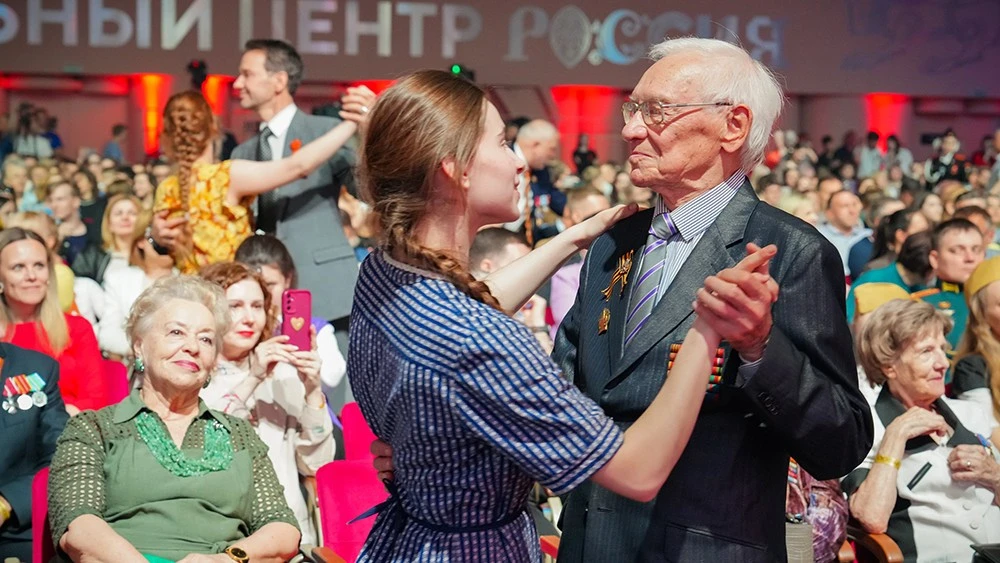
Performances
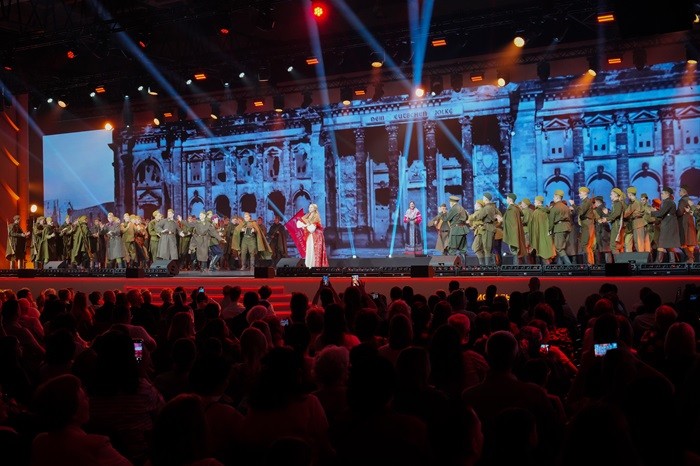
of "Soldiers’ Dreams", timed to coincide with the 81st anniversary of
Victory in the Great Patriotic War, were held at the National Centre RUSSIA.
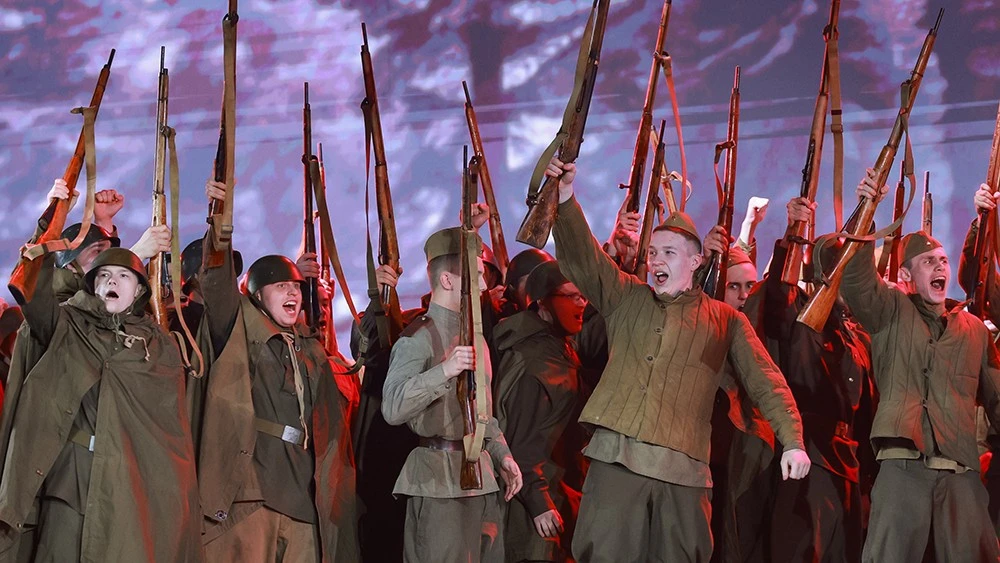
The production is based on wartime chronicles, songs and poems from the war
years and has become one of the largest in the history of the venue: more than
500 participants took part, including choirs and dance groups, drama actors,
children’s ensembles and a large costumed crowd scene. For many audience
members, these evenings became not only an encounter with art, but also an
opportunity to remember family stories and once again realise how close the
theme of the Great Victory is to each of us.
Moscow
resident Vera Viktorovna admitted that the performance touched her especially
deeply, bringing her to tears, because her own family has a frontline story:
"It is a wonderful, moving performance. Very powerful emotions. My father
fought in the war: at the age of 17, he was a signalman and fought against both
the fascists and the Japanese. He came back, but spoke very little about it.
And when you watch productions like this, you understand what they had to go
through, and it is, of course, deeply moving."
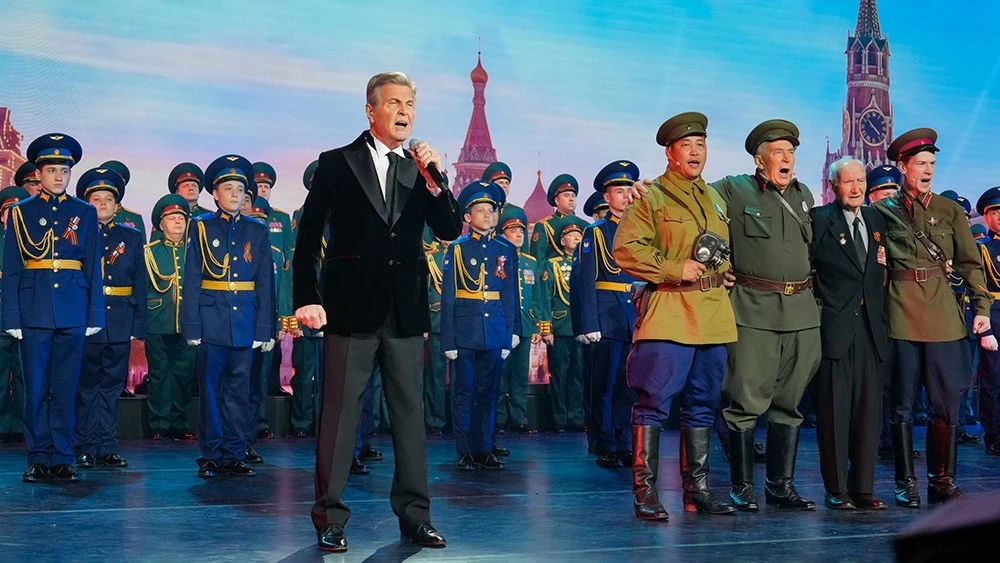
Many
audience members came to "Soldiers’ Dreams" with children and
teenagers, emphasising how important it is to speak about the Great Patriotic
War with the younger generation. Maria Sokolova from Moscow came to the
performance with her school-age daughter: for their family, it became a shared
experience and a conversation about memory.
"Things
like this are very important today — for us adults and for teenagers. We
deliberately bring young people with us to events like this: there is music,
history and real emotion here. The production passed in one breath; I did not
even want to take out my phone and film anything — we simply watched and
enjoyed it," she said.
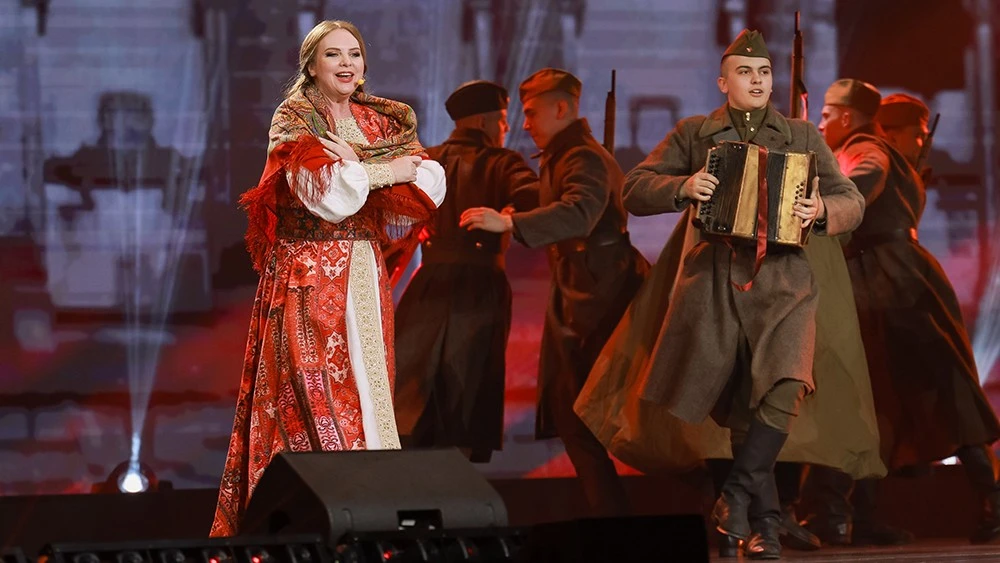
Those who
closely follow theatre and music were also impressed. Capital resident Ilya
Buchnev noted that "Soldiers’ Dreams" left no room for criticism,
while certain numbers were especially memorable. According to him, his son, who
came to the production with him, watched with great attention and was clearly
engaged in what was happening on stage.
"The
performance made a very strong impression, even more than I expected. To be
honest, I am quite a demanding person, but here there was simply nothing to
criticise. I really liked the performance of 'Nightingales' — it was truly
powerful and beautiful. Overall, it is an excellent performance, and the
emotions are overwhelming," he said.
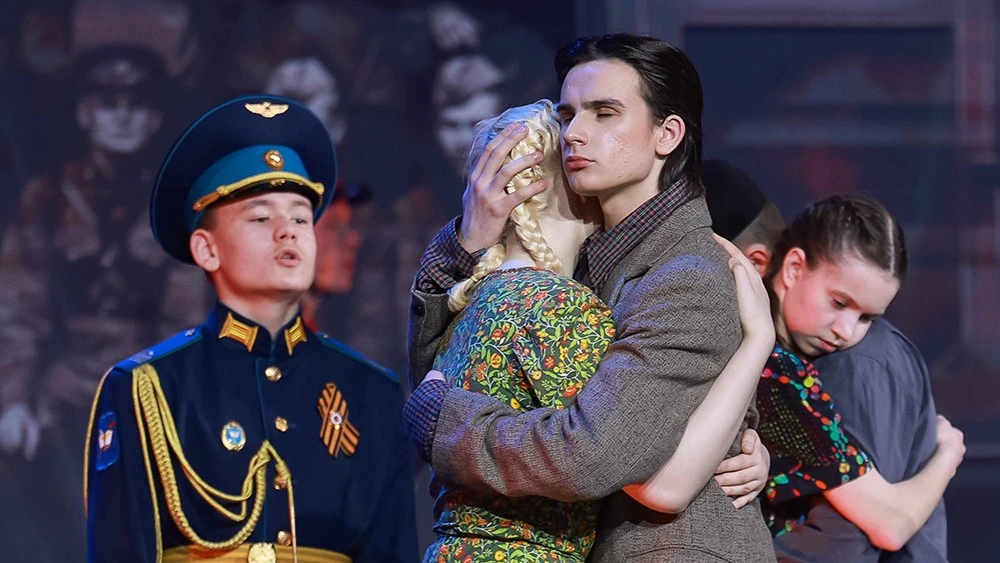
For young
viewers, "Soldiers’ Dreams" became not only an introduction to
wartime songs and scenes, but also a way to look at history in a new way.
Yesenia Perlova from Krasnogorsk, a participant in the "Young Journalists
School" project, admitted that the production made a strong impression on
her and helped connect what she saw on stage with her own family stories.
"During
the performance, everything was truly mesmerising. Our family also has stories
connected with the war: two of my grandfathers fought. One of them, Nikolai,
was a partisan at the age of 14, then went to the front, was wounded and became
a driver, delivering shells. When you watch a performance like this, you begin
to relate to these stories differently," Yesenia noted.
Schoolboy
Viktor Karaulov saw the performance above all as a conversation about peaceful
life, which must be valued and protected. In his impressions, he emphasised
what he said was the main meaning of the production: the need to "fight
for peaceful skies above our heads" and remember the price of Victory. He
was especially impressed by the song "Dark Night", which he called
"very touching and calm".
Another
young guest, Mikhail Lakhov, drew attention to how the performance helps both
children and adults experience the theme of Victory through music and imagery.
He noted that the production "really helps you feel these notes of
Victory", and singled out the number with contemporary artists, which
featured a song about the counteroffensive and the road to Berlin. In
conversation, Misha added that his family also has a frontline story: his
great-grandfather on his father’s side fought in the war.
For many
audience members, it was also important that artists from different generations
came together on the stage of "Soldiers’ Dreams" — from People’s Artists
to popular performers familiar to young people. Moscow resident Marina Seldova,
who came to the performance with her children, particularly noted this
combination of tradition and modernity.
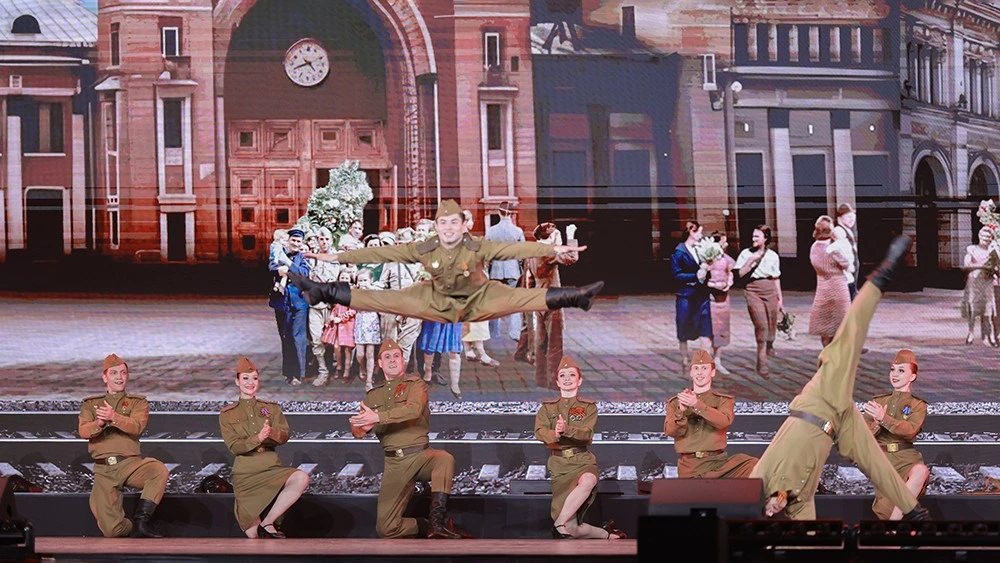
"I really liked that dances of different peoples were
shown — the children saw this with their own eyes. Gzhel dance wonderfully; my son does folk
dancing himself, and we love it very much. We are fans of Khabib and were glad
to see him in such an unusual role. I liked how the actors recited the poems —
everything was very sincere, without falsehood. The performance is not drawn
out; it is easy to watch, but leaves a strong aftertaste. We will definitely
come to the National Centre again," she shared.
On the
stage of the National Centre RUSSIA in the performance "Soldiers’
Dreams" are artists of different generations: Lev Leshchenko, Ilya Reznik,
Sergei Shakurov, Valeria, Yelena Vaenga, Varvara, Klava Koka, Khabib and
others. The legendary songs of the war years are performed both in their
authentic sound and in modern arrangements, allowing young viewers to hear them
in a new way without losing their meaning or respect for the original.
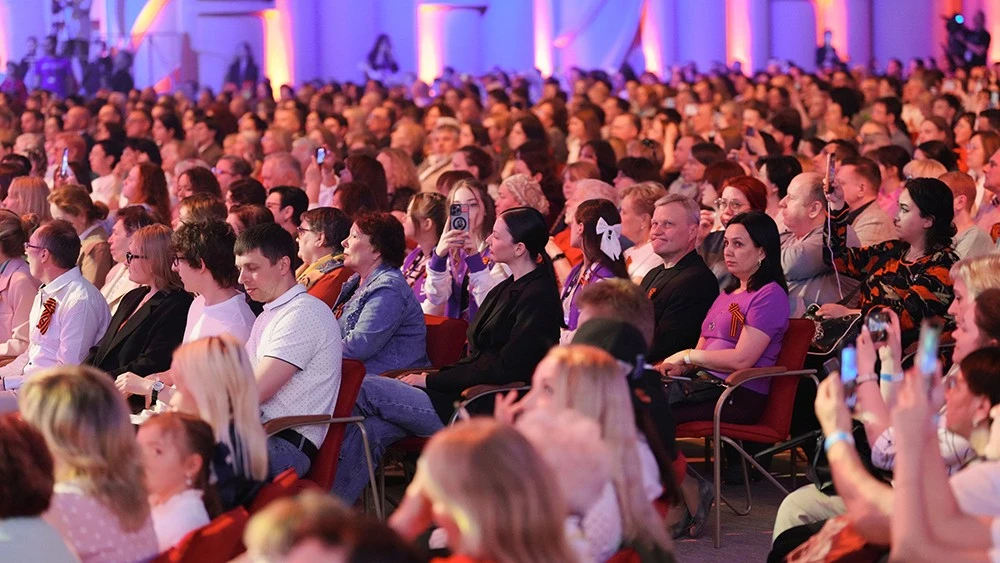
The guests’
reviews show that "Soldiers’ Dreams" became something special and
deeply personal for each of them. A reminder of family history, a reason to
talk with children, and an encounter with the music and poetry of the war
years. But the shared conclusion remains the same for everyone: the production
helps not simply to recall the chronology of events, but to feel a connection with
the generation of Victory and those who defended the country.
Event photobank

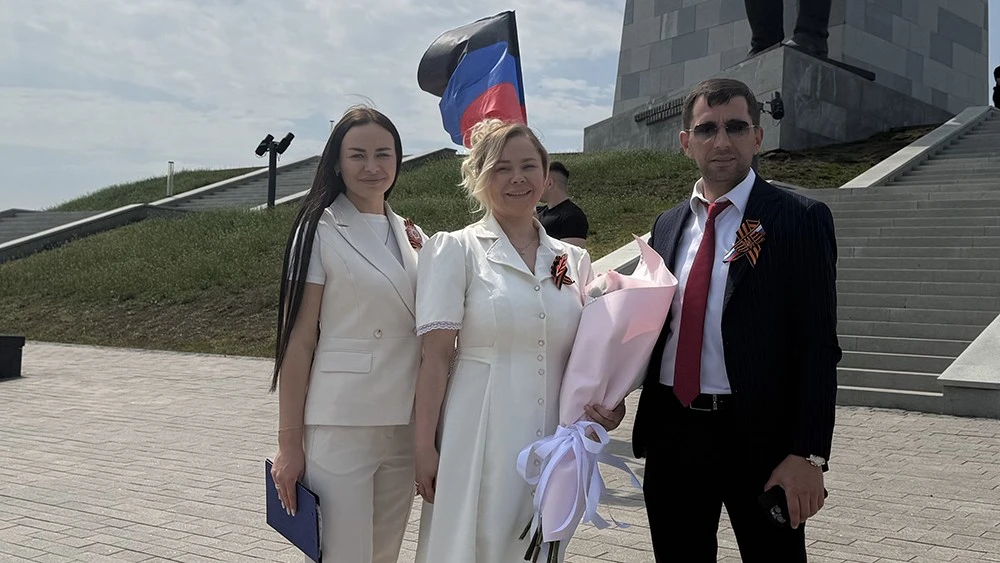
Ahead of the 9 May holiday — Victory Day — Vasily Shcherbakov and Larisa Denisenko from the Donetsk People’s Republic submitted a marriage registration.
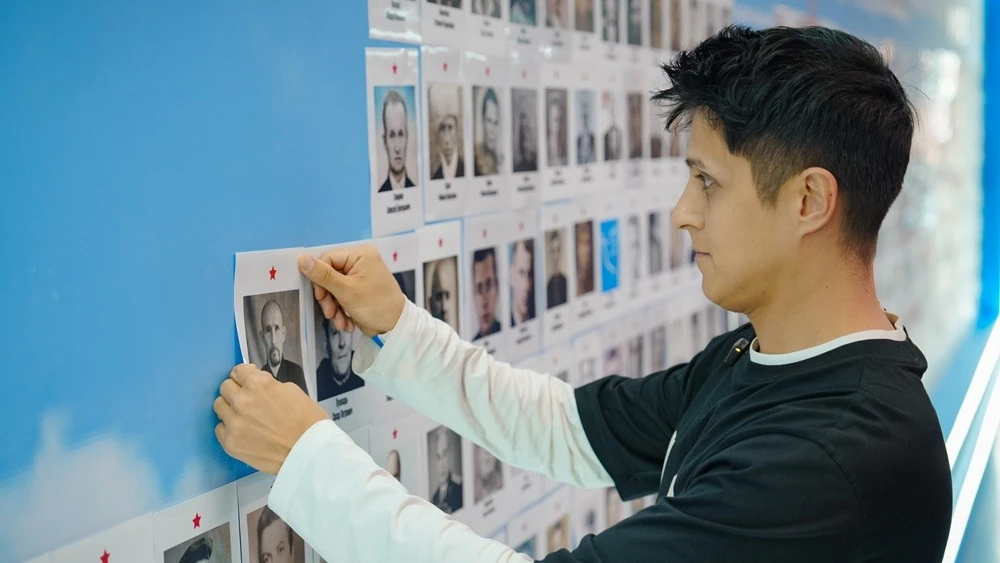
Popular performer Khabib took part in the "Memory Wall" campaign at the National Centre RUSSIA and spoke about his great-grandfather Khabibrakhman Fazliakhmadov.
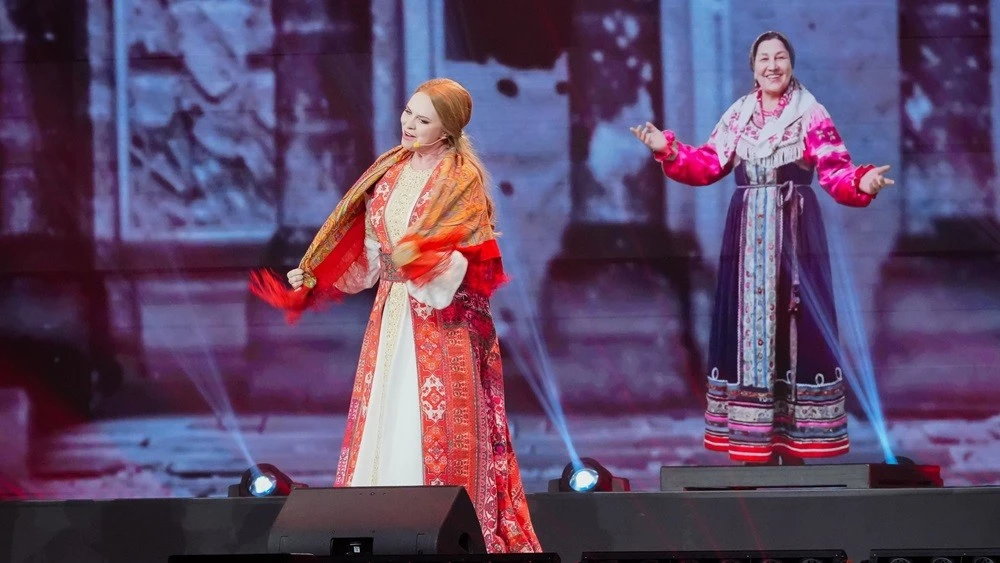
In the production, the song "Valenki" becomes a duet between generations: the voice of 1945 and a modern performance intertwine, creating a sense of a single musical space.


