


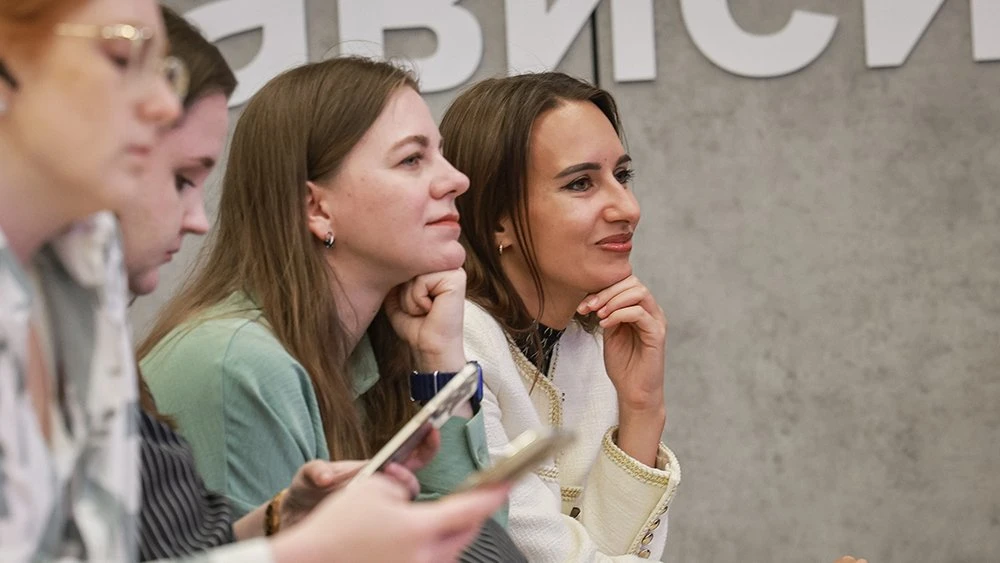
Service, dialogue and social initiatives: the mission of the modern-day deputy discussed at the National Centre RUSSIA
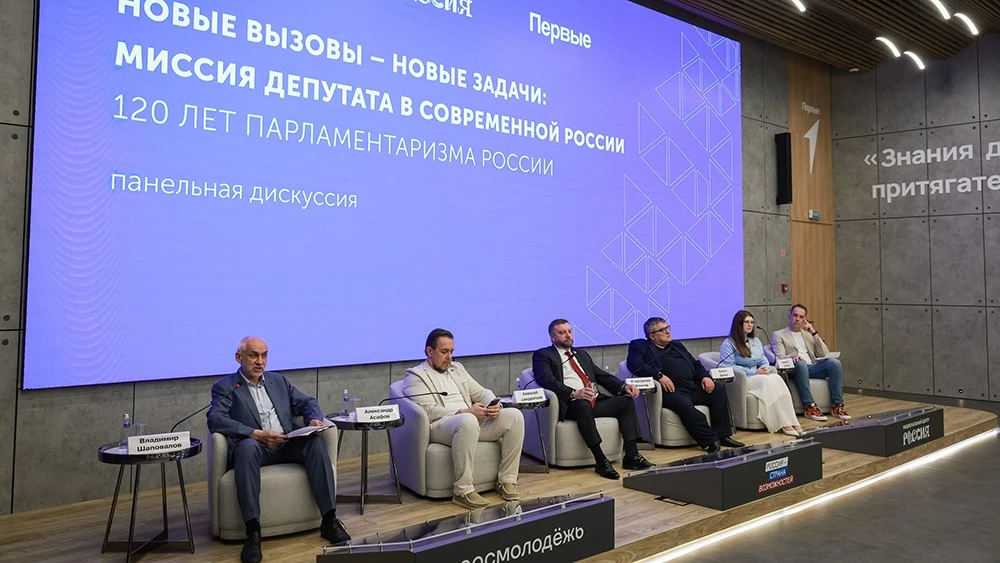
The panel discussion "New Challenges — New Tasks: The
Mission of a Deputy in Modern Russia. 120 Years of Parliamentarism in
Russia", organised by the Expert Institute for Social Research (EISR), was
held at the National Centre RUSSIA on 3 July. Ahead of the upcoming Single
Voting Day and elections to the State Duma, participants discussed how the role
of elected representatives has changed in the current political environment.
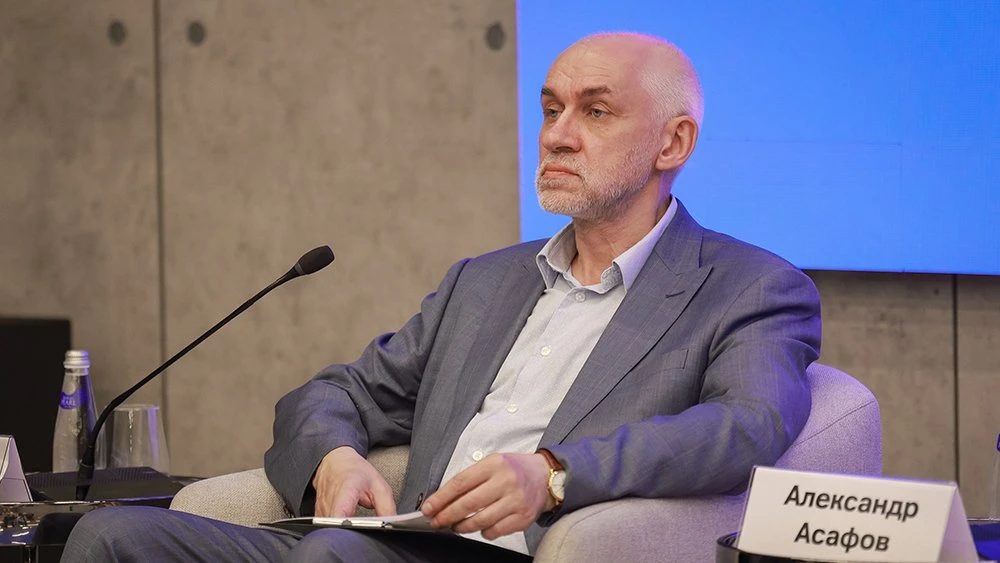
Today, service is becoming the primary function of deputies, noted Vladimir
Shapovalov, Project Director at the EISR Department for Interaction with the
Expert Community: "Russia has developed an ethical understanding of every
person's service to society and the state — soldiers serve the Motherland,
doctors serve patients, and teachers serve pupils. This value is also a key
characteristic of the political class's mission. It is directly linked to the
body of deputies, who devote their lives to carrying out the mandates of voters
and implementing their will in practical politics. It is extremely important to
recognise this ahead of the upcoming elections to the State Duma."
This approach underpins the renewal of the body of deputies. A special role in
this process is given to participants in the special military operation, who
have proved through their actions that they are capable of serving the country
and its people, noted Senator of the Russian Federation Alexei Kondratyev, a
graduate of the first cohort of the "Time of Heroes" programme.
Almost 900 participants in the special military operation have already become
deputies of legislative assemblies in Russian cities and regions. This trend
can also be seen at the federal level: 76 participants in the special military
operation have been included on the United Russia list for the upcoming State
Duma elections.
"The scale of the challenges facing the country amid the special military
operation and enormous economic pressure can hardly be overestimated. In this
sense, the quality of the body of deputies plays an enormous role —
parliamentarians must be true opinion leaders who are capable of leading people
and making difficult decisions. This is precisely what service means — taking
responsibility for the fate of the country, the people and every
individual," Alexei Kondratyev noted.
This transformation affects not only the composition of the body of deputies,
but also the substance of its representatives' work. Parliamentarians at all
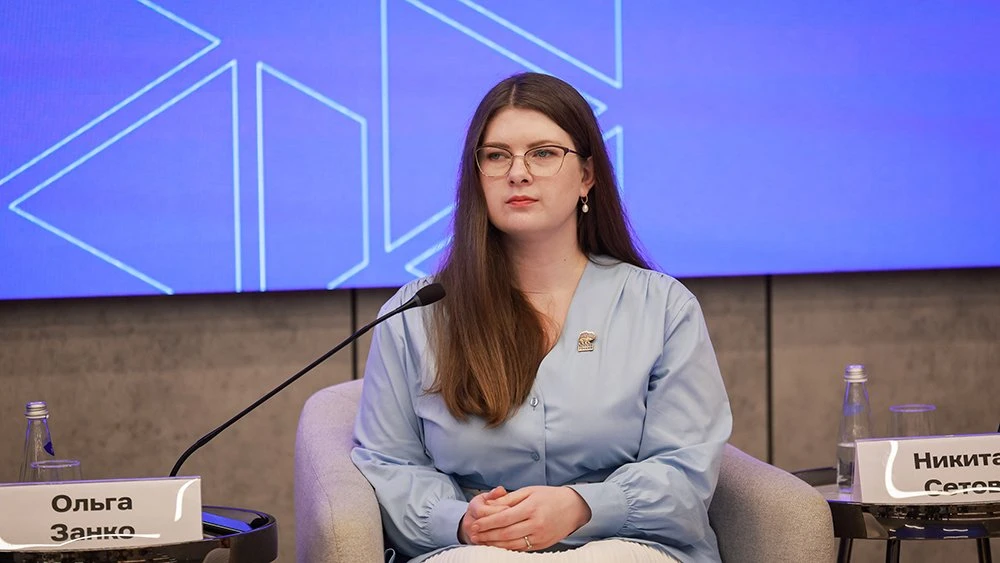
levels are therefore becoming drivers of social change, emphasised Olga Zanko,
Deputy Chair of the State Duma Committee on Civil Society Development and Head
of Victory Volunteers. Interaction with non-profit public organisations,
improving mechanisms of public oversight and involving experts in jointly
addressing social issues are becoming particularly important in their work.
"Today, a deputy is a kind of filter for the truth, especially at a time
when an information war is under way. They become a source of reliable
information for the country's residents. Another aspect of a parliamentarian's
work is the ability to analyse specific requests from citizens and address them
systematically at the federal level. In this respect, interaction with the
non-profit sector is an excellent tool for systemic diagnostics, because NGOs
and volunteers work directly with people on the ground and, perhaps ultimately,
see problems in different areas," Olga Zanko said.
The role of legislative representatives in addressing social issues is growing, so they need to introduce new formats for working with voters, believes Alexander Asafov, a member of the Civic Chamber of the Russian Federation: "The work of deputies has now become significantly more complex — it is multidimensional and multifaceted. It is based on teamwork and serious interdepartmental cooperation. Today, a parliamentarian is not simply someone who routes citizens' requests. They must themselves be an agent of social change. Their task is to analyse people's needs and create large-scale projects that shape a new social fabric."
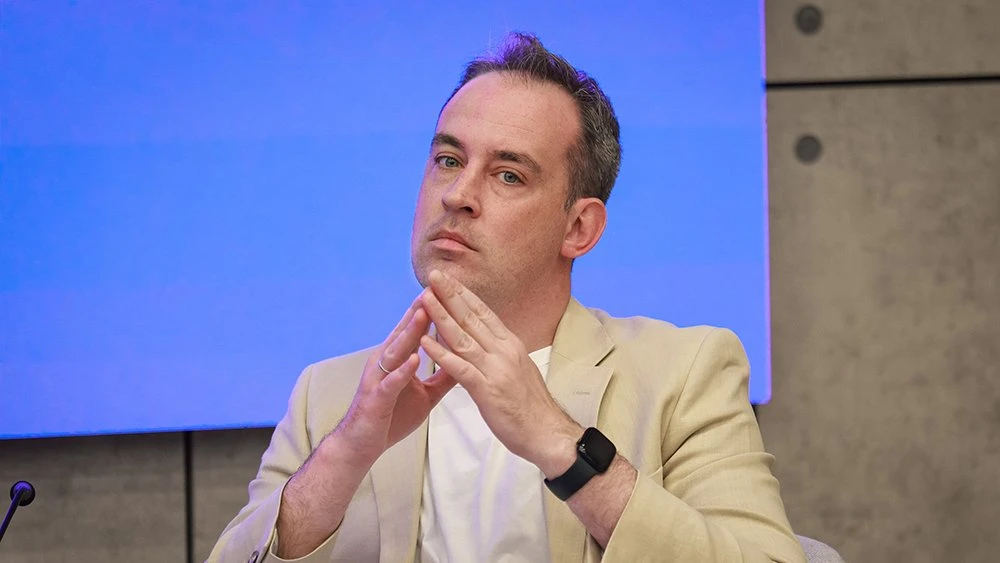
New requirements for interaction with society are also changing the very model of elected representatives' work. In this context, a deputy is now seen as a social architect of reality who acts as a link between society and the authorities, noted Nikita Setov, Deputy Director General for GR at Polylog Consulting Group and an EISR expert.
"Today, voters are a kind of informed client. They want to understand the outlines of the future proposed by deputies. At the same time, social processes are becoming less predictable. In this context, social architecture is becoming an important competence for parliamentarians, enabling them to create projects that shape value-based guidelines, respond to people's needs and solve their problems," Nikita Setov said.
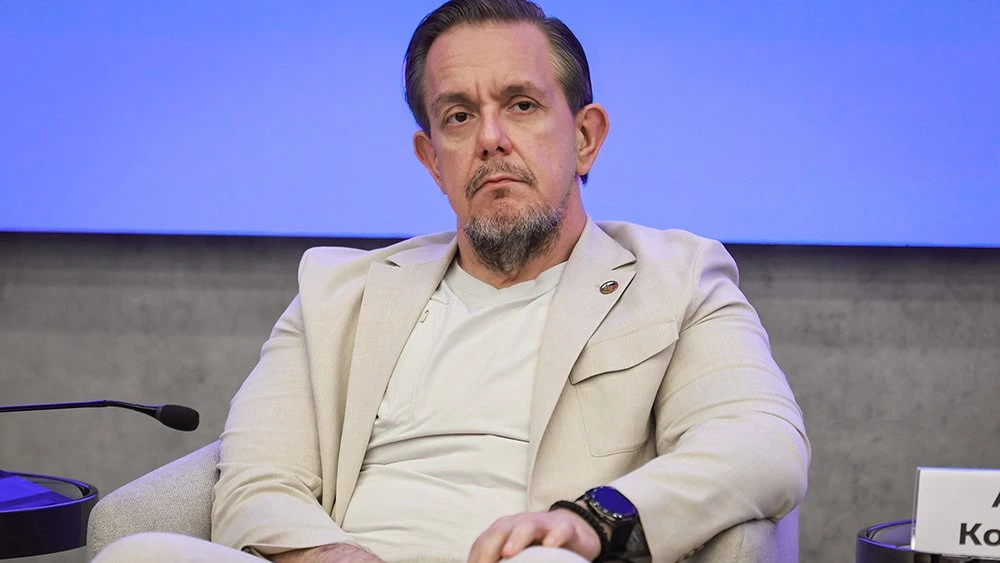
Changes in parliamentarians' work are reflected in every area, from
digitalisation to the implementation of social initiatives, believes Konstantin
Komkov, Deputy Chair of the Kursk Regional Duma.
"Today, the work of deputies requires entirely new approaches. It does not
end after elections — a deputy must constantly interact with people, use modern
tools and take part in addressing specific public issues. The main challenge of
the coming years is to learn to work in a new way: make decisions faster,
interact with society more actively and share the best regional
practices," Konstantin Komkov concluded.
The participants agreed that a modern-day deputy is, first and foremost, a
representative of citizens' interests, an organiser of public dialogue and an
initiator of social change. Amid new challenges, the key principles of their
work are service, constant feedback from people and cooperation with civil
society institutions.


The National Centre RUSSIA has ranked among the top four Russian venues by the number of international events held between 2019 and 2025.
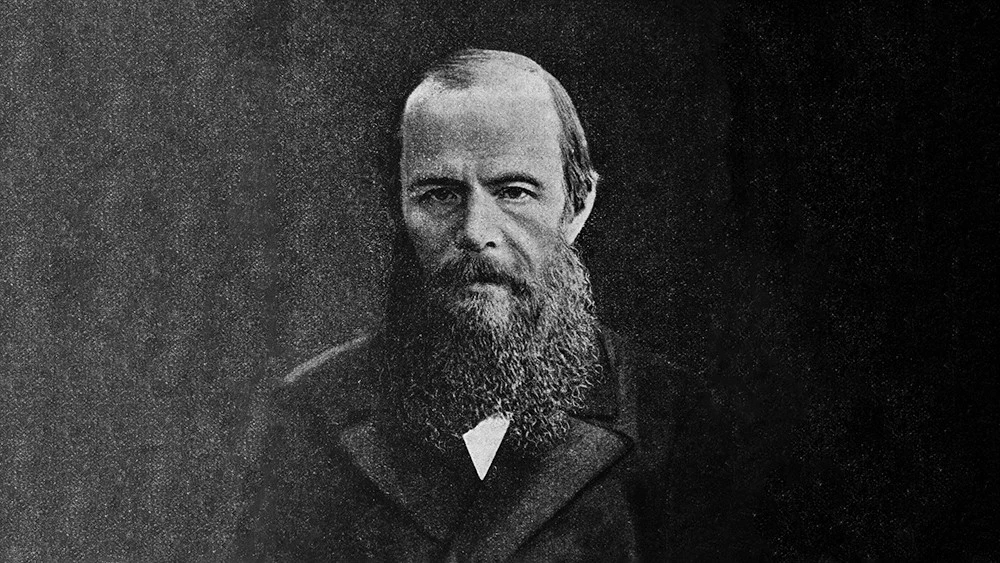
On the first Saturday of July, Dostoevsky Day is celebrated. It is a festival that originated in Saint Petersburg but has long ceased to be merely a local tradition.


