


Strict release or gripping reportage: future media professionals learn to navigate journalism genres
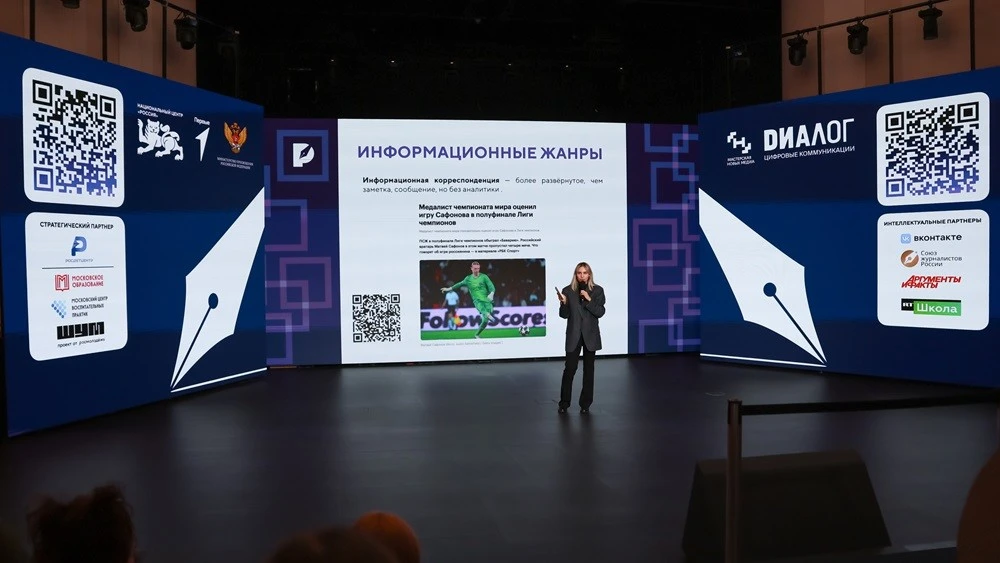
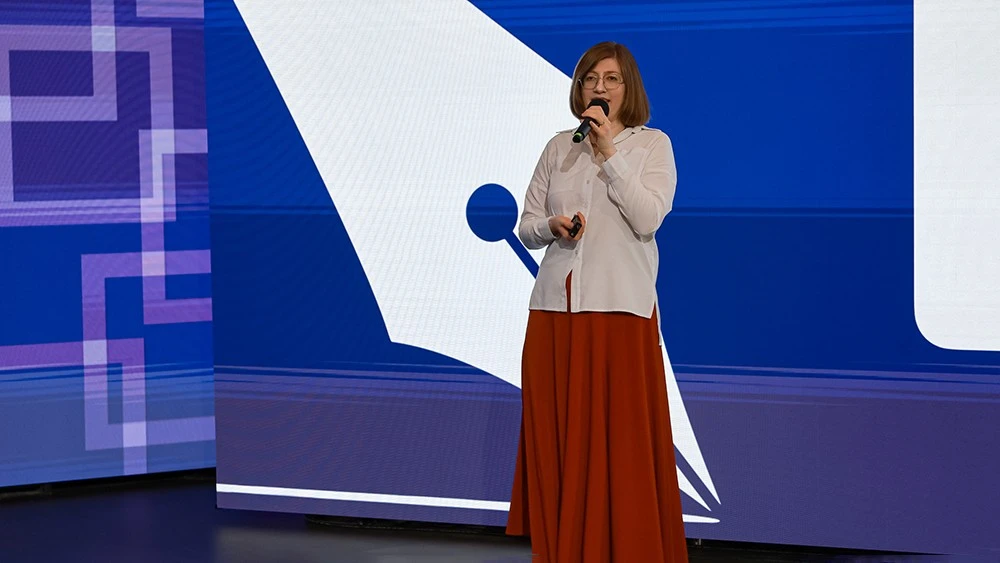
A lesson on journalism genres was held at the National Centre RUSSIA for participants of the Young Journalists School. The children explored how a review differs from a reportage, where the line is drawn between a news note and information correspondence, and why creative non-fiction texts are becoming increasingly rare today. The session was conducted by Sofia Kovalevich, Programme Director and teacher at the Young Journalists School.
At the beginning of the meeting, the expert suggested that the children start from their familiar experiences — film and literature genres — and then transition to journalism. Together, they formulated a simple definition: a genre is a stable form through which a type of text can be identified by its structure, purpose, and set of "markers". In journalism, she emphasised, it is not only a style but also a method of gathering information and reflecting reality.
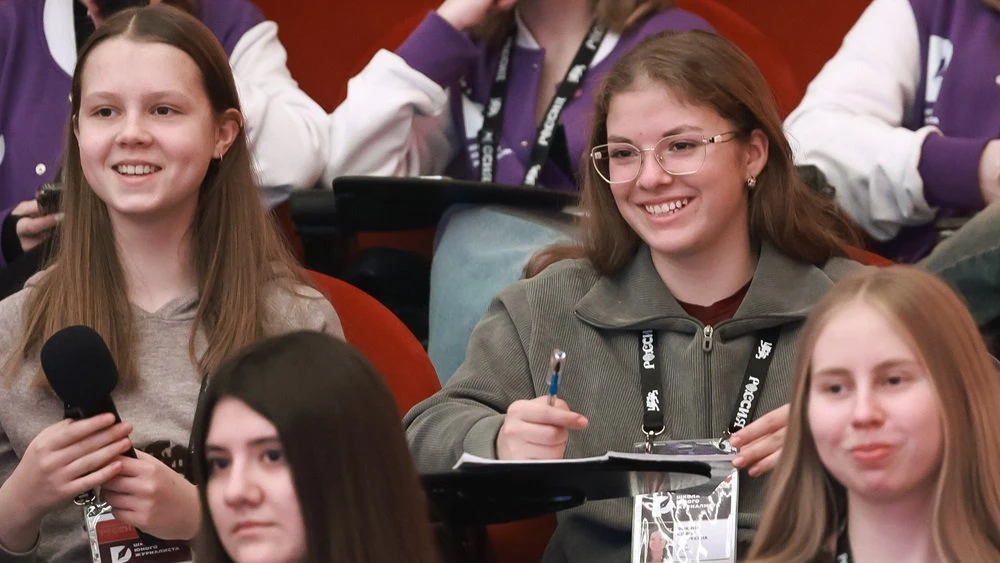
"This is the methodological foundation that distinguishes a professional journalist. When you understand genre markers, you navigate news faster and consciously choose the form for your own material," noted Sofia Kovalevich.
The schoolchildren were introduced to three major groups of genres: informational, analytical, and creative non-fiction. The informational block included the note, information correspondence, reportage, interview, and report. Using real news examples, the children learned to distinguish a short factual message from extended correspondence, and to understand where "dry" information ends and the "presence effect" necessary for reportage begins.
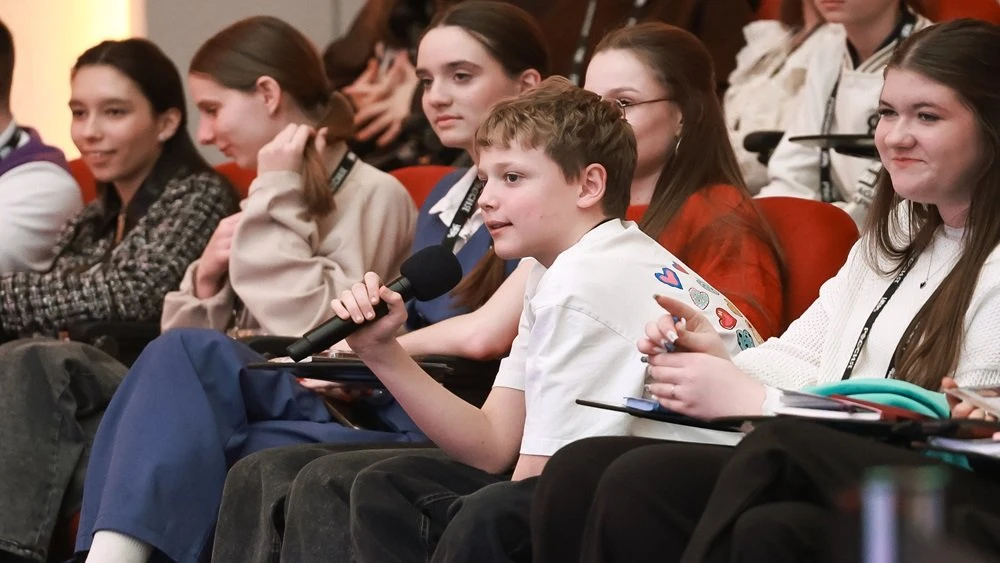
Next, they moved on to analytical genres: the article, investigative journalism, commentary, review, overview, and analytical correspondence. Sofia Kovalevich demonstrated that the main verb here is "to analyse": not just reporting a fact, but explaining the context, identifying causes and consequences, and comparing expert opinions. Using materials on neural networks, the economy, and urban projects as examples, participants looked for signs of analytics: the problem statement, the author's position, a system of arguments, and conclusions.
Speaking about creative non-fiction genres, Sofia Kovalevich noted that the heyday of features and essays occurred in the 18th and 19th centuries, and although they are less common today, they remain an important part of the profession.
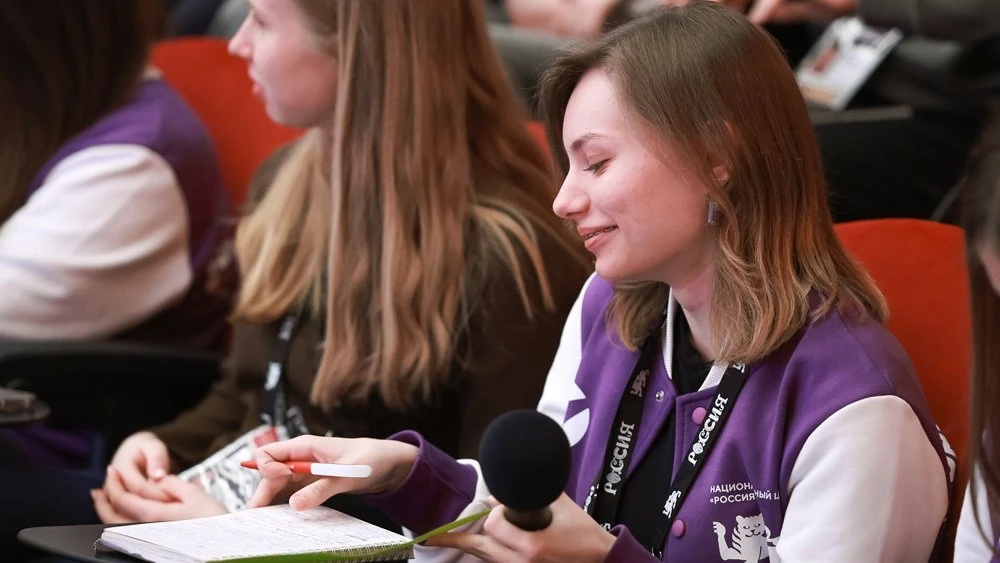
"Creative non-fiction texts help not just to learn what happened, but to feel the character, emotions, and atmosphere. This is what makes journalism truly alive," Sofia Kovalevich emphasised.
The practical part of the session was structured like a miniature editorial office. The children analysed real news, determined their genre, identified key features, and debated the boundaries between a report and information correspondence, or a reportage and an overview. Then, participants in teams devised their own materials: some proposed investigative journalism on the digital security of teenagers, others an overview of events at the Artek International Children's Centre or the Young Journalists School, and some an interview with famous presenters on how news changes a person.

Each team defended its idea before their colleagues: they named the chosen genre, explained why it suited that specific topic, and described the structure of the future material. In this way, the children not only reinforced the theory but also tried themselves in the role of editors capable of consciously choosing a format for a specific task and audience.
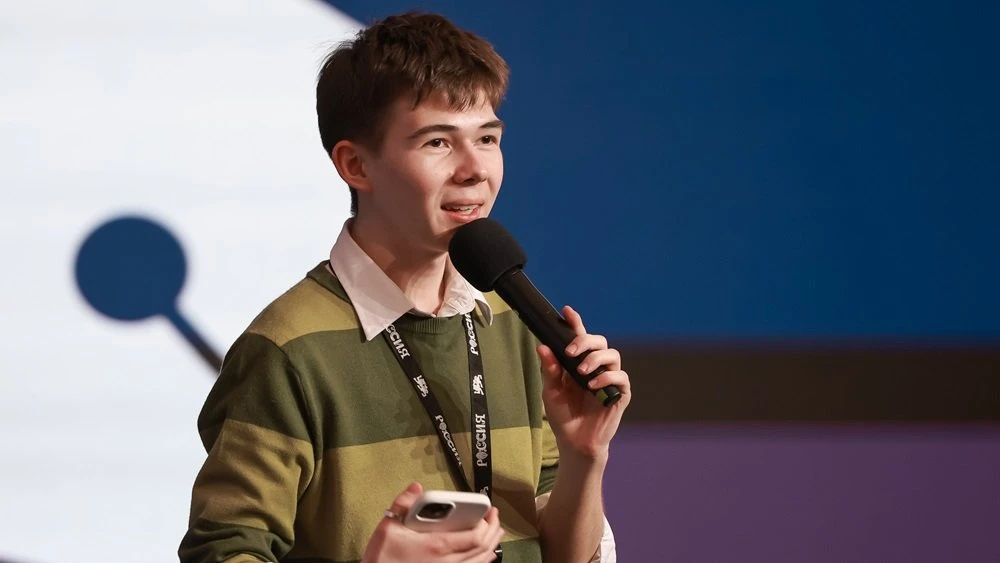
"My team and I prepared an overview genre — we wanted to cover the international Open Dialogue event. I am most interested in this specific genre and analytical formats in general. After all, it is important here not just to talk about an event, but to analyse it. Preparing such materials is more difficult, but you can learn a lot of new things in the process," shared Sofia Barulina.
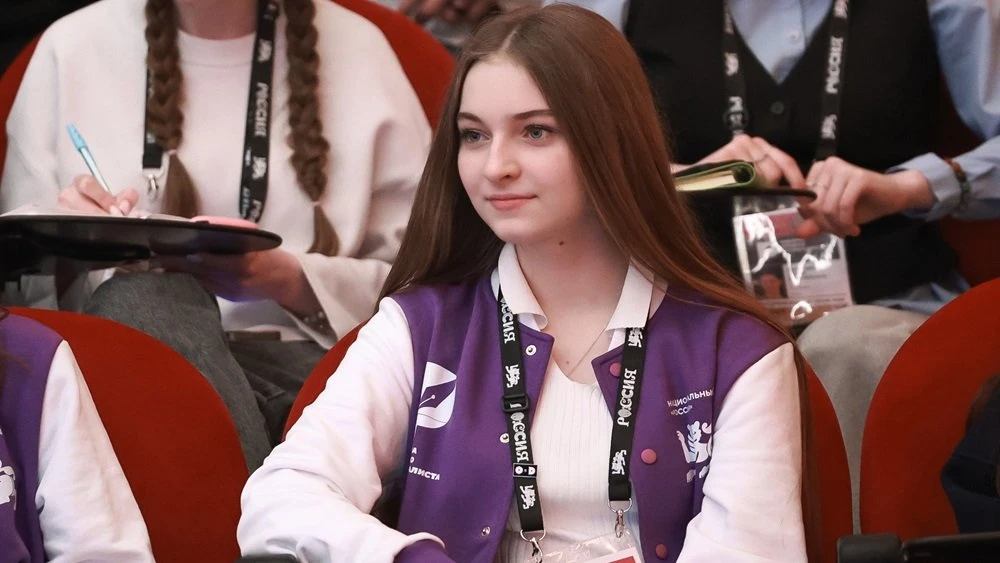
The Young Journalists School is a multi-format project of the National Centre RUSSIA that helps teenagers acquire relevant professional skills and competencies and forms a talent pool of future media specialists. The project is implemented by the National Centre RUSSIA together with the Movement of the First with the support of the Ministry of Education of the Russian Federation.

The staff of the Moscow 24 editorial office explained how a city news television channel operates, covering events in the capital and Moscow Region.
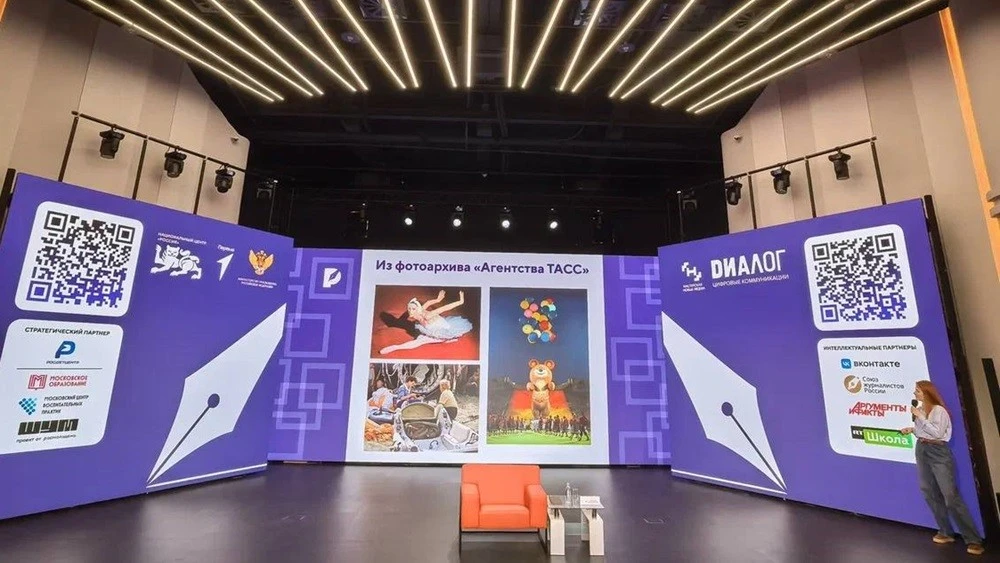
A session of the Young Journalists School titled "Photojournalism: Composition, Light, Moment.


