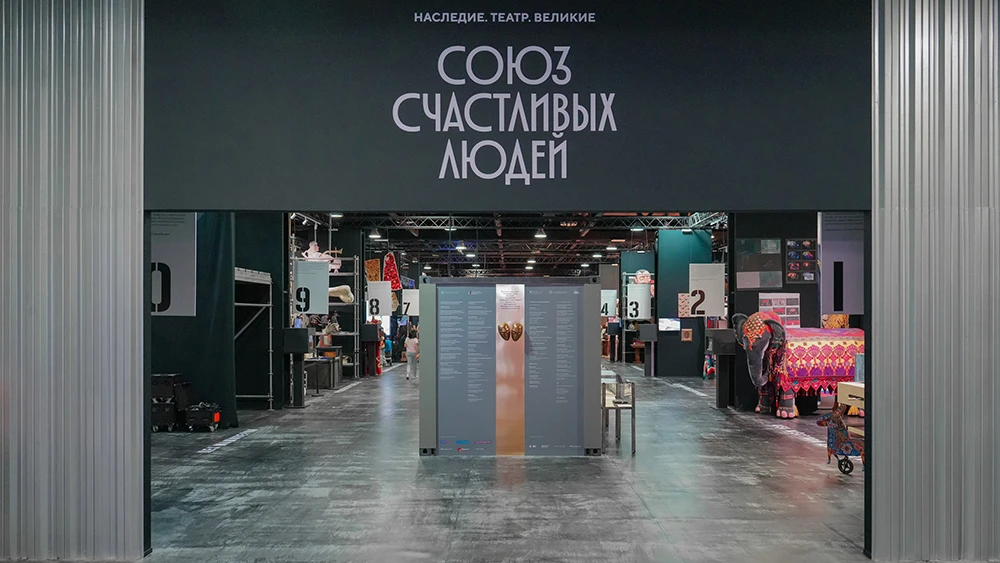
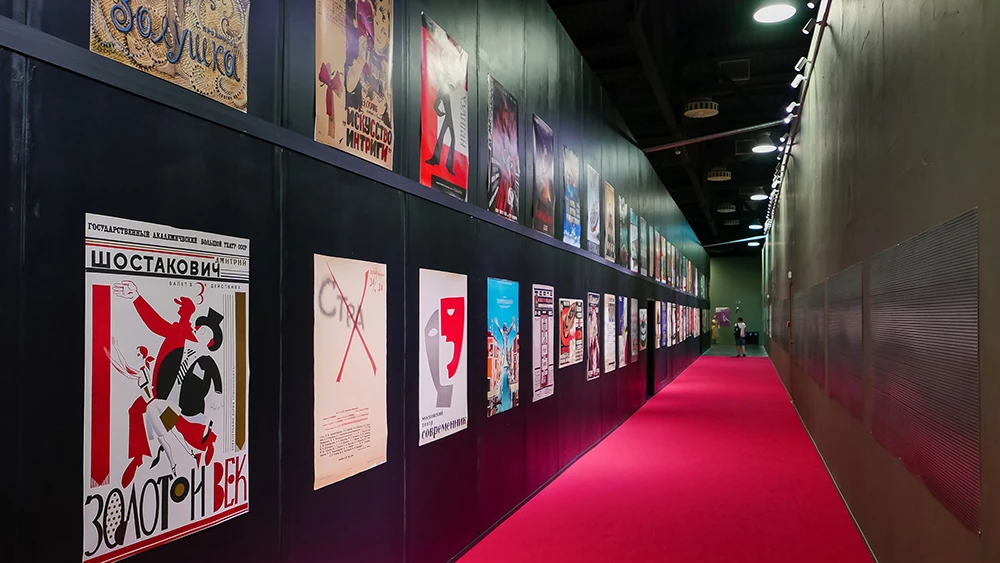
Theatre posters from different eras added to the "Legacy. Theatre. The Greats" exposition at the National Centre RUSSIA
A theatre poster is often called the "mirror" of a
production. It not only informs audiences about an upcoming performance, but
also conveys its atmosphere, artistic concept and character. From the first
handwritten announcements by touring companies to modern design works, the
theatre poster has come a long way, developing into an art form in its own
right. A new themed area dedicated to theatre posters has been added to the
"Legacy. Theatre. The Greats" exposition at the National Centre
RUSSIA. Guests will be able to see around 300 posters from different eras,
tracing the history of Russian theatre and the development of theatrical art
through graphics, design and artistic imagery. The project is being implemented
with the support of the Ministry of Culture of the Russian Federation and the
Presidential Foundation for Cultural Initiatives.
A special place in the new exposition is occupied by works by theatre artist, stage
designer and director Nikolai Akimov. It was he who said: "A successful
theatre poster can tell audiences far more than advertising information."
His posters became examples of an artistic reinterpretation of theatre
advertising and had a major influence on the development of Russian poster art.
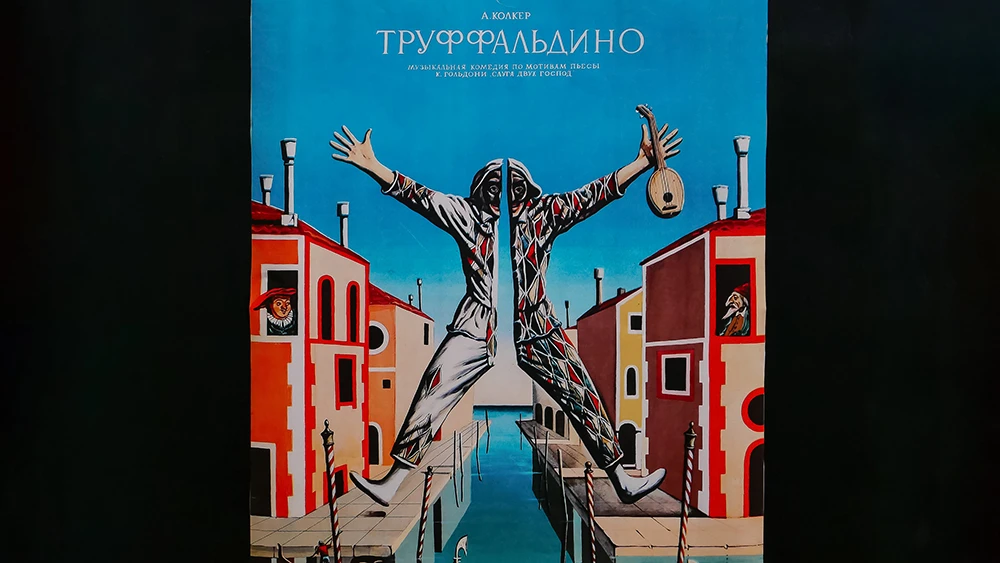
The exposition introduces visitors to the key stages in the development of the theatre poster. Printed theatre posters appeared in Russia during the reign of Peter the Great, while in the second half of the 19th century the poster emerged as an independent genre of graphic art. The beginning of the 20th century became its "golden age": outstanding artists and stage designers created posters that are now regarded as genuine works of art.
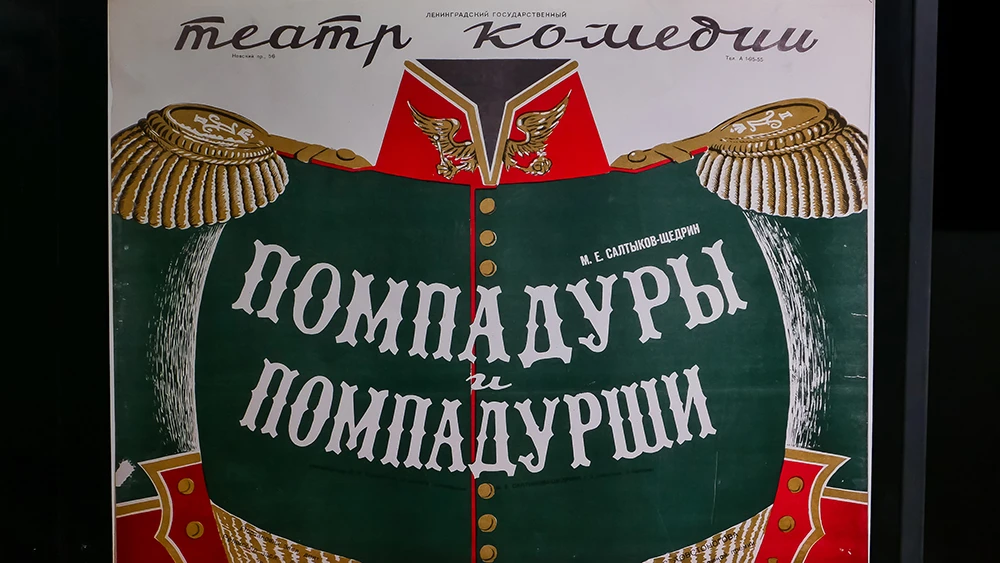
The exhibits also include a poster for the production "Platon Krechet" at the Leningrad State Pushkin Drama Theatre, created in November 1941. The poster is a reminder that even during the Great Patriotic War, theatre continued to live, inspiring people and sustaining their faith in the future.
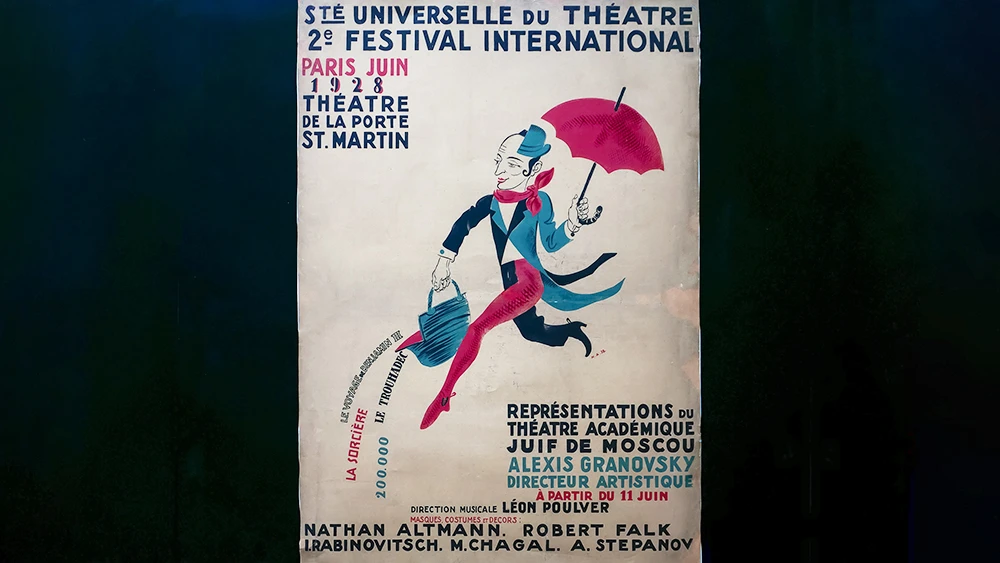
The exposition also shows how the techniques used to create theatre advertising
changed, from hand-drawn images to multicolour printing and modern digital
solutions. Today, the theatre poster remains an important part of culture,
although it increasingly exists not only in urban spaces but also in the
digital environment.
The "Legacy. Theatre. The Greats" exposition is open at the National
Centre RUSSIA until 25 September. It brings together more than 600 unique items
from the country's leading theatres, museums and private collections, telling
the story of Russian theatre, the people who create stage art and its rich
cultural legacy.
The National Centre RUSSIA and the Centre for Islamic Civilisation in Tashkent have agreed to hold the Reciprocal Days of Russia and Uzbekistan.