
Unified Golden Ring brand presented at the National Centre RUSSIA
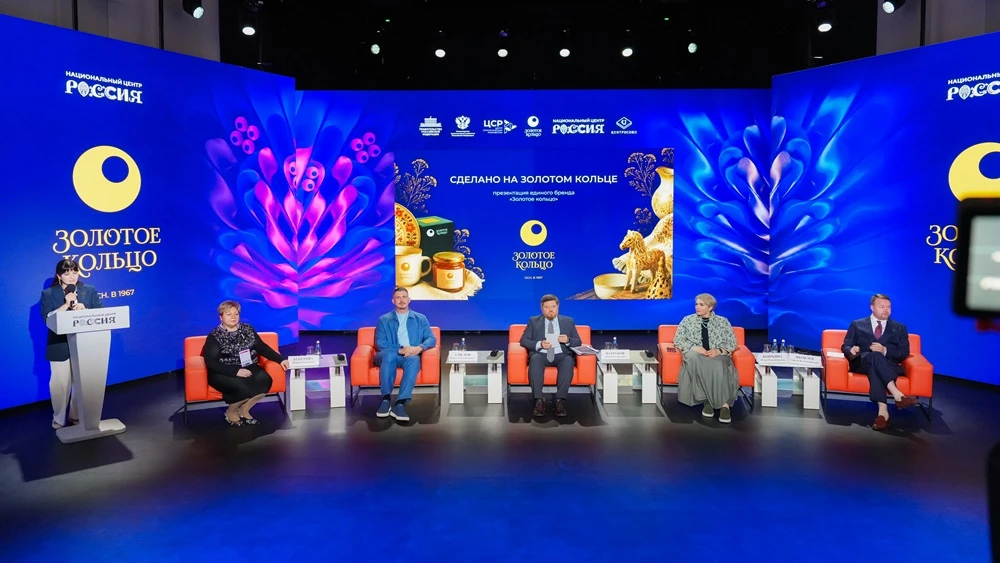
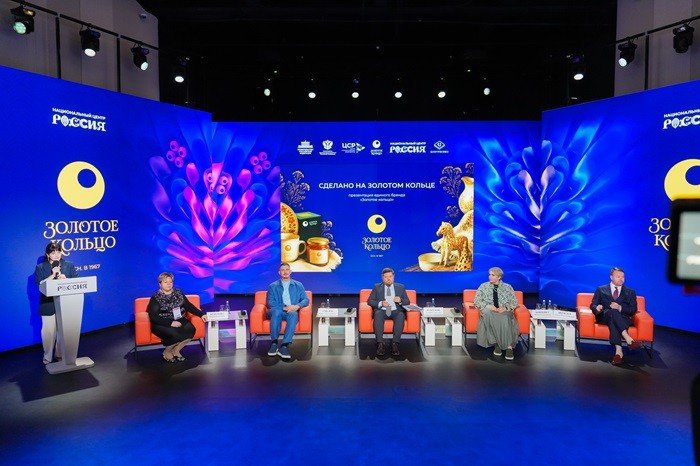
On 29 July, the National Centre RUSSIA hosted the "Made in the Golden Ring" meeting. The event brought together more than 150 representatives of federal and regional authorities, the tourism industry, businesses, traditional folk arts and crafts enterprises, and local producers. Participants discussed how to create a unified system for promoting regional products, expand distribution channels, and launch new interregional collaborations. The unified brand will connect regions, cities and towns, tourist attractions, and products into a single, cohesive destination for visitors. The initiative is being developed jointly by the Government of the Russian Federation, the Ministry of Economic Development of the Russian Federation, the Centre for Strategic Research, regional authorities, and businesses.
The Golden Ring is gradually evolving beyond its traditional sightseeing route into a unified tourism destination. It now encompasses 59 localities across eight regions of Russia's Central Federal District. Visitor numbers are growing at an average annual rate of around 7%, and by 2030 the number of trips to the Golden Ring regions could reach 35.2 million.

In his welcoming address, Valery Sidorenko, First Deputy Chief of Staff of the Government of the Russian Federation and Chairman of the Organising Committee for the 60th anniversary of the Golden Ring route, stressed that expanding the geography of the Golden Ring should create new opportunities not only for the tourism industry but also for local businesses.
"The expanded geography forms the basis of a new concept — a unified tourism destination under the Golden Ring brand, serving as a single platform for promoting regional brands, traditional crafts, and contemporary products that reflect the cultural identity of each territory. I am confident that through the joint efforts of government, businesses, and producers we will create a unified tourism destination, provide new opportunities for the development of the towns and regions along the route, and give fresh momentum to the promotion of traditional folk arts and crafts and local products," said Valery Sidorenko.
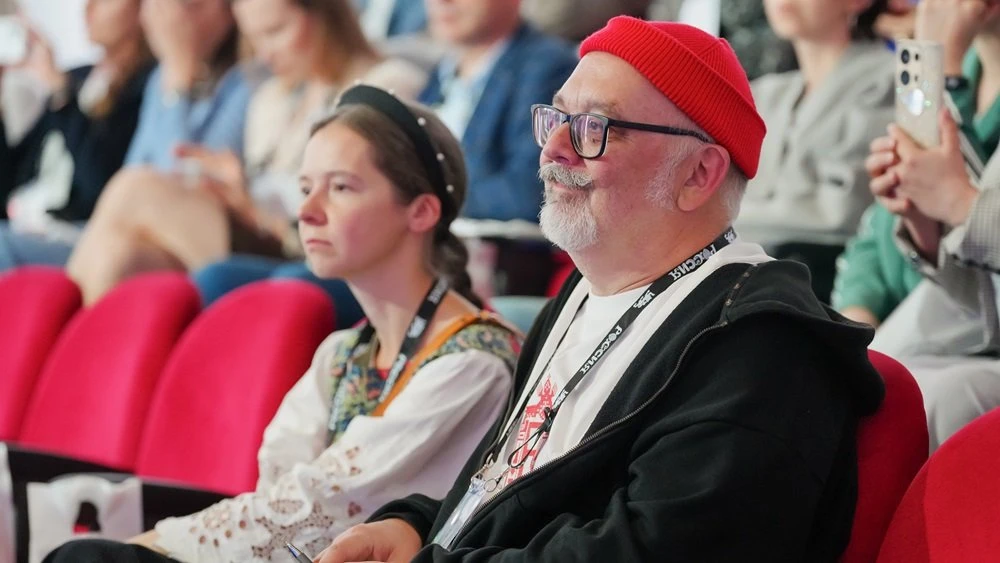
The development of this unified tourism destination builds on existing infrastructure. One priority is the expansion of self-drive tourism and satellite routes designed to redistribute visitor flows from major destinations to smaller towns. The national tourism portal "Puteshestvuem.rf" ("Travelling.rf") already features 25 self-drive routes covering approximately 7,500 kilometres. Along these routes there are more than 500 roadside service facilities, 70 multifunctional service areas, over 200 accommodation providers, and more than 270 food and beverage establishments. By 2030, more than 30 additional self-drive routes are expected to be created.
A year-round programme of events will also help encourage tourism throughout the seasons. A unified calendar now includes more than 600 cultural, educational, sporting, gastronomic, and other events. For example, the "Masters of the Golden Ring" traditional folk arts and crafts festival in the town of Gorodets attracted more than 35,000 visitors.
"The Golden Ring continues to attract increasing numbers of visitors, with 10 million tourists travelling the route during the first five months of this year. Its dense network of roads, railways, several airports, and other infrastructure, including waterways, makes it possible to travel quickly from one destination to another and experience a remarkable variety of places in just a few days. The unified brand brings the entire Golden Ring destination together. On the one hand, it provides a highly recognisable visual identity that people want to share. We are developing collaborations and creating synergies between businesses and the unified tourism destination brand while working on new formats and partnership models. It is important that the brand, which already appears at tourist attractions, hotels, and major events, is also reflected in products that visitors will want to purchase, take home, and present as gifts," said Dmitry Vakhrukov, Deputy Minister of Economic Development of the Russian Federation.
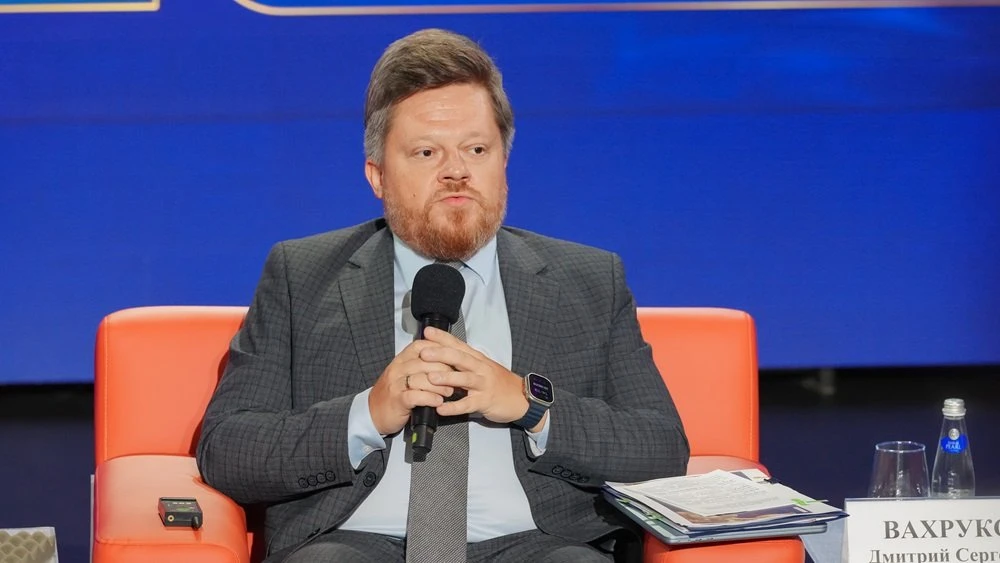
One of the meeting's central themes was the promotion of regional products. Traditional folk arts and crafts, local food products, textiles, cosmetics, books, souvenirs, and homeware are intended to become part of the visitor experience at every stage of the journey — from planning a trip to visiting museums, hotels, and tourist information centres. Rather than standardising local products, the unified system is designed to highlight the distinctive character of every region, craft tradition, and producer.
"The unified brand is not simply about creating another logo. It is a tool that connects different regions, towns, tourist attractions, and products into a single, easily understood system. For regions and businesses, it provides an opportunity not only to promote themselves independently but also to benefit from one of Russia's most recognisable tourism brands. For a small producer, reaching a nationwide audience, gaining access to major digital platforms, hotels, museums, tourist information centres, or transport hubs is extremely difficult alone. The unified brand helps bring all of these channels together," explained Pavel Smelov, Director General of the Centre for Strategic Research.
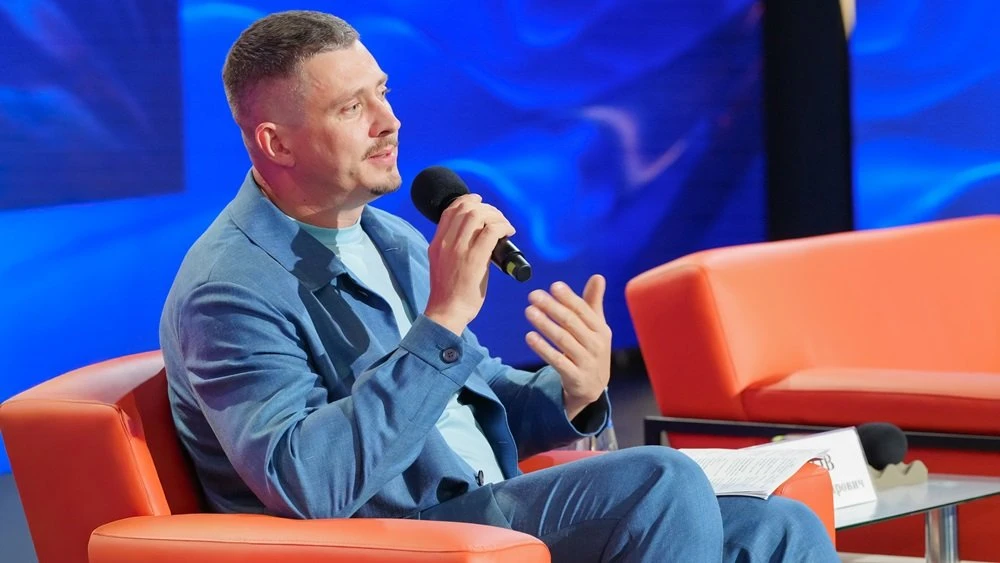
Potential sales channels include hotels, visitor attractions, museums, tourist information centres, and roadside service facilities. One of the project's objectives is to increase the number of retail outlets selling regional products by 25–30%. In the digital sphere, Golden Ring destinations are being integrated into 2GIS maps. The next phase will introduce information for tourists about attractions, workshops, local specialities, and regional producers.
Together with Sberbank, the project team is developing a digital platform that will combine a tourist passport, personalised recommendations, travel history, and a unified loyalty programme. Users will receive bonuses and special offers from partner organisations, while businesses will be able to promote their products and services, attract customers through personalised recommendations, and make use of anonymised demand analytics.
The initiative has already delivered its first practical results. More than 90 visitor attractions have adopted elements of the unified brand, and over 20 partnership agreements have been signed with banks, hotels, and producers within just two months. Working together with the Maraeva's Kirzhach Chocolate Factory, the project has created a branded selection of chocolates, with participants developing not only the packaging but also the recipes and the product story. This experience is expected to be expanded through anniversary editions, interregional gift collections, and special ranges celebrating the 60th anniversary of the Golden Ring.
The celebrations marking the route's 60th anniversary in 2027 are intended to serve as the launch-pad for new product lines and partnership projects. Producers are being invited to join the initiative, enter into licensing agreements for the use of the brand, and work with the Centre for Strategic Research's project office on product packaging, sales channels, and promotional formats. The ultimate goal is to ensure that locally produced goods are available throughout the Golden Ring destination, with every souvenir, handcrafted item, or regional speciality becoming a continuation of the visitor's journey through the Golden Ring.
Event photobank

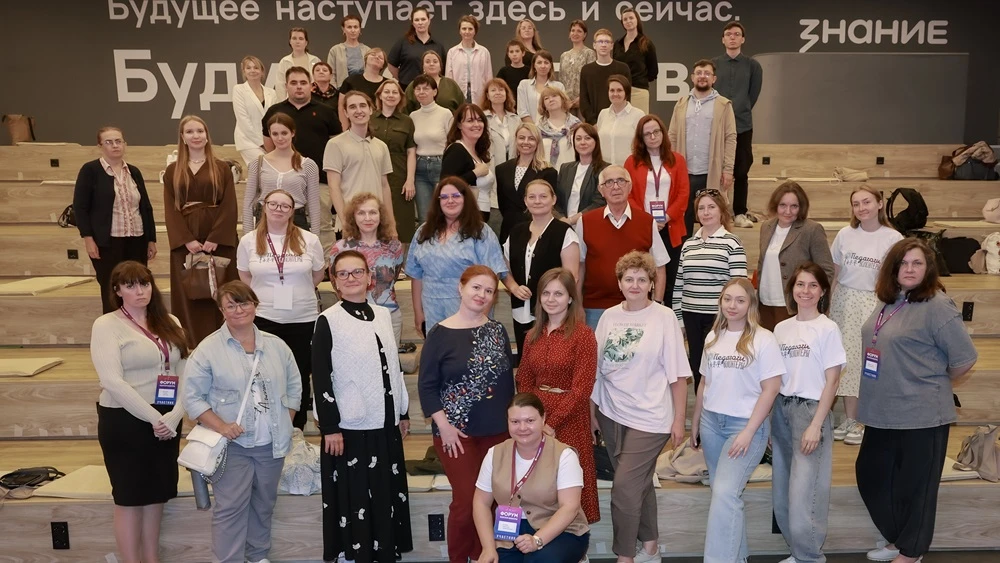
One of the day's key events was a training session on working with children who have experienced psychological trauma.

Its inaugural issue focuses on the theme of the future and is conceived as a genuine "time capsule" for readers.