


Vyacheslav Demin: "Neuromorphic processors will change human life"

Neuromorphic computing devices, based on the operating principle of the human brain, are being developed at the National Research Centre "Kurchatov Institute". These devices will help solve the energy consumption problem arising from the rapid development of artificial intelligence technologies. This topic was addressed by Vyacheslav Demin, First Deputy Head for Scientific Work at the Kurchatov Complex of NBICS Nature-Like Technologies, at the National Centre RUSSIA during Russian Science Day on 8 February.
The human brain possesses immense computational power but consumes only about 20 Watts of energy. For comparison, some modern data centres abroad, created for solving artificial intelligence tasks, consume over one Gigawatt. Already, there is a global gap of 2500 GW between the needs and capabilities in powering new electricity-consuming projects, the majority of which are related to the creation of data processing centres. According to Doctor of Physical and Mathematical Sciences Vyacheslav Demin, modern computing capacities operate inefficiently.
"In our brain, everything is structured differently. Computations are performed where information is stored. That's the main difference. There is no transfer of information between memory and processor. Everything is combined in one place. Now, microelectronics specialists, chip designers, engineers, and scientists are beginning to use this approach. They are creating extremely efficient computing architectures, including in Russia, at the Kurchatov Institute. They consume 100, or even 1000 times less energy compared to traditional processors," explained Vyacheslav Demin.

Neuromorphic computing systems, essentially next-generation processors, operate on the key principles of biological neural network functioning. According to the expert, information about synaptic connections between neurons in them is stored where the artificial neurons themselves are emulated, which reduces the number of memory accesses. This lowers energy consumption and increases data processing speed. The scientist believes that as neuromorphic processors develop, three waves of their gradual implementation can be expected.
"At the first stage, they could be used, for example, in drones for goods delivery. Such a drone would fly not for half an hour, but for two to three hours. Furthermore, such processors could be used in mobile, including anthropomorphic, robotics, where saving every watt of electricity is important. At the second stage, they could be employed in industrial robotics and transport, where requirements for energy savings are less strict; for example, where fuel or high-capacity batteries can be used. At the third stage, the neuromorphic processors will begin to gradually supplement and replace traditional computing systems in data centres, leading to significant electricity savings on a global scale," explained Vyacheslav Demin.
Neuromorphic computing devices hold great potential. It is known that research is being conducted on the possible use of neurochips controlling neural interfaces for treating people with physical disabilities.
"Within 10-15 years, neurochips will begin to be implanted even in healthy people to expand cognitive capabilities. It will be possible not only to 'google' in one's own head, but also to solve certain analytical tasks regarding objects and scenes from the environment almost instantly. Such interfaces are being actively developed now. <...> If we learn to not only read but also stimulate brain activity through interfaces, it would greatly increase reaction speed and expand human capabilities in response to complex cognitive stimuli. Such projects at the concept level are being developed by leading neural interface groups. And a lot depends on the computing elements," said Vyacheslav Demin.
Russian Science Day on 8 February brought together over two thousand scientists, experts, and students from across the country. The event was organised by the National Centre RUSSIA with the support of the Ministry of Science and Higher Education of the Russian Federation, the VCIOM Analytical Centre and the Russian society Znanie.
Recordings of the plenary sessions are available on the website russia.ru in the "Livestreams and Videos" section.
Event photobank


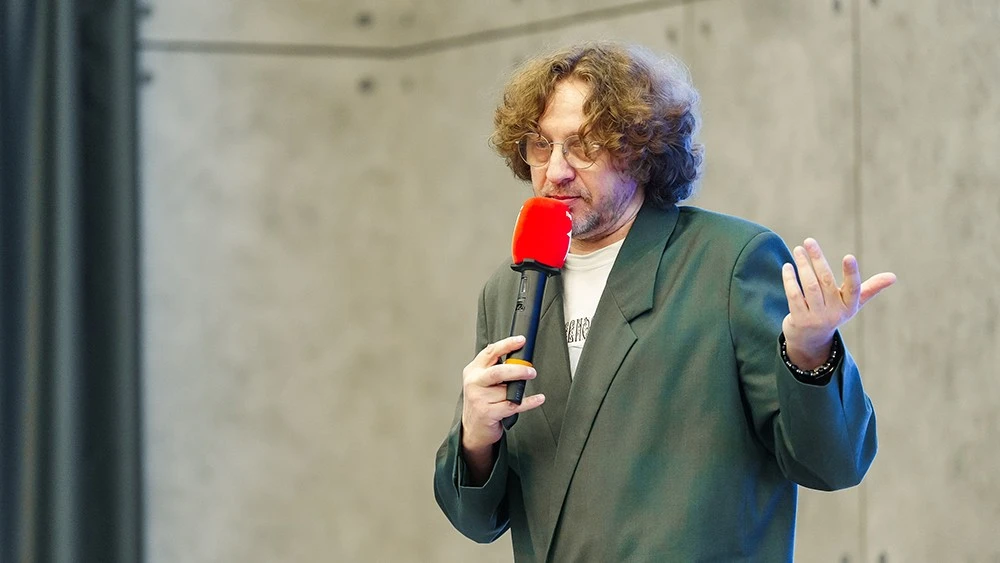
Music and song are a powerful force that can influence people, foster patriotism and even help prevent conflicts.
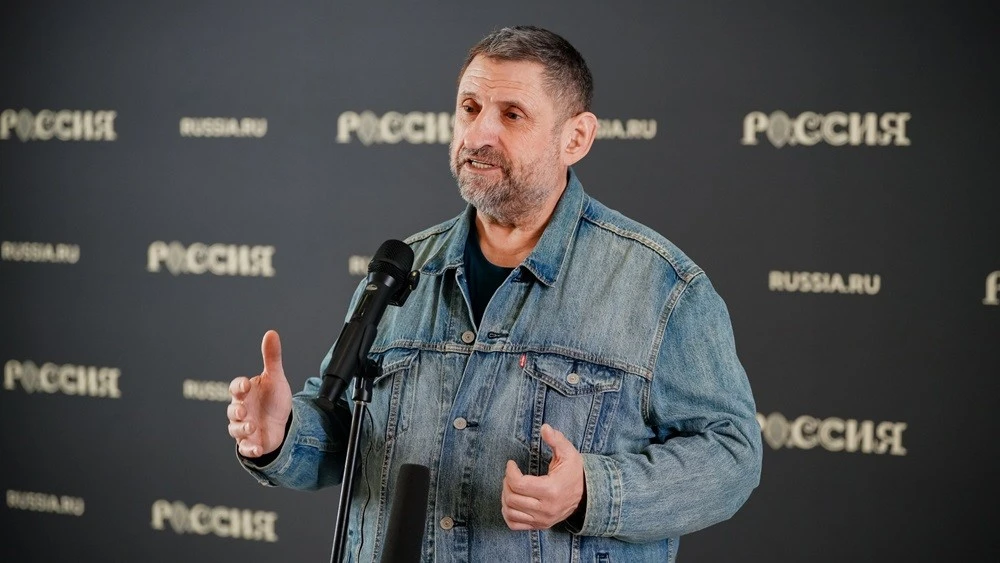
The guest shared several pieces of advice that will be useful in their future profession.
Transporting icebergs across the ocean may sound like the plot of a science fiction film.


