


Visual code of Russia: typeface, symbol, meaning of the country’s new DNA

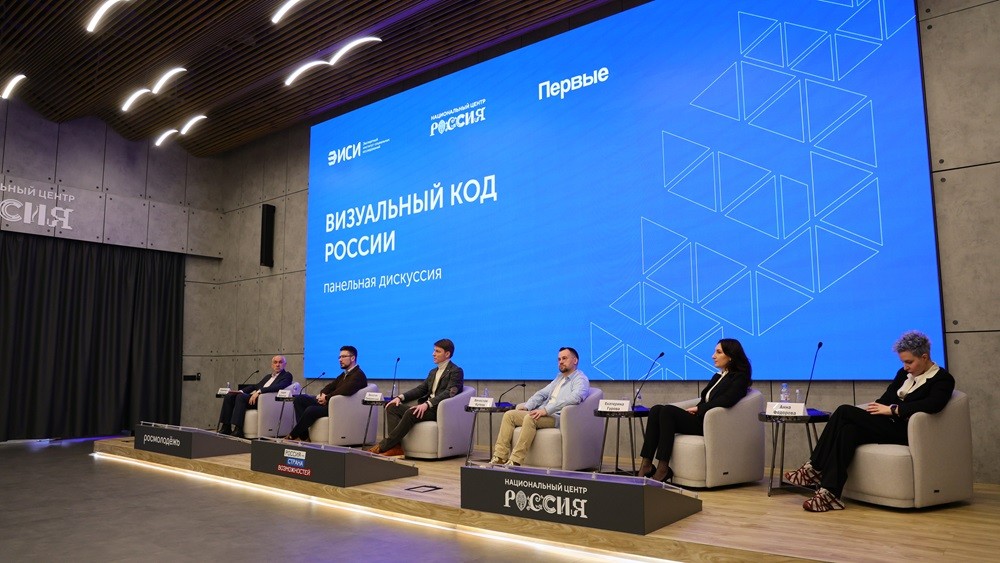
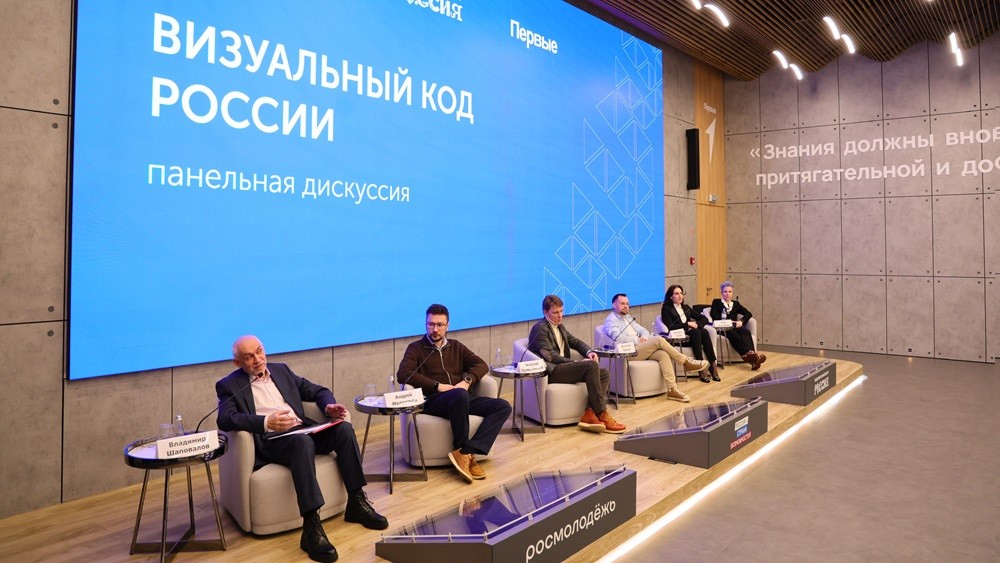
A panel discussion titled "Visual Code of Russia" was held on 24 December at the National Centre RUSSIA. The event was organised by the Expert Institute for Social Research and brought together leading specialists in state visual communication, design, architecture, territorial branding, political technology, and education. The discussion focused on shaping a unified visual code for the country as a tool for strengthening national identity and ensuring effective communication between the state and society.
The experts examined the work of the Council for the Development and Promotion of a New Russian Style at the National Centre RUSSIA, the objectives of the "Communication Design" working group, and practical approaches that are already shaping a new Russian visual style.
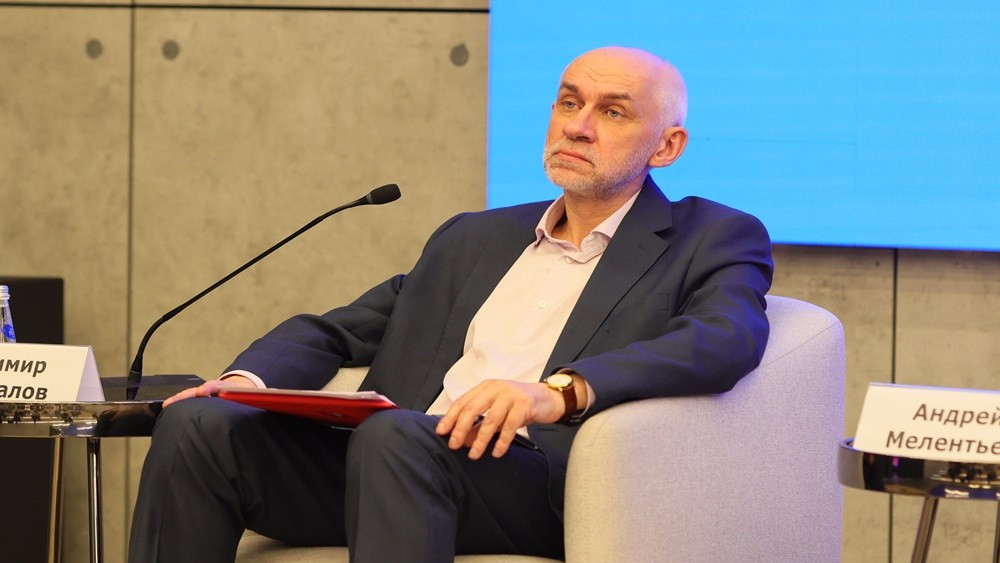
The discussion was moderated by Vladimir Shapovalov, Head of Projects at the Department for Cooperation with the Expert Community of the ANO "Expert Institute for Social Research", Associate Professor at the Department of Comparative Political Science at MGIMO University of the Ministry of Foreign Affairs of Russia, and Candidate of Historical Sciences. He outlined the key framework of the discussion and invited participants to consider how national and regional characteristics can be combined within a single visual system.
Andrei Melentyev, Head of the Department for Monitoring State Visual Communications at the National Centre RUSSIA, spoke about the development of a unified visual code.
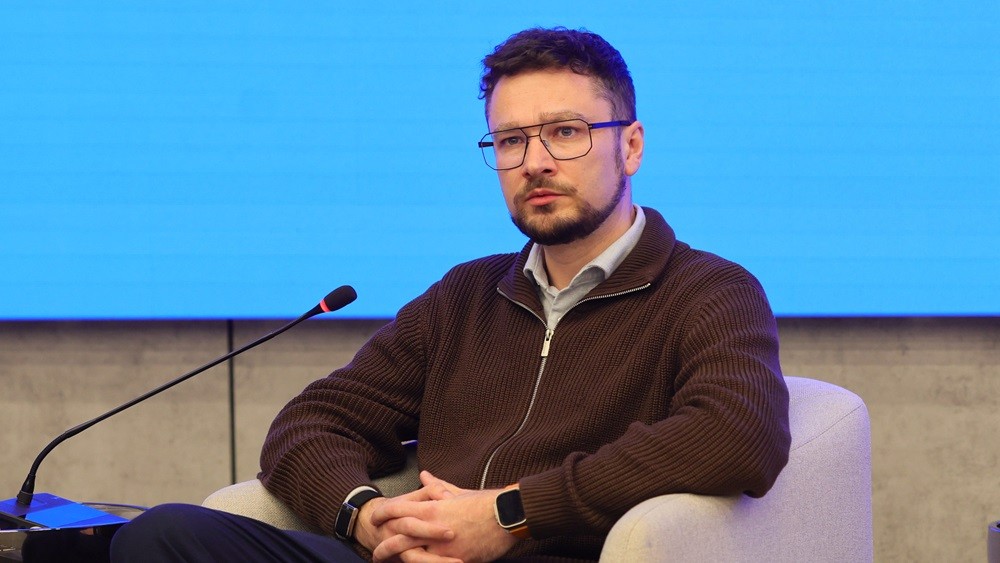
"Our department was established to bring together professionals and build a systematic approach to the country’s visual code. The National Centre RUSSIA gives people the opportunity to express themselves, find like-minded partners, and work with a long-term perspective. Today, visual perception is becoming crucial, especially for young people, which is why the state treats this area as a strategic priority. We are shaping a national visual language — from typefaces to architecture and urban planning. Everything we do is aimed at reflecting the country’s path through people’s actions and the appearance of its cities," Andrei Melentyev said.
Vyacheslav Pravdzinsky, Head of the State Design Workshop at Senezh, assessed the current state of visual communication in the country and identified the solutions that help make the visual code recognisable and relatable for citizens.
"Today, the state largely shapes the environment around us, and particularly at the regional level it implements a large number of projects in which high-quality design plays a significant role. Through design, residents can understand how convenient, comfortable, and pleasant the environment created by the state is for them. In this sense, a region’s investment in high-quality design for its projects is an investment in residents’ positive perception of the authorities’ work and in whether young people choose to link their future with the region. In our view, this challenge can be addressed by creating regional design teams that develop the necessary competencies locally and integrate successful global and Russian design practices into state projects," Vyacheslav Pravdzinsky noted.
Vyacheslav Kuteyev, Head of the "Communication Design" working group under the Council for the Development of a New Russian Style, shared his experience in developing new visual styles for regions and approaches to preserving historical experience and local identity when creating design systems.
"We are building an integrated approach to state communication. I will give the example of Sakhalin: an additional visual system was created there alongside the official symbols — a ‘secular regional brand’ designed for the modern business, public, and digital environment. As part of this work, a symbolic image and merchandise line titled ‘Sakhalin — the Lighthouse of Russia’ were developed. They became widely recognised and gained visibility far beyond the region. Today, this image is used in many regions across the country and resonates with thousands of people, clearly demonstrating how high-quality, well-conceived design can transcend its local context," Vyacheslav Kuteyev said.
Dean of the Faculty of Design and Media Communications at the Presidential Academy, Yekaterina Gurova, addressed the staffing and educational dimension, focusing on which competencies specialists need and how the education system can contribute to training professionals for state visual projects.
"To address these objectives, it is necessary to train a new generation of specialists. At the Faculty of Design and Media Communications of the Presidential Academy, we teach students to think in an integrated way. Our courses focus on the meanings of design and the goals of communication. The educational process is built around a practice-oriented approach: field trips to regions and work on real projects help develop teamwork and leadership skills as early as the second year of study. A code as a system of signs remains unchanged; only the way it is presented evolves. Today, students put forward bold ideas, and we help them bring their projects to life," Yekaterina Gurova said.
EISR expert, political strategist, and member of the Russian Association of Political Consultants, Anna Fyodorova, examined the visual code as a task for social architects and a tool of international influence. She also outlined which meanings and values are important to convey in external communications.
"Design and visual communications work with meaning and are directly connected to social architecture. Attitudes towards state design have changed: over the past 20 years, it has undergone a revolution, and whereas the state was previously perceived as an inconvenient and unattractive interface, interaction with it has now become quite comfortable. Against the backdrop of a distorted image of Russia in the global agenda, it is important to demonstrate the country’s real achievements, as well as the safety and quality of the urban environment. This requires a strong and recognisable visual code that is immediately read as Russia," Anna Fyodorova said.
In conclusion, the participants answered questions from the audience and exchanged views on further steps towards developing a new Russian style.
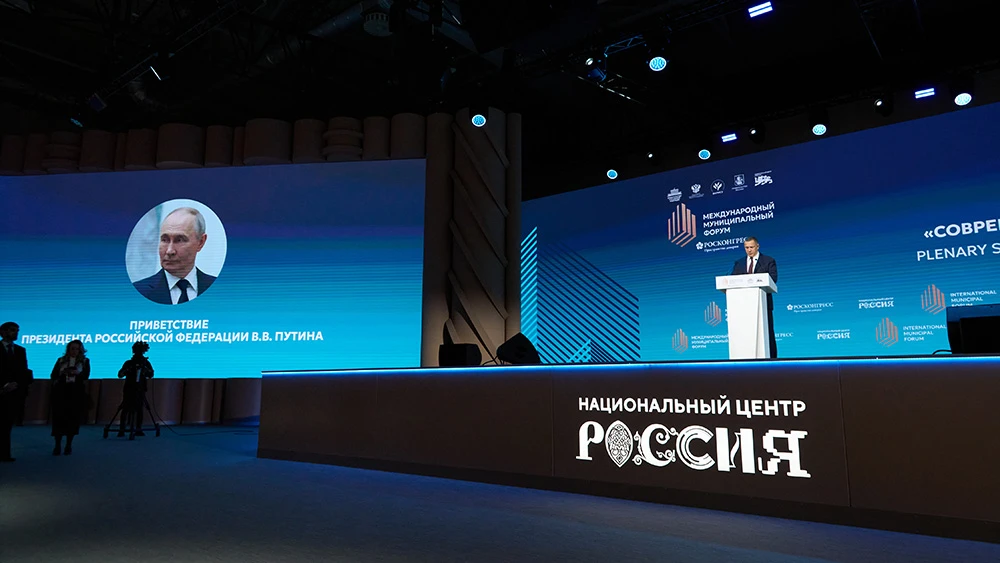
The main event in the business programme of the First International Municipal Forum took place at the National Centre RUSSIA on 24 November.
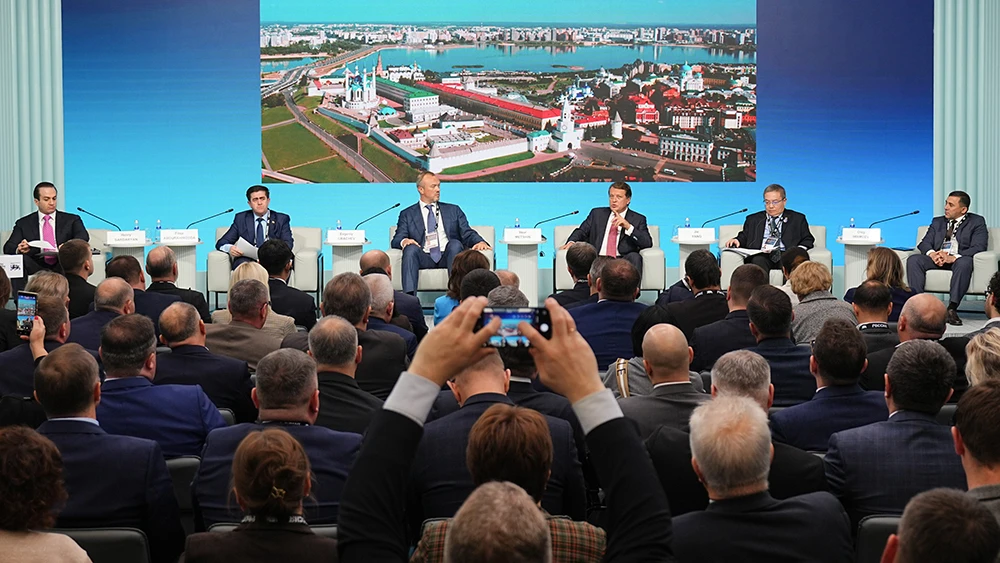
In a multipolar world, international ties are increasingly being developed at the level of cities and regions.
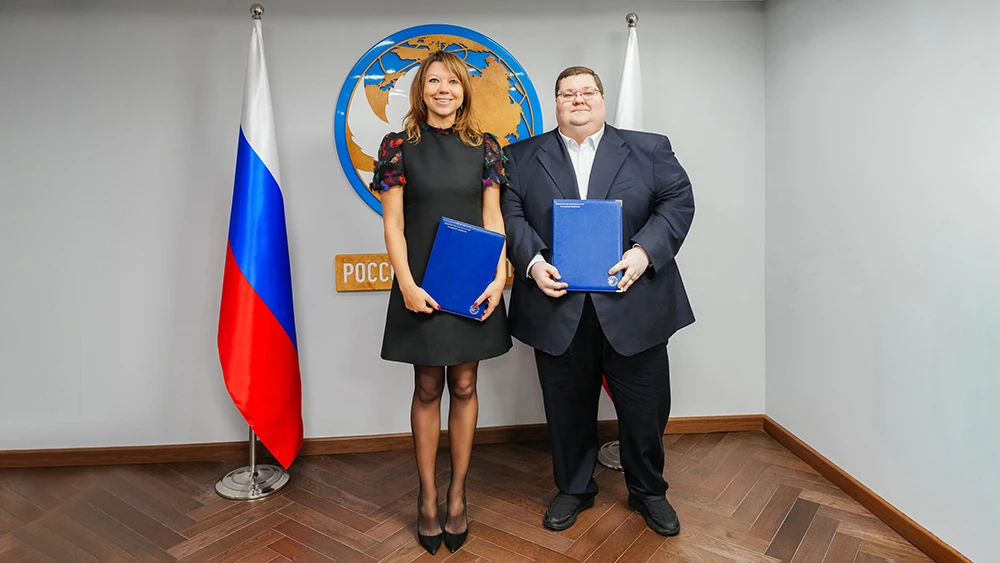
The agreement opens up new opportunities for joint projects in Russia and abroad, as well as for the exchange of professional expertise and the development of information partnerships.


