Bread and salt, the ceremonial loaf and the khorovod: what the Russian wedding dance symbolises
A magnificent ceremonial loaf, covered with an embroidered rushnyk (a long rectangular cloth), a table laden with food, songs, khorovods (round dances) and the entire village celebrating together — this is what Russian weddings looked like for centuries. Hospitality was regarded as an essential part of the celebration, while the generous feast symbolised wishes for prosperity, well-being and a happy life together for the newlyweds.
Russian wedding traditions developed over many centuries across Central Russia, the Moscow region, the Volga region and other parts of the country. One of the central symbols of the celebration was the karavai — a special ceremonial loaf baked for the wedding and used to welcome the bride and groom. Its round shape was associated with the sun, while the loaf itself symbolised wishes for prosperity, fertility and well-being for the new family. It is no coincidence that songs were performed around it and guests took part in communal round dances and festive celebrations.
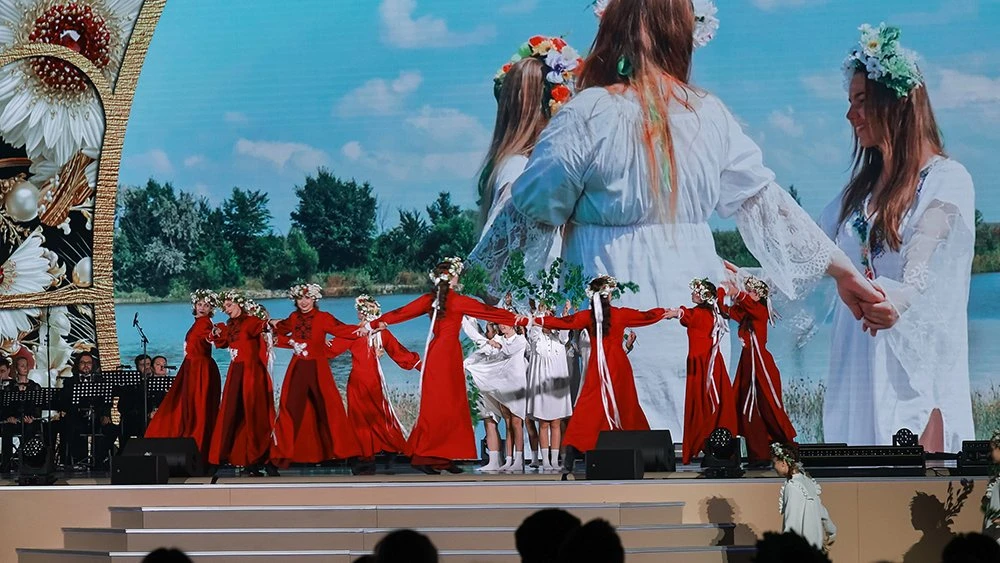
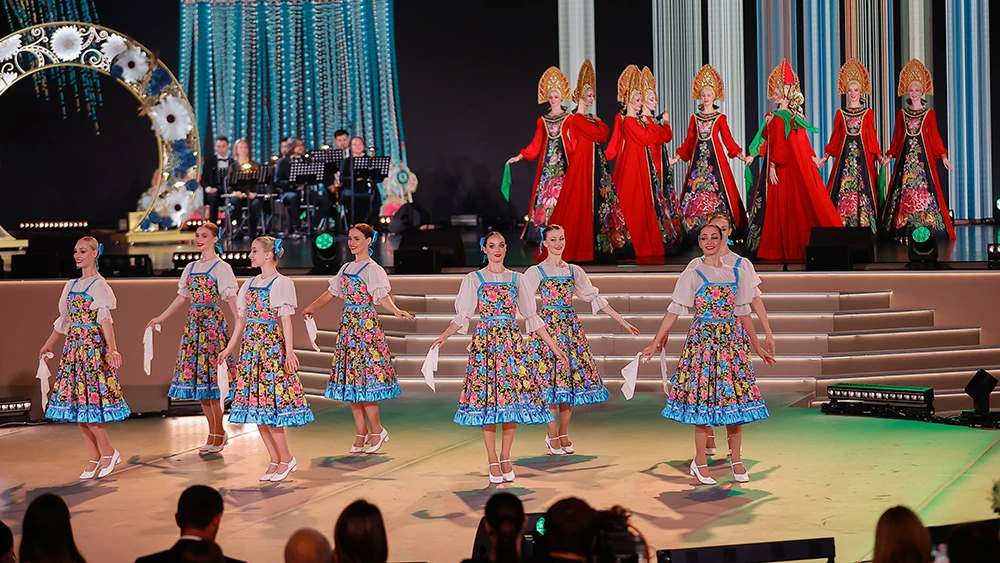
Another important symbol of the Russian wedding tradition was hospitality. A generously laid table represented the new family's readiness for married life, the openness of their home and their respect for guests. This is why traditional folk dances feature movements reminiscent of inviting people to the table, offering refreshments and celebrating together. The circular formations characteristic of the Russian khorovod symbolise the unity of the family and the community, as well as the continuity of life and the succession of generations.
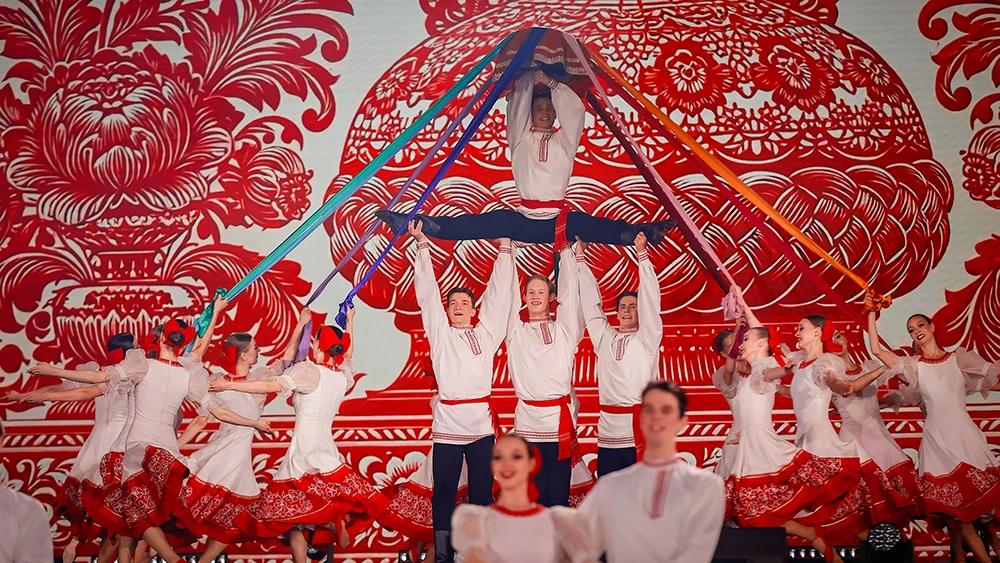
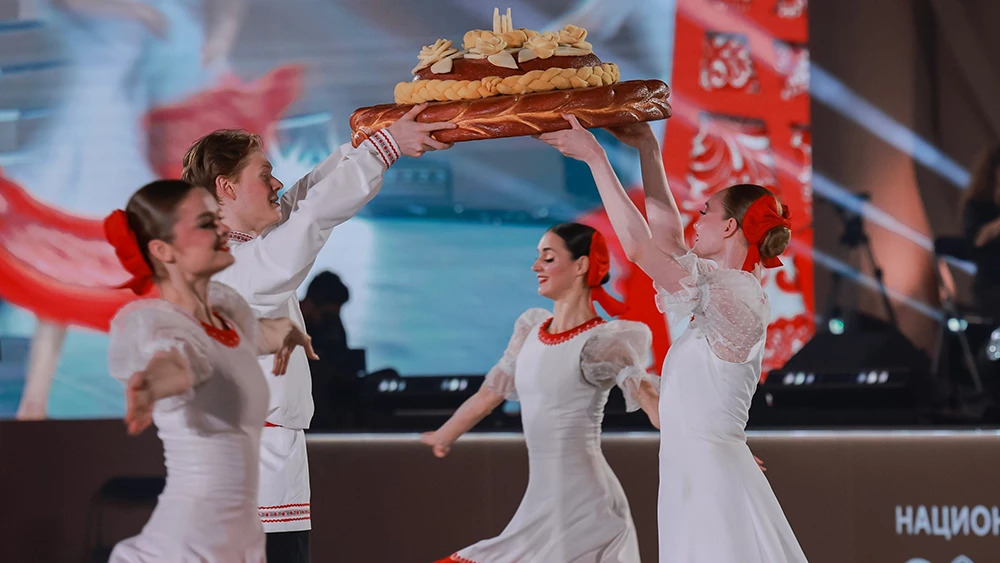
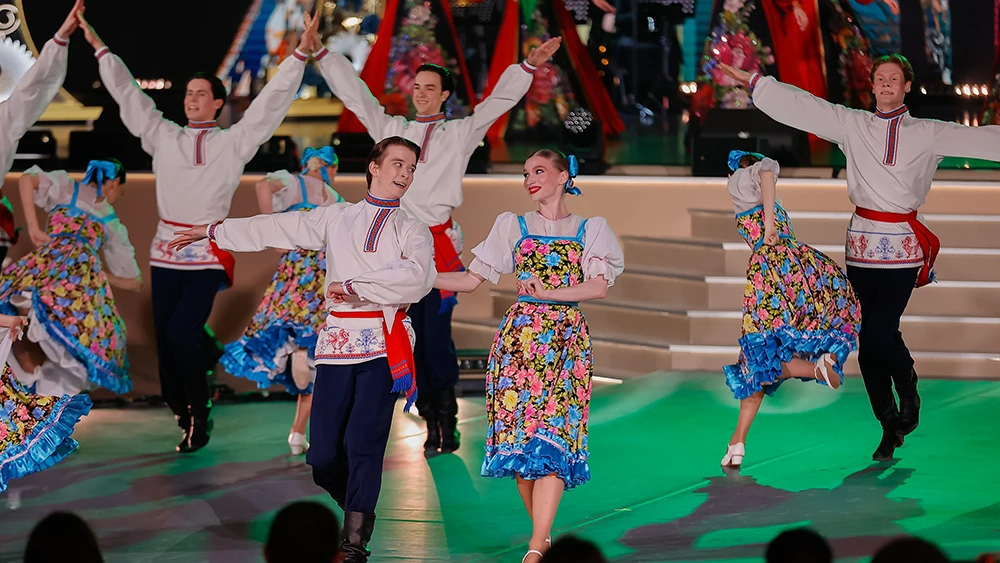
These traditions found their stage expression in the performance of the Moscow State Academic Dance Theatre "Gzhel", which took part in the musical and choreographic parable "Khorovod. Wedding". The production became the main cultural event of the III All-Russian Wedding Festival "Russia. Uniting Hearts", held at the National Centre RUSSIA. Through the language of dance, the company demonstrates how centuries-old wedding customs continue to live on in contemporary culture, reminding audiences that hospitality, family unity and respect for tradition remain an important part of Russia's cultural legacy.