


Marat Khusnullin: Russia’s greatest asset is its people
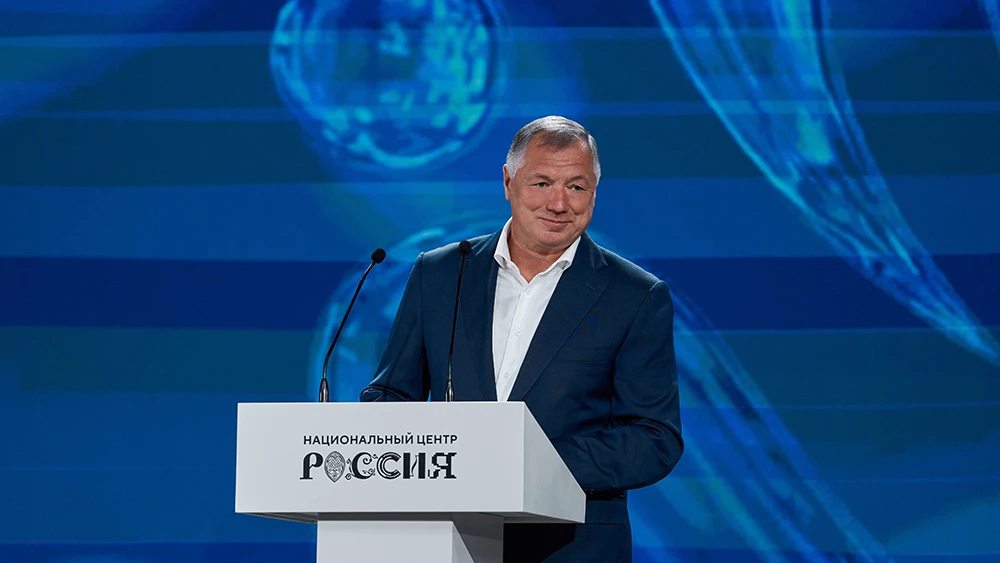
The third
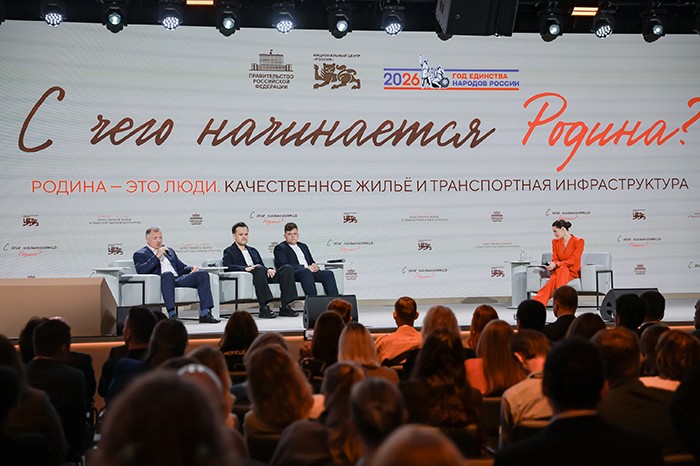
meeting in the "Motherland Is People" series was held on 26 August at
the National Centre RUSSIA as part of the All-Russian project "What Does
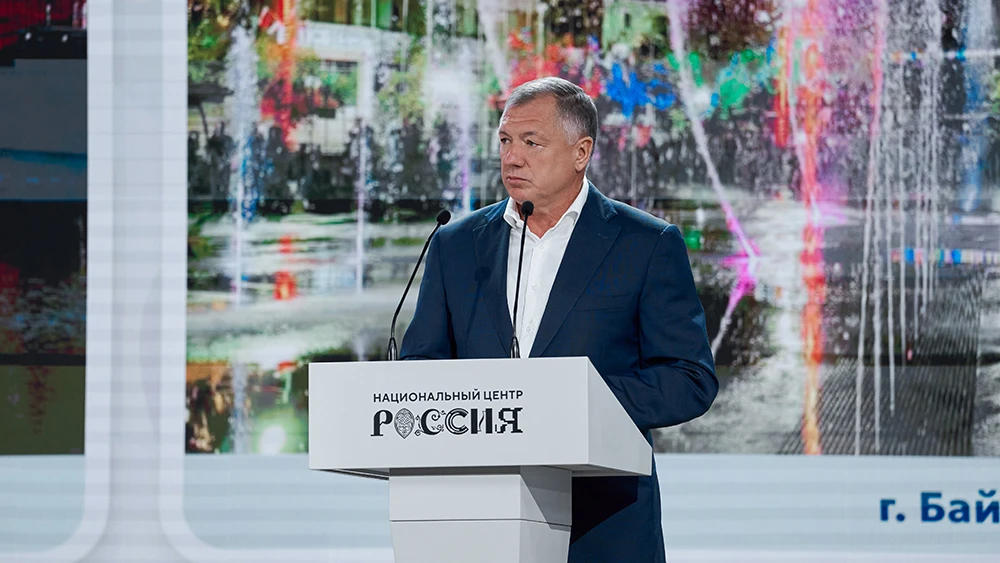
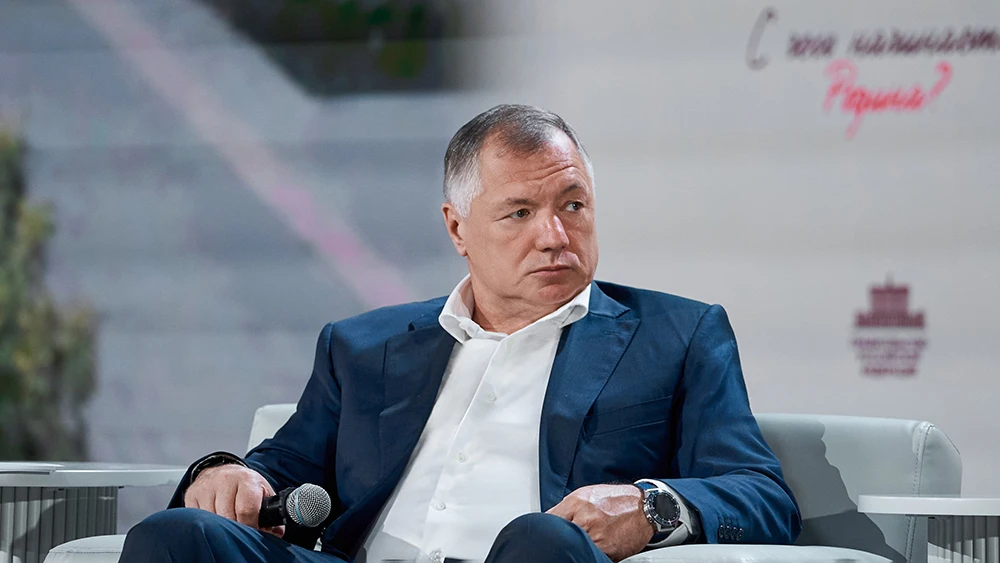
the Motherland Begin With?". The meeting was titled "Quality Housing and Transport Infrastructure". The key speaker was the Deputy Prime
Minister of the Russian Federation, Marat Khusnullin. Together with
representatives of the construction and road industries, public organisations
and youth organisations, he discussed the key areas of government policy aimed
at creating modern, advanced infrastructure to improve people's quality of life
under the national project "Infrastructure for Life".
"Today
at the National Centre RUSSIA, we are discussing what the Motherland means.
People are our country's greatest asset. That is why people and the places
where they live are at the heart of our work. Housing and the urban environment
are not simply facilities, but spaces for development, freedom and security.
They are about ensuring that every family feels comfortable, that children have
a future and that parents have confidence in tomorrow. We are implementing the
national project 'Infrastructure for Life', which brings together everything
people need in their daily lives: where they live, where they relax, where they
work, and how and by which means of transport they travel. Housing is the
central element around which all our future development plans are built,"
said Marat Khusnullin.
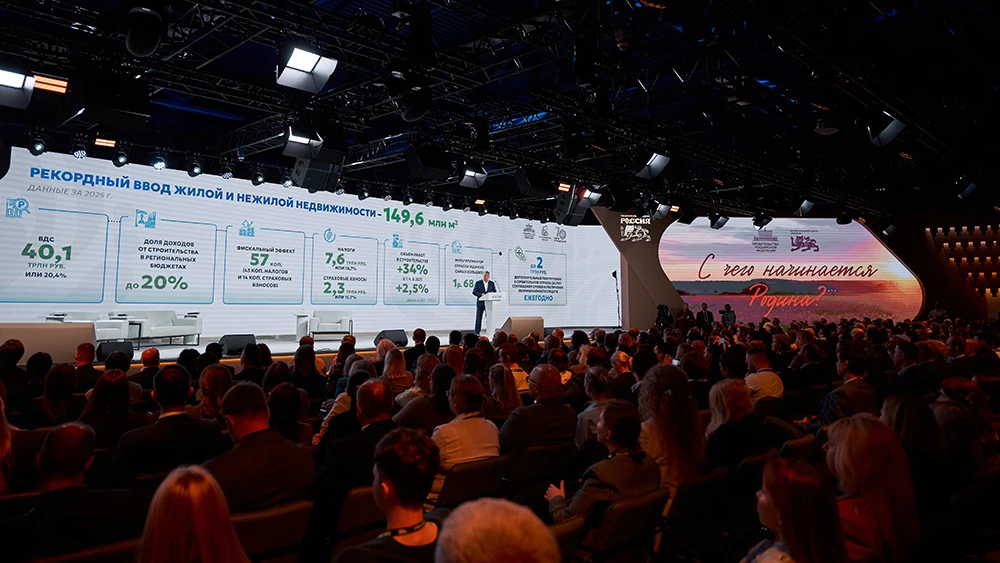
He
emphasised that more than 100 million square metres of housing are currently
under construction. Marat Khusnullin noted that 108 million square metres of
housing were commissioned last year, while the figure reached almost 150
million square metres when all types of property were taken into account. Per
capita, this was the highest figure in the country's history, including the
Soviet period. According to him, the volume of construction work has increased
by 36%, while the construction industry accounts for more than 20% of the
country's GDP.
Marat
Khusnullin explained that mortgages remain one of the main factors determining
the pace of construction and the affordability of housing. According to him,
the state compensates banks for the difference in interest rates under
preferential programmes, particularly the family mortgage programme. As a
result, people who took out loans at 6% continue to pay that rate. He added
that this support is one of the main incentives for housing construction, so
the Government intends to continue developing mortgage programmes and is
allocating significant budget funds for their implementation.
The
development of the road network was another topic discussed with the Deputy
Prime Minister. According to him, this area has received a powerful boost in
recent years.
"Transport
accessibility is one of the most important factors affecting where people live.
We are taking a comprehensive approach to major road projects. One of them is
the 'Russia' Motorway from Saint Petersburg to Vladivostok. Over the past five
years, 3,700 kilometres of high-speed roads have been built in our country
without a single traffic light or intersection. They are well lit and equipped
with flyovers and interchanges, allowing vehicles to travel at more than 110
kilometres per hour. The M-12 Motorway alone, which runs almost parallel to the
M-7 Motorway, already carries 70–80 million tonnes of freight a year. This
year, we will extend it and open the route to Tyumen, creating a complete
four-lane, illuminated motorway from Saint Petersburg to Tyumen. We will then
continue moving eastwards. We are also building bypasses around cities wherever
traffic volumes require them," he said.
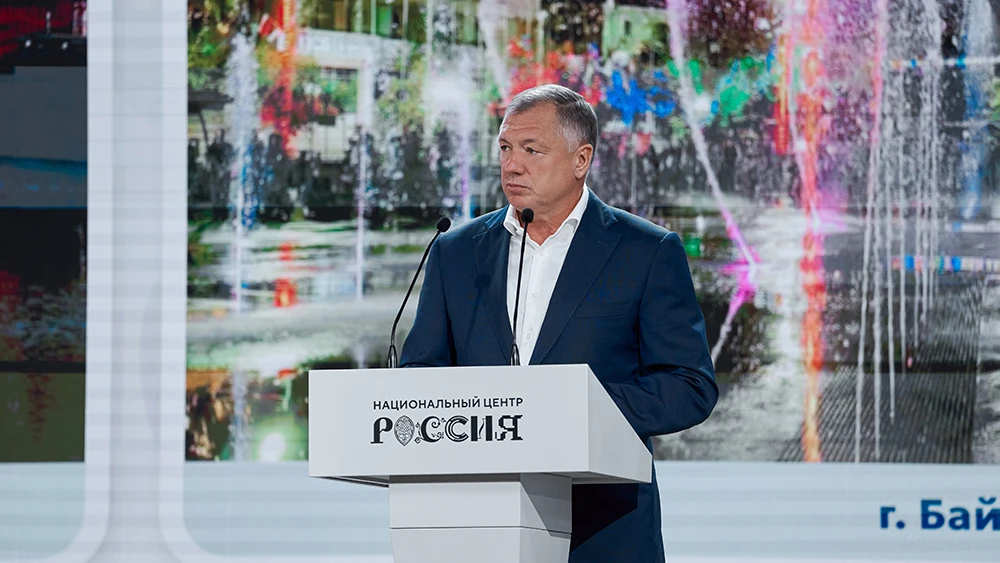
Marat
Khusnullin added that railways are another important mode of transport. It is
crucial that suburban rail services are developed more actively in Russia. The
Deputy Prime Minister cited the Central Transport Hub, the largest in the
world, as an example. This network is continuing to expand from Moscow and the
Moscow Region to cities across the Central Federal District.
The Deputy
Prime Minister emphasised that construction work is also progressing actively
in the reunified and border regions. According to him, despite the difficult
operational situation, work continues every day: 25,000 facilities have already
been restored, federal roads have been brought up to standard, utility
infrastructure continues to be upgraded and housing continues to undergo major
repairs.
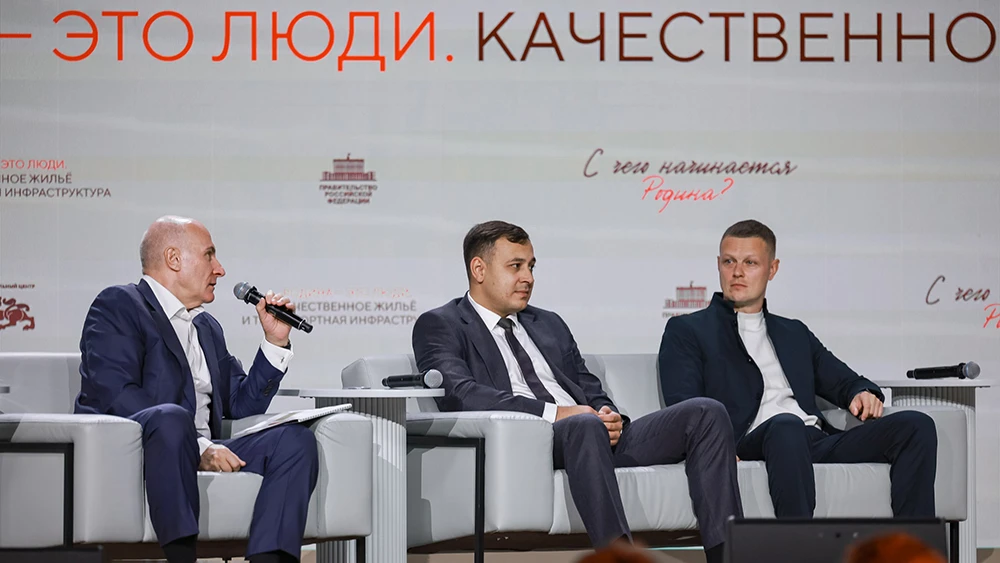
The Head of
the M-12 Vostok Motorway Construction Project at the Avtodor State Company,
Vitaly Shmarov, explained that large-scale infrastructure projects become a
reality through the coordinated efforts of thousands of people involved in
their implementation: "The rapid growth of infrastructure projects has
become possible because, without exaggeration, the entire country is involved
in such projects. Tens of thousands of people worked on the section from Moscow
to Kazan during construction, with around 1,000 pieces of equipment in
operation. Even the relatively short section from Murom to Arzamas required
millions of tonnes of construction materials. We laid two million square metres
of asphalt and built 136 engineering structures. To meet the deadlines, we
introduced innovative solutions such as slipform technology and, for the first time
in Russia, cable-stayed systems manufactured in our country. Previously, all
cable-stayed bridges were built using foreign technologies."
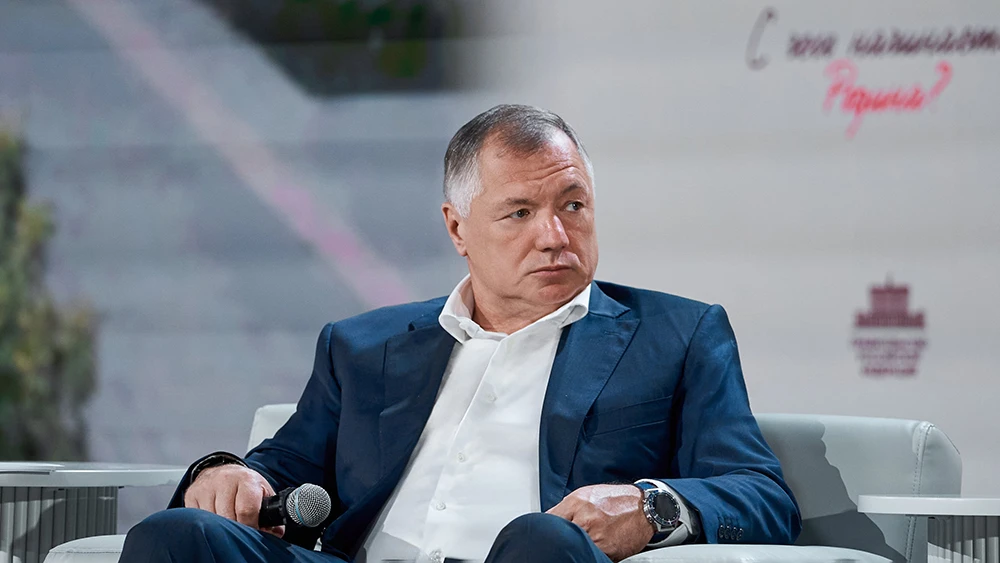
Marat
Khusnullin also discussed the development of international transport corridors.
He noted that it is already possible to travel along high-speed roads from
Saint Petersburg to Sevastopol via the "North — South" route, while
work to develop the road network continues. He identified the "Europe —
Western China" corridor, which connects Saint Petersburg with the Orenburg
Region and Kazakhstan, as another priority. According to him, individual road
sections in the Republic of Tatarstan and onwards towards Orenburg are
gradually being expanded to four lanes in line with traffic volumes.
The Deputy
Prime Minister noted the special role of the All-Russian Contest for the Best
Projects to Create a Comfortable Urban Environment in the development of small
towns and thanked the National Centre RUSSIA for hosting important events,
including the All-Russian Forum "Development of Small Towns and Historic
Settlements". He also recalled that a separate contest for the reunified
and border regions was launched for the first time this year. Residents'
involvement in selecting improvement projects and the work of volunteers demonstrate
the strong interest Russians have in developing their cities.
"Where
there is construction, there is life. Construction is about people. Today, 13
million people work in construction in our country. I recommend joining the
construction industry. The country will continue to build and develop,"
concluded the Deputy Prime Minister.
The
restoration of Russia's historical regions and the creation of opportunities
for the younger generation also received particular attention at the meeting.
Citing the young people of Donbass as an example, the Head of the "Young
South" Interregional Youth Movement, Yulia Klimenko, noted that young
people in the reunified regions are being given every opportunity for
self-expression and to build a constructive, patriotic future.
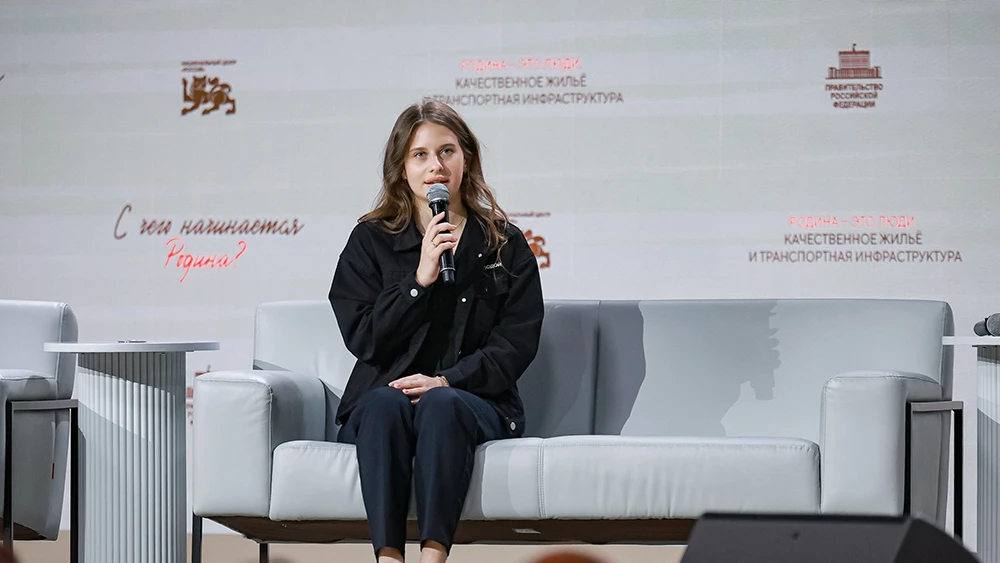
"Most
young people remain in Donbass today because the region is developing very
actively. New projects are being created, and young people enjoy being part of
them. They understand that they are contributing to the development of their
region, so most remain in the place where they were born in order to make it
better. The youth centres that we are actively creating are places of
attraction where any young person can come after school or college to spend
time with friends, attend an educational programme, develop creative skills or,
for example, help residents take part in volunteer or patriotic
initiatives," said Yulia Klimenko.
"Motherland
Is People" is part of the National Centre RUSSIA's original project
"What Does the Motherland Begin With?". The series consists of
several stages involving representatives of the Government of the Russian
Federation, heads of federal executive bodies, heads of Russian regions and
opinion leaders.
Event photobank

The Deputy Prime Minister emphasised the need to integrate all modes of transport, including making greater use of railways for passenger services.
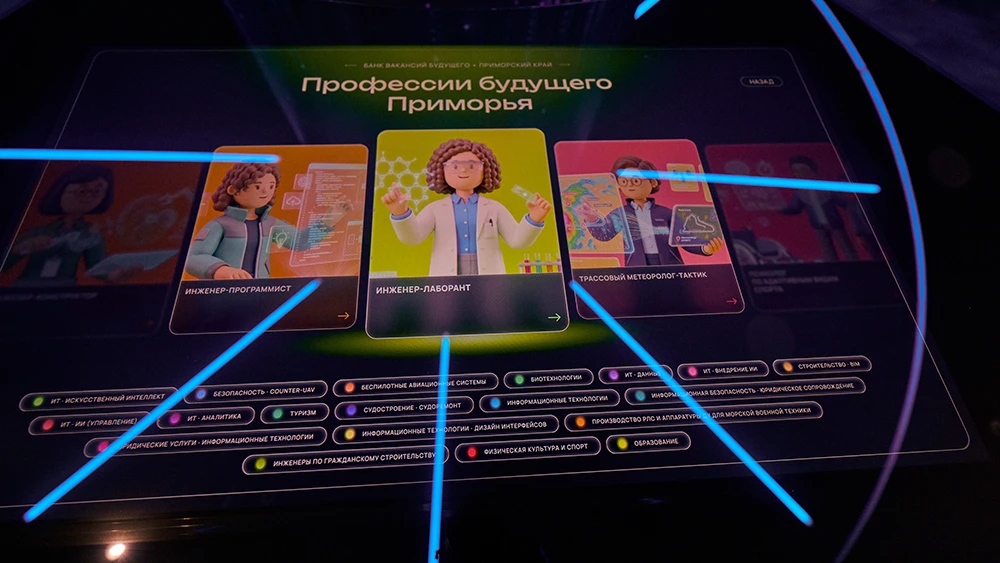
A new exposition titled "Primorye of the Future. Job Bank" has opened at the National Centre RUSSIA in the Primorye Territory.


