


Marat Khusnullin explains how new cultural clusters are transforming Russia's regions
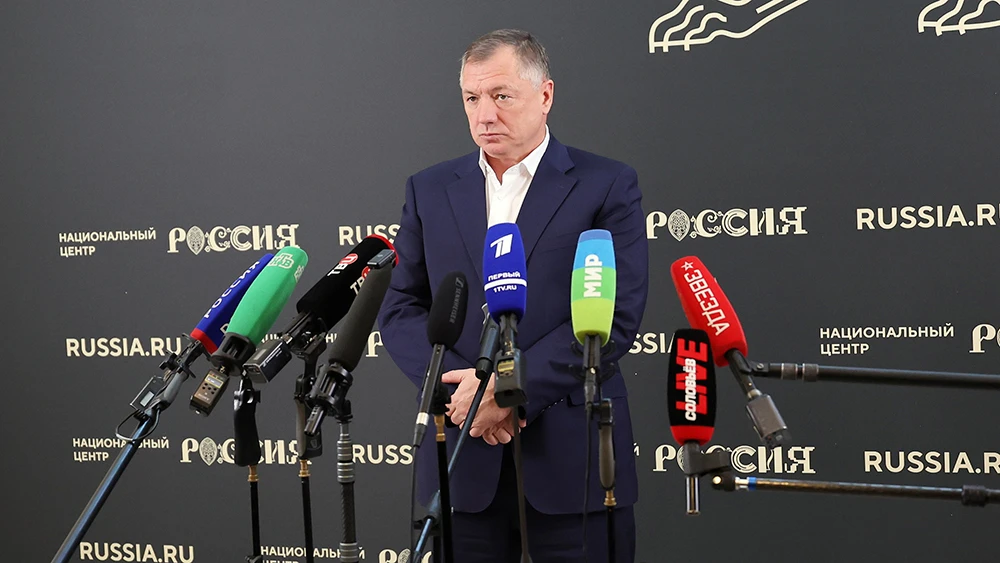
Russia continues to create landmark cultural and educational facilities intended to become major attractions and drivers of regional growth. The Deputy Prime Minister of the Russian Federation, Marat Khusnullin, discussed this on 26 August at the meeting "Motherland Is People. Quality Housing and Transport Infrastructure" at the National Centre RUSSIA.
On the instructions of the President of Russia, Vladimir Putin, four world-class cultural clusters are being created across the country. They will house theatres, exposition spaces, museums, branches of leading Russian cultural institutions and educational organisations. The facilities will have a total area of around 600,000 square metres, with construction scheduled for completion in 2026–2027.
"These include the Tretyakov Gallery, the Mariinsky Theatre, the Bolshoi Theatre and various educational institutions. They are at a very advanced stage of completion. We intend to finish them in 2026–2027. In Kaliningrad, more than half of the project consists not only of the main buildings, but also schools and accommodation for children and students. These are genuine cultural growth hubs," noted Marat Khusnullin.
The Deputy Prime Minister also recalled several completed landmark projects: the new Tretyakov Gallery building in Moscow, the restored building of the Rimsky-Korsakov Saint Petersburg State Conservatory and the new "Planet Ocean" building of the Museum of the World Ocean in Kaliningrad.
The development of university infrastructure is another priority. Twenty-five student campuses are planned to open in 25 Russian cities. According to Marat Khusnullin, such projects allow young people to study in their home regions or close to home while also making universities more attractive.
"The Moscow State University of Civil Engineering is our alma mater in the construction industry, our specialist university. When we began building a campus there, the pass mark rose by 20% this year. As we build these campuses in different cities, we see that young people remain where they live or come from neighbouring regions, rather than everyone leaving for Moscow. This provides a completely different standard of education," emphasised the Deputy Prime Minister.
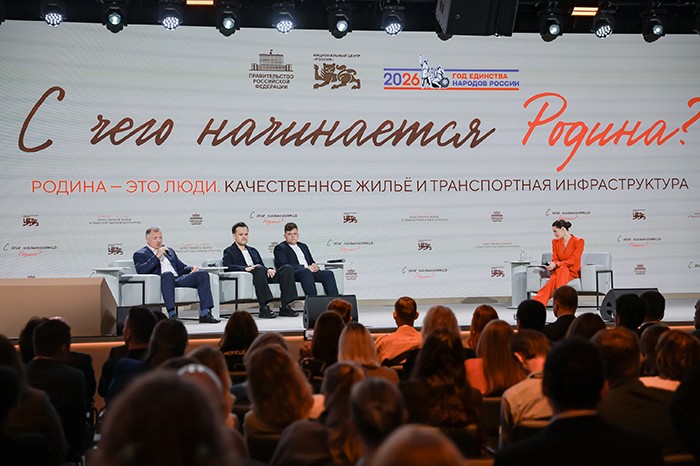
The meeting "Motherland Is People. Quality Housing and Transport Infrastructure" was held on 26 August at the National Centre RUSSIA as part of the original project "What Does the Motherland Begin With?". The series brings together events featuring representatives of the Government of Russia, heads of federal executive bodies, heads of Russian regions and opinion leaders. It is dedicated to the people who are building and developing modern Russia.
Event photobank

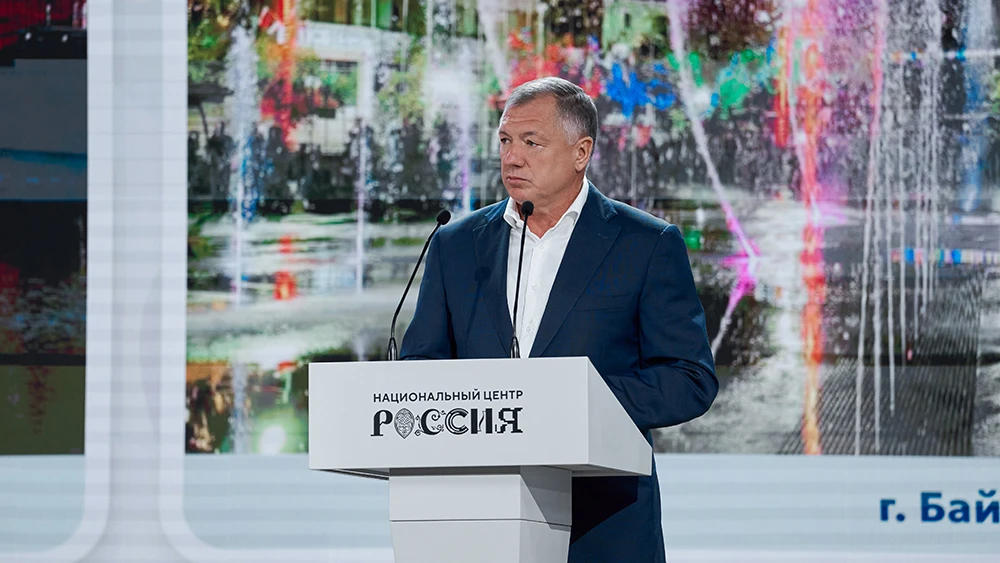
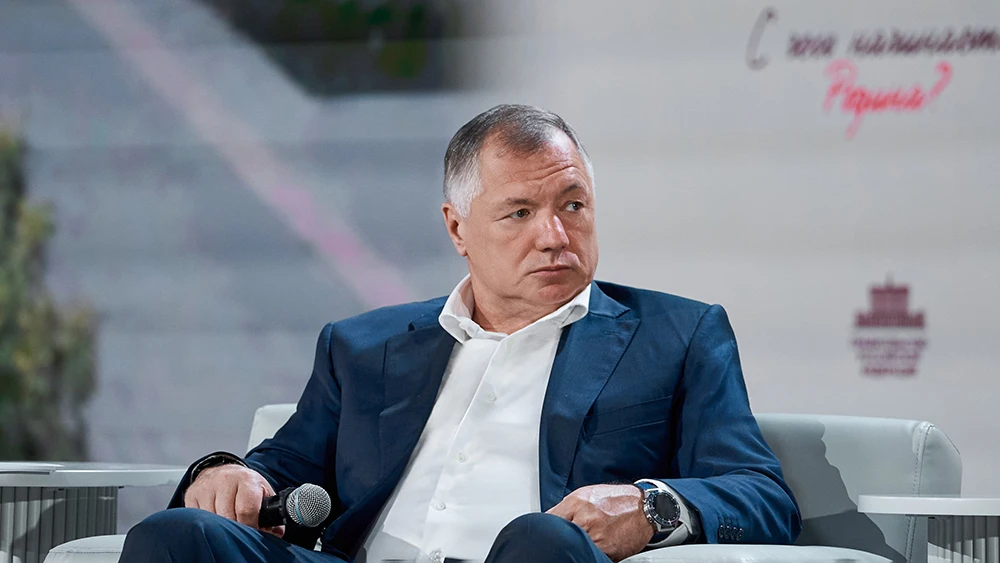
The Deputy Prime Minister emphasised the need to integrate all modes of transport, including making greater use of railways for passenger services.
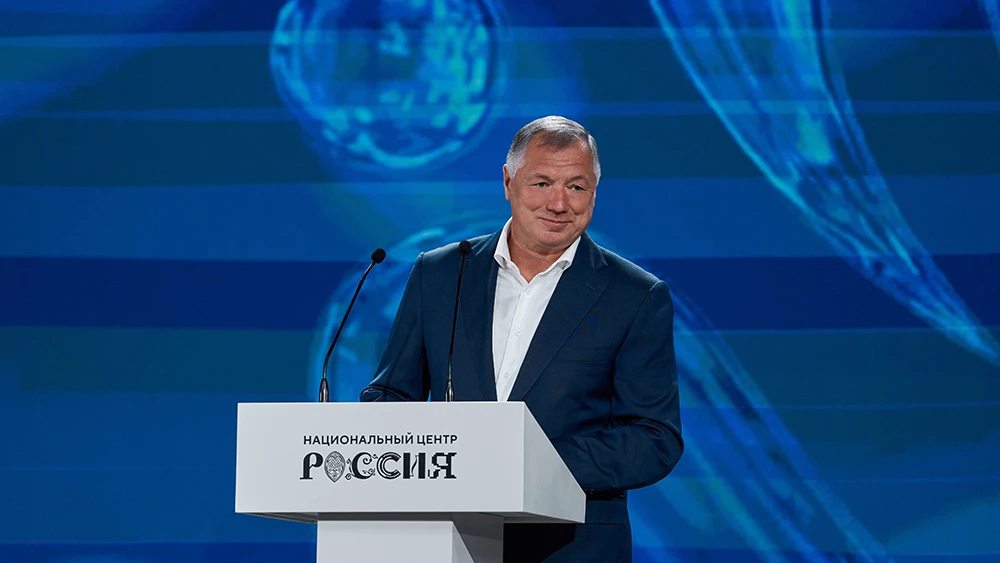
The third meeting in the "Motherland Is People" series was held on 26 August at the National Centre RUSSIA as part of the All-Russian project "What Does the Motherland Begin With?".


