


Mikhail Mamiashvili: Greco-Roman wrestling helps children become worthy heirs to sporting traditions
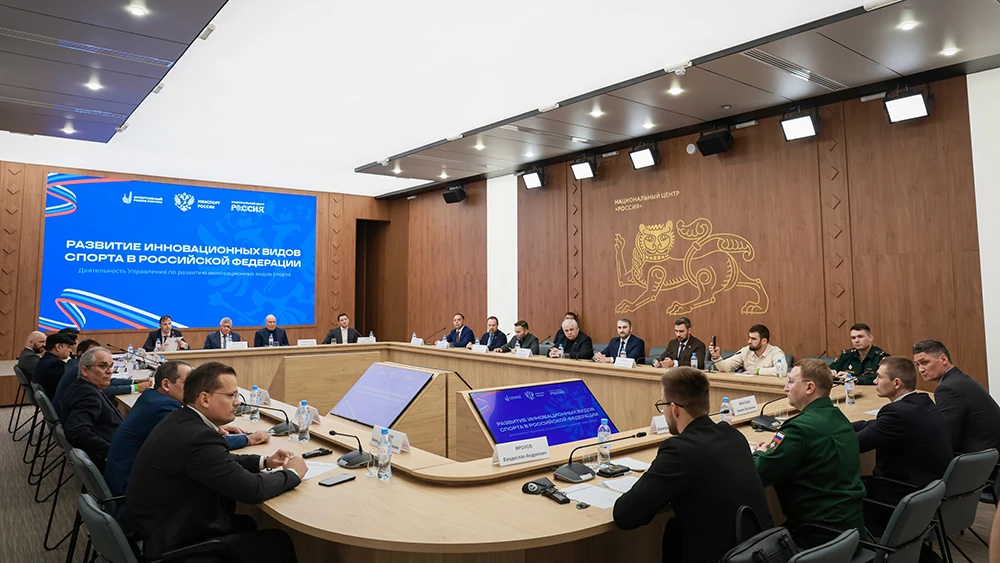
The round table "The Right to Sport: International and National Contexts" was held on 16 October at the National Centre RUSSIA. Participants, including outstanding Russian athletes and representatives of sports governing bodies of Cuba, India and Kazakhstan, discussed access to sport for children and young people and the role of sport in strengthening international ties. The President of the Russian Wrestling Federation, Mikhail Mamiashvili, noted that sport helps the younger generation feel connected to their country's history and responsible for its traditions.
"The gym is a place where traditions are carried forward. A true coach, who is both a mentor and a teacher, helps a child feel a sense of responsibility for the legacy they are to uphold. This includes the victories of Soviet wrestlers at the 1952 Olympic Games, where Greco-Roman wrestlers won four gold medals. Among them were men who had survived the war and concentration camps, yet represented our united and powerful country. Every boy who comes to the gym gains not only an opportunity for social mobility but also the responsibility to be a worthy heir to these winning traditions," said Mikhail Mamiashvili.
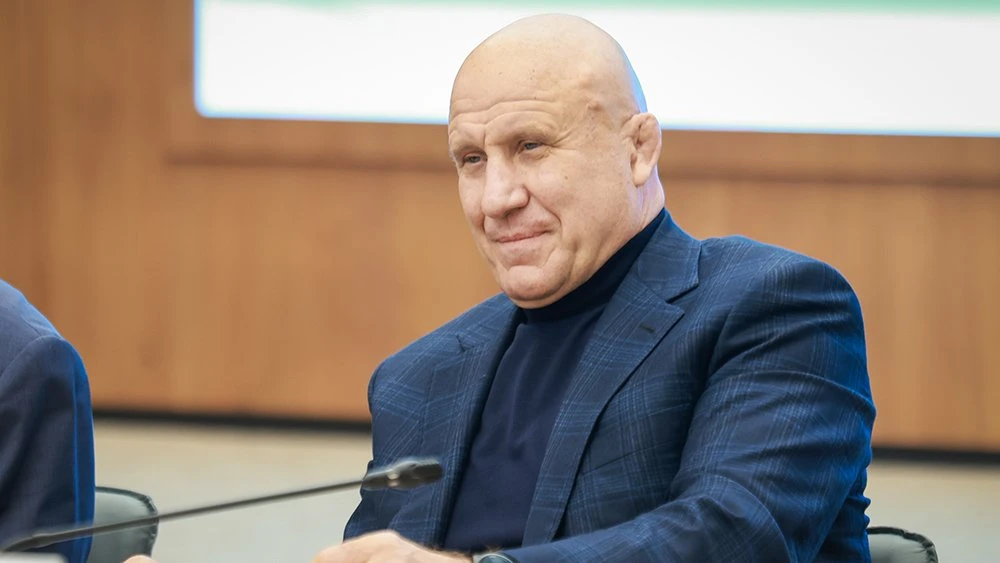
He also highlighted the continuity between generations through the example of Anatoly Parfyonov, champion at the XVI Summer Olympic Games in Melbourne in 1956, who coached another great athlete, Nikolai Balboshin. The champion of the XXI Summer Olympic Games in 1976 carried the country's flag at Olympic opening ceremonies twice. According to Mikhail Mamiashvili, Greco-Roman wrestling is popular in many countries and helps children around the world develop in a balanced way.
During the event, the Director of the Centre for Innovative Competencies in Physical Education and University Sport at the Kosygin Russian State University and an International Class Master of Sport, Denis Vodov, discussed access to sport in Russia and the opportunities it offers for international communication.
"Sport has enormous potential to build ties and friendships between nations. It provides a universal platform for communication between peoples. When people from different countries discuss one another's countries, famous athletes are often the first people they think of. We have many outstanding athletes and sporting legends who are known and loved around the world," noted Denis Vodov.
He added that Russia can share its experience of developing grassroots sport: the country's geographical and climatic diversity allows many different sports to flourish. At the same time, he said, it is important to recognise that not everyone has the opportunity to take part in certain technically demanding or elite sports.
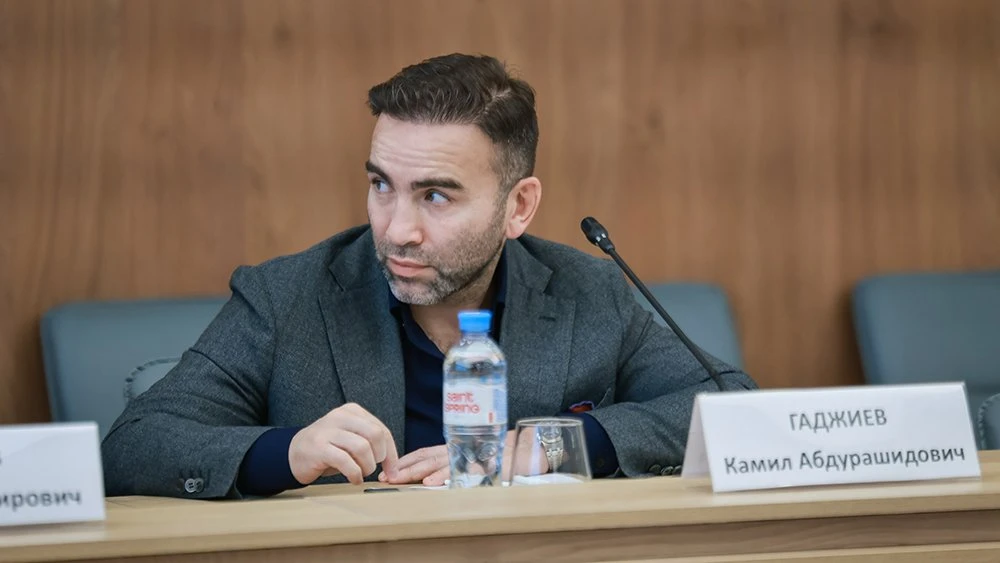
An International Class Master of Sport and Jiu-Jitsu World Cup winner, Kamil Gadzhiyev, emphasised the importance of sharing experience between Russian and Indian athletes: "Russian athletes, especially young people, should discover new countries, take part in international tournaments and win medals. Athletes from India, in turn, should come to Russia, learn about our wrestling tradition and take valuable knowledge home with them. Such exchanges will help develop wrestling and strengthen ties between our countries."
He also highlighted opportunities to develop sports tourism: athletes who travel for training and competitions get to know the country and subsequently tell others about its culture and hospitality.
Practical solutions on the round table's agenda included the "First Start" programme, designed to help families cover the cost of basic kit and insurance, and physical literacy festivals with no elimination of participants. Participants also discussed the digital platform "Sport Is the Foundation", which aims to attract funding from outside the public budget and ensure it is allocated transparently to sports clubs' needs. These initiatives share a common goal: to reduce financial and psychological barriers and help children stay in sport.
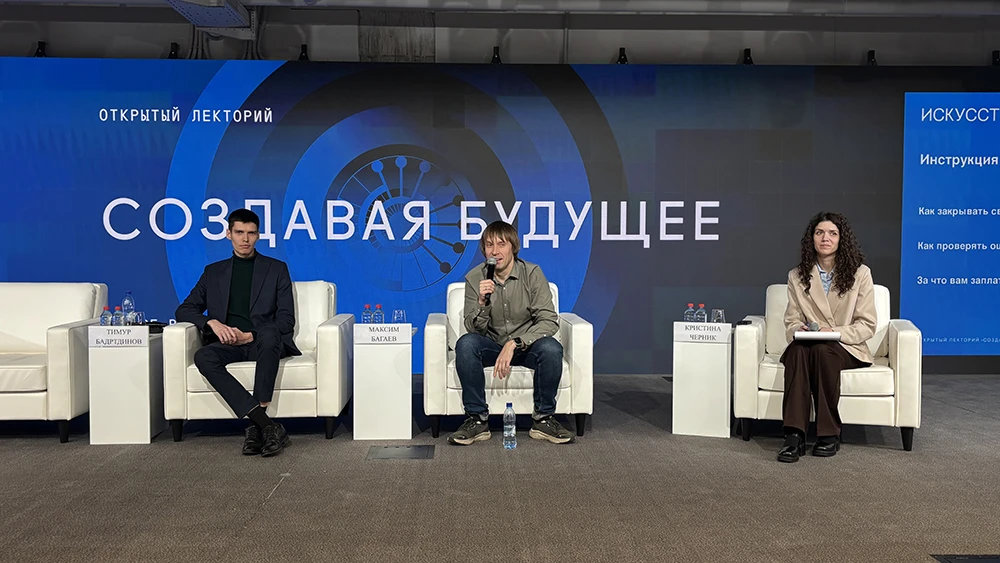
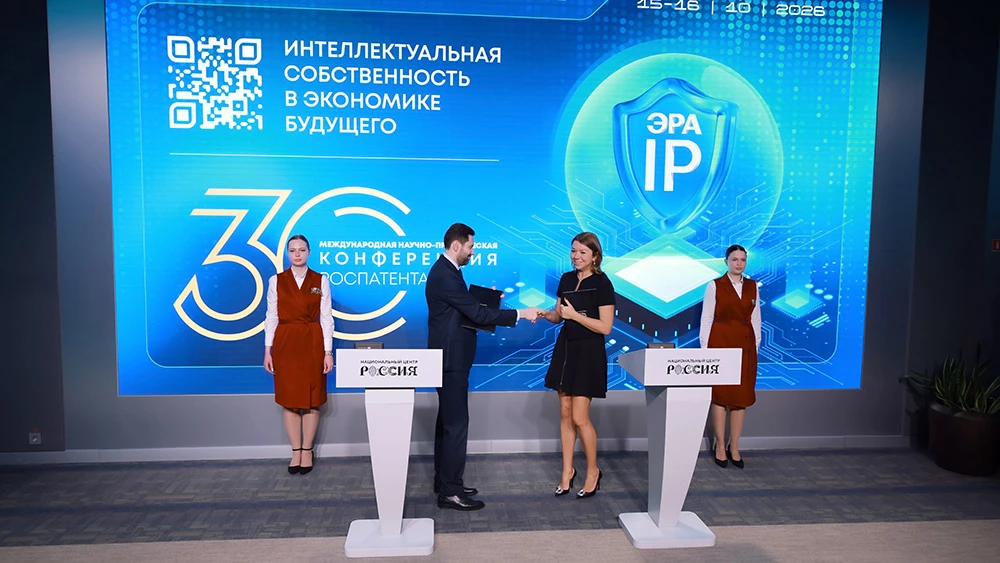
The Director General of the National Centre RUSSIA, Natalia Virtuozova, and the Head of the Federal Service for Intellectual Property, Yuri Zubov, signed a cooperation agreement.
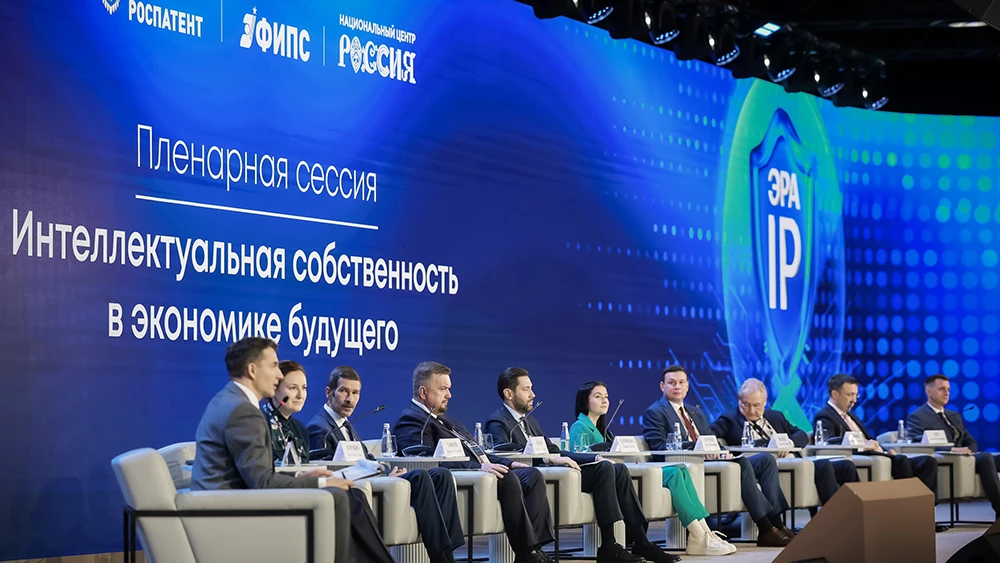
The plenary session of Rospatent's XXX International Scientific and Practical Conference "Intellectual Property in the Economy of the Future" was held on 16 October at the National Centre RUSSIA.


