


Children’s gastronomic festival at the National Centre RUSSIA creates a Recipe for Unity among the country’s peoples
A shared
table and family recipes passed down through generations bring together people
from different regions and cultures. This idea inspired the All-Russian
children's gastronomic festival "GASTRO Tours of the Peoples of
Russia". It was held on 14 October at the National Centre RUSSIA as the
final event of the project "Children Visit Children: The Gastronomic Map
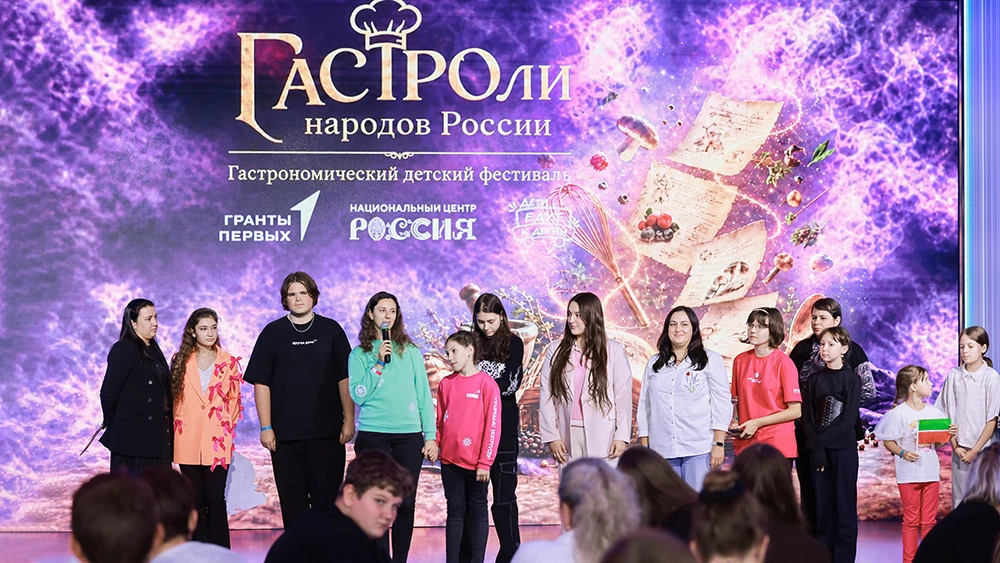
of the First". Fifty finalists from different regions of the country came
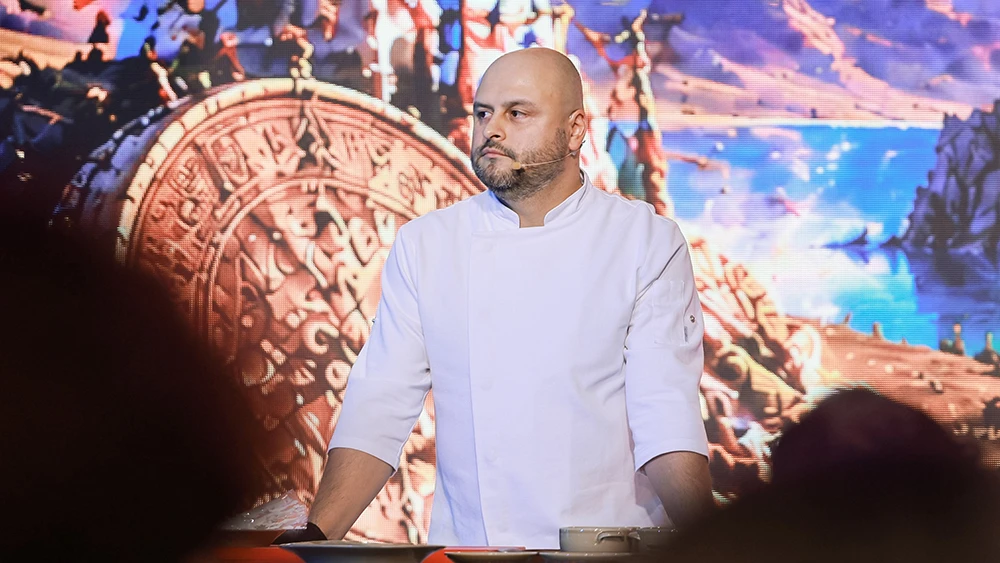
together at the National Centre RUSSIA. Working alongside chefs, the children
took part in culinary battles, shared family stories and combined traditions
from different regions into a "Recipe for the Unity of the Peoples of
Russia". In 2026, the initiative of the All-Russian Youth Council for
Tourism, now in its sixth year, brought together more than 10,000 young people
across the country. The project is supported by the Movement of the First.
The project
"Children Visit Children" centres on a story-based game: the
metaphorical Evil Spirit of Division tore apart the Cookbook of the Peoples of
Russia, scattering five magical artefacts symbolising hospitality across the
country. By joining forces, the children were able to retrieve them and restore
the book, strengthening friendship between peoples and creating a Recipe for
Unity.
"For me, the most important outcome is the response we received when we launched the project. We did not expect so many families and individuals to join us in such a short time. All 89 regions took part, and we were able to collect recipes and family traditions from across the country. As a result, we will be publishing a cookbook of the peoples of Russia, 'Children's Flavours', which we will present very soon. But what matters most to me is bringing families together and the story the children built into the project. Today's festival marks its culmination, with all the pages of the book brought together," said the creator of the project "Children Visit Children", Chair of the All-Russian Youth Council for Tourism and founder of the All-Russian Centre of Expertise for Career Guidance, Ksenia Vedernikova.
She added
that the festival's value lies primarily in bringing families together, and
that unity between peoples begins around a shared table, including
internationally.
"I also took part in this expedition and saw how engaged the children were in their research: they met food historians, took part in workshops, talked to chefs and filmed some very interesting content, which we will make available to all educational institutions in the country. The project is now in its sixth year, and next year it will become international: we will continue to focus on gastronomy and introduce a project on culinary diplomacy. It is very important to us that young people from our countries become friends, because the adults in our project are simply there to help, while the children and young people devise, create and carry out everything themselves," she noted.
The Deputy
Chair of the Council of the regional branch of the Movement of the First, Olga
Gomzyakova, explained why the movement supported the project.
"The
values of the Movement of the First are simple and clear to everyone:
friendship, helping others, a strong family, and respect for our country's
traditions and history. The project 'Children Visit Children' embodies these
values perfectly. It was also initiated by children: they devised the
expedition format as a way to discover the cultures and traditions of different
regions. Through recipes, we learn about family histories, and through national
dishes, we discover cultural traditions. Each of us has a dish that brings back
warm memories of home. Our shared task is to create opportunities for children
to become researchers, storytellers and custodians of traditions, bring
together families from different regions and produce something as valuable as a
recipe book and a geographical map of our vast country's cuisine," said
Olga Gomzyakova.
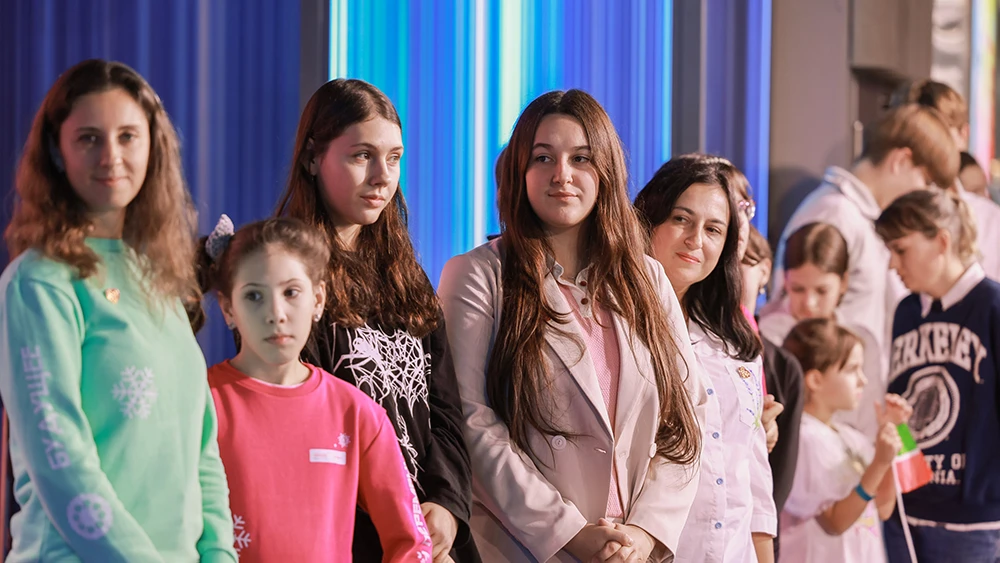
Project participants explored the culinary traditions of the peoples of Russia, collected family recipes and the stories behind them, and completed challenges in "The Great Game: The Artefact Hunt". The game took place during the All-Russian Youth Council for Tourism's expedition exploring food and ethnic traditions across five Russian regions: the Murmansk Region, the Perm Territory, the Udmurtian Republic, the Republic of Buryatia and the Republic of Tatarstan. According to one of the expedition participants, a member of the All-Russian Youth Council for Tourism, Daniil Zyazev, the most important outcome was that the young people fell in love with their country all over again and realised that gastronomy is an important reflection of the regions' history, traditions, culture and distinctive character.
"When
you are sitting in a geography lesson or scrolling through videos on social
media, it is impossible to imagine how vast and diverse our country is, or how
many cultures, peoples and traditions coexist within it. We were able to see
this for ourselves and talk to people from these communities. I had never
understood the expression 'get a taste of a region', and I think the expedition
gave us something essential: a sense that food and gastronomy reflect a people's
culture and character. What people eat in a particular place can help you
understand their centuries of history, explore their traditions and immerse
yourself in that history. We also greatly improved our media skills: over the
two months of the expedition, we filmed more than 100 videos, wrote more than
200 posts and spoke extensively to the media. This experience will certainly
help us later in life and in achieving our career goals," shared Daniil
Zyazev.
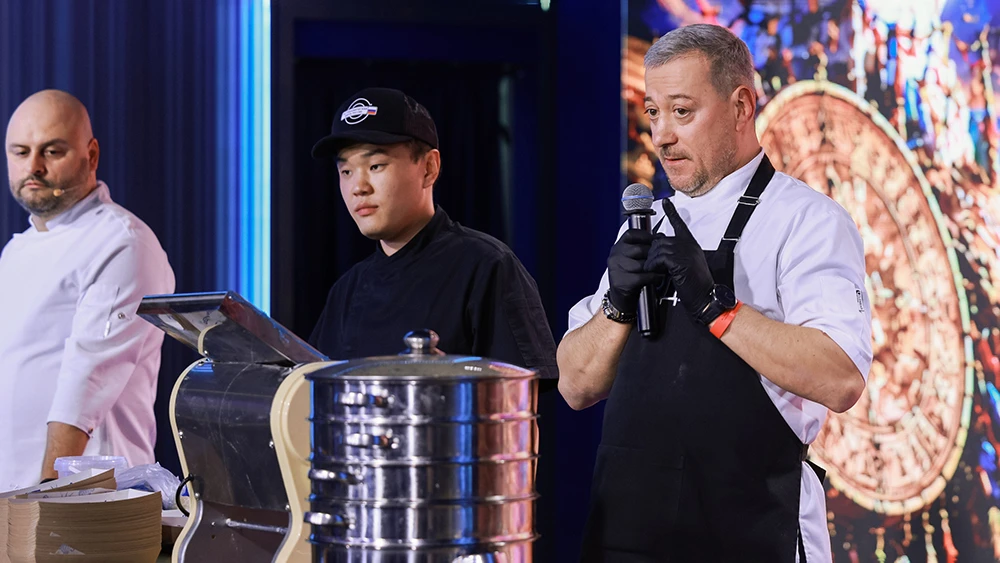
The
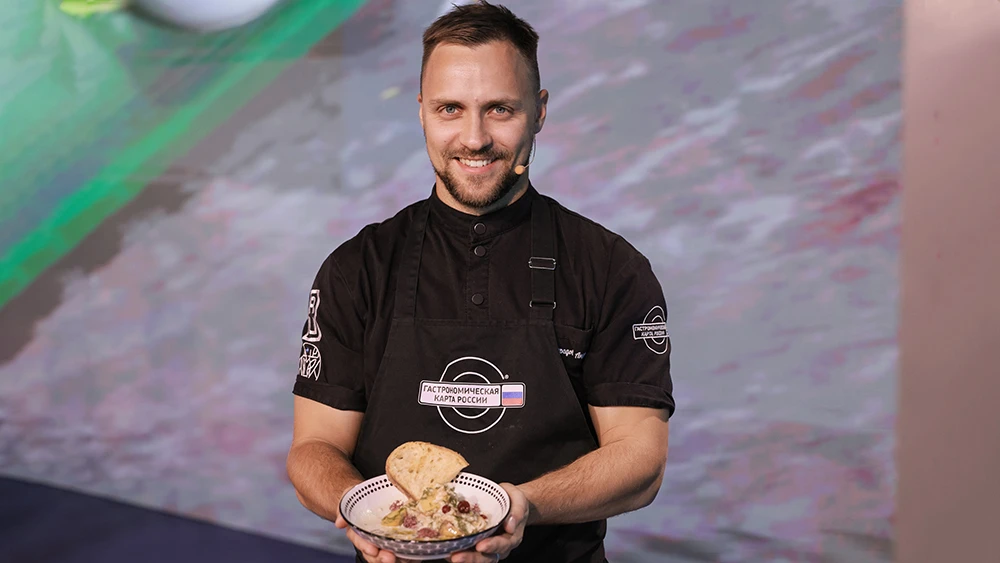
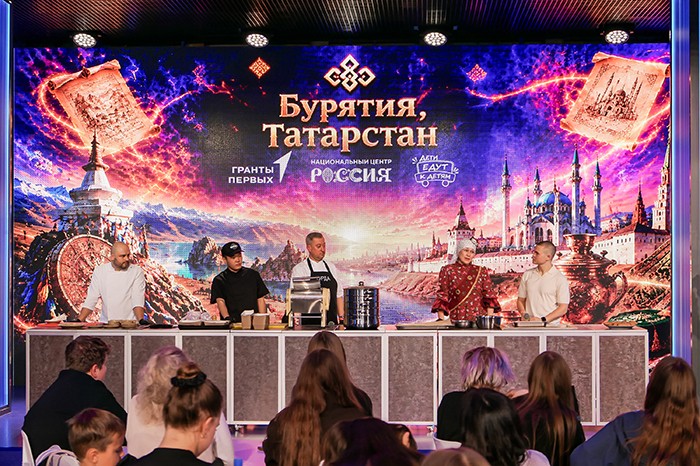
festival participants included the chef of "Orda" ("Horde")
restaurant, Alexei Babich (Ulan-Ude–Moscow); the chef of "Bobrovaya
Dolina" ("Beaver’s Valley") restaurant, Alexei Murashev
(Izhevsk); the owner and chef of "Permskaya Kukhnya" ("Perm Cuisine")
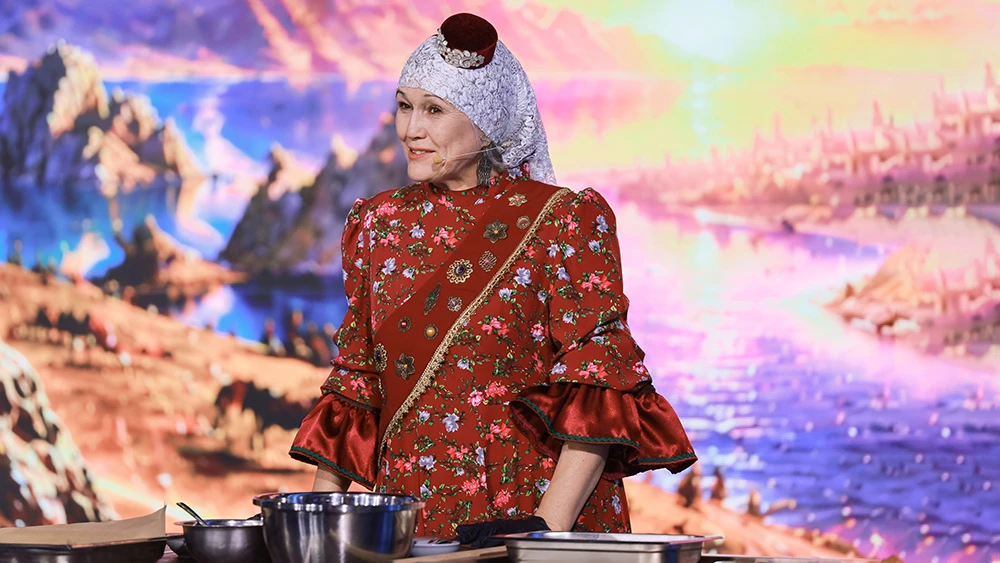
restaurant, Alexei Subbotin (Perm); a Tatar cuisine workshop leader at the
"Echpochmak" House Museum, Rozalia Seifulina (Kazan); and the chef of
the mobile Arctic kitchen "Arctic Moon", Andrei Vinogradov
(Murmansk). Together, they represented the five regions visited by the project's
young participants during the expedition exploring food and ethnic traditions.
A third-generation chef, Alexei Subbotin, discussed how gastronomy becomes a
family vocation and a reflection of a region's history.
"My grandfather worked as a cook in Perm back in tsarist times, and my father devoted his entire life to catering and collected recipes from across the region. In 1979, he wrote the recipe book 'Perm Cuisine'. You could say that this was when the very concept of regional cuisine emerged in our region. It developed under the influence of the peoples who lived in the Perm Territory: East Slavic, Finno-Ugric and Tatar peoples. Each contributed something of their own, creating a story of many nationalities: Russian cabbage soup, Tatar honey-coated fried dough, Bashkir meat with noodles and Komi-Permyak dumplings. Today, that book is like a bible to me: I cook from it, adapting some recipes to new technologies and ingredients," said Alexei Subbotin.
The
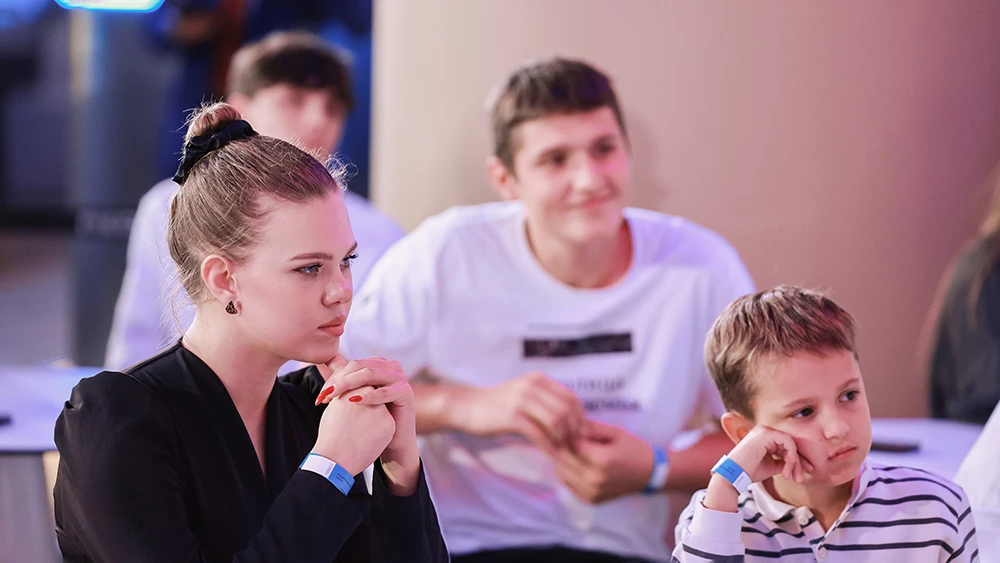
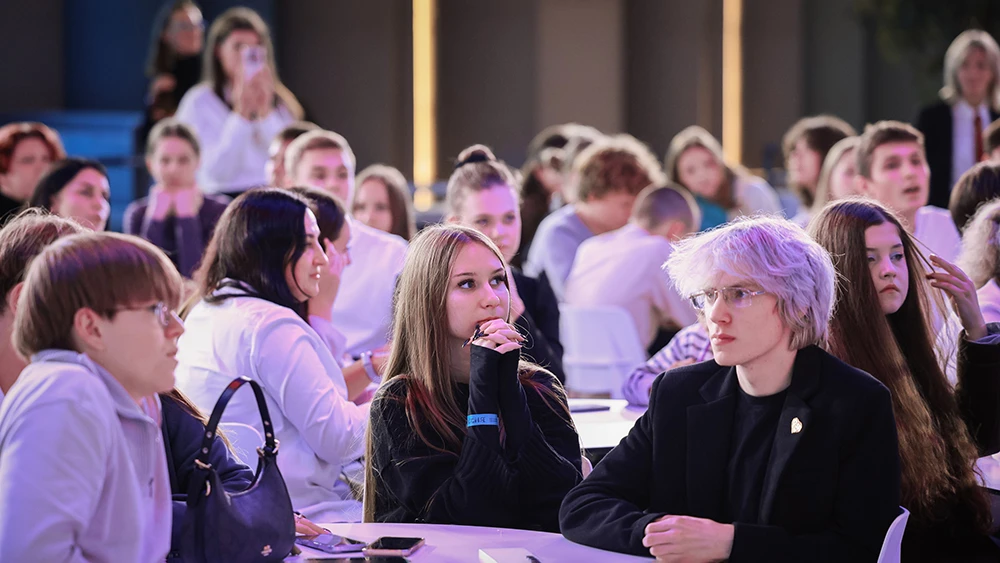
festival became a culinary dialogue between generations, regions and cultures,
with children taking part as researchers, co-creators and active participants
as well as spectators. The programme comprised two rounds. In the first, a
knowledge round, the children identified the regions' "secret
ingredients" and presented original recipes with a fresh interpretation:
three family stories that continued the conversation about traditions and
continuity between generations. The second round saw the creation of a symbolic
"Recipe for Unity", a joint creative endeavour by the project
participants and chefs representing the expedition's five regions. The festival
concluded with a symbolic ceremony to restore the Book and the presentation of
commemorative gifts to the project participants.
Event photobank

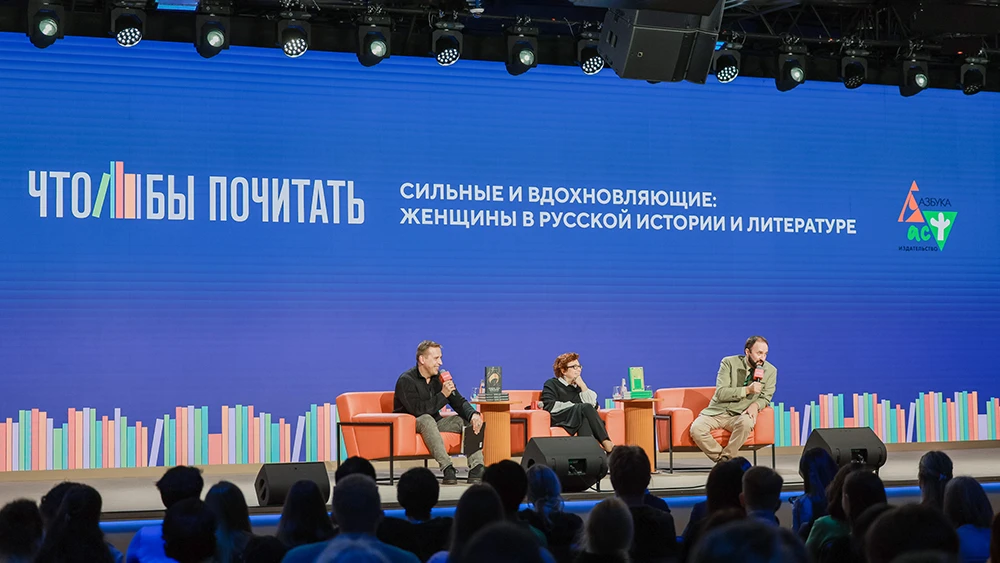
The experts discussed the ways women exercised influence and the limits of their independence in different eras.
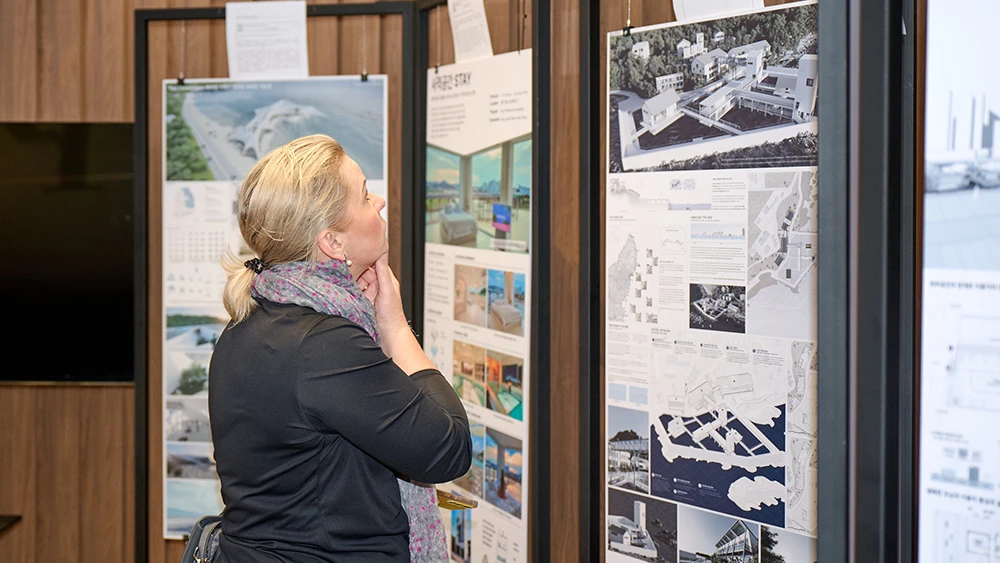
The XIX Annual Session of Urban Planners began at the National Centre with the opening of an exposition of Korean architects' work.
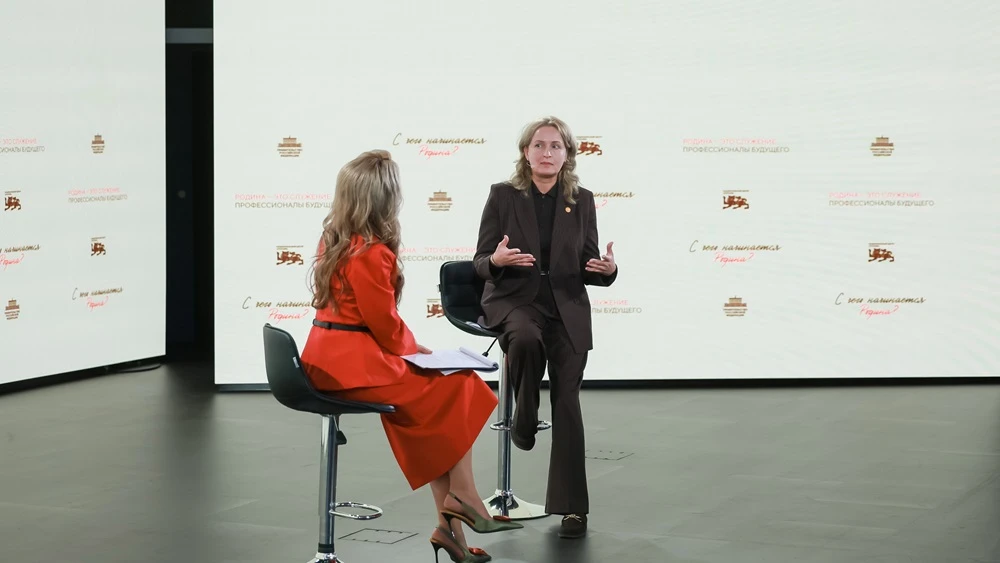
The "Motherland Is Service" series of meetings is dedicated to people who have established themselves in their professions and made a significant contribution to the development of both their sectors and the country as a whole.


