


Strong, talented, inspiring: discussion at the National Centre RUSSIA explored outstanding women in Russian history and literature
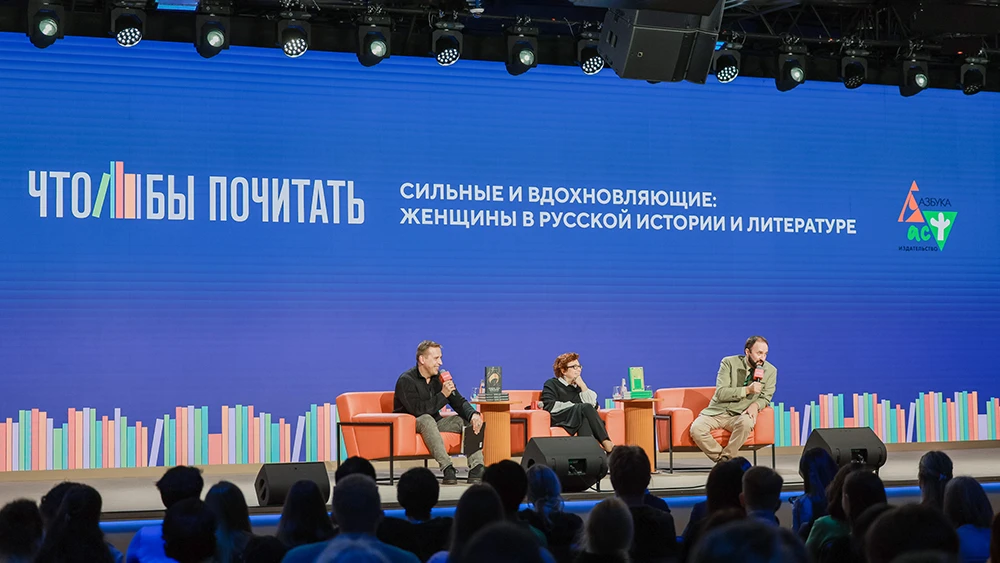
Women's roles in Russian history and literature are often
reduced to labels such as "fatal muse", "faithful
companion" or "power-hungry schemer" alongside the names of
great historical figures. But what really lies behind these descriptions, and
how closely do established clichés and legends reflect actual events? Experts discussed these questions on
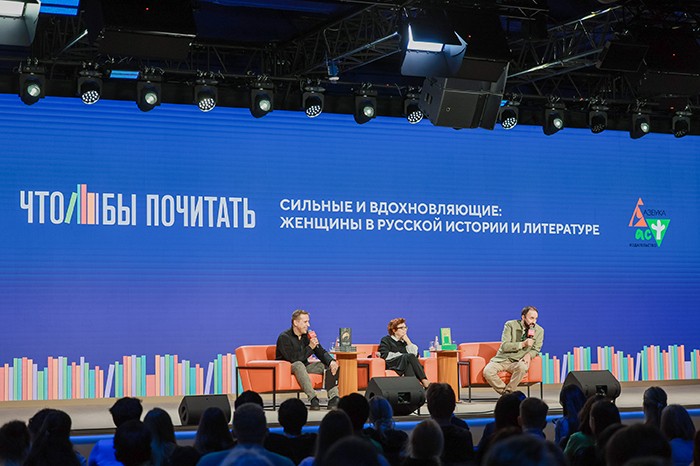
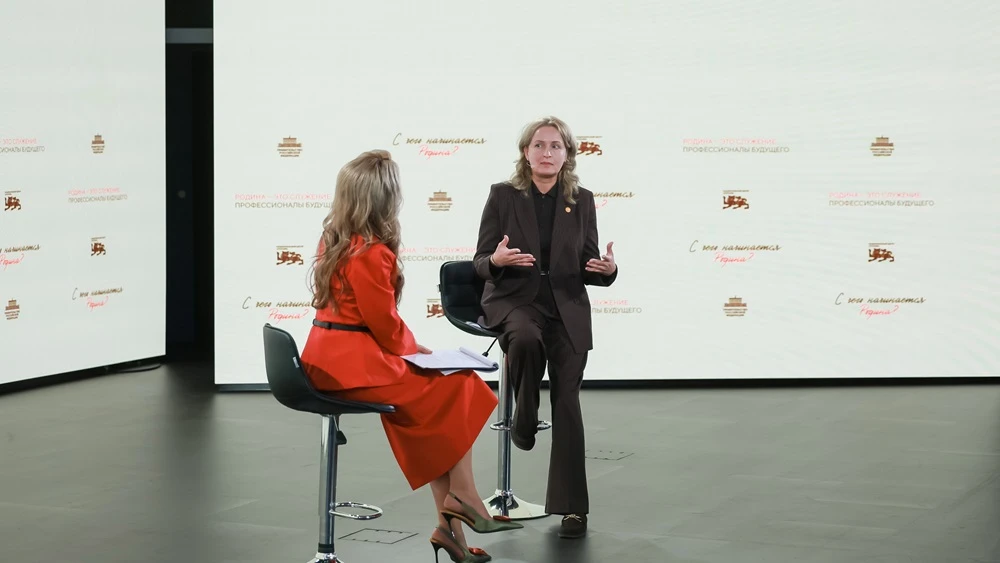
14 October at the National Centre RUSSIA during a meeting of the Literary Club
"What to Read?!" on the theme "Strong and Inspiring: Women in
Russian History and Literature". Through biographies, letters, diaries and
works of fiction, the participants challenged stereotypical portrayals and
traced how personal qualities and the ability to act at decisive moments
enabled women to assert their right to a voice of their own, write great books
and even govern a country.
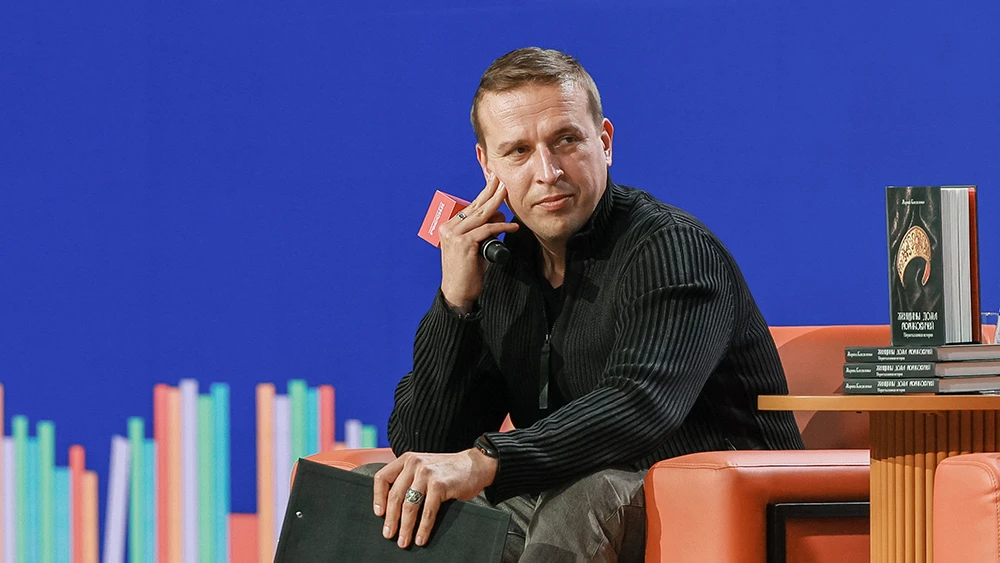
"We
cannot reduce women in Russian history to 'rulers' or 'muses' alone, because
that means overlooking many famous women artists, writers and figures in
culture and the arts. Such a perspective is always a simplification intended to
make historical processes easier to understand. But only by trying to
understand the deeper historical context can we grasp the real motivations
behind many events. The layers of historical accounts and differing recollections
often leave us with a somewhat inaccurate picture of the past. Today's meeting
matters precisely because it helps us understand this better: women have never
played a secondary role in Russian history or literary history. Without them,
it is impossible to say what course our history would have taken or how our
culture and the country as a whole would have developed," emphasised the
Literary Club's host, philologist, cultural scholar, writer and populariser of
art and literature, Nikolai Zharinov.
The experts
discussed the ways women exercised influence and the limits of their
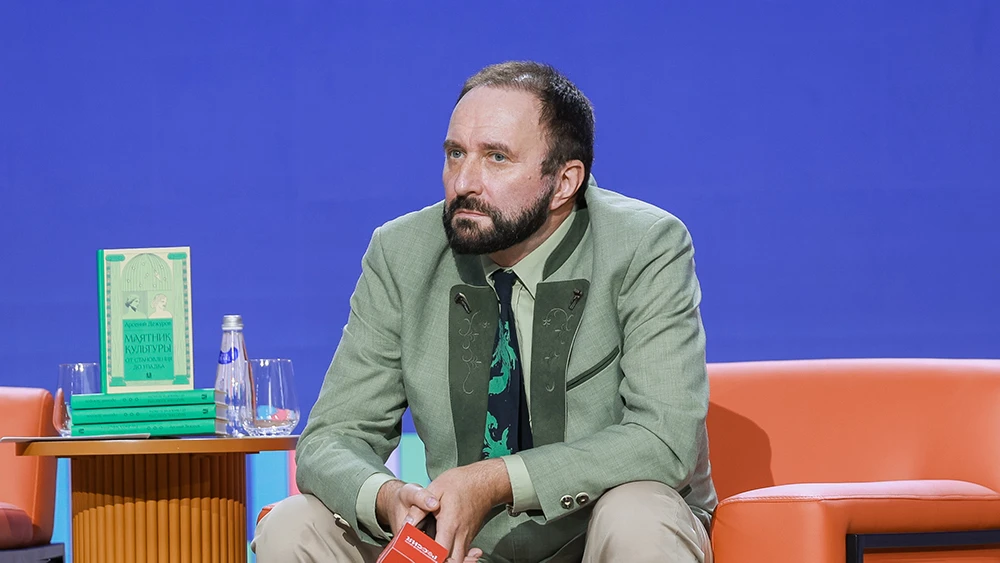
independence in different eras. Drawing on the example of Anna Kern and
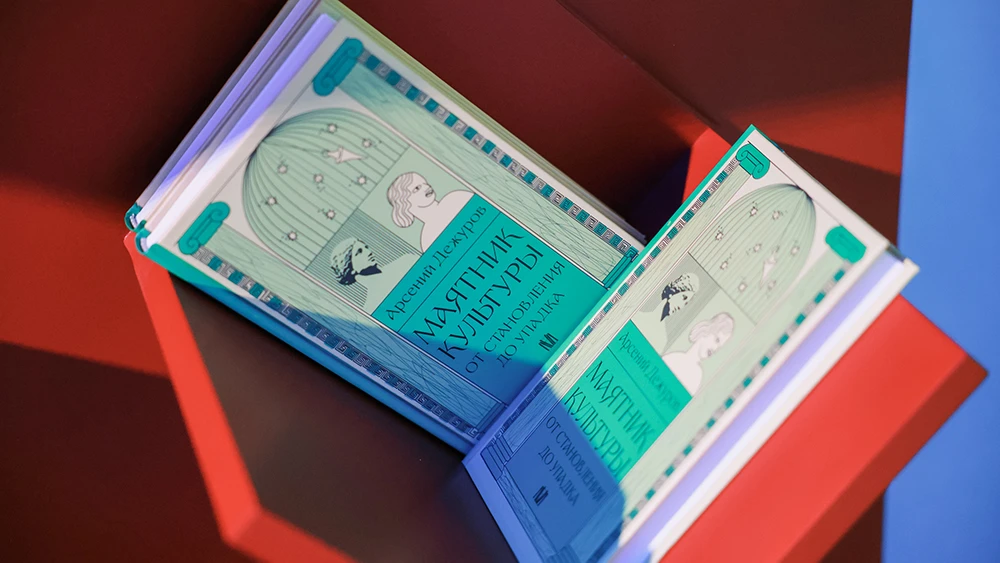
Alexander Pushkin, the Candidate of Philological Sciences, art historian and
writer Arseny Dezhurov explained how a writer's personal impression or even
mood can shape the portrayal of a woman in poetry. He stressed that this
portrayal cannot be equated entirely with the real woman.
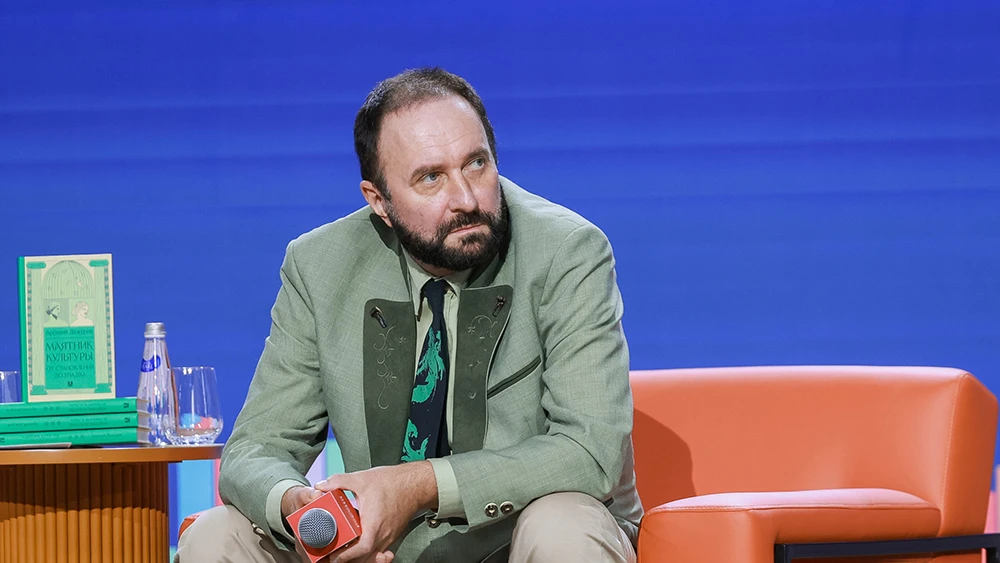
"There are not many similarities between a beloved
woman who inspired a literary portrayal and the resulting character — at least
in the work of a true writer. For example, in the poetry of the troubadours,
right up to Francesco Petrarch himself, all their fair ladies were blonde with
brown eyes: such women were considered the most beautiful. Lotte in 'The
Sorrows of Young Werther' has black eyes, although the real Lotte's eyes were
blue: Goethe felt that this would work better in literary terms. Or take Leo
Tolstoy's 'Anna Karenina', which depicts a real scene in which Levin and Kitty play
a kind of written charade, writing the initial letters of words on a card table
that only the two of them are meant to understand. It is thought that Leo
Tolstoy posed similar riddles to his wife, Sofia Andreyevna, in real life,
though with less success. So
literature is not the same as life. We do not think in the language of literary
monologues or speak in literary dialogue, and we love real women, not
characters," said Arseny Dezhurov.
A scholarly
perspective came from the Candidate of Historical Sciences, screenwriter,
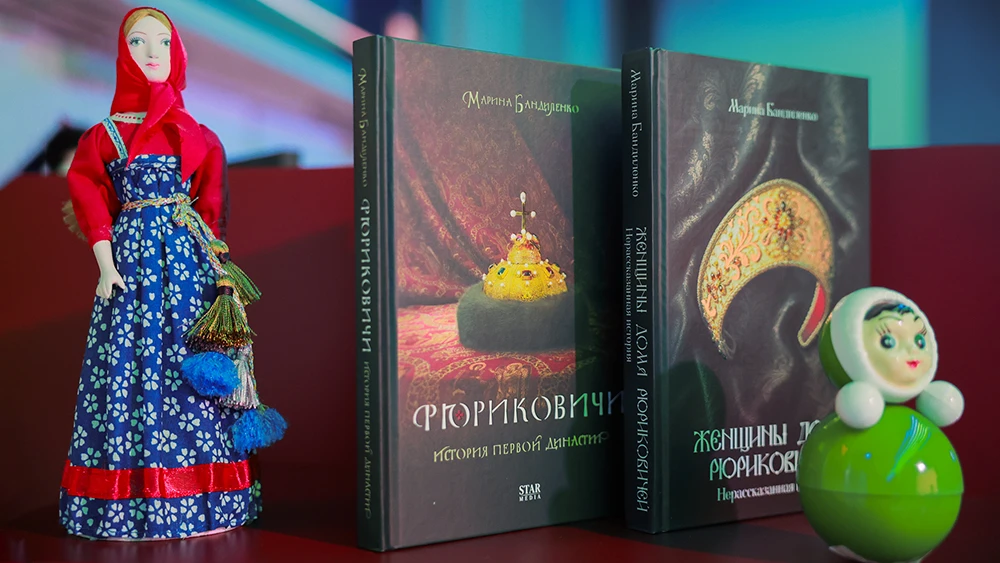
writer and author of "Women of the House of Rurik: The Untold Story",
Marina Bandilenko. She traced Princess Olga's path to governing the state
independently. She paid particular attention to the relationship between personal
qualities and the opportunities afforded by her position as a prince's widow
and the mother of his heir, at a time when a woman in power was an exception.
At the same time, according to the writer, family duty was largely the main
aspiration for women of the past, especially those in ruling dynasties: from
the outset, they understood their lineage and the obligations it entailed.
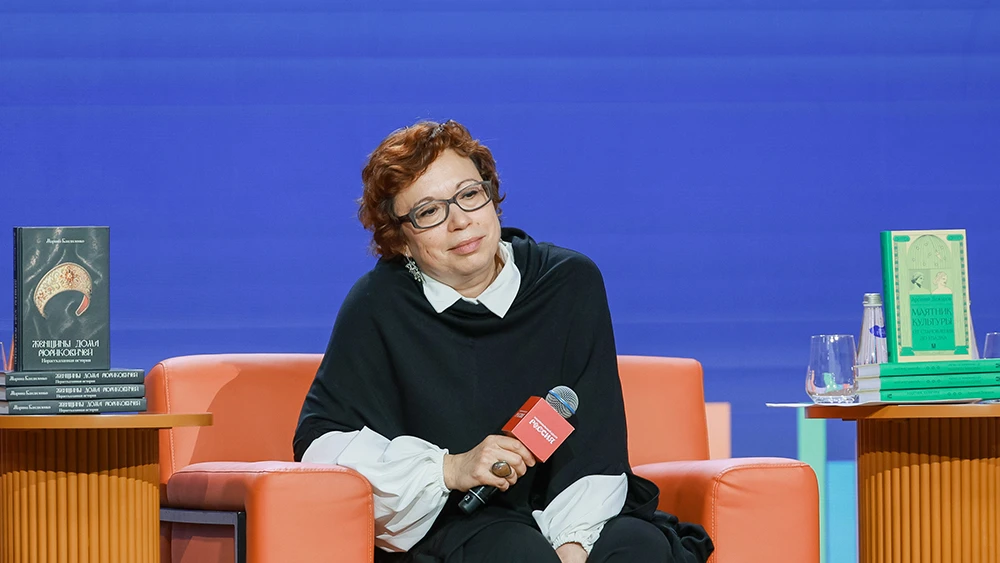
"Family
duty was, essentially, their main aspiration. There was no notion of, for
example, 'First I will get an education and travel the world, then I will start
a family.' From the outset, knowing their lineage, they sought to continue the
family line and raise children who might one day govern the country. There is a
perception that women in the past did nothing but embroider and bear children.
But when you consider that they were raising worthy rulers, the mission
entrusted to women takes on an entirely different significance. Can women today
learn from this? I believe they can," said Marina Bandilenko with
conviction.
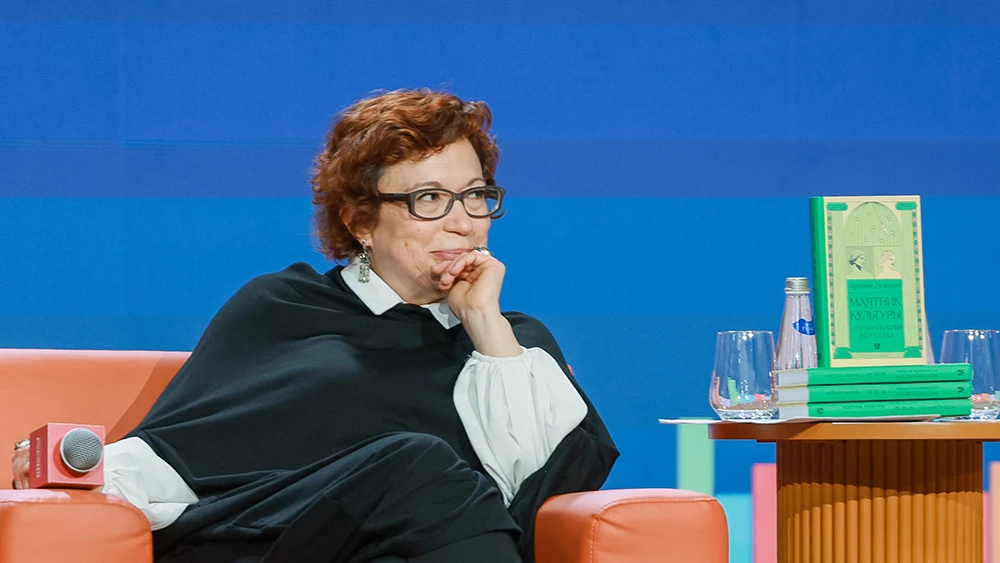
The experts discussed how responsibility towards the family coexisted with the right to determine one's own destiny. Drawing on the example of Anne of Kyiv, Queen of France, Marina Bandilenko discussed dynastic marriages as a means of building international relations. A particular focus was the moving story of love and devotion between Yevdokia of Suzdal and Dmitry Donskoy against a backdrop of harsh political realities and the threat from the Horde.
Arseny
Dezhurov, in turn, discussed how Anna Dostoevskaya combined stenography,
publishing and managing the family finances, while Sofia Tolstaya defended her
right to disagree, even with a genius.
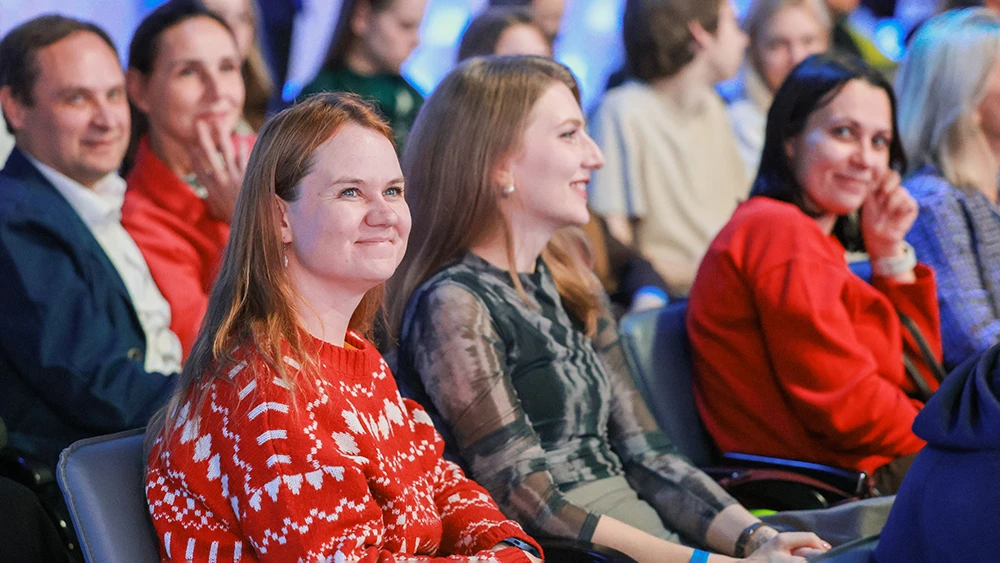
The experts
also sought to understand why some women are called faithful companions and
others fatal muses. Marina Bandilenko discussed Sophia Palaiologina — a
Byzantine princess, the wife of Ivan III and the mother of his heir — and how
her arrival transformed the character of the Muscovite state. Particular
attention was paid to struggles between court factions and conflicting portrayals
of Sophia in the chronicles as a "wise ruler" or a "power-hungry
schemer".
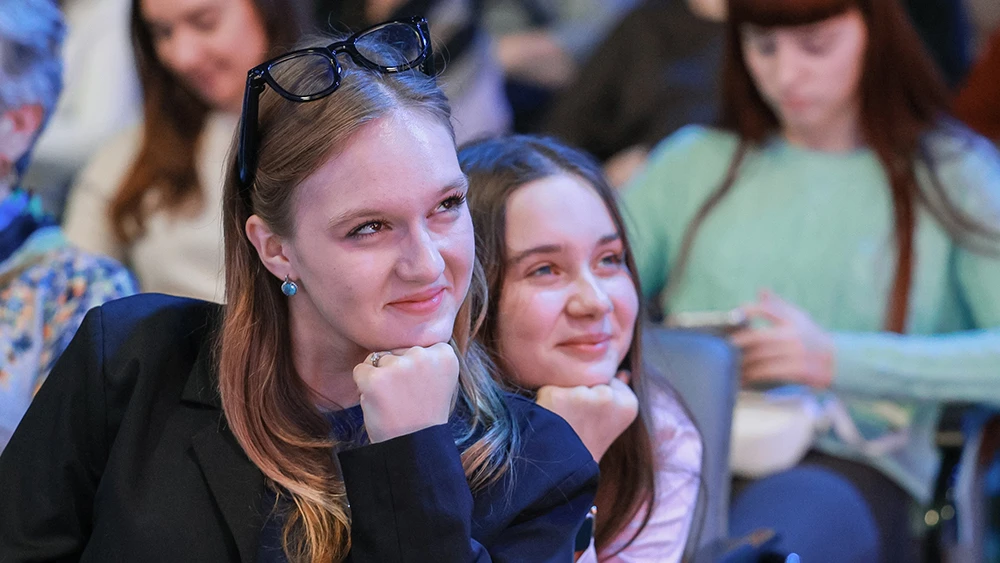
The
National Centre RUSSIA's original club "What to Read?!" was created
for people who see books as a key to personal development and to understanding
the past, present and future. The experts and guests at this intellectual forum
focus on developing a culture of reading, discussing literary legacy and
exchanging ideas. Attendance at future club meetings is free, but registration
on the russia.ru website is required. The latest schedule is available in the
"Events" section.
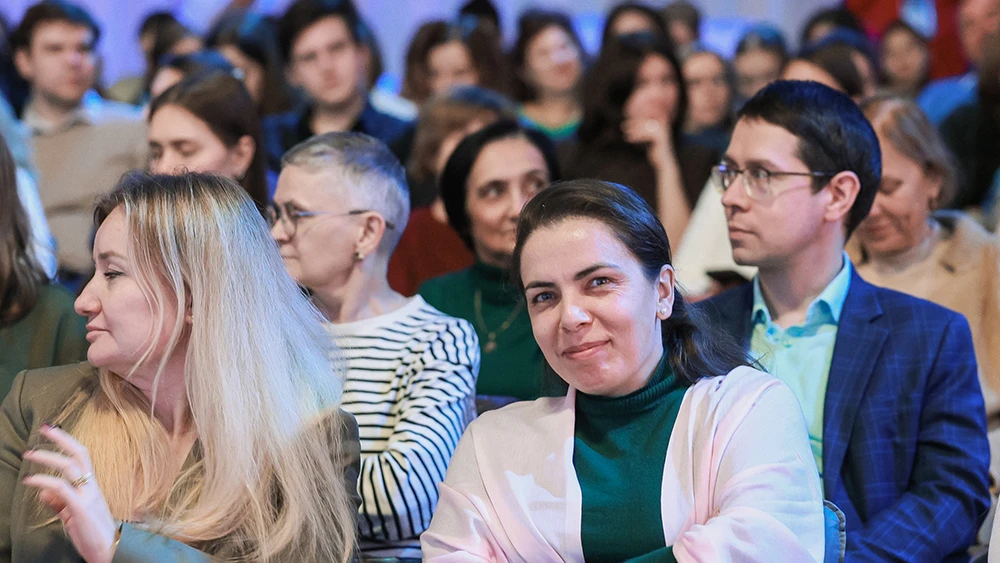
The full recording of the meeting "Strong and Inspiring: Women in Russian History and Literature" is available via the link.
The next meeting in the National Centre RUSSIA's original project "What to Read?! Meanings" will be held on 22 October 2026. Participants can look forward to an engaging and useful discussion about making sense of a rapidly changing world, developing critical thinking and protecting themselves from panic fuelled by information. Registration and further details are available on the event page.
Event photobank


Fifty finalists from different regions of the country came together at the National Centre RUSSIA.

The XIX Annual Session of Urban Planners began at the National Centre with the opening of an exposition of Korean architects' work.
The "Motherland Is Service" series of meetings is dedicated to people who have established themselves in their professions and made a significant contribution to the development of both their sectors and the country as a whole.


