

Natalia Virtuozova: the National Centre RUSSIA begins work on the concept for a park around its new building in Moscow
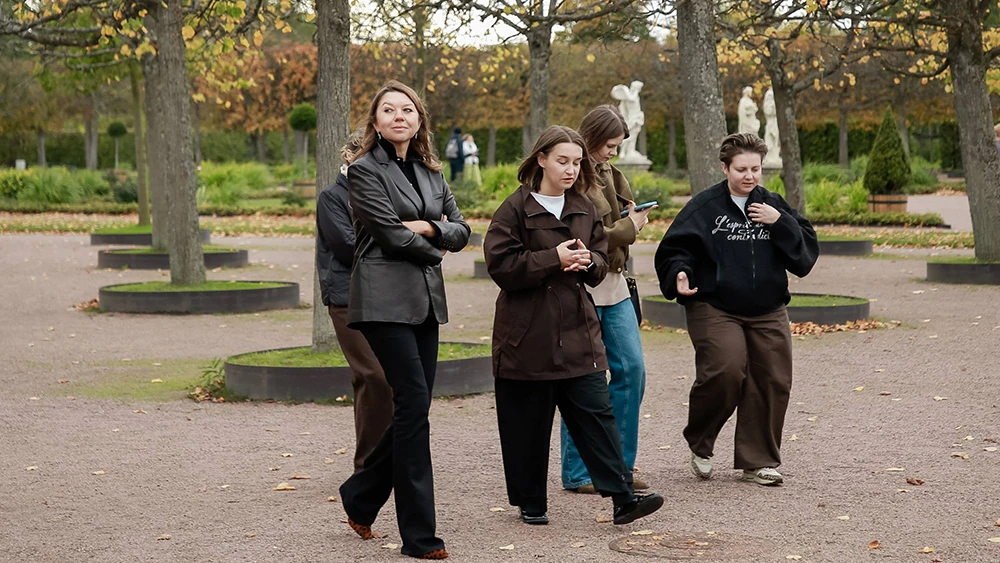
The National Centre RUSSIA is studying best practices for creating a landscaped park around its new building in Moscow. After construction of the new space is completed in 2029, four hectares of the surrounding area will be landscaped. Director General of the National Centre RUSSIA Natalia Virtuozova spoke about what the future space could look like.
"We have begun developing the concept for the landscaped park around the new building of the National Centre. In creating the project, we are drawing on the experience of the country's leading park ensembles. At Tsarskoye Selo and Peterhof, the art of working with space, light and nature was refined over centuries. The many years of experience accumulated by these museum-reserves are an invaluable resource for us. We want to create a space that will become just as attractive a destination for future generations for many years to come," said Director General of the National Centre RUSSIA Natalia Virtuozova.
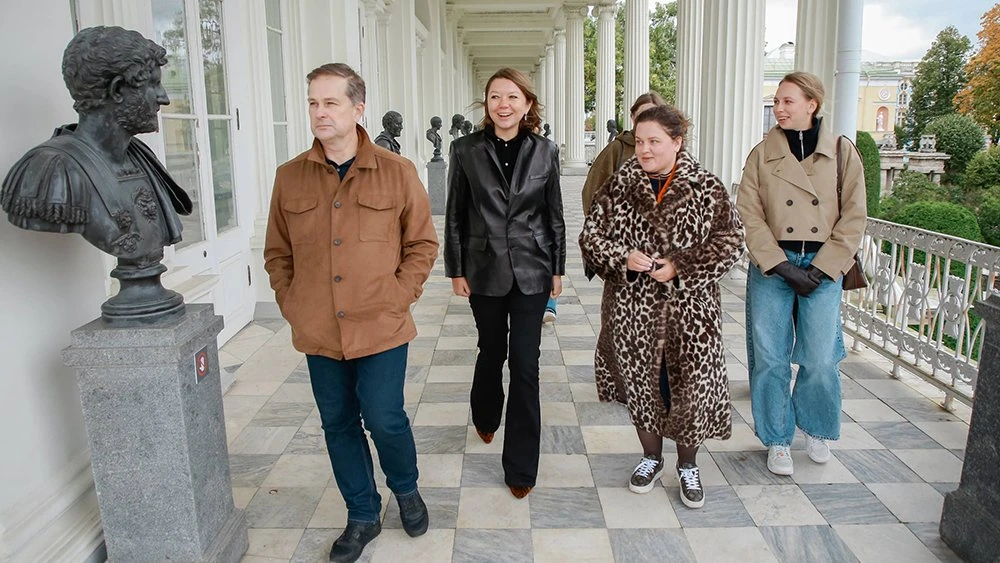
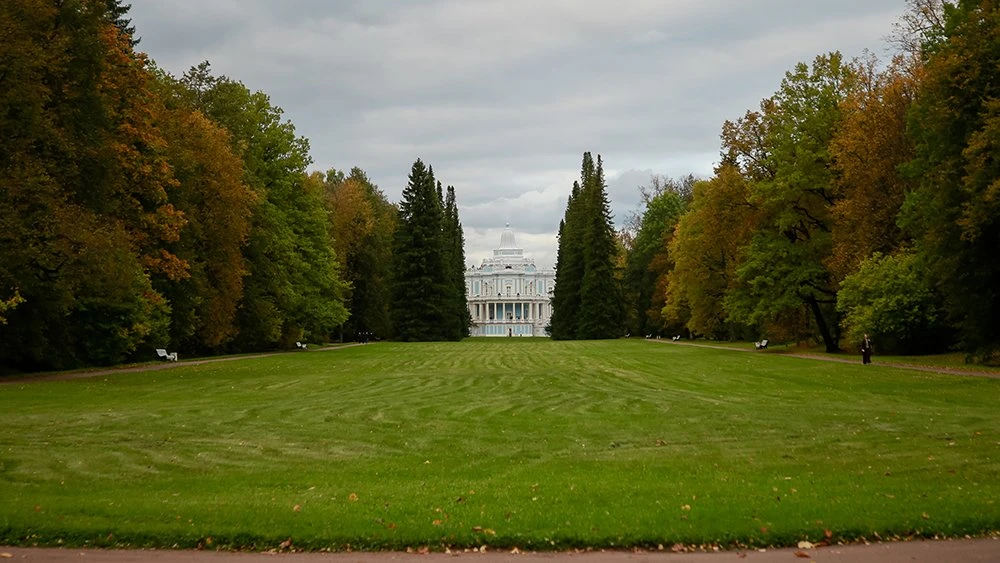
One of the first stops on the route was Catherine Park, which covers 16 hectares. It is an encyclopaedia of landscape architecture, where each emperor of the Romanov dynasty left their own mark.
"Catherine Park combines two main styles — landscape and formal. There are also several elements of the Italian and Russian garden traditions. So the park itself is an encyclopaedia of garden styles, but the dominant ones are the formal, or French, style and the landscape, or English, style," said Olga Filippova, Chief Curator of the parks at the museum-reserve.
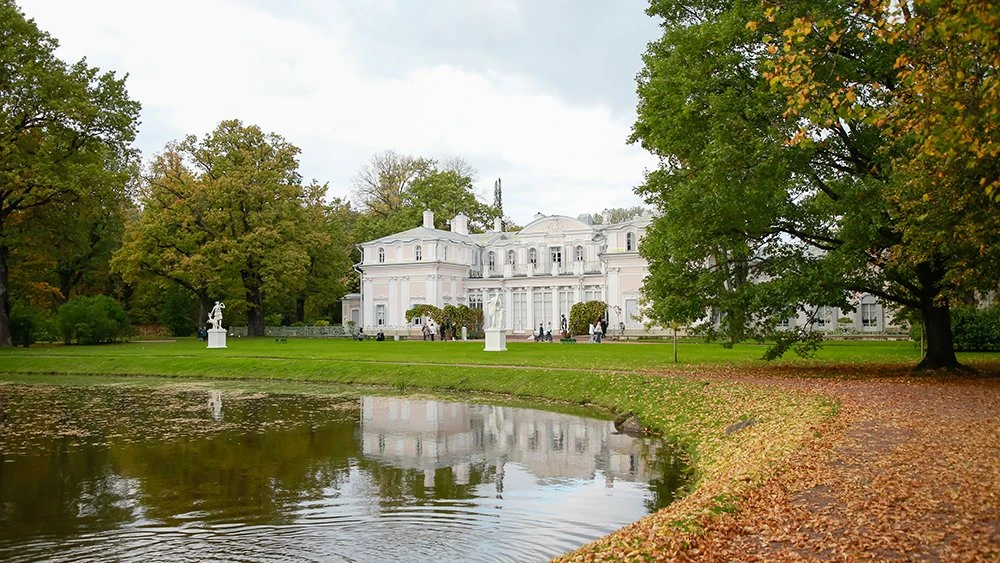
The guests walked through Catherine Garden and viewed several landmark sites. Among them was a flower and vegetable garden recreated several years ago, where both ornamental and edible plants grow. According to Olga Filippova, Chief Curator of the park at the museum-reserve, the idea of combining different groups of plants came from the Empress herself: all of these plants were indeed present in the flower garden during the reign of Yelizaveta Petrovna.
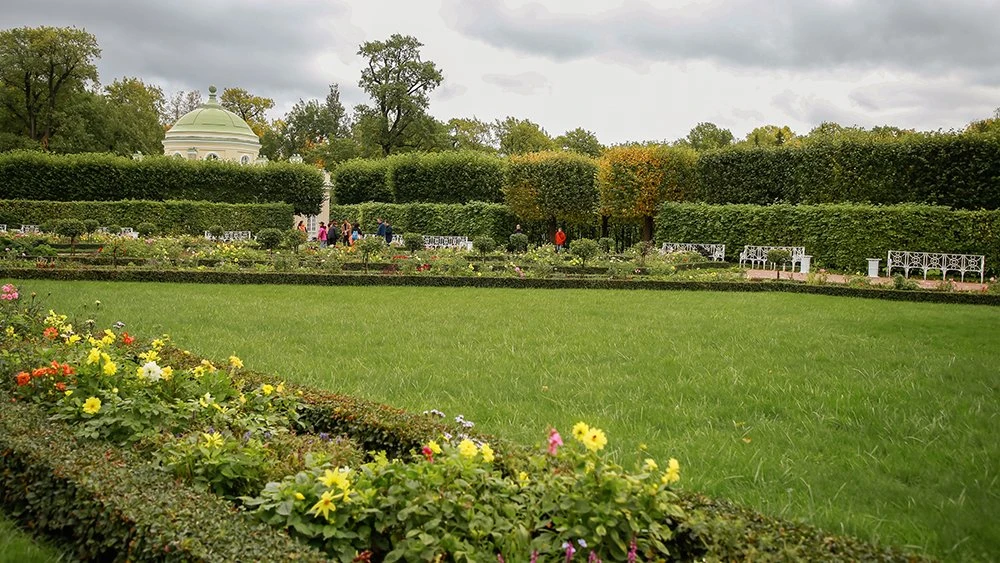
"There is a report by Trifon Ilyin, a gardener from the time of Yelizaveta Petrovna, who wrote that in the summer of 1748 the Empress herself approached him and personally ordered roses and daffodils to be planted around currant bushes with matching crowns. In other words, she herself, acting as a landscape designer, created this decorative technique," said Chief Curator Olga Filippova.
The delegation also visited Peterhof, where it explored the landscape of the museum-reserve's Upper Garden — one of the residence's oldest formal gardens, laid out under Peter I and adjoining the Grand Palace. The main layout, with the exception of two circular pools, was designed by architect Johann Friedrich Braunstein. He also determined the placement of the two square ponds, which continue to supply water to the fountains of the Grand Cascade. Drawings made by Peter I himself have also survived — the Emperor personally took part in developing the concepts for many of the residence's fountains.
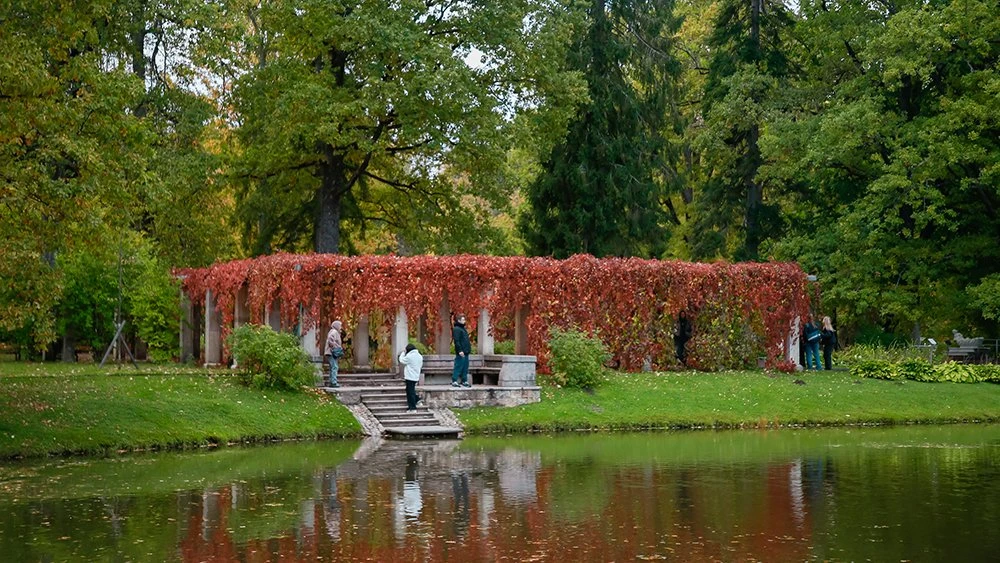
Another stop on the cultural programme was Oranienbaum, which covers 162 hectares. It is the only suburban imperial residence of St. Petersburg that was not occupied or destroyed during the Great Patriotic War, allowing many of its buildings and the park layout to survive in their original form. The delegation walked through the residence's picturesque landscape park and appreciated its architectural and landscape ensemble.
The new building of the National Centre RUSSIA will become an architectural landmark unlike anything else in the world and a symbol of modern Russia. The form of the roof is based on the image of a protective canopy embracing the country and symbolising warmth, comfort, care and confidence in the present and future. In addition to its symbolic meaning, it will also have unique functionality. The lighting will adapt to the events taking place. For example, it will be possible to display state symbols on Russia Day.
The project is being implemented jointly with the Government of Moscow. In total, the entire complex will cover more than 14 hectares and will be able to accommodate around 20,000 guests at the same time. It will be a multifunctional space where everyone can find something of interest, from business events to educational, cultural and public-engagement activities.